
Lecture
Stigma — is an ancient Greek term denoting a mark or brand cut or burned into a person's body, characterizing them as «defective» in moral terms. In his work «Stigma: Notes on the Management of Spoiled Identity», E. Goffman applies this concept to the mentally ill. On the whole, stigmatizing the sick turns out to be a way of coping with the fear associated with the possibility of infection through contact with them.
Stigmatization (from the Greek στíγμα — «label, brand») — branding, the application of a stigma. Unlike the word branding, the word stigmatization can denote the attaching of social labels. In this sense, stigmatization is the linking of some quality (usually negative) with an individual person or a group of people, even though this connection is absent or unproven. Stigmatization is a component of many stereotypes.
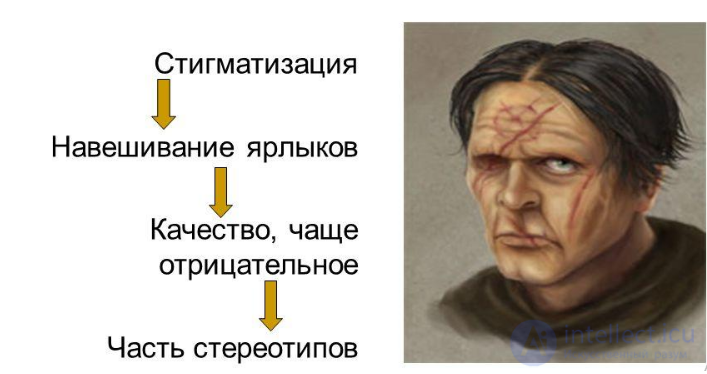
According to E. Goffman, stigmatization in the social sense means a type of relationship between a shameful social attribute and a stereotype — an expected attitude toward it, which produces an incapacity for full participation in social life due to being denied the right to social recognition.
The theory of stigmatization, in matters relating to positive deviance, holds that the problem in such cases lies not in the person's behavior but in society's attitude toward it. Some deviation from generally accepted norms in one situation or another is natural for any person, and this is not pathology.
Social stigmatization in matters of health is the emergence of a negative association between a particular disease and a particular person or group of people sharing common characteristics. During a disease outbreak, this can be expressed in the spread of bias, stereotypes, discrimination, and segregation against such people, and/or in their loss of status due to a perceived association with the illness. Such treatment can have negative consequences for patients as well as for those caring for them, their loved ones, and their immediate social environment. Stigmatization can also extend to people who do not suffer from the disease but share common characteristics with such a group. The current COVID-19 outbreak is provoking stigmatization and discriminatory behavior by society toward representatives of certain ethnic groups, as well as toward people suspected of contact with carriers of the coronavirus infection.
To create a social stigma, generally one quality that is considered indicative is needed, along with a set of qualities attributed on the basis of the presence of the first. The following statements are common, for example:
Stigmatization can lead to discrimination, that is, to real actions that restrict the rights of a particular group. Although in civilized countries[which?] overt stigmatization and the discrimination associated with it are either prohibited by law or condemned by culture, practically every society is saturated with stigmas. For example, people who came to Moscow from the provinces have been labeled «provincials», «limitchiki», or «bag people» (a term common in Soviet times), while those who did not come are called «zaMKADyshi» (beyond-the-ring-road dwellers). They are considered less cultured than native Muscovites, which can be regarded as stigmatization leading to discrimination.
Discrimination is a stigma that has become an action. One important component is very often overlooked in matters of stigma — social, economic, and political power. Any person can attach labels and stigmatize others, but in the absence of power, this stigma cannot become embodied as discrimination.
Discrimination is possible only due to the unequal distribution of power and control in society. Thus a patient may stigmatize doctors, believing that they all treat HIV-positive people badly and understand nothing about treatment.
Discrimination is possible only due to the unequal distribution of power and control in society. If, on the other hand, a doctor holds a stigma toward a patient with HIV, discrimination immediately becomes possible — for example, they may refuse to provide medical care.
What is dangerous about stigma and discrimination? The threat of stigma and discrimination is stronger than the risk of being infected or the risk of infecting one's partner.
Measures that can help reduce stigma: public awareness; programs aimed at shaping perceptions of HIV-positive people; empowerment – «gaining strength». The fight against prejudice is a lengthy process, change happens slowly, but it does happen, and the more actively patients and their families participate in it, the sooner it happens!
Social stigmas are sometimes cast in a positive form — for example, a soldier might be «praised» for unusually sound thinking for someone in his profession. Such «positive» labels can be no less offensive than stigmas of an overtly negative kind.
At the same time, not every hurtful or ironic remark should be classed as a stigma. If someone is called names on public transport, that does not mean they have been stigmatized. Stigmatization involves generalizing and transferring a «negative» quality/inability/lack of something from individual representatives of some community to all members of the community.
Types of social stigmatization can be classified as follows:


Stigmatization is multidimensional (Fig. 1). Perceived stigma includes awareness of negative attitudes toward a particular community and concern about actual discrimination. Enacted stigma refers to the experience of overt discrimination, including physical, verbal, and sexual violence, as well as hate crimes. The structure of stigmatization can also include internalized stigmatization, or self-stigmatization.
The results of the first comprehensive study on stigma were published in 1963, in a book by the American sociologist Goffman. He explained it as a kind of mark, something unusual about a person, which allows individuals without a stigma to judge the moral status of the stigma bearer. The scholar identified three main groups of stigmas: physical defects, tribal (inherited) stigmas, and those of an individual character, such as mental disorders, or simply the most sharply expressed
character flaws (Fig. 1).
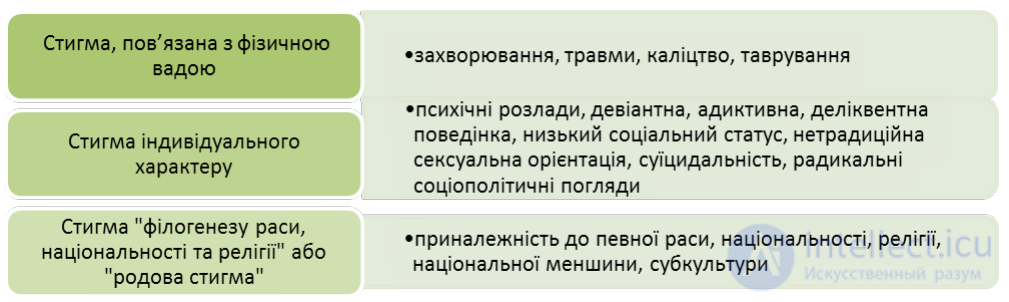
Fig. 1. E. Goffman's classification of stigmas
Source: Compiled by the author based on Goffman I. Stigma: notes on the management of spoiled identity. New York: Simon and Shuster [13]
In contemporary literature, particularly in works presenting the results of empirical research, stigma is examined not only as a phenomenon but as a process. This approach was in fact begun by E. Goffman, who defined stigmatization as the process of singling out individuals on the basis of certain deviations from the norm for the purpose of applying social sanctions. According to Goffman, the main consequence of stigmatization, for the sake of which such a process is realized by the social space at all, consists in the lack or complete absence of acceptance and the pushing out of stigmatized persons into the space of marginality. The researcher linked stigmatization to issues of structural inequality in society. And this position of his is close to professional social work, which is called upon to stand against manifestations of social injustice and to counteract the marginalization of individuals and groups in society. An important aspect of stigmatization is that it is simultaneously a process and a product of social relations, a specific outcome of the social reaction to deviations, whose principal mechanism is the transformation of an intense emotional reaction into stigma. Thus the Russian researcher T. Lipai understands social stigmatization as a reaction to any deviation from the norms of the dominant culture and the further
entrenchment of these deviations through various symbolic forms. One of the main conditions for this process is the individual's «dissimilarity» to other members of society [56]. A somewhat different view is held by T. Kosovo and Yu. Bokhonkova, who note manifestations of social pressure on an individual or group, in
the course of which a particular stigma is imposed on them, which subsequently determines the behavior of the stigmatized persons
and becomes part of their «self».
Yu. Sirotkin, on the other hand, argues that the process of «labeling», as a social definition of an individual's status, becomes a stereotype and fixes the status of «outsider» onto the individual, which affects the formation of the life scenario of the stigma bearer.
In the research, the following manifestations of stigmatization can be identified: public stigma (a complex of social and psychological reactions toward an individual with a defect), auto-stigma (a complex of individual sociopsychological reactions, sensations, and experiences of a person subject to stigmatization),
stigma by association (on one hand, social reactions toward persons who are in social relationships with the stigma bearer, e.g., family, friends, volunteers, medical workers, teachers; on the other hand, the psychological reactions of those associated), and structural stigma (the legitimization, preservation, and reinforcement of
stigma by social institutions and ideological systems, e.g., disability status). In the works of some researchers, stigmatization is presented as a complex mechanism. Currently B. Major and L. O'Brien consider it not as a separate process of singling out certain traits or as
social pressure, but as an interaction of various social processes (Fig. 2). And it is precisely such an integrative model that, in our opinion, best corresponds both to the modern understanding of stigma and to the role of social workers in countering it.
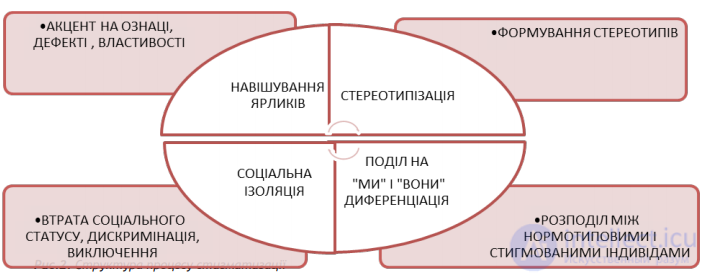
Fig. 2. Structure of the stigmatization process
Source: Compiled by the author based on Major B., O'Brien L.T. The social psychology of stigma // Annual Review of Psychology.
S. Kotov and A. Stepanov note that the product of stigmatizing people with disabilities, of treating them as members of society with fewer rights, is social exclusion — the desire to exclude them from public life, to distance oneself from them as much as possible, and to minimize contact with them. Studies show that stigmatization is strongly associated with poverty and unfair access to healthcare services, with health inequality, and has a negative effect on children's socialization, family relationships, and psychological well-being. Stigmatization leads to a high level of depression
among those who become its subject, although recent experimental work demonstrates the complexity of the pathways from stigma to depression and from depression to clinical outcomes associated with the illness.
However, it cannot be unequivocally stated that stigmatization is a destructive construct that negatively affects the stigma bearer or those stigmatized by association. Yu. Smirnova now identifies six types of attitudes that regulate relations toward stigmatized persons and groups. She divided them into negative and positive (Fig. 3). Considering the social reactions cited by the researcher, one can conclude that stigma is not always a maladaptive mechanism, but also shapes certain positive attitudes. Moreover, in scholarly discourse the «unitary theory of stigmatization» by R. Heihayat has gained currency, representing a structured model of the «personal benefit» construct — aspects underlying various types of stigmatization and their influence on the formation of an individual's identification. The theory posits a benefit for the agents of stigmatization, manifested in self-protection and self-interest, and in self-affirmation through the humiliation of others.
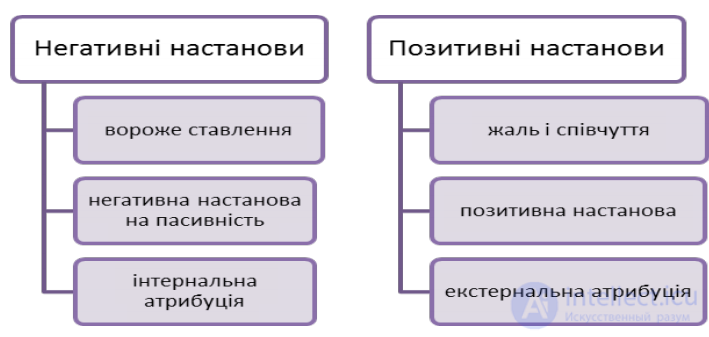
Fig. 3. Social reactions to the stigma bearer
Source: Compiled by the author based on Smirnova Yu. S. Social «symptoms» of illnesses
External stigma is a stigma directed from outside at a person or group of people possessing certain traits: attempts to prove that you do not belong to this group ("I'm not like that"), contemptuous remarks, "nicknames"; avoidance of contact and meetings with representatives of another group; disregard for the opinions and interests of the group's representatives; a patronizing attitude.
Internal stigma can manifest as: a sense of one's own inferiority, of being flawed; attempts to prove that you are better than other members of the group, that you are not "like all of them"; an inability to build relationships with people who do not belong to the group; an inability to build relationships with people who do belong to the group; fear of discrimination from other people, including unfounded fear; a negative opinion of people outside the stigmatized group; a feeling of helplessness, of lacking control over the situation; a conviction that your opinion and interests do not matter and cannot influence anything.
The most difficult situation is one in which a person is subject to both external and internal stigma at the same time.
The concept of stigma in the social sciences was developed by Erving Goffman (in the book «Stigma: Notes on the Management of Spoiled Identity», 1963). The phenomenon of sexual stigma was studied by Goffman's colleague Kenneth Plummer in the book «Sexual Stigma: An Interactionist Account» (1975). In the study of religious movements, the concept was used by Wolfgang Lipp (in the book «Stigma and Charisma», 1985).
As E. Goffman notes, those who fail to meet society's normative expectations are subject to stigma. The question of upholding normative expectations is not a matter of desire or goodwill, but of conformity: simply agreeing with society's norms is not enough. Even someone who upholds society's norms may nonetheless end up in the group of a stigmatized minority. The identity of the stigmatized person is riddled with contradictions: their personal identity may fully match the norm, while their social identity may at the same time fall into the stigmatized group. This very discrepancy between personal and social identity constitutes the basis of stigmatization.
Stigma, according to Goffman, is «a special kind of relationship between an attribute and a stereotype», a discrepancy between true and virtual social identity. Society's normative expectations make up a virtual social identity, which the individual's actual social identity — the one they truly possess — either matches or is set against. Once the discrepancy between the two is sufficiently large, society sets the processes of stigmatization in motion. Stigmatization divides individuals' social world into two parts: those who have no negative deviations from expectations (the so-called «normals»), and those who bear such deviations (the stigmatized).
According to Goffman, one of the most deeply discrediting and socially damaging stigmas is mental illness; this stigma is so pronounced that people with mental illnesses are deprived of all their rights. Along with his contemporaries such as T. Szasz and T. Scheff, Goffman reinforced the view that stigma is rooted in the very nature of psychiatric diagnosis and treatment.
According to E. Goffman, the normal (usual) perceptions of, and attitudes (actions) toward, a person with a stigma are :
According to E. Goffman, a person can use their own stigma and derive from it so-called «secondary gains», for example to justify their failures that are unrelated to the stigma. If, for some reason, a person with a stigma is relieved of it, they may discover that they have learned something, or arrive at some understanding (for example, that living with a particular stigma is not the most terrible imperfection a person can have in life).
As E. Goffman notes, a stigmatized person often does not know how other people «really» feel about them; every new contact is always uncertain for such people — they will either be accepted or rejected. A stigmatized person must constantly think about the impression they make on other people.
The word stigmatization is rare and, when used, generally carries an emotional connotation, so when used in everyday speech or official documents it may be misunderstood or sound comical. One should not speak of stigmatization when the term branding quite literally and adequately describes the process: the branding of livestock, the branding of criminals in the Middle Ages, branding in sadomasochism. Getting a tattoo can hardly be called stigmatization either, nor can putting a trademark on a product's packaging.
The scale of COVID-19-related stigmatization is driven by three main factors: (1) it is a
new disease, many of whose characteristics are still unknown; (2) people are naturally inclined
to fear the unknown; and (3) the resulting fear is easily explained away by the machinations of «outsiders».
Society's confusion, anxiety, and fears are entirely understandable. Unfortunately, these very same factors
provoke the spread of harmful stereotypes.
The list of measures below reflects the recommendations of the Johns Hopkins Center for Communication Programs and the «READY» Network.
Stigmatization often erodes the fabric of society and sets in motion mechanisms for isolating certain groups, creating conditions for a more, rather than less, intense spread of the virus. This can lead to more severe consequences for public health and complicate the fight against the outbreak.
Stigmatization can:
There is objective evidence that stigma and fears associated with infectious diseases hinder the effective fight against them. On the other hand, positive effects come from strengthening trust in reliable medical care and recommendations, showing empathy for people affected by the disease, understanding the specifics of the disease itself, and adopting effective practical measures that help people and their loved ones stay safe.
To mobilize society for a determined fight against the disease and to prevent the growth of fears and stigmatization, it is extremely important to disseminate information about COVID-19. An environment must be created that allows the disease and its consequences to be discussed openly, honestly, and constructively. Below are some recommendations on how not to aggravate, and ultimately to overcome, the problem of social stigmatization:
1. Words matter: in what terms the new coronavirus infection COVID-19 can and cannot be discussed
2. Everyone's personal contribution: simple tips to help overcome stigmatization
3. Advice and talking points for communication activities
Some words and expressions used when discussing the coronavirus infection (for example, «suspected case», «isolation», etc.) may be perceived by people in a negative light and provoke stigmatizing sentiments. They can reinforce existing negative stereotypes and attitudes, strengthening distorted associations between the disease and other factors, and contribute to the widespread spread of panic and disregard for the human dignity of sick people.
This can deter people from undergoing screening, diagnosis, and observing quarantine. Therefore all channels of communication, including the media, are advised to use language that fosters respect for human dignity and the recognition of people's rights and capabilities. The language used by the media is of particular importance, since it influences the language of society and the discussion of the problem of the new coronavirus infection COVID-19. Framing material through
a negative lens can also worsen attitudes toward, and treatment of, patients suspected of having the new coronavirus infection COVID-19.
There are many concrete examples of how the use of non-discriminatory words and expressions and more neutral terms helps counteract epidemics and pandemics, including HIV, tuberculosis, and H1N1 influenza2
.
Below are some tips on which words and phrasings are preferred and which are not preferred when discussing the new coronavirus
infection (COVID-19).
PREFERRED: calling the disease the new coronavirus infection (COVID-19). Not preferred: using references to the geographic or ethnic
origin of the disease, calling it the «Wuhan», «Chinese», or «Asian» virus.
The official name of the disease was specifically chosen with a view to avoiding stigmatization: «co» stands for «corona», «vi» for virus,
and «d» for disease, while the number 19 indicates the year the disease appeared — 2019.
PREFERRED: calling those who are sick «people with COVID-19», who «are being treated for COVID-19», «are recovering from COVID-19», or «have died after contracting COVID-19».
Not preferred: calling those who are sick «COVID-19 patients» or «coronavirus victims».
PREFERRED: people with «possible» or «presumptive» COVID-19.
Not preferred: «suspicious» or «suspected» COVID-19 patients.
PREFERRED: speaking of «contracting» or being «infected with» COVID-19.
Not preferred: saying that people «spread COVID-19», «infect others», or «are spreading the virus», since this implies that these people are guilty
of deliberately transmitting the infection.
The use of terms that characterize the behavior of the sick as criminal or strip them of their human qualities creates the impression that they
have done something wrong or are second-class people compared to everyone else; this provokes stigmatization, reduces compassion toward such
people, and possibly discourages them from seeking help, undergoing screening, diagnosis, and quarantine.
PREFERRED: speak carefully about the risks associated with COVID-19, relying on scientific data and up-to-date medical recommendations
from official bodies.
2 UNAIDS terminology guidelines: not «AIDS victims», but «people living with HIV»; not «fighting AIDS», but «responding to the AIDS problem».
Not preferred: picking up and spreading unconfirmed rumors and using fear-mongering, hyperbolic words and expressions,
such as «plague», «end of the world», etc.
PREFERRED: maintain a positive tone and emphasize the effectiveness of prevention and treatment. Most people are able to cope with
the disease. There are simple rules which, if followed, allow us all to protect ourselves, our loved ones, and people vulnerable to infection.
Not preferred: dwelling on the negative side or expounding at length on threats. We should all strive to protect those who
may suffer the most from the infection.
PREFERRED: draw attention to the effectiveness of protective measures that help prevent infection with the new coronavirus, as well as the importance of timely screening, diagnosis, and treatment.
An important role in preventing and curbing stigmatization against people from China and other Asian countries is played by the efforts of government bodies, citizens, the media, respected figures, and the local public. When posting messages relating to the new coronavirus infection COVID-19 on social media and other communication platforms, we should all show responsibility and prudence and demonstrate constructive
behavior.
Here are some examples and tips on how to counteract manifestations of stigmatization:
• Rely on facts. Stigmatization is often reinforced by a lack of knowledge about the routes of transmission and the treatment options for the new coronavirus infection COVID-19, as well as about ways of preventing infection. The response to this can be the collection, synthesis, and dissemination of reliable information about the spread of the infection in particular countries, regions, and localities, about factors of individual and collective vulnerability in the spread of COVID-19, treatment options, medical facilities, and sources of information. Simple wording should be used, avoiding professional medical terminology. Social media serve as an effective and comparatively cheap channel for disseminating information to a large number of people
.
• Engage those who are respected in society, for example religious leaders, who can start a dialogue about the fate of people subjected to stigmatization, and about how they can be helped, as well as respected and famous public figures who can publicly call for avoiding the attaching of labels. Conducting targeted social media campaigns to spread reliable information and debunk fake messages circulating on Twitter and Facebook helped Nigeria successfully contain the 2014 Ebola outbreak, which affected three other West African countries. The effectiveness of this approach was explained, in part, by the fact that health information and expert opinions were reproduced and disseminated through the popular platforms of international non-governmental organizations, popular social media users, celebrities, and bloggers. Fayoyin, A. 2016.
Engaging social media for health communication in Africa: Approaches, results and lessons. Journal of Mass Communication
and Journalism, 6(315).
4 The term «Angelina Jolie effect» was coined by health communication researchers
to describe the increase in the number of internet search queries on the topic of diagnosing a genetic
predisposition to breast cancer over the several years following the appearance of the popular news story that
actress Angelina Jolie had undergone a preventive double mastectomy. It is necessary to clearly define the target audience of the information being disseminated and to work in direct contact with well-known people so that the information they
convey matches the geographic and cultural characteristics of the audience they are trying to influence. One example is a live webcast of a city leader (or another influential person) on social media, in the course of which he exchanges handshakes with the leader of the Chinese diaspora.
• Widely disseminate the statements, stories, and images of local residents who themselves contracted the new coronavirus infection COVID-19 and recovered, or who cared for a loved one, emphasizing that most people go through COVID-19 without harm to their health. A campaign could also be conducted under the working title «gallery of personalities», telling the audience about the merits of specific medical workers and
caregivers who may be subject to stigmatization. The volunteer movement of citizens plays a major role in overcoming stigmatization in society.
• Remember people of different nationalities. All materials on the impact of the problem on people's lives and joint efforts to contain the spread of COVID-19 should demonstrate the multinational makeup of society. It should be remembered that the typography, graphics, and symbolism of materials should be neutral in character, not reminiscent of a specific population group.
• Ethical journalism. A factor that can reinforce the stigmatization of the sick is journalistic material that places undue emphasis on the personal behavior and responsibility of patients for «spreading the coronavirus». Thus some publications devote articles to speculating about where the coronavirus came from, trying to find a «patient zero» in every country. Materials that reduce everything solely to the question of finding a vaccine and a cure for the infection can provoke fear and create the impression that we are no longer able to stop the spread of the infection. In response, information about basic infection-prevention rules, the symptoms of COVID-19, and recommendations on where and when to seek medical help should be more widely disseminated.
• Unite. There are a whole range of initiatives to fight stigmatization and stereotypes. Cooperating with them is important, since it lends mass scale to such work and fosters the emergence of a positive atmosphere of care and concern for every person.
In terms of speed of spread, the so-called «infodemic» of misinformation and rumors is significantly outpacing the outbreak of the new coronavirus infection (COVID-19). It amplifies the negative consequences of the outbreak, including through the stigmatization and discrimination of residents of areas affected by the outbreak. Supporting society and every individual in such areas requires collective solidarity and clear, practically useful information. Misconceptions, rumors, and misinformation are a breeding ground for stigmatization and discrimination, which create obstacles to fighting the outbreak.
It suggests that the promotion of information from verified sources by celebrities massively draws public attention to health issues and influences their attitudes and willingness to seek medical care in connection with COVID-19.
- Refute misconceptions, but without questioning the sincerity of people's feelings and the actions dictated by those feelings, even if they are based on incorrect premises.
- Promote the importance of prevention, of vital measures, and of timely diagnosis and treatment.
Curbing further transmission of the virus and reducing the level of social anxiety require collective solidarity and cooperation.
− Strive to ensure that your materials and stories evoke sympathy or present, in universally human terms, the experience and problems of people and groups affected by the new coronavirus infection (COVID-19).
− Publicly support and encourage those working on the front line of the fight against the outbreak (medical workers, volunteers, public figures, etc.).
Facts, not fears, will be the barrier against the new coronavirus infection (COVID-19) — disseminate factual information and reliable data about the disease.
- Debunk myths and false beliefs.
- Choose your words carefully. The way information is presented can influence other people's moods (see the section on preferred and non-preferred words and
expressions above).
Proponents of labeling theory Edwin Lemert, Howard Becker, and Kai Erikson argue, first, that no act is in itself inherently criminal or non-criminal. The “negativity” of an act is determined not by its inherent content but by how those around it evaluate the act and react to it. Deviance is always a matter of social definition.
Second, deviant behavior involving the violation of some norms is characteristic of all people. Proponents of this theory reject the popular idea that people can be divided into the normal and those who have some kind of pathology.
Third, whether particular acts of people are regarded as deviant depends on what these people do and on how other people react to it — that is, this assessment depends on which rules society chooses to strictly adhere to, in which situations, and with regard to which people.
Fourth, labeling people has certain consequences for those people. It creates conditions that lead to secondary deviance — deviant behavior that develops in an individual in response to sanctions from others. Proponents of labeling theory argue that this new deviation from the norm is triggered by hostile reactions from legislative bodies and law-abiding citizens. The individual acquires a public definition, which is elevated to a stereotype, and is declared an offender, a “nutcase”, a counterfeiter, a rapist, a drug addict, a loafer, a pervert, or a criminal. The label helps fix the individual in the status of an outsider (“a person not of our circle”). This kind of “master” status suppresses all of the individual's other statuses in shaping their social experience and, as a result, plays the role of a self-fulfilling prophecy. Norm violators begin to perceive their status as a specific type of deviance and to build their own lives around this status.
Fifth, those who have been branded as offenders usually find that law-abiding citizens condemn them and do not want “anything to do with them”; friends and family may turn away from them; in some cases they may be imprisoned or placed in a psychiatric hospital.
According to labeling theory, deviance is determined not by the behavior itself but by society's reaction to that behavior. When people's behavior is seen as departing from accepted norms, this triggers a series of social reactions. Others define and evaluate the behavior and “attach” a certain label to it. The norm violator begins to align their further actions with such labels. In many cases, an individual develops a self-image that coincides with this label, as a result of which they are able to set out on a path of deviance.
Labeling theory, without focusing on the causes of committing deviant acts, helps to understand why one and the same act may be regarded as deviant or not, depending on the situation and the characteristics of the individual in question.
Thus, no single sociological theory is capable of giving a complete explanation of deviant behavior. Each one highlights some one important source of the deviation of behavior from the norm. And deviant behavior can take many forms. Therefore each form of deviance should be carefully analyzed to determine the specific factors involved in it.
Recall the insufficient-justification effect: the smallest incentive capable of making people do something is, as a rule, the most effective way to instill in them a commitment to those actions going forward as well. One possible explanation for this phenomenon is offered by cognitive dissonance theory: if external stimulation is insufficient to justify our behavior, we reduce the dissonance by finding justification within ourselves.
Self-perception theory offers a different interpretation: people explain their behavior by noticing the conditions under which it occurs.
Insufficient justification
Contrary to the common belief that a good reward leads to better results, Festinger and Carlsmith put forward a provocative hypothesis: those who were paid 1 dollar are more likely to adjust their attitudes to fit their actions. Having insufficient justification for their actions, they experience greater discomfort (dissonance) and, consequently, will have a greater motive to believe in what they did. Those who were paid 20 dollars, on the other hand, received sufficient justification for their actions, and consequently they experience less dissonance.
The overjustification effect appears when someone offers an unnecessary reward in advance with the explicit purpose of controlling behavior. In this situation, it matters exactly what kind of reward is involved. Rewards and praise that inform people about their achievements (making them proud of themselves: «I'm really good at this!») strengthen intrinsic motivation. Rewards whose purpose is to control people and make them believe that their efforts are explained precisely by the reward («I did it for the money») diminish the intrinsic appeal of an activity that is generally enjoyable.
Stigma, in the context of social psychology, describes the negative prejudices, stereotypes, and discrimination associated with a particular group of people or a particular attribute. However, stigma can also have protective properties that help individuals or groups cope with these negative effects. Here are some of them:
as a protective property — Positive identification: people who face stigmatization can use their membership in a particular group as a source of personal identity and strength. They may seek support and connection with other people facing similar stigmas, thereby forming positive social bonds.
as a protective property — Developing resistance: some people, when faced with stigma, develop strong psychological mechanisms of resistance. They can actively fight negative opinions and stereotypes, offer alternative observations and perspectives, and use their communication skills to defend themselves and their rights.
as a protective property — Personal growth: the experience of stigma can contribute to the development of strength of character and to psychological growth. People facing stigma can develop emotional resilience, adaptive coping strategies, and high self-esteem.
as a protective property — The search for meaning and value: stigma can prompt people to reflect on their values and the true meaning of their lives. They can overcome stigma by turning to their inner values, achievements, and the search for meaning in other aspects of their lives.
as a protective property — Empathy and support: the experience of stigma can help people develop empathy and understanding toward other people facing similar situations. They can become defenders of truth, fight for rights and equality, and create communities where people can find understanding and support.
It is important to note that the protective properties of stigma do not justify the negative consequences associated with discrimination and stereotypes. Rather, they represent positive coping strategies and paths of development that some people may use to deal with the negative consequences of stigmatization.
Social distance

Comments