
Lecture
Emotional tension, understood as the experience of negative emotions,
depending on its intensity, may either contribute to the solution of a
complex problem or contribute to the commission of erroneous actions. A graphical representation of this pattern is given in Fig. 8.1.
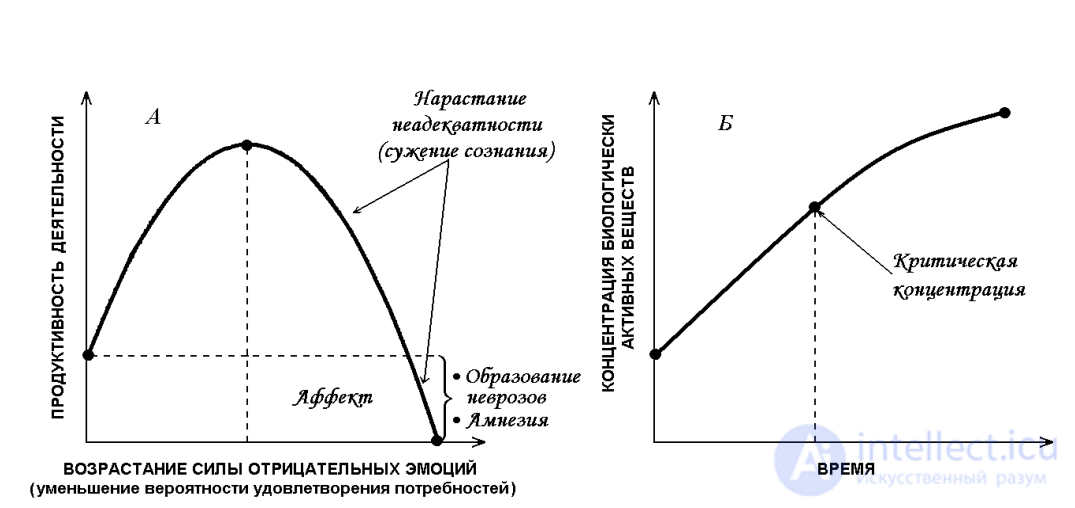
Fig. 8.1. Dependence of the productivity of performed activity on the strength of negative emotions (A) and
dependence of the concentration of biologically active substances on time as the strength of negative emotions increases (B) (according to: Evstigneev D.A., 2010, a)
According to Yu.P. Dobrolensky et al. (1975), emotional tension (in terms of the degree
of mobilization of the organism's forces) in special flight situations manifests itself in:
1) generalization of perceived information, which allows for a faster and more accurate assessment of the situation in a short time;
2) manifestation of the psyche's property of forecasting the development of a situation, which allows for effective action under time pressure;
3) activation of past experience (a conceptual model), which facilitates recognition under
uncertain and incomplete information.
An example of how emotional tension contributes to the rapid solution of a problem,
mobilizing all of a person's resources, is the incident described by A.I. Onufrash (1981, a).
The crew noticed a spontaneous sharp drop in engine boost pressure to 6,000 mm Hg and
a decrease in speed. The engine did not respond to changes in throttle lever position. Having ascertained that a normal throttle control failure had occurred, the aircraft commander ordered the co-pilot to eliminate the malfunction. Upon opening the access panel, the co-pilot discovered that the throttle lever had disconnected from the linkage. By pulling the linkage toward himself, the commander restored the required engine operating mode. The co-pilot then removed the mounting bolt from one of the passenger
seats and restored the connection between the linkage and the throttle control sector.
The most dangerous aspect of a state of emotional tension is the transition from adequate to
inadequate responding. This transition can be clearly traced in Fig. 8.1 above: after the productivity of activity, under the influence of increasing strength of negative emotions, reaches its maximum value, a further increase in
the strength of the emotions will lead not to an increase in work productivity, as before, but to its decrease.
A natural question arises – why does an increase in the strength of negative emotions (as a
result of a decreased probability of need satisfaction) first lead to increased performance, while later it leads to its decline? The reason is that as the strength of negative emotions increases, serious biochemical restructuring occurs in the organism –
a large quantity of biologically active substances is released, and these substances, upon reaching
a certain critical concentration (accumulating), no longer help as before (the first
half of the graph), but instead poison the organism – to the point that a state of affect arises. Affect
(from Latin affectus – emotional agitation) is nothing other than a biochemical shock, arising as a
result of the release and subsequent accumulation of biologically active substances secreted in response to increasing emotional strength (Evstigneev D.A., 2010, a).
One of the consequences of a biochemical shock is the onset of amnesia and anesthesia.
The more pronounced the affect, the more amnesia and anesthesia manifest themselves. As an example of an extremely pronounced affect, let us cite a situation described by K.K. Platonov and L.M.
Schwartz (1948). Affect arose in a pilot during an air battle with an enemy
aircraft whose pilot had shot down several of our aircraft (and all of it – before the eyes of the Soviet
pilot). At the moment when the enemy aircraft struck yet another of our aircraft, the pilot fell
into a state of affect (understandably, seeing alive the killer of his fellow soldiers and friends is incredibly difficult to bear), which he described as follows: «I understood then what it means for “blood
to boil”; it was as if I had been scalded with boiling water, everything went dark before my eyes, my temples pounded, I forgot everything,
and only one thought remained – to kill. And I caught up with him and shot him down. How I did it, I cannot
recall. I don't remember how or when he put three bullets into me. I only remember how he shot down
my friend, and then how black smoke poured from his black ace [aircraft] as it burned, falling to the
ground. The ground radio operator later told me that throughout the entire pursuit and fight I continuously shouted: “I'll kill him”». The suppression of sensitivity (in particular, pain sensitivity) during affect is based on the principle of dominance (from Latin dominantis – dominant), formulated by A.A. Ukhtomsky (1950): a dominant focus of excitation in the central nervous system is capable of inhibiting other nerve centers. The dominant state
of the psyche is one of the most dangerous psychophysiological factors of flight, manifesting itself, in particular, in the pilot's desire to land the aircraft at all costs, even when the developing situation absolutely contradicts this.
One variety of the dominant state is the phenomenon of ground search, or
anticipation of the appearance of the runway: the pilot concentrates solely on the expected visual contact with the runway, to the detriment of other actions. It manifests itself primarily under conditions of low cloud cover and poor visibility. As V.A. Ponomarenko and N.D. Zavalova (1981) point out, even before breaking out of the clouds the pilot begins
to probe the space outside the cockpit. Filming of the direction of gaze showed that
the pilot regularly shifts his gaze toward the expected runway for 0.5–0.8 seconds. Such
«probing» of space becomes more intense the lower the accuracy of glide-path tracking. It might seem that the lower the weather minimum, the less the pilot should look away from the instruments, since ground landmarks are not visible, but this is not the case. Based on film footage (analyzing the portions of flight preceding breakout from the clouds),
it was established that under weather conditions of «200 × 2,000 m», visual monitoring of the space outside the cockpit takes about 4 seconds per minute of flight, whereas under visibility of «100 ×
1,200 m» it is about 10 seconds. The phenomenon of ground search has repeatedly become the cause of
aviation incidents. One incident related to this phenomenon is described in Chapter 11 (on 2
February 2008 the crew of an Il-76 aircraft landed on the runway with a 10° right bank).
To understand how serious the biochemical changes accompanying the experience of negative emotions are, one must become familiar with the definition of stress and know which
substances are released at each of the three stages of stress.
Stress (English stress – tension) is a state of the organism arising as a result of
intense or prolonged effects (regardless of their nature) and characterized by tension of nonspecific adaptive mechanisms. The set of stereotypical stress reactions manifesting at the level of the whole organism has been termed the general adaptation syndrome (Selye H., 1960, 1979). Stress reactions are aimed at increasing the organism's resistance and are protective-adaptive in nature. In the development of the general adaptation syndrome, which unfolds in three stages (alarm,
resistance, and exhaustion), the primary role is played by activation of the «hypothalamus –
pituitary – adrenal cortex» system.
A typical reaction during the experience of strong negative emotions is tremor (shaking) of the limbs, caused by strong excitation of the nervous system, as a result of
which, when nervous excitation is transmitted from the nerve ending to the muscles, an excess amount of mediators (from Latin mediator – intermediary) is released – substances that mediate the transmission
of excitation from one excitable structure to another. It is precisely the excessive release of mediators, pouring onto the muscle membrane from nerve endings, that causes continuous muscle contraction.
Precisely because the experience of negative emotions is accompanied by serious
restructuring of the organism's functional systems, a whole range of physiological indicators is used to assess psychophysiological state. In particular, to assess the
psychophysiological state of flight crews, Yu.P. Dobrolensky et al. (1975) used indicators such as:
- indicators of cardiovascular system functioning (primarily –
heart rate);
- indicators of external respiratory function (respiratory cycle rate, minute
respiratory volume, tidal volume, breath-holding time);
- electrical muscle activity (electromyogram);
- galvanic skin response;
- blood sugar and cholesterol concentration;
- concentration of corticosteroids, creatine and adrenaline in urine.
Psychophysiological indicators make it possible not only to detect emotional tension in itself, but also to assess the «physiological cost» of a pilot performing
a particular action (activity). If two cadets perform an approach calculation identically and
land the aircraft precisely at the landing marker, but one of them
has a pulse increase of 10 beats while the other has 30, while when performing other elements of the flight both have a pulse increase of no more than 10 beats, it can be asserted that
landing is more difficult for the second cadet (Platonov K.K., 1957).
The physiological cost of the activity performed is directly affected by the uncertainty of the situation: when an autopilot failure was introduced, the heart rate of a test pilot
who did not expect the introduction of failures increased by 55 bpm, whereas for an instructor pilot who was well aware of the failure being introduced, the increase was 15 bpm (Dobrolensky Yu.P. et al., 1975). Another illustration of how traumatic situations of uncertainty are for the organism is experimental data obtained using two variants of information display means (IDM) in an emergency situation – a definite one (IDM-1) and an uncertain one (IDM-2). The experimental data are presented in Table 8.1.
Table 8.1
Level of physiological reactions when using two IDM variants
(according to: Dobrolensky Yu.P. et al., 1975)

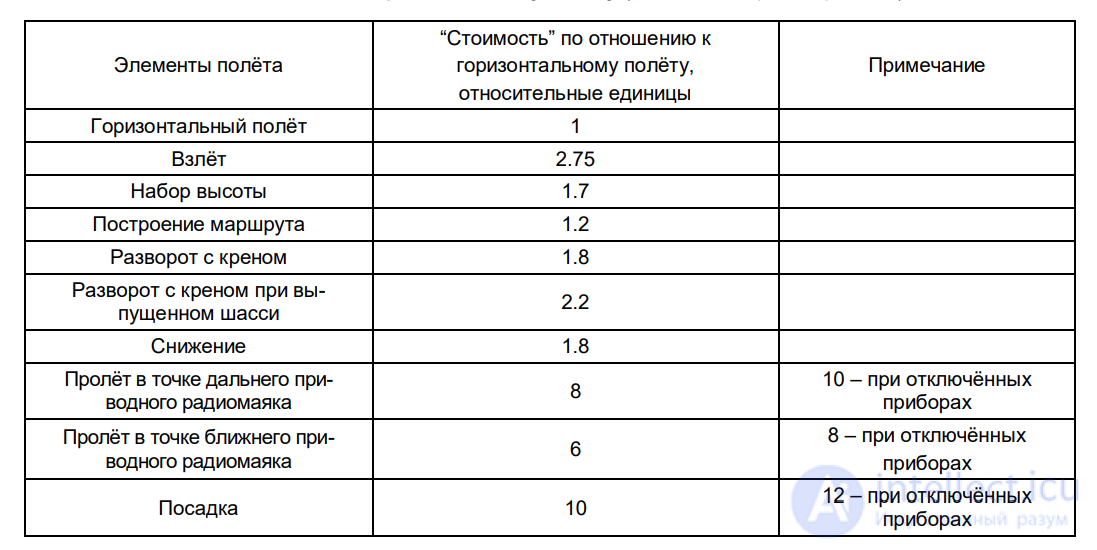
Data from another study concerning the assessment of the psychophysiological cost
of various flight phases were published by R.N. Makarov et al. (1987). The data obtained
in the course of the study are presented in Table 8.2.
Table 8.2
Psychophysiological «cost» of individual flight elements
relative to level flight (according to: R.N. Makarov et al., 1987)
Reactions to professional training differ among different people (due to differences
in the psychophysiological cost of professional activity). Repeated repetition of an activity leads to it being performed in less time,
thereby freeing up additional attentional reserves and increasing the time available for solving
other (non-routine) tasks. The nature of the relationship between the magnitude of emotional tension (as determined by heart rate) and attentional reserves when performing tasks
of increasing complexity is shown in Fig. 8.2.
There are situations in which, during flight, equipment fails for which
no signaling is provided, and the manifestation of this failure is not entirely well-defined in nature. To illustrate one example of such situations, Yu.P. Dobrolensky et al.
(1975) examined a failure in the autopilot channel, in which the failure signal was a sudden change in aircraft attitude. Upon sensing an increase in angular acceleration in roll,
the pilot needed to bring the aircraft into level flight and disengage the autopilot. It was assumed that the strong effect of angular accelerations on the pilot during failures
would not hinder the process of recognizing malfunctions in this equipment's operation. It turned out that
non-instrument failure signals do not constitute definite information (they do not
indicate the cause of the sudden sharp evolution of the aircraft) and that in recognizing the failure and
making a decision, pilots can make errors. Autopilot failures in the roll channel
were introduced by an instructor, who did not interfere with the pilot's actions and did not comment
on what had occurred until the test pilot reported the failure. The instructor intervened in control only in the event of a threat to flight safety. After the failure was reported,
the instructor asked pre-prepared questions to determine which signs of the failure had been used by the pilot to recognize it, what difficulties he experienced, and which failures could be confused with an autopilot failure. The results of the experiments are presented in
Fig. 8.3 and Table 8.3.
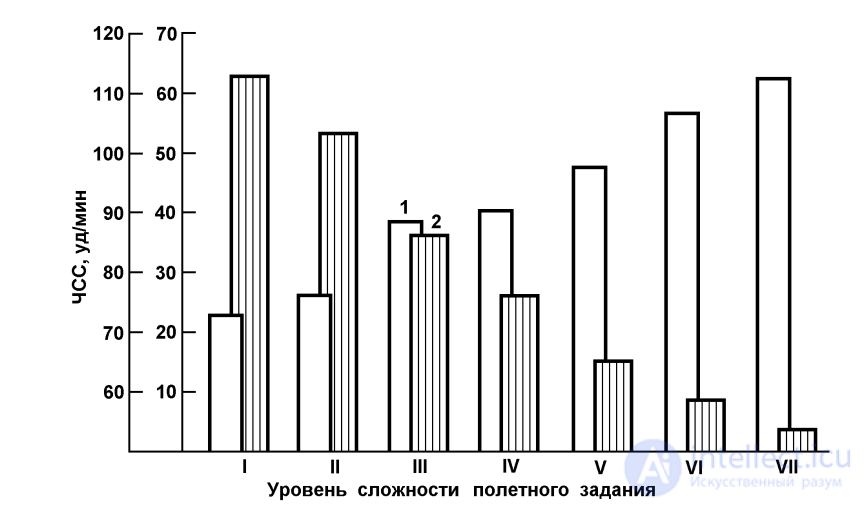
Fig. 8.2. Relationship between heart rate (HR) and attentional reserves
in a pilot when performing tasks of varying complexity.
I – the simplest level, VII – the most complex level, 1 – HR, 2 – attentional reserves (data
of V.Ya. Kolyagin, according to: Frolov N.I., Tokarev V.F., Sergeev V.A., 1992)
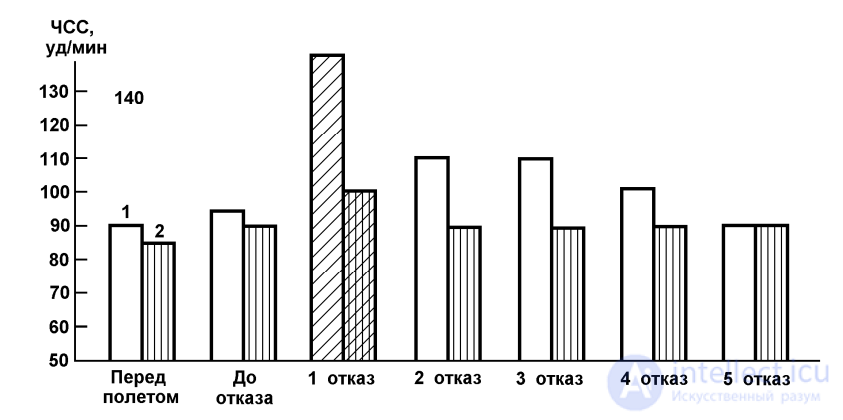
Fig. 8.3. Dynamics of heart rate in pilots not informed
about the failures (1) and informed about them (2) (according to: Dobrolensky Yu.P. et al., 1975)
Table 8.3
Dependence of the organism's reactions to an autopilot failure on pilot awareness
(mean values) (according to: Dobrolensky Yu.P. et al., 1975)

The authors (Dobrolensky Yu.P. et al., 1975) went on to analyze the characteristics of pilot behavior in the process of recognizing the failure and making a decision, and identified the causes of the different pilot reactions. All pilots received objectively identical signals about what had occurred: a sudden banking of the aircraft. However, the extent to which this information was
definite for a particular pilot depended not on its objective characteristics, but on
the pilot's subjective sense of its «familiarity» (the ability to compare the incoming
signs with a previously formed conceptual model). The authors were able to identify
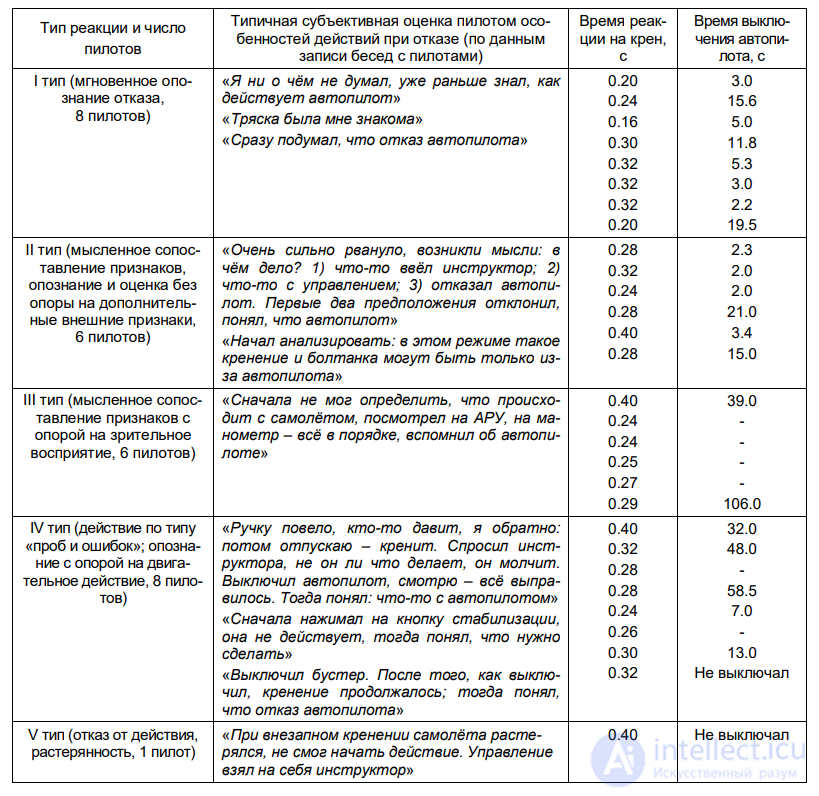
five types of pilot reactions to autopilot failure (Table 8.4). Instantaneous recognition arose
due to complete subjective certainty in perceiving the sign as a signal specifically of autopilot failure. The compressed, rapid nature of the information-processing process is the result of the entrenched
specificity of autopilot failure signs, the result of using past experience, a conceptual model. The second type of recognition is also based on sufficient subjective certainty of the information. Insufficient certainty of information causes reactions of the
third, fourth, and fifth types. Reducing uncertainty is possible by obtaining additional signals, and the pilot attempts to detect them on the instruments or by means of exploratory control movements.
Thus, different pilots perceive the same signal differently; the reliability of their actions was determined by the characteristics of their information-processing processes. Reliability was determined by how quickly an uncertain signal was converted into a
definite one. Actions of the first type of response are similar to reactions to expected information (the mechanism for them is already formed, and the pilot requires no effort to form a decision). In the second type of response, information conversion is carried out on the basis of preliminary analysis (proceeding through thought, without reliance on external signs): mental enumeration of options and comparison of signs continues for several seconds. Whereas the reliability of pilot actions is high for the first and second response types,
the third, fourth, and fifth types entail low reliability (a high probability
of erroneous actions).
Table 8.4
Characteristics of pilot reactions to autopilot failure
(according to: Dobrolensky Yu.P. et al., 1975)
Interesting information about physiological reactions as a measure of emotional tension is presented by V.A. Ponomarenko (2006). As is known, emotional tension
manifests itself not only directly during flight, but also before it is performed – in the form of
a pre-start reaction, representing a state arising as a result of
mental modeling, rehearsing future actions. During the pre-start
reaction, physiological reactions can be recorded that will reflect the complexity of the forthcoming activity. To prove the existence of a connection between the magnitude of autonomic shifts and the complexity of the forthcoming activity, V.A. Ponomarenko (2006)
conducted an experiment in which the participants were test pilots (aged 30–40,
with 10–15 years of test-flying experience). The types of tasks performed by the pilots
were represented by four levels of complexity (level 1 – the lowest, level 4 – the highest). Experimental data for a group of 20 people are presented in Table 8.5.
Table 8.5
Dependence of pre-start state on task complexity level
(according to: Ponomarenko V.A., 2006)
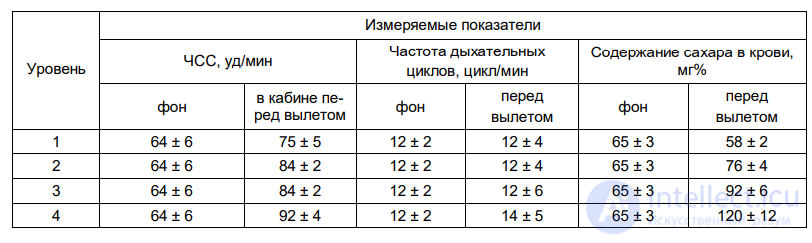
As can be seen from the table, complexity level 4 (testing new equipment
at ground level with no visibility of natural landmarks) produces the greatest physiological
shifts. As V.A. Ponomarenko (2006) notes, physiological indicators of pre-start
excitation can, to a certain extent, serve as a criterion of psychophysiological readiness (the organism transitions to a new mode of functioning, ensuring the stability and consistency of psychophysiological processes).
Table 8.6
Physiological reactions of pilots depending on control mode
and flight phase (according to: Ponomarenko V.A., 2006)
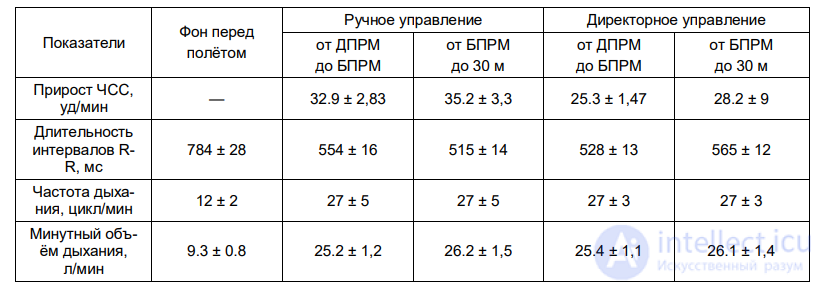
In another experiment, V.A. Ponomarenko (2006), using both his own experimental
data and data from V.V. Lapa, R.I. Brusnichkina, A.N. Razumov, and B.L. Gorelov, compared
the pilot's psychophysiological state when flying manual and flight-director approach modes. The complexity of the task depended on the exercise mode (manual being more
complex than flight-director) and on flight altitude (control during the «outer marker – 30 m» segment being more
complex than during the segment between the outer marker and the inner marker). The results of these experiments are presented
in Table 8.6.
The degree of the pilot's neuro-emotional tension under various control modes (manual, semi-automatic, or flight-director, and automatic) is shown in Fig. 8.4.
The lowest level of physiological reactions is observed in automatic mode, and the highest – in manual mode.
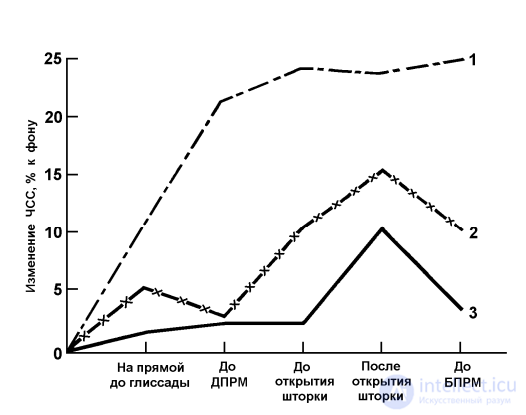
Fig. 8.4. Change in pilot heart rate during landing
depending on aircraft control mode:
1 – manual; 2 – semi-automatic; 3 – automatic (according to: Frolov N.I., Tokarev V.F., Sergeev V.A.,
1992)
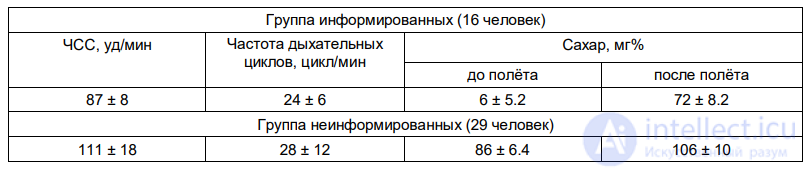
Data from V.A. Ponomarenko (2006) on the physiological reactions of pilots depending on
the complexity of the flight task and professional experience, as well as on awareness of
the failure, are presented in Tables 8.7 and 8.8, respectively. HR dynamics depending on the complexity of
the flight task are shown in Fig. 8.5.
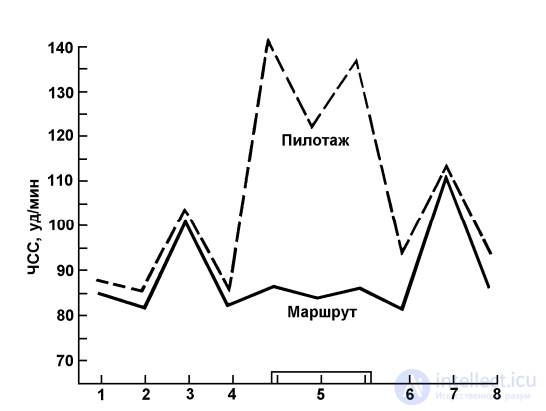
Fig. 8.5. Change in heart rate (HR) in a pilot
depending on the complexity of the flight task:
1 – in the cockpit while parked, 2 – taxiing, 3 – takeoff, 4, 6 – level flight, 5 – task performance, 7 –
landing, 8 – taxiing in (according to: Frolov N.I., Tokarev V.F., Sergeev V.A., 1992)
Table 8.7
Characteristics of physiological and biochemical reactions depending
on professional experience and complexity of the flight task
(according to: Ponomarenko V.A., 2006)
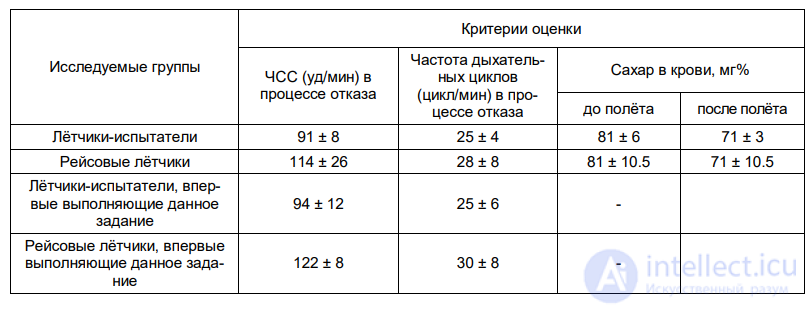
Table 8.8
Comparison of physiological and biochemical reactions of subjects
depending on awareness of the failure (according to: Ponomarenko V.A., 2006)
Quite revealing are the shifts in physiological functions that occur under
conditions of activity close to the limits of human capability. This phenomenon is shown in Fig. 8.6, which presents HR values and the accuracy of maintaining altitude on the glide path in
relation to the characteristics of the weather minimum.
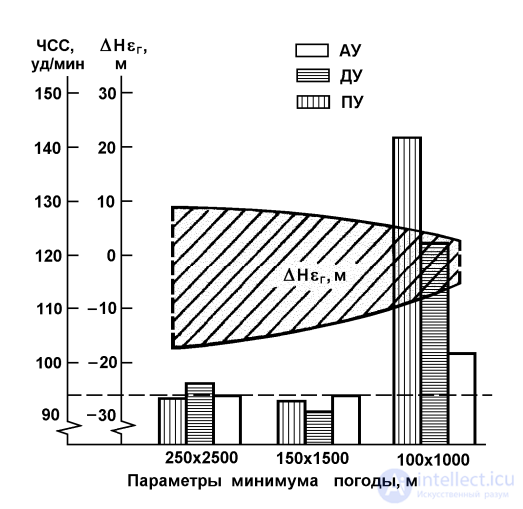
Fig. 8.6. Change in heart rate (HR) in pilots
during approach depending on the weather minimum characteristics:
ΔHεG – accuracy of maintaining altitude on the glide path, m; AU – HR during approach in automatic mode; DU – HR during approach in flight-director mode; PU – HR during approach using position bars
(according to: Frolov N.I., Tokarev V.F., Sergeev V.A., 1992)
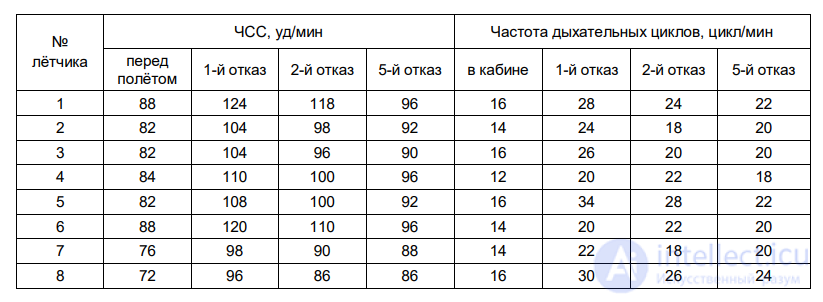
Table 8.9 presents data on the dynamics of cardiovascular and respiratory system indicators as pilots gain experience.
Table 8.9
Dynamics of heart rate and respiratory cycles
in individual subjects as experience is gained
(according to: Ponomarenko V.A., 2006)
An emergency situation, by its nature, belongs among psychogenic influences (Ponomarenko V.A., 2006). An emergency situation is regarded as a complex effect on a person, causing two levels of response reactions: 1 – adaptive-protective reactions
(of an orienting-investigative character); 2 – intellectual actions related to
assessing the situation, forming a behavioral strategy, and ensuring the distribution of attention between monitoring the current state of the controlled object and developing a new, unplanned course of action. An in-flight emergency requires the mobilization of all innate and acquired defense mechanisms (activation of the orienting-investigative reflex, emotional arousal (as an adaptive act in the
process of assessing the degree of danger), actualization of the mechanism of anticipation, of getting ahead of
a developing event). The counterpart to an emergency situation is psychological
readiness, which determines the degree to which an emergency situation affects the human organism. Psychological readiness encompasses psychophysiological stability (determined by the state of the organism) and mental stability (determined by professional
training and the overall functional level of the personality's basic psychological qualities). The
latter component includes special preparedness for action in non-standard conditions, the capacity for operational thinking, for the rapid actualization of knowledge for
decision-making, the presence of heightened motivation and a mindset for a favorable outcome,
and a sense of duty.
A signal arriving in an emergency situation, according to N.D. Zavalova, B.F. Lomov, and V.A. Ponomarenko (1986), possesses two characteristics. The first characteristic is the so-
called attracting effect, which can be high, medium, or low.
Physically strong non-instrument signals (angular rotation of the aircraft with acceleration exceeding 10 deg/s2
, shaking, a sharp sound) and sound instrument signals (siren, bell, buzzer, human speech) have a high attracting effect. A medium attracting effect is found in light indicators and light-signal panels located in the central field of view, and in certain non-instrument signals (asymmetric thrust,
angular accelerations of 5 to 10 deg/s2
, an increase or decrease in force on the control stick). A low attracting effect is found in pointer indicators located outside the central field of view. The strength of the attracting effect determines the process of receiving information: an orienting reaction to a high attracting effect of an emergency signal causes an involuntary shift of attention from the current action to the newly arisen task, thereby ensuring the signal is detected. The second characteristic of the signal in an emergency situation is the degree of certainty of the incoming information. In this regard, definite, contradictory, and uncertain information can be distinguished. With definite information, the process of recognizing the situation proceeds without difficulty and occurs almost simultaneously with detection. Certainty of information is technically ensured by displaying signals on a panel in the form of text,
a voice message in headphones, or readings of certain instruments. Contradictory information is characteristic of signals indirectly related to the event that has occurred (for example, the appearance of discrepancies in the readings of a group of instruments when one of them fails is a contradictory signal, which does not directly reveal the cause of the discrepancy and hinders information processing). Uncertain information is typical of most non-instrument signals (their detection prompts the pilot to actively search
for more definite information and to actualize past experience of assessing similar signals). In an emergency situation, the degree of attracting effect and the degree of certainty
of information can combine in any combination.
V.A. Ponomarenko (2006) identifies five types of emergency situations:
- a conflict situation;
- a situation characterized by an unexpected result;
- a situation combining a shortage of time and information;
- a situation of uncertainty;
- a definite situation.
The first situation is characterized by the fact that the pilot faces a task of choosing one of
two opposite, but subjectively equally possible and significant, decisions. The choice
is made without clear knowledge of exactly what will happen if one or the other
decision is implemented. Often the cause of the conflict lies in a combination of low certainty of information about
what has occurred and a lack of experience of behavior in such conditions. The pilot recognizes the presence of a
conflict situation but must make a decision without analyzing its causes. The second type of emergency situation is characterized by the fact that the pilot, performing purposeful actions,
expects one result but encounters the opposite. This often happens
when an undefined, physically strong stimulus arrives. The situation is aggravated by insufficient preparation of the person. The third type of emergency situation includes those in which the pilot, despite the lack of information, must immediately
make the single correct decision. The outcome of the situation is largely predetermined by the
capacity for non-standard thinking. Fourth-type emergency situations arise when the pilot incorrectly assesses contradictory signals and is guided in his actions by this assessment (it differs from the second type of situation by a longer duration and gradual discovery of the error). In fifth-type emergency situations, the pilot knows exactly what
needs to be done.
V.A. Ponomarenko (2006) particularly notes that the training methods used for emergency situations are often based on mastering only an idealized scheme of how events unfold and the order of crew members' participation in it, while the element of failure recognition and the criteria
for assessing it are not practiced. It is important to train not only motor mechanisms but also
the intellectual functions of situation recognition.
In a state of emotional tension, the perception of instrument readings changes
such that a transition occurs from quantitative to qualitative instrument reading. One
example of such a state was identified by Yu.P. Dobrolensky et al. (1975) in a special flight experiment – a non-annunciated attitude indicator failure (slow
«topple») was simulated. The failure was introduced during an experimental flight on the landing straight-in approach. The flight was conducted under a hood, without visual reference. During the course of the experiment, the following
4 stages were identified.
Stage I
The attitude indicator shows a 4º right bank; heading 303º; the standby attitude indicator shows no bank. The main attitude indicator begins a slow «topple». Upon noticing the bank, the pilot attempts to use the controls to restore level flight, but in fact creates an 8º left bank. By the end of the first stage, lasting 10 s, the main attitude indicator shows a right bank, while the aircraft is actually in a left bank and beginning to deviate to the left.
Stage II
The pilot's gaze fixes on the heading instrument for 5 seconds (an active process of solving the
problem situation has begun): «I have drifted left, I need to urgently roll the aircraft into a right bank». The gaze shifts to the attitude indicator: according to the main attitude indicator, the aircraft is in the required right
bank of 12º (the true bank at this time is left and equal to 8º).
198
Stage III
It is the 20th second. Eye movement activity intensifies, the gaze alternates between the heading instrument and the attitude indicator. An internal process of forming hypotheses and building a plan of action has begun. Unable to make a decision, the pilot performs an «exploratory control input» – removes the right bank
shown on the main attitude indicator, thereby increasing the true left bank to 20º.
Stage IV
It is the 35th second. The pilot makes and carries out the decision to roll the aircraft out of the bank. He shifts his gaze to the
heading indicator: the heading deviation error is growing. A favorable moment has arrived to decide that the attitude indicator has failed, but the primary means of recognizing the situation remains an exploratory control input.
The pilot attempts to correct the heading error and rolls the aircraft into a vigorous right bank. Only at the 40th second does his gaze shift to the standby attitude indicator. By this time the standby attitude indicator also shows a right bank, since the aircraft is in fact in a right bank. When the pilot looked at the standby
instrument, it showed a right bank of 13º, while the main one showed 40º. But another 20 seconds were needed to compare the
instrument readings in order to determine that the attitude indicator had failed. The pilot was already entering a stress state,
which disrupted the process of receiving and processing flight information.
A second example, confirming the information on how emotional tension affects the transition from quantitative to qualitative instrument reading, is a situation
involving an airspeed indicator failure. The authors (Dobrolensky Yu.P. et al., 1975) cite the pilot's own statements
regarding his sensations during the flight: «I had no fear, no thoughts about the outcome of the flight occurred to me, although I did experience heaviness and tension in my body. My gaze became more
mobile, I literally «ran» across the instruments, and what is characteristic is that whereas in a normal situation
you see all the graduation marks, here I only determined whether the vertical speed indicator needle was pointing
up or down. I read the attitude indicator roughly, without determining
exactly how many degrees of bank or pitch there were».
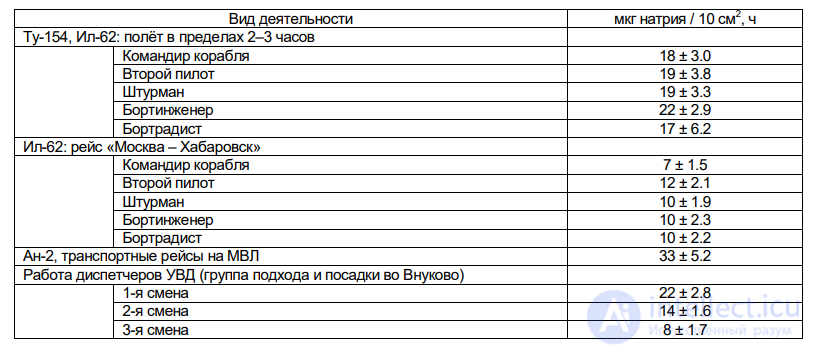
The magnitude of emotional tension, in addition to the physiological indicators listed above,
can be assessed by the rate of sodium secretion by emotional-type sweat glands
located in the skin of the palms and soles. For this purpose, large-scale examinations of flight and dispatcher personnel were conducted (Methodological Recommendations..., 1979). Individual results of the examination are given in Table 8.10. The experiments showed that
there is a correlation between the rate of sodium secretion in emotional sweat from the skin of the sole and such criteria of neuro-emotional tension as heart rate and minute
respiratory volume.
Table 8.10
Rate of sodium secretion in emotional sweat from the skin of the sole as
an averaged indicator of neuro-emotional tension
during work activity (M ± m)
(according to: Methodological Recommendations..., 1979)
Effective adaptation of air traffic controllers to emotional tension is manifested to the greatest
extent in moderately expressed psychological, psychophysiological, physiological, and biochemical indicators of vital activity, as well as in rapid restoration of the baseline functional state after the work load ceases (Frolov N.I.,
Tokarev V.F., Sergeev V.A., 1992). Controllers of this type are healthy and cope well with
professional workload. The ability to adequately provide for increased energy
expenditure of the brain and motor sphere constitutes the essence of effective adaptation to extreme
professional strain. Some controllers exhibit insufficient adaptation to professional activity. In young controllers, in a number of cases, an unfavorable complex of changes in the cardiovascular system is found:
high levels of systolic and diastolic pressure combined with a significant decrease in cardiac output and minute blood volume. A substantial increase in heart rate occurs systematically, followed by a significant decrease –
fluctuations in the range of 50 to 160 bpm (Frolov N.I., Tokarev V.F., Sergeev V.A., 1992).
When examined on a day off, air traffic controllers with insufficient adaptation showed
various residual functional disturbances of cardiac activity, systemic and regional hemodynamics, and their neurohumoral regulatory mechanisms. The application of test loads is most often accompanied by a hypertensive type of cardiovascular system reaction. This type of reactivity of the circulatory system may subsequently become fixed in structures of the central nervous system and become the basis
for pathology of the circulatory system, which is confirmed by the fact that in 35–45%
of young controllers various manifestations of circulatory system pathology have been identified
(Frolov N.I., Tokarev V.F., Sergeev V.A., 1992).
Thus, emotional tension represents a dangerous psychophysiological factor, and the main work of preventing emotional tension comes down to (Evstigneev D.A., Kopysov V.Kh., 2007):
- understanding that the onset of emotional tension is associated exclusively with a decreased probability of satisfying needs important to the person, in connection with which it is necessary to know which need is blocked, and what needs
to be done to increase the probability of satisfying that need;
- understanding that emotional tension severely distorts the perception of information;
- understanding that emotional tension is quickly transmitted to another
person (the mechanism of emotional contagion), and that there is a significant danger that
another person will become dysfunctional;
- taking measures to defuse emotional tension in colleagues (other
crew members or controllers) by demonstrating composure and level-headedness, thereby conveying to them that the situation is under control and that in such a situation action, not worry, is required;
- identifying factors contributing to the onset of emotional tension in each crew member (or duty shift controller), with their subsequent elimination;
- forming a comfortable psychological climate within the crew (duty
shift), thereby relieving existing emotional tension and preventing its
occurrence in the future;
- understanding that emotional tension is accompanied by pronounced autonomic reactions (increased breathing rate, pulse, increased blood pressure,
increased sweating, dilated pupils, frequent urges to urinate),
associated with the release of biologically active substances, the elimination of whose effects
will require a considerable amount of time, and therefore it is easier to prevent emotional tension than to combat its consequences and counteract it.
1. Can it be said that the inhibitory form of emotional tension in an emergency situation, given the smaller number of errors made by the operator, is preferable compared to the impulsive form, in which the number of errors increases?
2. Does the occurrence of non-specific defensive reactions during stress depend on the nature of the stress-inducing factor?
3. Emotional tension is generated by a fairly large number of factors. Which of them are the easiest to influence, and which are difficult to change?
4. How can one predict one's own emotional reactions in the event of an unplanned situation arising?
5. What should be done when emotional tension arises?
6. Why is affect called a biochemical shock?
7. How are intelligence and the emotion of interest connected?
8. What determines the occurrence of anesthesia and amnesia during the experience of strong negative emotions?

Comments