
Lecture
Sources of electromagnetic interference – a class of any devices capable of creating and radiating electromagnetic fields.
Sources of unintentional interference can be divided into two groups: natural and artificial (Figure 1.2). Sources of natural interference can be terrestrial and extraterrestrial.
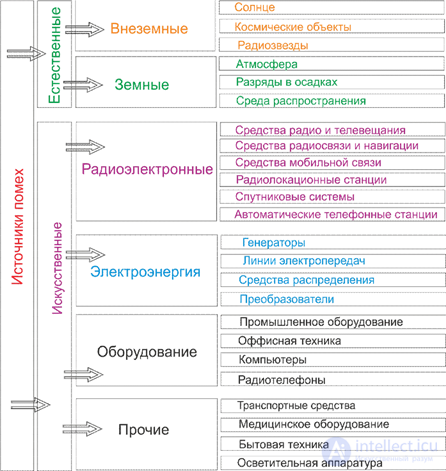
Figure 1.2 Classification of sources of electromagnetic interference
Extraterrestrial: caused by EM radiation from the Sun, planets of the solar system, stars, etc. Interference created by this radiation is especially significant for systems operating in the UHF, SHF, and higher-frequency bands.
Terrestrial: atmospheric interference and static discharges. Sources of atmospheric interference are electrical discharges during thunderstorms; the frequency spectrum of such interference is very wide, and it can propagate over long distances. In northern latitudes, interference from auroras occurs.
The accumulation of static charges in precipitation and their subsequent discharge on antenna elements, grounding, or nearby objects also leads to the occurrence of EM interference. Sources of artificial interference are not only radio equipment whose operating principle involves the radiation of electromagnetic energy, but also devices not intended for this purpose.
Interference affects various systems, radio equipment, devices, and elements, which can be defined by the generalized concept of an electromagnetic oscillation receptor.
Receptors of electromagnetic interference – all devices that change (reversibly or irreversibly) the values of their parameters under the influence of electromagnetic interference (Figure 1.3). Receptors of electromagnetic oscillations can be of natural and artificial origin. To natural receptors we can attribute humans, animals and their embryos, plants and their seeds.
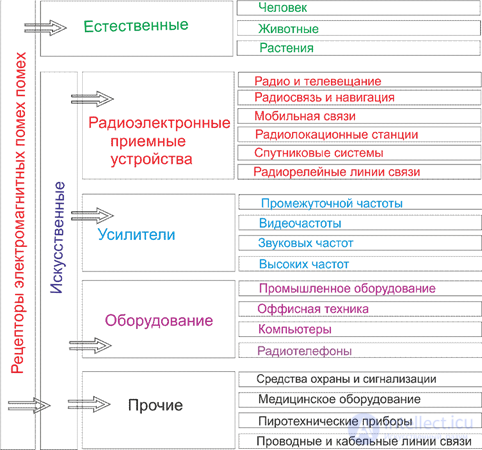
Figure 1.3 Classification of receptors of electromagnetic interference
Artificial receptors are divided into two groups:
The impact of interference on receptors can occur both through the antenna path (radio receivers) and due to induced pickup on various elements of radio equipment, through power and control circuits.

Comments