
Lecture
Get comfortable. Pour some tea. After reading this, you'll learn:
There's a lot of information, so let's get started.
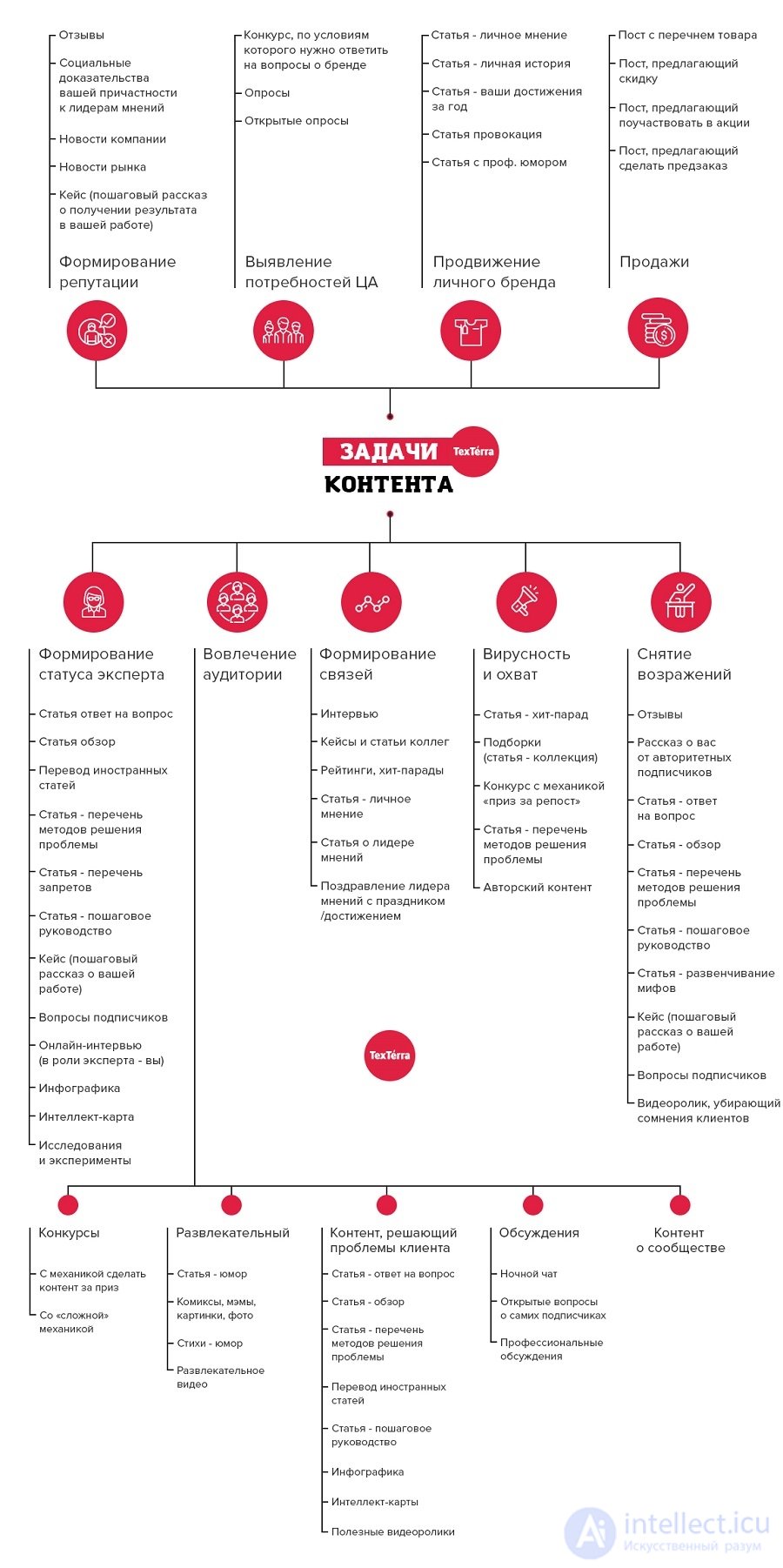
Its only purpose is sales. Ideally it makes up 10–15 % of the total volume of posts. Keep in mind that virtually any content sells, so posts about promotions and products shouldn't make up the bulk of it.
This includes: posts with features and price, videos describing and featuring new items, reviews and ways to use the product in practice.
For example, set a countdown: “4 hours left until the discount ends”. Launch targeted ads to the same audience with the same call to action to reinforce the effect.
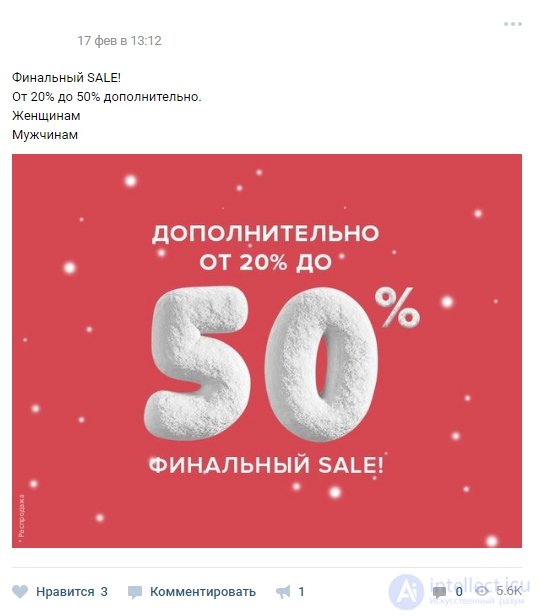
Same as a discount, but here you offer your own terms and benefits to the customer – “buy this and get a gift”. There are many options. The scale of the promotion depends on your capabilities.
Here we also use targeted ads with teasers: “this many days/hours left until the promotion ends”.
A promotional post works many times better if you prepare accompanying content beforehand: identifying needs and overcoming objections. More on this below.
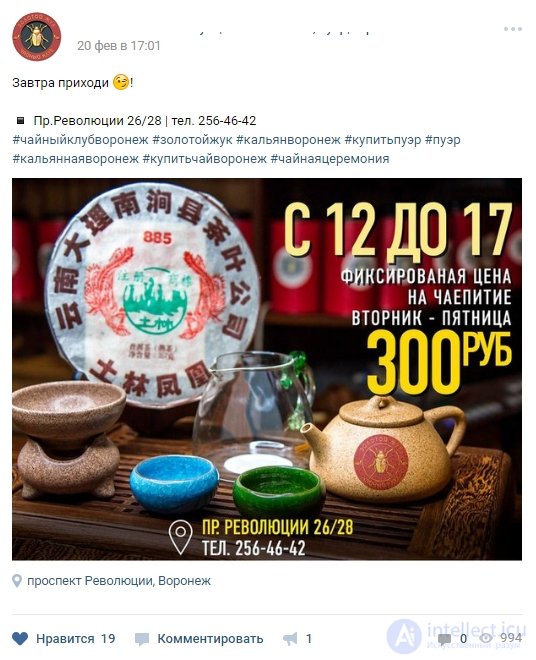
It looks like an ordinary sales post, but not quite. Let's split it into two types:
Do you think customers weigh a purchase down to the last detail? Think again. Often we buy something after reading a powerful story with an emotional appeal.
Here you clearly explain why it's worth buying right now. You show the benefits with numbers and specific facts.
Which type of motivation should you choose? It all depends on the audience. People who want to lose weight quickly respond better to emotion, while marketers love specifics. But there are exceptions everywhere.
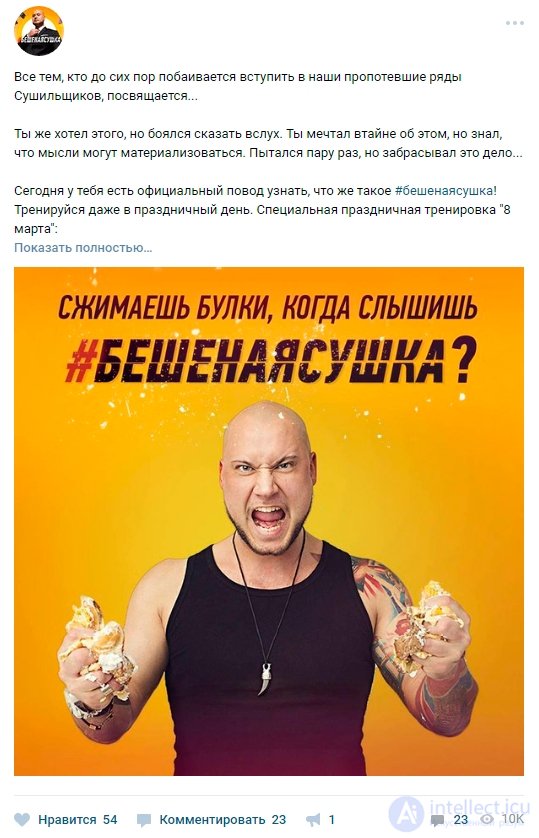
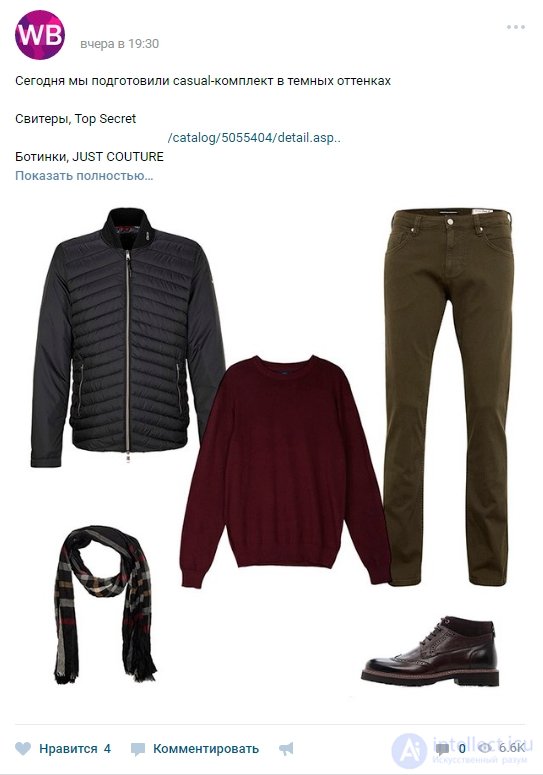
There are cases when sales content makes up more than 50 % of all posts, but inquiries still come in regularly. The product sells without likes, cats or a buzz in the comments.
It all depends on the value of the offer, the product itself and the specifics of the target audience. It's important to take this into account when developing a content plan.
Goal: study the needs and shape demand, learn about the audience's objections and fears.
If demand hasn't been shaped yet (people don't realise the problem or the value of the product), you'll need more posts to identify needs.
Three main formats work here:
This is the best option when a cold audience rarely shows up in the comments. You need to get them talking and engaged.
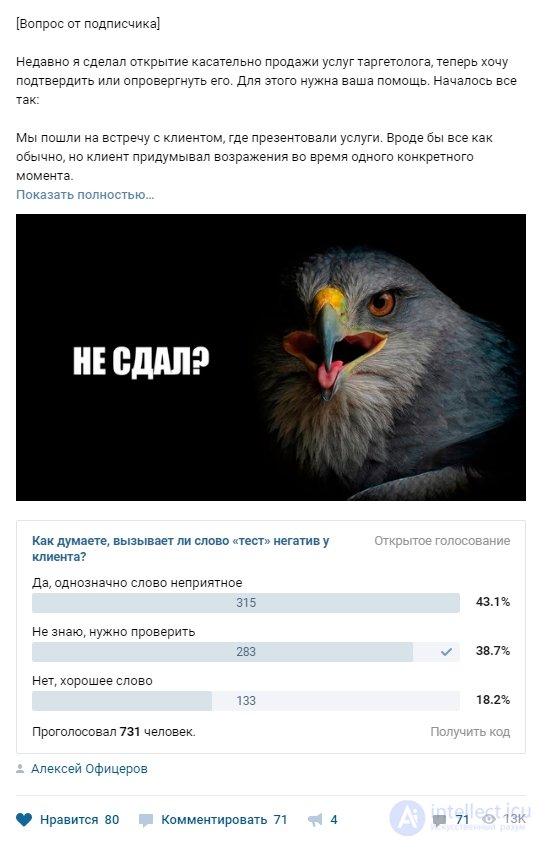
If new subscribers are still getting used to the community, post polls every day or every other day. Let them touch on the product's qualities directly or indirectly.
Don't use anonymous polls, because they're often gamed, and you can't see the participants.
How to run polls correctly for engagement:
Don't make it so the user can only answer yes or no. Make them think and get involved in the poll. To do this, use unusual answer options, or ask about an interesting topic.
How not to do it:
Do you like jeans? 1) Yes, 2) No.
Click “yes” – move on. That won't work.
How to do it right:
Which jeans go better with this green bag? Put photos of the products in the poll (create a presentation).
And here's another way:
Which movie character wore jeans like these? 1) The Terminator, 2) The Marlboro Man, 3) Dominic Toretto.
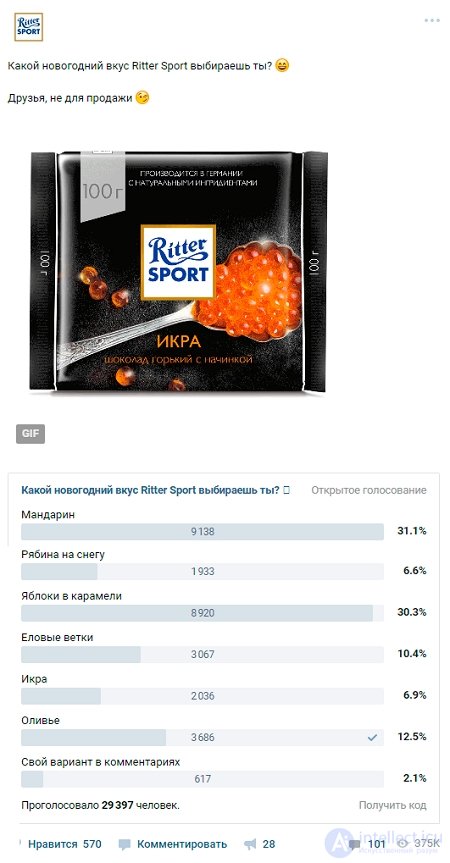
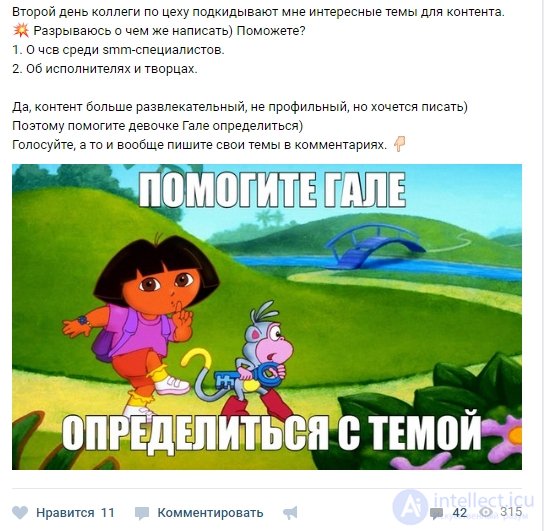
Ask open-ended questions when the audience is sufficiently warmed up and ready to engage. Examples:
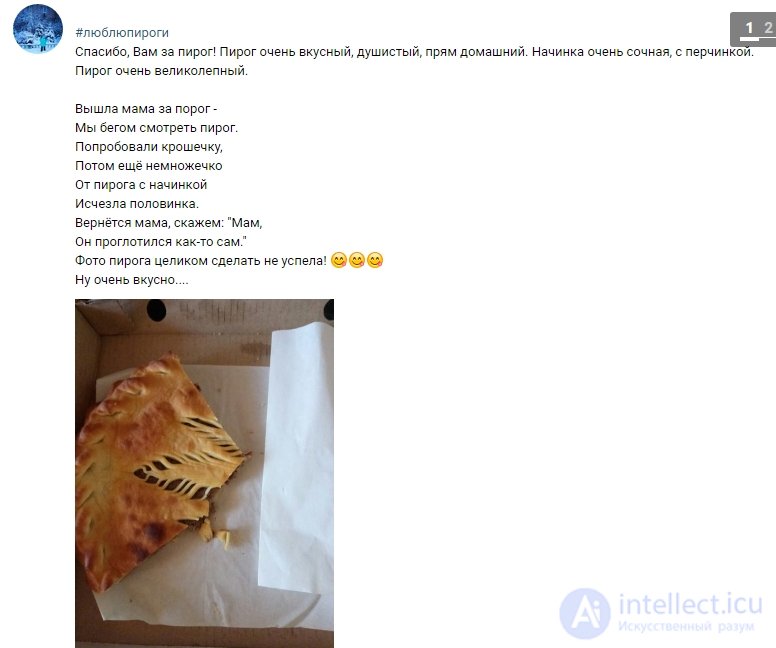
This tool not only identifies needs, but also generates reviews, and even triggers the customer's “self-persuasion” about how great the product is. How does that work? Let me explain.
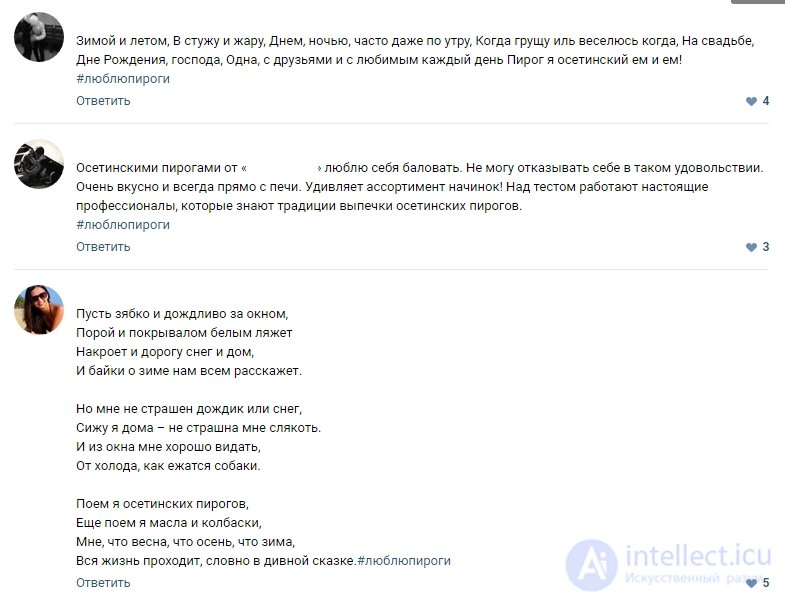
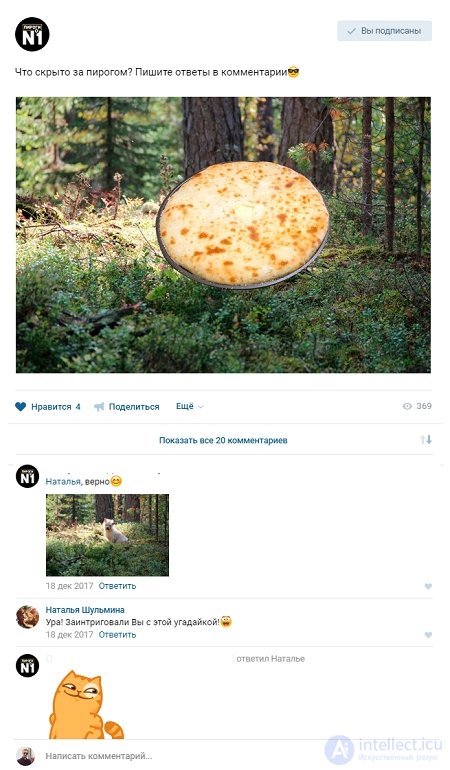
I ran a contest in a group that delivers Ossetian pies. We gave away 6 large pies (1.2 kg) for 3 prize places. Condition: “tell us why you love Ossetian pies from our bakery”.
As a result, we got dozens of poems and declarations of love for the pies from customers. Given that I didn't use any advertising, the result turned out quite decent. People convinced themselves that they loved the pies, and we got positive reviews.
Run promotions and sell products, but first identify needs using the methods described above.
Goal: warm up the audience, remove doubts, overcome objections and fears.
Most often we hesitate before buying something. What if it's cheaper somewhere else? What if the product is defective, who will refund the money? What if the product is bad for your health? There are many fears and objections. You need to close them.
Before buying, we often read reviews, including fake ones. But you need to get real ones.
Real reviews aren't a text with a smiling face and the signature “Denis – director of company 2gis”, but a genuine review with a link to the customer.
How do reviews work? Either there are very many of them and they prove the product's relevance by sheer number, or they're reviews from authorities and opinion leaders. For example:
Stories from authoritative sources
Were you or your company mentioned in the news, a fashion magazine or at a conference? This is the perfect time to turn it into a post. This kind of content not only overcomes objections, but also builds your reputation.

Create posts with answers to relevant questions. Explain why something is expensive or cheap, talk about features and guarantees. Compile a list of the audience's typical objections and build questions based on it. For example:
Articles or videos with product overviews – features, ways to use it, special features. This also overcomes objections.
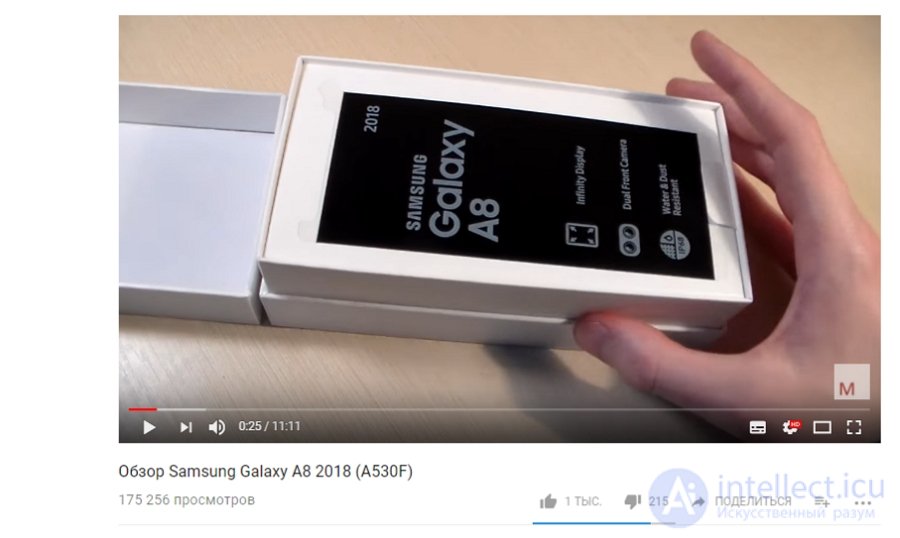
If your service solves a bunch of problems, use articles in the format: “top 5 reasons to order...”, or “top 5 solutions using...”. Examples:
If you sell a complex product, the customer has an objection: “what if I can't figure it out?” Write an article with a detailed guide for the user or shoot a video about how to use the product. Examples:
Debunk rumours and speculation about the product with special articles. Examples:
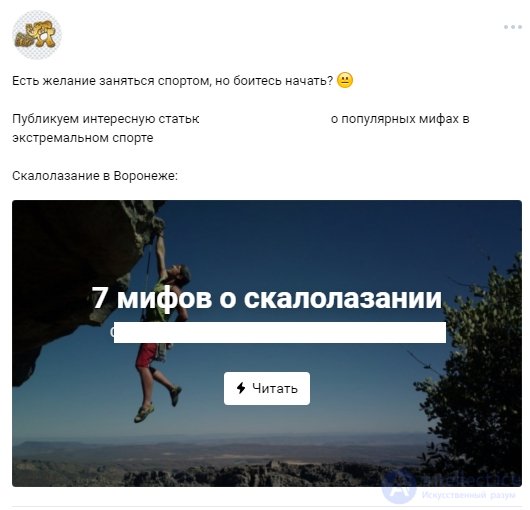
This type of content removes objections and negativity. For example, you're promoting an online service, and competitors say the mobile version is slow. This raises objections among potential customers. What do you do?
Instead of taking jabs at competitors, post a question from a subscriber in the group: “Is it true that the mobile version of the service isn't finished?” We answer it and remove the objection.
Shoot videos with answers to questions, interviews with the product's creators, test drives and reviews. This format also works well as a regular product presentation.
The secret weapon of any specialist or business – a step-by-step account of the work and results. Starring: you, the client, the product, the brief, the task, before/after, and an enthusiastic customer review.
Case studies are excellent at overcoming objections. It's universal content.
You don't need writing talent to write case studies, what matters is knowing the structure and the project's details.
Goal: engage and retain the audience, boost subscriber activity, increase the number of post views.
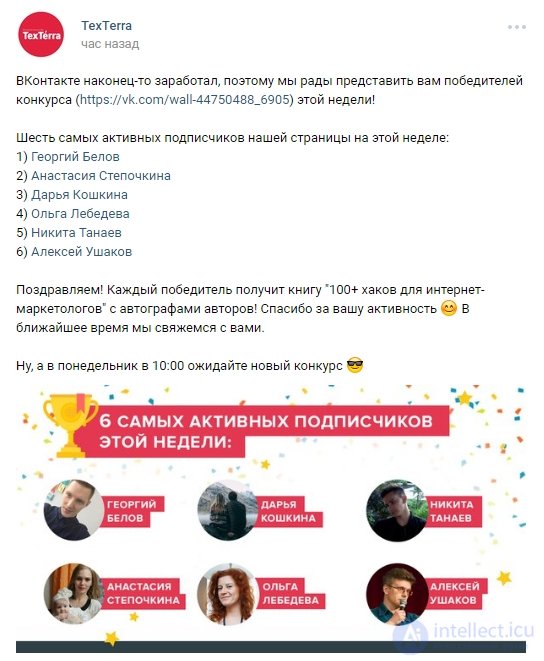
This is similar to my pie contest, but here your imagination has a bit more room to fly. You could run a photo contest, a children's drawing contest, a vote for the best story, a poetry battle.
Various competitions engage the audience and make people come back to the community to find out the result.
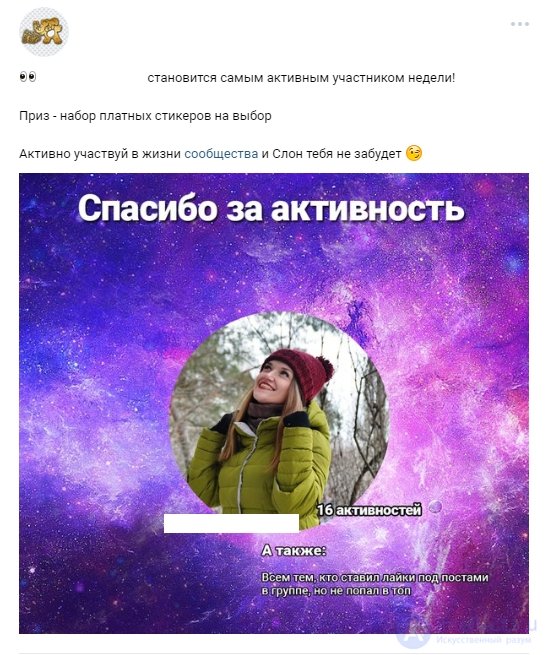
Encourage your audience and it will become more active. This works especially well when the prize arrives unexpectedly, with no warning. Imagine the situation:
“Today Olesya is picking up a pizza as a gift for her activity” – and everyone's like: “Wait, you could do that?”.

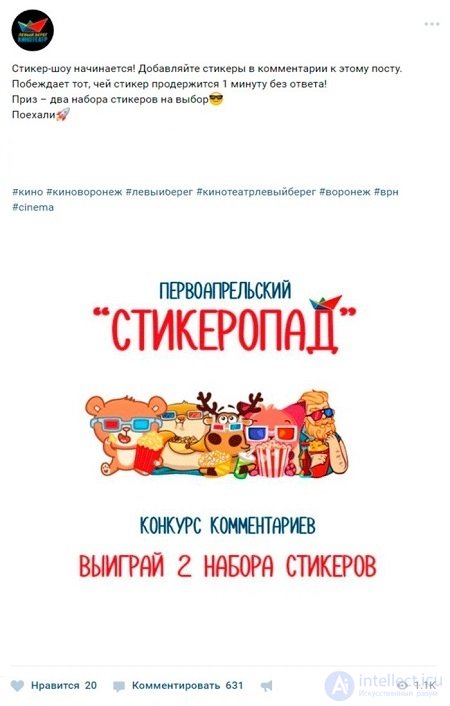
An interesting format. Post a contest on the wall with the condition: “whoever's comment stays on top for 10 minutes wins the prize”. Comments pour in like from a horn of plenty, the post gets reach and ranks better in the feed.
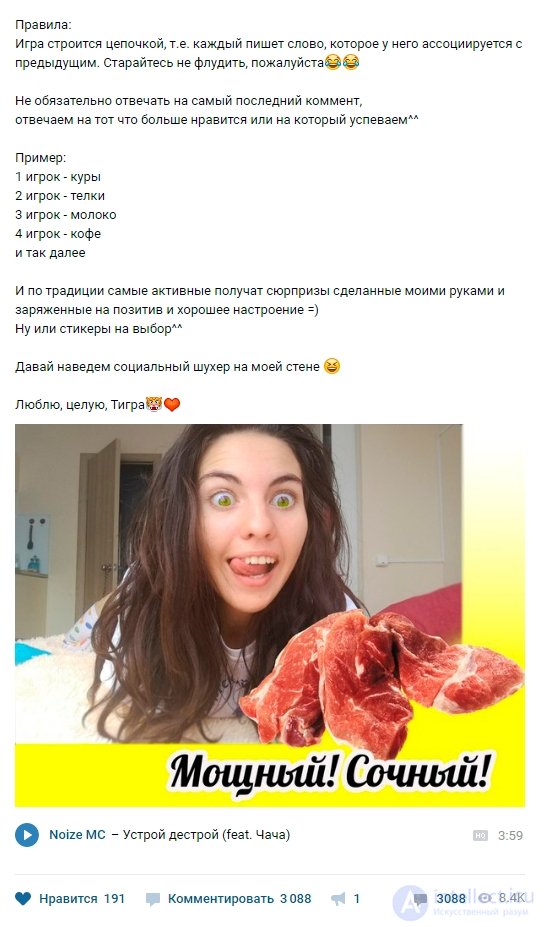
Here too you can give gifts to the most active. Rules: pick a word that's associated with the previous user's comment.
Many users come back to the post later to play again.
Fun engages people. What this includes:
This kind of content also falls into the “viral” category, which we'll discuss below.
I also recommend using arithmetic and logic problems tied to your niche. And hashtag challenges.
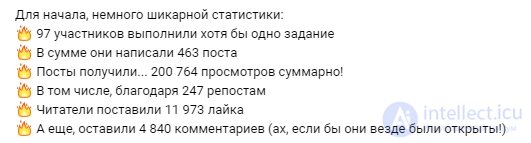
Launches like this are hard to pull off, but they gather colossal reach. People complete tasks with the hashtag, then use it to find other participants' entries, rate them and share opinions.
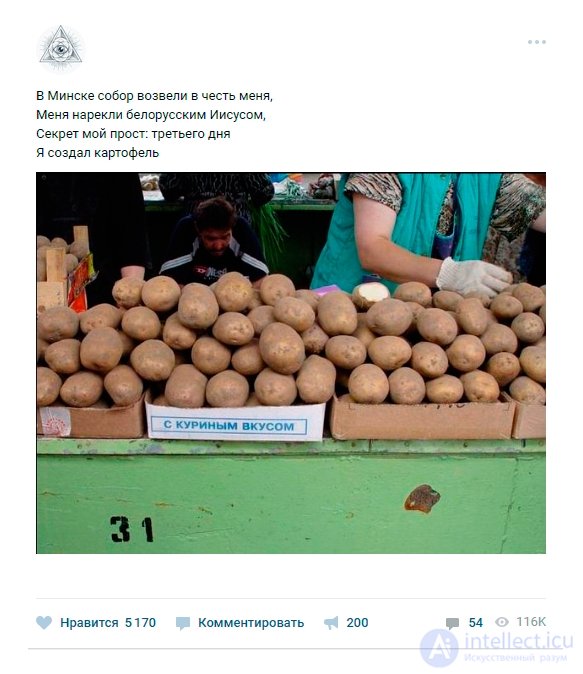
200 thousand views, 11 thousand likes – a pretty impressive result.
Discussing topical questions also engages subscribers well. These can be news hooks, professional discussions, open-ended questions about the subscribers themselves, like: “so what do you think about this?” This also includes various “chit-chats”, late-night chats or the “share a photo” format.
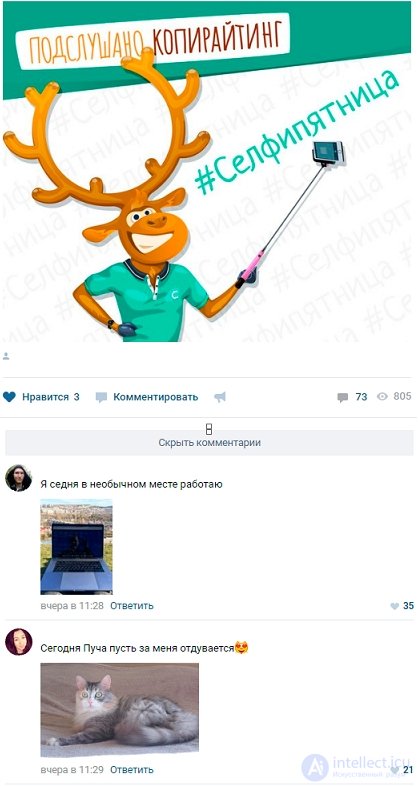
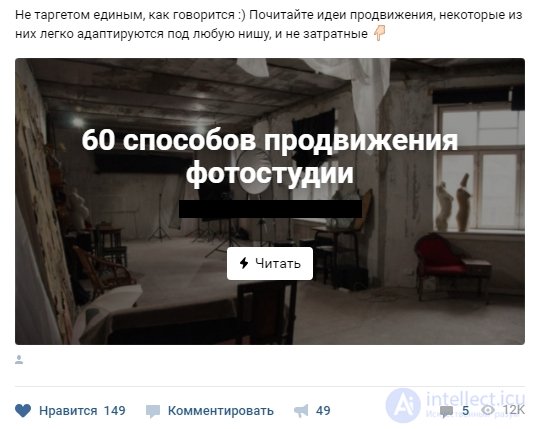
Participants collect likes under their photos and enjoy the interaction.
Goal: infect the audience with a reposting epidemic, increase reach and brand awareness.
Perhaps nothing spreads information about a product like a mountain of reposts and likes. And in general, going viral is fun.
Materials like this collect a lot of reposts thanks to their structure. The target audience sees a roundup of things that matter to them in one place, for example: “10 best shashlik recipes”. The result is high-value content – everything in one place. People repost it so as not to lose it, or to read later.

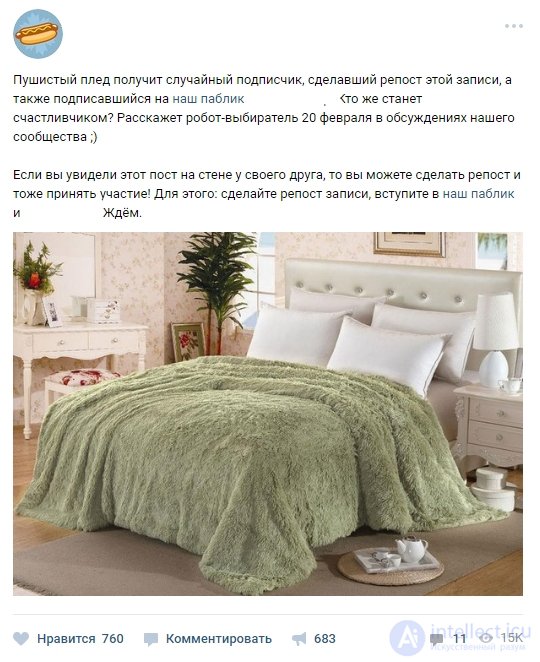
I don't think this needs explaining. Just a contest with the mechanic “prize for a repost”.

Something like a roundup, but a bit more practical. Tips that a person applies right now to solve a problem. Examples:
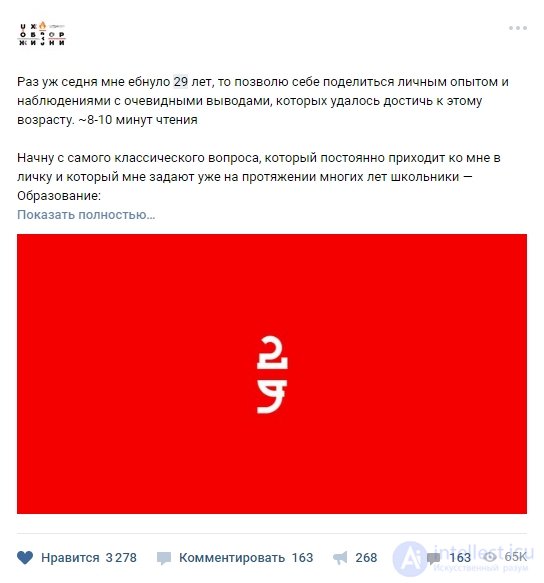
When an author is popular, their content spreads among community members. In this case, the source's authority charges the posts with “virality”. Or they simply wrote something masterful.
Goal: build the reputation of the product and brand, fight negativity.
Bad reviews, angry competitors, bad reviews from angry competitors – all of this affects a business's reputation. To win trust, you need to create special content.
This includes positive reviews and case studies, mentioned earlier. What else?
These posts may look a bit boring, but they show that the company keeps track of trends and is up to date on everything new in the niche.
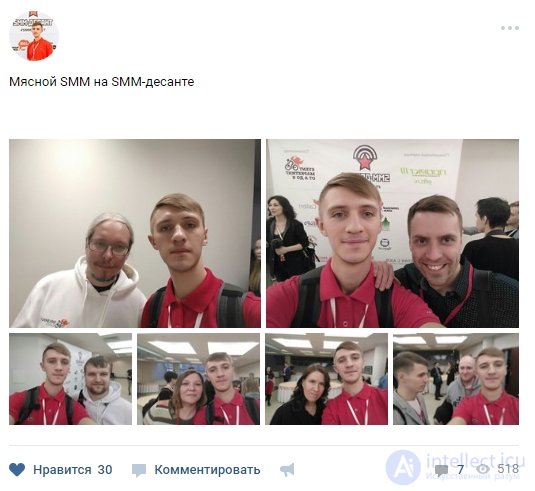
Speaking at a conference with great speakers? Post a photo with them, don't be shy. This builds reputation excellently. Talk about how the event went, tag the speakers in the post text and thank them for their talk.
Goal: establish expert status.
Now this deserves your attention. Establishing expert status gives a business and a professional online plenty of advantages.
Right away let's include answers to questions, overviews, guides, guidance, helping subscribers, case studies – we covered all of this above. This kind of content is made on behalf of the expert. That is, a video review, but now with the specialist present. Answers to subscribers' questions are given by the expert from their personal page.
Text and video interviews, podcasts featuring you build your expertise. Even if the questions aren't specifically related to your business.
An expert talks about what not to do in the profession. Examples:
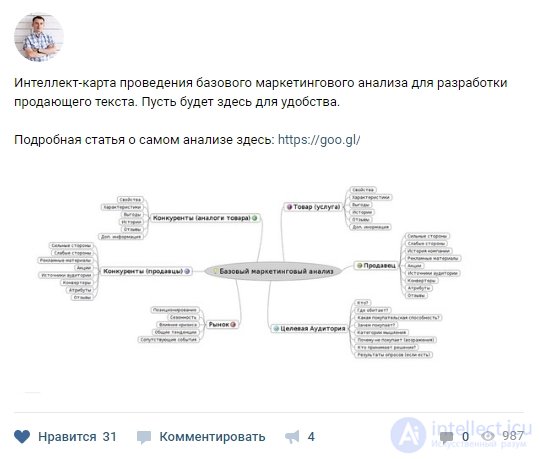
These are useful materials from an expert, which they gift to their subscribers. Things like this systematise knowledge and solve problems.
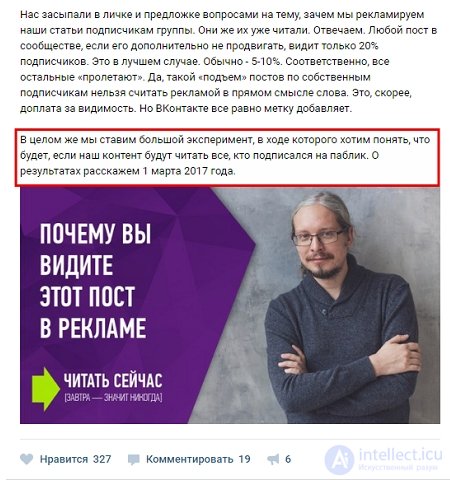
This kind of content is rarely used, and that's a shame. Who runs experiments in their niche? That's right, you're thinking correctly. Experts do.
Personal research builds expert status regardless of the outcome. Plus it reveals new tools and possible mistakes.
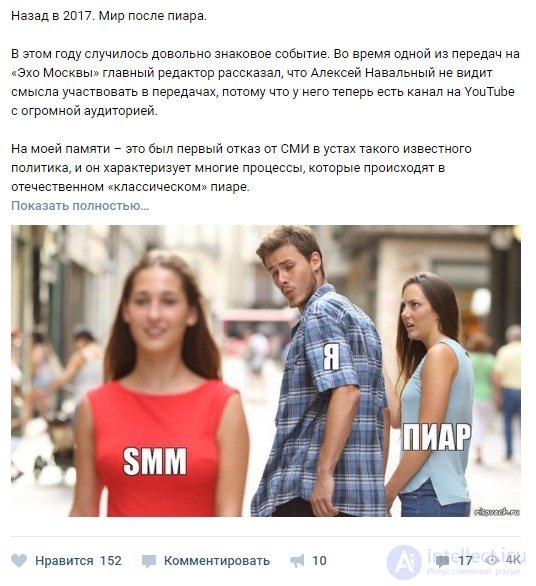
Goal: useful contacts, finding partners and like-minded people.
Connections help in any business. When Trump's kids become SMM specialists, they'll get plenty of clients just from the connections they've built. Interviews build connections excellently, but there's something else too:
Look for good articles and case studies by colleagues, publish them on your platform with a link to the author. Write your opinion about the work, criticise appropriately, suggest what could be added to make the material better.
Get yourself featured in ratings. “Best marketing authors of 2018”, “10 best milk producers”, “10 best business apps”. Or put together your own rating, include opinion leaders in it and post it in the group.
Share your personal opinion on some issue in the niche. Here you can discuss market news, laws affecting the business, competitors' creative moves and much more.
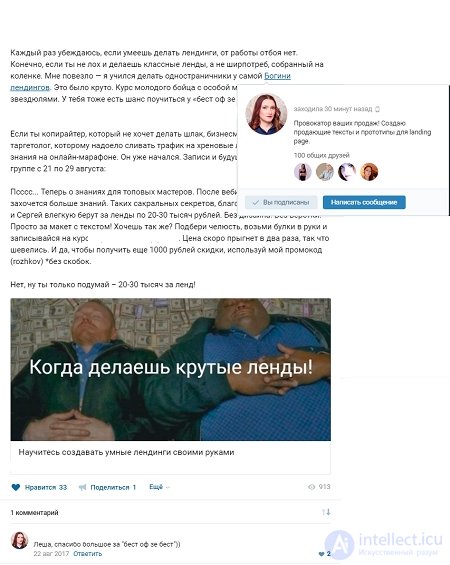
Write about an opinion leader, thank them for their contribution to developing the niche, find out their point of view on a certain question or ask for advice.
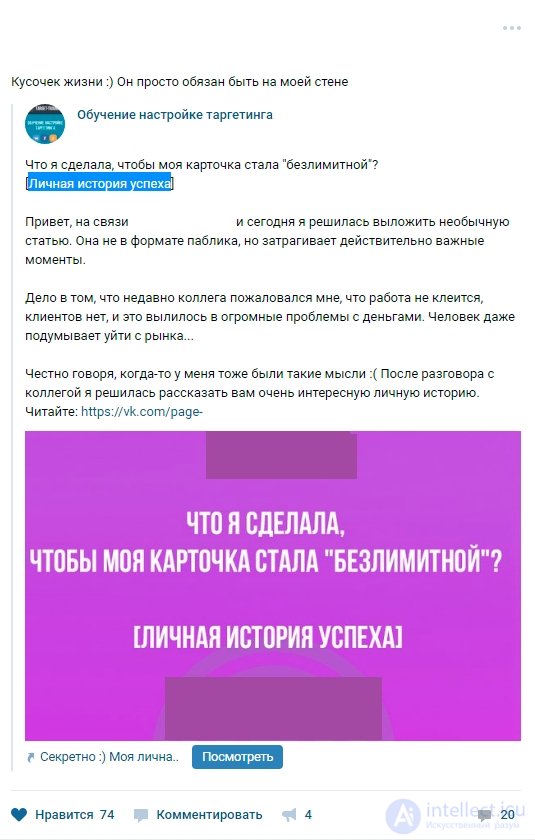
Congratulate an opinion leader on their birthday or on releasing a new book. Sincere congratulations are a magical thing.
There are more and more personal brands. It's no longer just b2b or b2c. People want to buy from people, not from corporations, which means it's time to think about building yours up.
A personal story promotes quickly, even if nobody had heard of you before. People love stories, especially ones with a happy ending. Write about how bad things were, and then how there was a sharp rise. A fall and a rise. A “Cinderella story”.
If you don't have case studies or a portfolio, write a personal story.
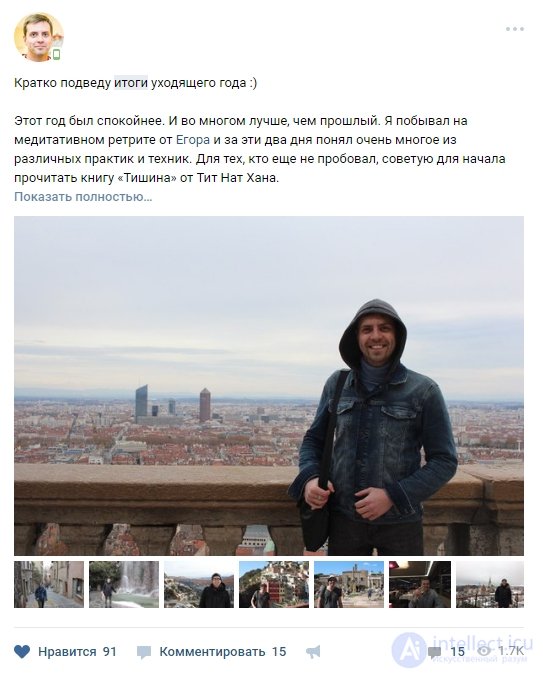
A pretty popular topic these days. The author writes about what they managed to achieve in a year, what discoveries happened, how everything changed, what inspired them and what disappointed them. This kind of content shows progress not only to readers, but to you personally too, and that's doubly important. After that you can set goals for the next year.
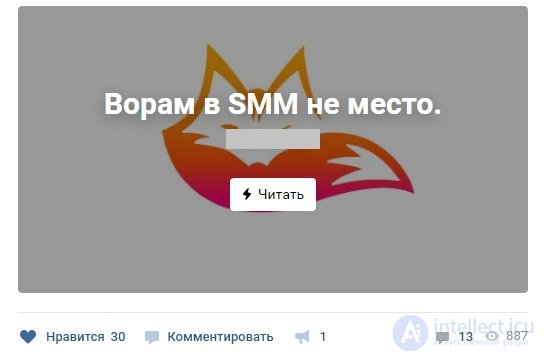
The main thing here is not to overdo it. Provocation stirs up the comments. Heated debates don't die down, while you gain popularity. But the key is to provoke carefully, so as not to damage your reputation. Examples:
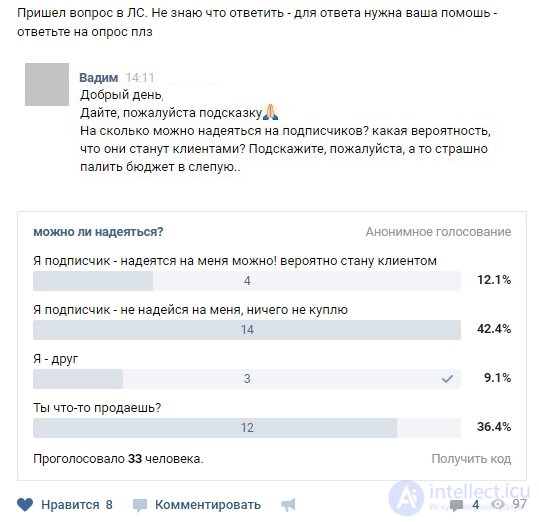
Do people consider you a marketing god or the queen of landing pages? Joke about it.
Come across a funny banner from your niche or a new wonder-logo by Lebedev? Post it – let's have a laugh together.
Well, finally – the end. “You should have written a book instead, Alexey” – you'll say. Agreed, there's still plenty more to say and add about content. But I'm kind of tired, so here, take a mind map of content tasks.
It will help you put together a content plan for your business, understand the goals of each publication, and advise your client on tasks. Good luck: here's the link to download the map.
By the way, you can reach out to TexTerra about social media promotion. We work for results: subscriber activity, traffic from social media, brand mentions and more.

Comments