
Lecture
Ways to warm up your audience on social media that will help boost engagement and prepare your audience for sales or other target actions:
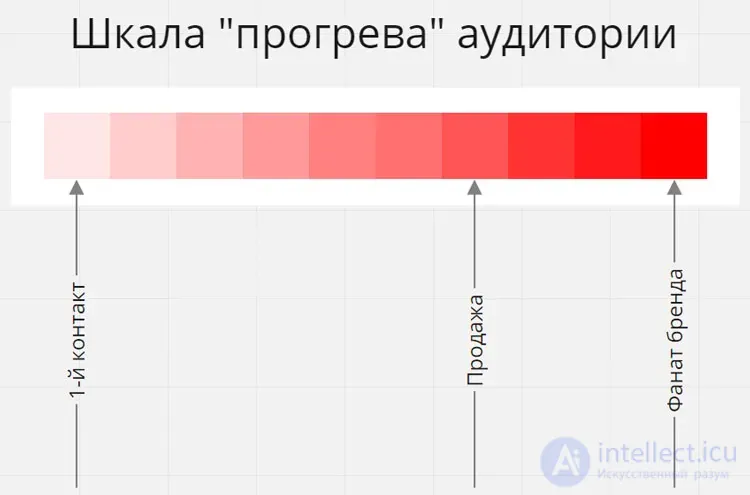
Publish useful posts on a regular schedule. Consistency builds trust. The key to holding your audience’s attention — is stability. When you publish content regularly (for example, every day or at set intervals), followers get used to your presence and start expecting new content. This helps build trust and maintain engagement. It’s important not just to post often, but also to keep an eye on the quality of your posts. Use a content plan to map out topics and formats in advance that will interest your audience.
Share personal stories that evoke emotion and demonstrate your expertise. People tend to trust those they perceive as “real” and relatable. Tell personal stories about your journey, your mistakes and your successes. This helps build an emotional connection with your audience and shows that real people stand behind the brand or business. Personal stories can be about more than just your professional life — everyday moments, family events or hobbies — something your followers can relate to.
Ask open-ended questions or run polls in Stories and posts to draw people into a dialogue. People love being asked their opinion. It’s a simple but very effective way to engage an audience. Questions can relate to your product or to broader topics that interest your target audience. For example: “Which clothing style do you prefer?” or “What do you think of our new design?” Polls and questions encourage followers to actively participate and show that you value their opinion.
Regular live streams let you build live communication and create a sense of direct interaction. Live streams — are a unique opportunity to engage with your audience in real time. They create a feeling of live communication and help showcase your expertise or personality in a more authentic format. During a live stream you can answer followers’ questions, share insider details or run master classes. It’s also a chance to show off the “live” product or process, which strengthens trust.
Offer your followers useful materials in exchange for a subscription or an action, to spark their interest. One of the best ways to give your audience value while warming them up at the same time — is to offer useful materials. Checklists and guides help followers solve specific problems or improve their skills. For example, if you offer self-development courses, you could share a checklist with steps for boosting productivity. This kind of content can be distributed through posts as well as through a newsletter subscription, which strengthens your status as an expert and stokes interest.
Show the "behind the scenes" of your work or your product creation process. People love seeing how something is made or happens "behind the scenes". This could be your product’s production process, preparation for an event, or just an ordinary day for your team. By showing this process, you bring the brand closer to your audience and make it more transparent and human. Behind-the-scenes content adds a sense of uniqueness and exclusivity, because followers feel they’re seeing something hidden from everyone else.
Create several recurring segments (for example, "Monday Tips" or "Customer Success Stories"). Create several recurring segments that come out on specific days of the week or month. This could be a segment with life hacks, expert advice, answers to questions, industry news, and so on. Recurring segments create an expectation in your audience that interesting information will appear on a certain day, motivating them to come back to your content. For example, “Sales tips every Thursday” or “Seasonal trends every Monday”.
Run contests with appealing prizes so your audience interacts with you more actively. Contests and giveaways always grab attention and drive activity on social media. You can ask followers to complete a simple task (for example, leaving a comment, sharing a repost, tagging friends) to enter the giveaway. This helps increase reach, attracts new followers and re-engages those who are already subscribed. Prizes should be relevant to your audience to sustain interest in your product or service.
Encourage your audience to share their own photos or videos with your product using hashtags. Encourage followers to create content related to your brand, product or service. For example, ask them to share photos or videos featuring your product and tag you in the posts. This not only engages users but also creates social proof: when other people see someone using your product, it boosts trust and drives purchases. You can launch a campaign or a hashtag tied to your brand to gather more UGC.
Publish posts and Stories answering the most frequently asked questions from your audience. Publish posts or Stories where you answer your audience’s most common questions. This could be a Q&A format in Stories or a full post with explanations. This kind of content helps ease doubts among potential customers, demonstrates your readiness for dialogue and problem-solving. It’s also a useful way to show your expertise and highlight attention to your audience’s needs.
Share unique "secrets" and useful tips, or give out life hacks related to your industry or product. Followers value practical information that helps solve their problems or make their lives easier. Posts like this are perceived as valuable content rather than advertising, which builds trust. For example, if you sell cosmetics, share skincare life hacks or makeup secrets. This will reinforce your position as an expert in your niche.
Ask followers what they think about specific questions or proposals (for example, about a new product). Run polls asking your audience for their opinion on various topics. These can be questions about your product or broader topics that interest your target audience. Polls help people feel that their opinion matters and create a sense of involvement in the brand’s life. For example, “Which colour would you choose for our new product?” or “Which feature do you like most?”. You can use the responses to improve your offering.
Stories using interactive elements such as polls, quizzes, question stickers or voting work great for engagement. People love interacting, especially when it’s quick and simple. You could, for example, ask whether they like a particular product, or offer a choice between two options. Stories like this not only boost engagement but also show that you’re actively communicating with your audience.
Emotions play a key role in decision-making and in building attachment to a brand. Publish content that evokes strong emotions (happiness, surprise, nostalgia, and so on). For example, inspiring quotes, touching customer stories or funny moments can help you build a deeper connection with your audience. It’s important to choose emotions that match your brand’s values and your audience’s interests.
Collaborations with influencers or bloggers who already have a loyal audience — are a great way to expand your reach and boost trust in your brand. Work with influencers to attract a new audience and build trust through recommendations. Choose bloggers whose audience matches your target audience. Joint posts, Stories, live streams or even joint contests can help attract new followers and also strengthen your reputation through referral marketing.
Warm up interest in a new product or service ahead of time. Announce new products or events, warming up your audience’s interest. You can build intrigue by announcing the launch of a new product or service several weeks or days before release. Make small teasers, show glimpses of the product, talk about its features, but don’t reveal all the details at once. This sparks curiosity in your audience and builds anticipation. People start looking forward to it, and interest in your page grows.
One effective way to warm up your audience — is to offer exclusive promotions or discounts only to your social media followers. Make exclusive offers only for social media followers so they feel special. This could be a limited-time offer or a secret promo code. Offers like this make your audience more loyal, because they feel they’re getting something special that others don’t have. It also encourages people to keep up with your updates and be more active.
Quizzes or tests — are a great way to entertain your audience while also delivering useful information. Offer quizzes or tests that can entertain and educate at the same time. They can relate to your products, your niche, or simply to your audience’s interests. For example, if you’re in the fitness business, make a quiz on the topic “Which type of workout suits you?”. People enjoy taking quizzes, especially if they learn something new about themselves. It also helps spread your content if people want to share their results.
Reviews — are powerful social proof. Post reviews from your satisfied customers, especially if they describe specific results from using your product or service. This boosts trust and motivates others to buy. It helps dispel doubts among new followers and strengthens trust in your brand. It’s important that reviews be genuine and honest. You can publish them as posts, Stories, or even create a separate segment dedicated to reviews.
Show your customers’ success stories with your product or service. Tell your customers’ stories — how they found you, how your product helped them, what results they got. This helps make your brand more human and relatable to your audience. Customer stories let potential buyers picture themselves in these people’s place and feel that they too can get the same results. These stories can be published as interviews, case studies or video testimonials.
This is one of the most effective formats for showing the real result of using your product or service. Show the results of using your products in a "before and after" format. People love seeing change, especially when it’s impressive. For example, if you sell cosmetic products, show before-and-after photos of using the product to highlight its effectiveness. For trainers, this could be a client’s body transformation after a training course. It’s important that such images or stories be realistic and truthful, or it could undermine trust.
Share screenshots of positive reviews from private messages (with the customer’s consent). Show your correspondence with customers (naturally, with their permission). Screenshots of positive reviews or thank-you messages received through direct messages demonstrate real user experience and confirm the quality of your products or services. This creates an effect of trust and shows that you actively engage with your customers. Content like this looks authentic and gives your audience a sense of reality and transparency in your relationships with customers.
Case studies — are detailed stories about how your product or service helped solve a customer’s specific problem. Talk about real examples of using your products or services. Case studies should be detailed, describing the starting situation, the problem, your solution and the final result. They help demonstrate expertise and professionalism. You can use case studies to promote complex or expensive products where the audience needs proof of their effectiveness. For example, you could show how your marketing promotion service helped increase sales by 50%.
Publish interesting and important data about your niche or product. People love seeing concrete data, especially when it relates to successes or achievements. Publishing numbers and statistics helps you look more professional and trustworthy. For example, share data on the number of products sold, the percentage of satisfied customers, or the successes of your projects. You can also publish industry data that interests your audience. For example: “70% of people prefer shopping online” or “Our product helps cut task completion time by 30%”.
Talk about the most common mistakes people make in your niche and how to avoid them. Share common mistakes people make in your niche and explain how to avoid them. This kind of content is valuable because it helps your audience avoid problems and learn from others’ mistakes. You can talk about how to fix incorrect use of a product, or how to avoid mistakes when choosing a service. This approach shows that you care about your followers and gives them extra value. For example, if you sell fitness programmes, talk about mistakes in exercise technique.
Humour — is a great way to grab attention and make your content lighter and more memorable. Sometimes humour works great for warming up an audience, especially if it fits your target audience. Memes and funny posts help entertain your audience and can also be used to highlight the features of your niche or product. The main thing — is not to overdo it, humour should be appropriate and match your audience. Memes about your customers’ everyday situations tend to work well. For example, if you sell IT services, memes about programmers’ problems could really “land”.
Offer time-limited discounts or promo codes to your followers. Offer promo codes and discounts exclusively to social media followers. This motivates people to keep up with your updates and stay active. Promotions like this can be run for a limited period to create a sense of urgency and encourage quick action. Promo codes can be tied to special dates or company anniversaries. For example, run a promotion “10% off everything in honour of our anniversary, for Instagram followers only!”.
Run secret sales available only to your social media followers. Create a sense of exclusivity and community by running "secret sales" for followers. These could be closed sales via special links or special discounts that you announce only on social media. Limiting the time or quantity of items also heightens the sense of urgency, which pushes people toward buying. Followers love feeling “inside” the community and getting special conditions unavailable to everyone else.
Ask followers to share their experience using your product. Ask your followers to give feedback. This could be a form in Stories, comments under a post, or even larger surveys. It’s important that your audience feels that their opinion is genuinely taken into account. For example, you could ask what improvements they’d like to see in your product, or offer them a choice of new packaging colour. This shows that your audience’s opinion matters to you and helps build closer relationships. People love participating in the brand’s life, especially when their opinion influences changes.
Create challenges in which followers will take part and share their results. Launch a challenge that encourages your followers to participate and create content. Challenges work especially well on Instagram and TikTok, where people actively share their results. You can create a challenge tied to your niche and invite people to share their results with your hashtag. For example, if you sell fitness programmes, the challenge could involve doing exercises or reaching fitness goals. This not only engages people in active interaction with your content but also helps spread your brand through user-generated content.
31. Interview with a follower
An interview with a follower — is a great opportunity to build a deeper connection with your audience. Here's how to organise an interview and use it as effectively as possible to warm up your audience:
Choosing a follower
Find an active follower who already engages with your content or leaves positive reviews. This could be a customer who got good results from using your product or service, or simply a devoted fan of the brand. Their experience should be interesting and useful for your other followers.
Interview format
The interview can be done in different formats:
Social proof: When your followers see that other people like them are benefiting from your product, it creates social proof. People tend to trust other customers' opinions more than advertising.
Emotional connection: Real people's stories evoke an emotional response and help your audience identify with other users of your product. This creates a sense of community.
Insights and feedback: You can gain valuable insights into how your product is used and how it can be improved. This will also help you better understand your audience's needs.
Choosing a follower: Choose a follower who actively engages with your content or already uses your product. This could be someone who left a positive review or shared their experience in the comments.
Preparing questions: Prepare a list of questions you want to ask in advance. Questions could include the following:
Interview format: Choose the format the interview will take. This could be a text interview, video, audio recording or even a live stream. The choice of format depends on your preferences and the follower's preferences.
Recording and editing: Record the interview so you can use it later to create content. If it's a text interview, you can edit it for greater clarity and conciseness.
Publishing: Publish the interview on your social media platforms. Make sure you tag the follower so they can share the interview with their own audience. This can help you attract new followers and build trust in your brand.
Feedback: Ask the follower to give feedback on how the interview went and what they think about your product. This will help you improve the process and become more attuned to your audience's needs.
Text post: “Today we're happy to introduce [Follower's name], who is sharing their experience using our product! [Include interesting quotes and stories].”
Video post: “Check out our interview with [Follower's name], who talks about how our product helped them reach their goals!”
Stories: Create a series of Stories with questions and answers, including short video clips from the follower.
An interview with a follower — is a great way not only to create content that will interest your audience, but also to strengthen relationships with customers. This approach lets you not only gather feedback, but also show that you value your customers and are willing to share their stories.
These strategies help you stay connected with your audience, build active engagement and strengthen trust. Warming up your audience through approaches like these also builds loyal followers who are more likely to become your customers. They'll help you sustain interest in your brand and increase engagement on social media, which in turn will help build trust and audience loyalty.

Comments