
Lecture
research, acquiring a new customer costs 5–7 times more than retaining an existing one. In addition, loyal customers generate on average 67% more profit than new ones. This makes retention marketing a key element of a successful business, especially in e-commerce, SaaS, mobile apps, and subscription services.
Personalized offers tailored to a customer's interests and behavior increase the likelihood of repeat purchases. Segmenting the audience by data (age, location, purchase history, activity) makes it possible to offer relevant products and services. Personalization and segmentation — personalized offers tailored to a customer's interests and behavior increase the likelihood of repeat purchases. Segmenting the audience by data (age, location, purchase history, activity) makes it possible to offer relevant products and services. Loyalty programs — bonuses, discounts, and exclusive offers for repeat purchases and activity build brand commitment. Gamification — game elements (points, levels, rewards) increase customer engagement. Omnichannel interaction — providing a consistent experience across all channels (online store, social media, mobile app, offline locations) creates convenience and strengthens the connection with the brand. Quality support — prompt problem resolution, polite communication, and proactive assistance increase customer trust. Automated communications — email, push notifications, and chatbots remind customers of the brand and inform them about new products and personalized offers. Content marketing — useful articles, videos, and guides build the brand's expertise and increase engagement. Improved user experience — a convenient interface, fast site loading, and a clear purchasing process minimize barriers for the customer. Analysis and optimization — continuously studying customer data and adjusting strategies improves the effectiveness of retention marketing.
Bonus systems, cashback, tiered privileges, and exclusive offers create motivation for regular purchases. A well-designed loyalty program helps increase a customer's LTV (Lifetime Value). Loyalty programs — bonuses, discounts, and exclusive offers for repeat purchases and activity build brand commitment. Gamification — game elements (points, levels, rewards) increase customer engagement. Omnichannel interaction — providing a consistent experience across all channels (online store, social media, mobile app, offline locations) creates convenience and strengthens the connection with the brand. Quality support — prompt problem resolution, polite communication, and proactive assistance increase customer trust. Automated communications — email, push notifications, and chatbots remind customers of the brand and inform them about new products and personalized offers. Content marketing — useful articles, videos, and guides build the brand's expertise and increase engagement. Improved user experience — a convenient interface, fast site loading, and a clear purchasing process minimize barriers for the customer. Analysis and optimization — continuously studying customer data and adjusting strategies improves the effectiveness of retention marketing.
Using CRM and email marketing systems (for example, automated mailings, abandoned cart reminders, personalized recommendations) helps maintain contact with the customer throughout their entire journey. Marketing automation — using technology to simplify and optimize customer interaction. Automated email campaigns, push notifications, and chatbots make it possible to promptly remind customers of the brand, offer personalized recommendations, and retain the audience. CRM systems help track customer behavior, analyze their preferences, and build a communication strategy. Trigger-based mailings based on user actions (such as an abandoned cart or a repeat purchase) increase conversion and engagement. Omnichannel platforms provide a consistent user experience across all touchpoints, improving communication convenience. Gamification — game elements (points, levels, rewards) increase customer engagement. Quality support — prompt problem resolution, polite communication, and proactive assistance increase customer trust. Content marketing — useful articles, videos, and guides build the brand's expertise and increase engagement. Improved user experience — a convenient interface, fast site loading, and a clear purchasing process minimize barriers for the customer. Analysis and optimization — continuously studying customer data and adjusting strategies improves the effectiveness of retention marketing.
Fast response to customer requests, convenient communication channels, and proactive support increase satisfaction and create a positive user experience. Quality service and support — prompt problem resolution, attentive treatment, and proactive assistance increase customer trust and encourage them to return. Availability of support through various channels (chat, email, phone, social media) provides convenience of interaction. Quick responses and an individual approach to each customer help increase satisfaction. Self-service through knowledge bases, FAQs, and bots reduces waiting time and makes it easier to find information. Feedback programs make it possible to identify problems and improve service quality. Omnichannel solutions create a consistent interaction experience, and personalized recommendations make the service more useful. Automated communications — email, push notifications, promotional reminders, and personalized offers keep customers' attention. Content marketing — useful articles, videos, and guides build the brand's expertise and increase engagement. Improved user experience — a convenient interface, fast site loading, and a clear purchasing process minimize barriers for the customer. Analysis and optimization — continuously studying customer data and adjusting strategies improves the effectiveness of retention marketing.
Useful and educational content (blogs, videos, guides) builds trust and increases the brand's value in customers' eyes. Regular interaction with the audience through social media and email campaigns maintains interest and encourages engagement. Content marketing — creating and distributing useful, valuable, and relevant content that builds trust in the brand, increases engagement, and retains customers. Educational articles, guides, video tutorials, and webinars help users better understand the product and its benefits. Success stories, case studies, and customer testimonials strengthen reputation and demonstrate the value of the offer. Content gamification (quizzes, challenges, interactive elements) increases engagement. Regular email campaigns with useful materials, push notifications, and social media posts remind customers of the brand and motivate them to return. Personalized content, tailored to users' interests and behavior, strengthens their loyalty. An omnichannel strategy provides access to content across different platforms, creating a consistent user experience. Marketing automation helps efficiently distribute content to the audience at the right moment. Improved user experience — a convenient interface, fast site loading, and a logical content structure make interaction comfortable. Analysis and optimization — tracking engagement metrics and adjusting strategy improve the effectiveness of content marketing in retaining customers.
Analyzing reviews, promptly resolving problems, and implementing improvements based on user experience help minimize negativity and increase the likelihood of repeat purchases. Working with reviews and feedback — actively engaging with customers through their comments, ratings, and suggestions, which helps build trust, improve service, and retain the audience. Prompt responses to reviews demonstrate attention to customers and increase their loyalty. Handling negative reviews — an important retention tool that makes it possible to resolve problems and prevent customer churn. Collecting feedback through surveys, forms, and analysis of user behavior helps identify weak points and improve the product or services. Publishing positive reviews, case studies, and success stories increases trust in the brand. Automated review requests after purchase motivate customers to share their experience. Integrating reviews into marketing materials (landing pages, email campaigns, social media) strengthens the impact of recommendations. Improving the user experience based on feedback makes the service more convenient and appealing. Content marketing that addresses common questions and problems helps customers find solutions on their own. Analysis and optimization of reviews make it possible to identify trends and adjust the customer interaction strategy to increase satisfaction.
Incorporating game mechanics (challenges, competitions, point accumulation) increases customer engagement and makes interacting with the brand more interesting. Gamification — introducing game mechanics to increase customer engagement and retention. Rewards, points, levels, and achievements motivate users to take targeted actions, creating additional value from interaction with the brand. Loyalty programs with game elements (accumulating points, quests, bonus tasks) make the purchasing process engaging. Contests, challenges, and leaderboards stimulate audience activity and increase interest in the product. Interactive mechanics, such as wheels of fortune, quizzes, and puzzles, strengthen engagement and hold customers' attention. Personalized rewards and bonuses for activity create a sense of exclusivity. Gamification in training helps users better master the product through tests, missions, and interactive instructions. Integrating game elements into content marketing makes interaction with the brand more engaging. Automated reminders and personalized offers sustain users' interest in game mechanics. Improving the user experience through a convenient interface and clear game rules contributes to high engagement. Analysis and optimization of game mechanics make it possible to adapt the strategy and increase their effectiveness in retaining customers.
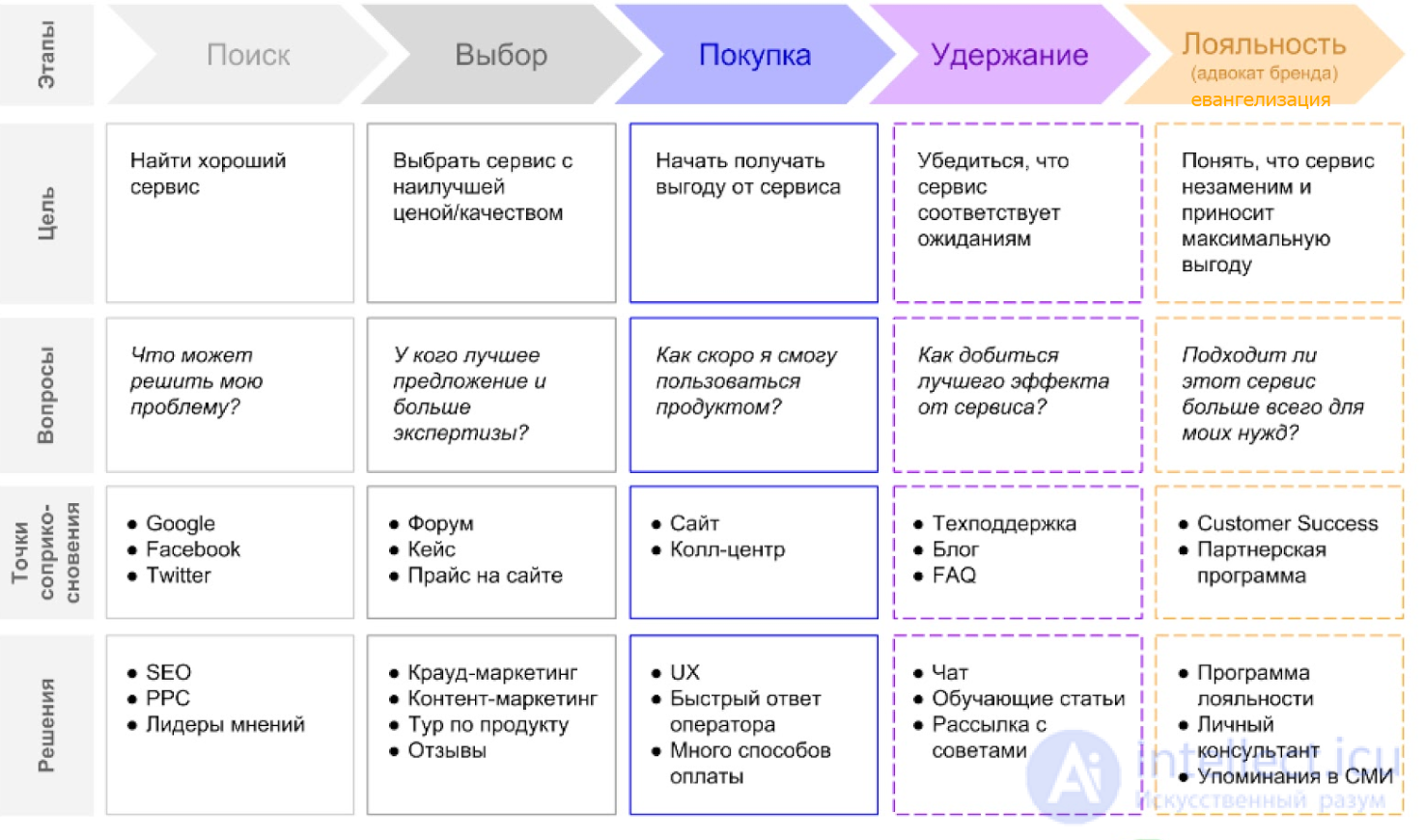
The following key indicators are used to evaluate the effectiveness of retention marketing:
Churn Rate — the percentage of customers who stopped using the services over a given period.
Customer Lifetime Value (LTV) — the total profit generated by a customer over the entire period of interaction with the brand.
Retention Rate — the percentage of customers who continue using the product after their first interaction.
Repeat Purchase Rate — the share of customers who made more than one purchase.
Engagement Rate — user activity across various channels (website, social media, email). Analyzing these indicators and their dynamics makes it possible to identify weak points, adjust strategies, and improve customer retention effectiveness.
Net Promoter Score (NPS) — the level of customer satisfaction and the likelihood of recommending the brand.
Customer Satisfaction Score (CSAT) — an assessment of customer satisfaction after interacting with the product or service.
Average Order Value (AOV) — the average check, showing how often customers make purchases and for how much.
Time Between Purchases — the interval between orders, helping assess customer engagement.
Engagement Rate — user activity across various channels (website, social media, email). Analyzing these indicators and their dynamics makes it possible to identify weak points, adjust strategies, and improve customer retention effectiveness.
Retention marketing — is not a one-off campaign, but ongoing work with customers. Companies that implement personalized strategies, loyalty programs, quality service, and process automation significantly increase their profitability and competitiveness. In a highly competitive environment, it is precisely long-term customer relationships that become a business's main advantage.
Retention marketing — is a comprehensive and ongoing strategy aimed at maintaining and strengthening relationships with existing customers. Unlike traditional marketing, which focuses on acquiring new customers, retention marketing focuses on maximizing the value of the current audience. Implementing personalized strategies based on the analysis of customer preferences and behavior allows a company to offer more relevant offers and increase satisfaction levels.
Loyalty programs, in turn, encourage repeat purchases by creating additional incentives for customers to return to the brand. Quality service and support strengthen trust and loyalty, making customers more inclined to continue interacting with the company. Marketing automation helps speed up communication processes, making them more efficient and less costly.
Companies that actively develop and integrate these elements into their strategy gain significant competitive advantages. By focusing on customer retention, they not only ensure a stable revenue stream but also create a positive brand image that attracts new customers through recommendations and positive reviews.
In a highly competitive environment, long-term customer relationships become one of the key factors of success, providing the business not only with short-term sales but also with sustainable long-term development. This requires companies to continuously improve their approaches, track the effectiveness of marketing strategies, and promptly adjust their actions in response to changes in audience behavior.

Comments