
Lecture
The transitional age is the psychologically difficult transition adolescents go through from childhood to adult life. In different countries, depending on cultural and religious heritage, the years of the transitional age are defined differently. This transition may take the form of a simple legal formality (the age for obtaining a passport, the age of majority), or it may be accompanied by religious rites. This age is associated with the onset of sexual maturity, legal responsibility for one's actions, and the acquisition of the rights held by an adult member of society (for example, the right to drive a motor vehicle, the right to vote in elections, permission to marry, and so on). Different countries and religions define this age differently: at 14, 16, 18, or 21. From a psychological standpoint, the timing of the transitional age is individual.
From a psychological standpoint, the transitional age manifests itself in adolescents as a striving for independence in behavior, a striving to find their place in society (to position themselves), and sometimes a wish to remake their surroundings to suit their own tastes. This is the root cause of the emergence of youth subcultures. For example, the mod subculture arose in England because teenagers protested against wearing the same gray raincoats as their parents, who were around 40, and against listening to the same music — they began searching for a more youthful style of dress and a more energetic style of music, which turned out to be rockabilly, an early stage in the development of rock music. Later youth subcultures created even bolder and more original styles of dress and associated themselves with the styles of music fashionable within their circles, showing ever-greater non-conformism in their search for themselves and for their place within youth society.
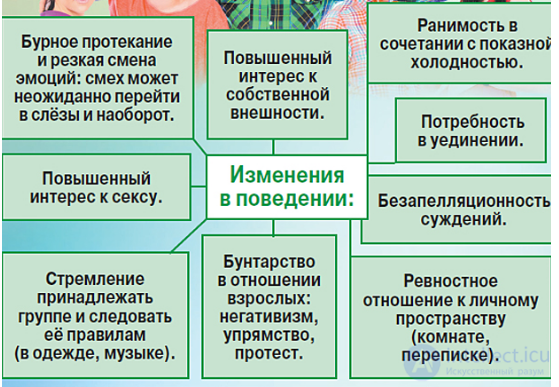
Fig. 1 Changes in behavior during the transitional age
Also during the transitional age, adolescents develop political views (for whom most political parties create a «youth wing») and a need to express them — which is why teenagers are often seen at political rallies (sometimes even in clashes, where they are among the most active participants) or engaged in political campaigning. Moreover, adolescents' political views may either coincide with their parents' sympathies or differ from them, which often leads to family quarrels. Youthful maximalism is often evident in political, social and religious views.
From a parent's point of view, the transitional age is an anxious period associated with aggressive and often uncontrollable adolescent behavior (in most cases, parents are unsettled by the mere fact of losing control over their child, rather than by specific unacceptable behaviors), the onset of the teenager's sex life, his or her desire to make independent decisions, and rejection of whatever is psychologically uncomfortable for them. Rebellious behavior sometimes spills over into acts of delinquency involving alcohol or drug use — in the effort to form a view of the world that is their own rather than dictated by parents or society, the adolescent tries to «try everything», which often leads to serious consequences. The transitional age is also marked by romantic relationships, which, when they end badly, are among the causes of many teenage suicides (other causes include failure to establish one's place in society, bullying by peers, and so on).
Thus, on the whole, the transitional age is arguably the most dramatic period in every person's life story, alongside the midlife crisis or retirement, perceived as «the time of living out one's days».
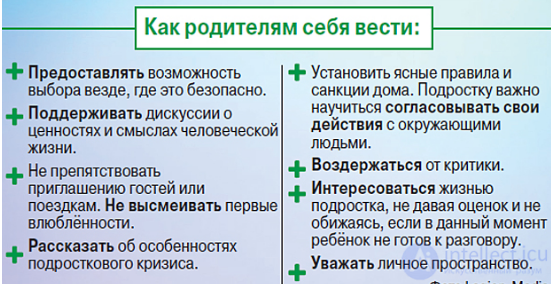
Fig. 2 How parents and teachers should behave with children of the transitional age
Youth
Age of majority
Early childhood
Old age
The Tanner scale used in forensic medicine

Comments