
Lecture
Purification of colloidal systems from low-molecular-weight impurities and electrolytes is carried out by membrane methods – dialysis and ultrafiltration. Purification is necessary to remove an excess
amount of electrolytes from sols.
V So how exactly do electrolytes interfere with a sol?
A membrane is a separating phase located between two other
phases and acting as an active (if carriers are present) or passive (if the membrane is neutral to the transported substance) barrier in the process of mass transfer between the phases.
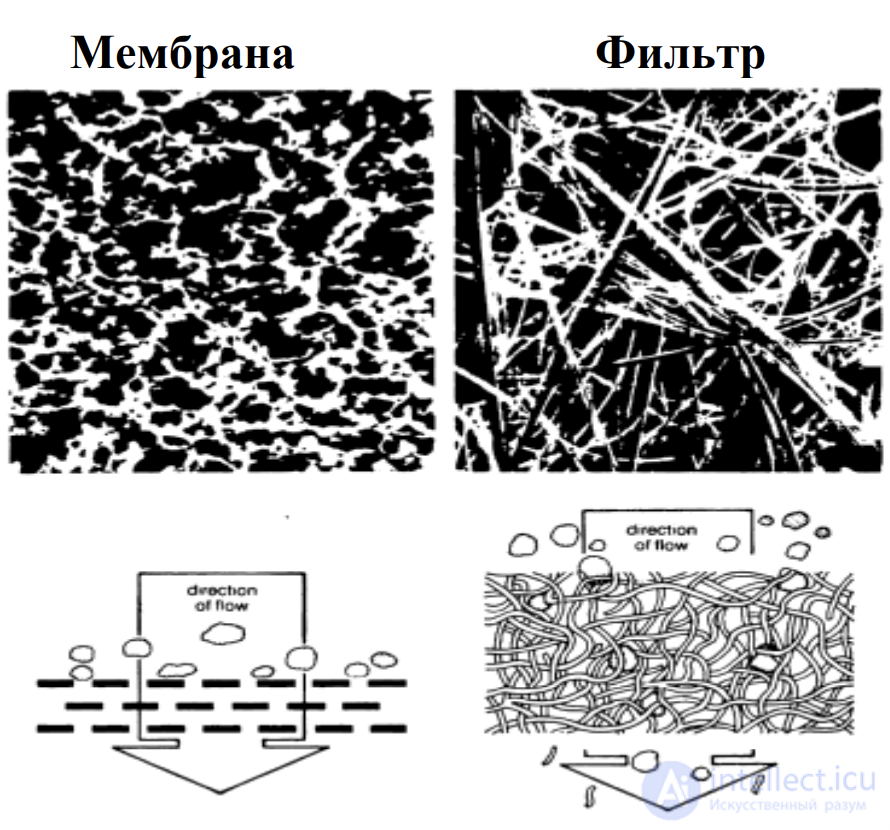
A membrane and a filter differ in structure and in their role in the separation process. A membrane retains a substance on its surface, while a filter retains a substance throughout its entire volume and is therefore called a depth filter (a classic example is a paper filter). A membrane clogs faster than
a filter.
Membrane Filter
Membrane material can be ceramic, glass, or polymers. Polymers used to produce membranes include: polyethylene,
fluorine-containing polymers, acrylic polymers, cellulose and its esters,
polyorganosiloxanes, polyvinyl chloride and its copolymers, etc.
As semi-permeable membranes, earlier use was made of pig and
bovine bladder, fish swim bladders, the intestines of various animals,
and the like. Later, collodion membranes came into use (collodion is a solution of cellulose nitrate in a mixture of ethyl alcohol and ether). Then –
cellophane (hydrated cellulose membranes).
By aggregate state, membranes can be liquid or solid.
Membrane characteristics:
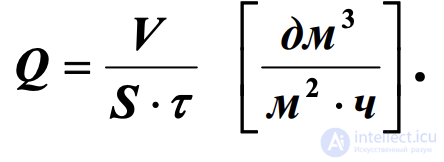
1. specific throughput (characterizes the rate of purification)
2. retention capacity
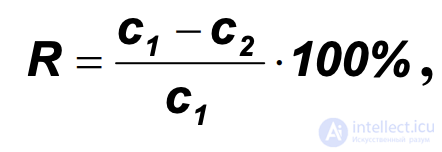
, c1 – concentration in the feed stream,
c2 – concentration in the permeate.
V Have you already guessed what a feed stream and a permeate are?
3. separation coefficient (selectivity)
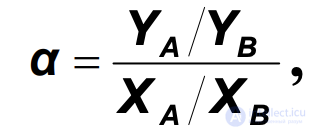
YA, YB – concentration of the separated components in the permeate,
XA, XB – in the feed stream.
Dialysis is the oldest method for purifying colloidal solutions from ionic and molecular impurities using membranes.
The driving force of the process is the concentration gradient. Separation is achieved due to differences in the transfer rates through the membrane of particles with different molecular sizes. Low-molecular-weight dissolved substances and ions pass through the membrane, while colloidal particles and dissolved substances with a mass greater than 1000 g/mol are retained.
Transport of substances occurs through diffusion through a non-porous
membrane, which, in order to achieve sufficient transfer rates, must
swell well. For dialysis of aqueous systems, hydrophilic
membranes based on cellophane, polyvinyl alcohol, and the like are used.
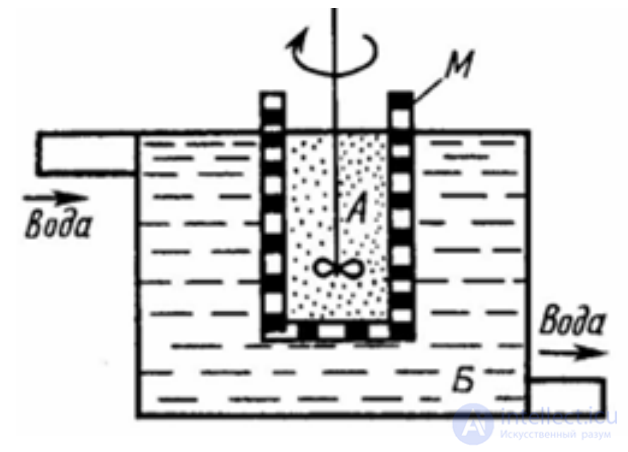
To purify a sol from molecular and ionic impurities, it is placed in a
vessel with semi-permeable walls (or bottom) M and lowered into a large
vessel with pure solvent. Molecules and ions
diffuse into the outer vessel B of the dialyzer,
while colloidal particles remain in the inner vessel A.
By changing the water in the outer vessel, one can purify
the colloidal system from impurities. The main
drawback of this method is its low speed and the dilution of the original system
by the osmotic flow of solvent. For this reason, all improvements to
dialysis have proceeded along the line of speeding it up. Nowadays,
electrodialyzers are also used, in which the diffusion of ions is replaced by their movement in an electric field, which occurs at a much higher rate.
Dialysis is widely used for purifying solutions of proteins and other
high-molecular compounds from dissolved salts, for separating alkali from hemicelluloses after
the process of treating cellulose with alkali (mercerization), and the like; electrodialysis – for desalinating water, whey, and deacidifying
citrus juices.
Ultrafiltration (UF) is a membrane process carried out under pressure. In essence, UF is not merely a method for purifying
sols, but also a method for their separation and concentration. With the help of UF
it is also possible to fractionate solutions of high-molecular compounds.
As a rule, UF is used when the retained particles
exceed the size of solvent molecules by more than an order of magnitude and lie
below the resolution limit of an optical microscope (0.5 µm).
UF differs from ordinary filtration mainly in the pore
size of the membrane: the pores of a UF membrane must not exceed the size of the
sol particles. Therefore, the pressure differentials reach
1·103 kPa and higher. In addition, this method
yields a more
concentrated sol, rather
than the precipitate that
forms during ordinary
filtration. UF
membranes work on the
sieve principle. The driving
force is the pressure
gradient.
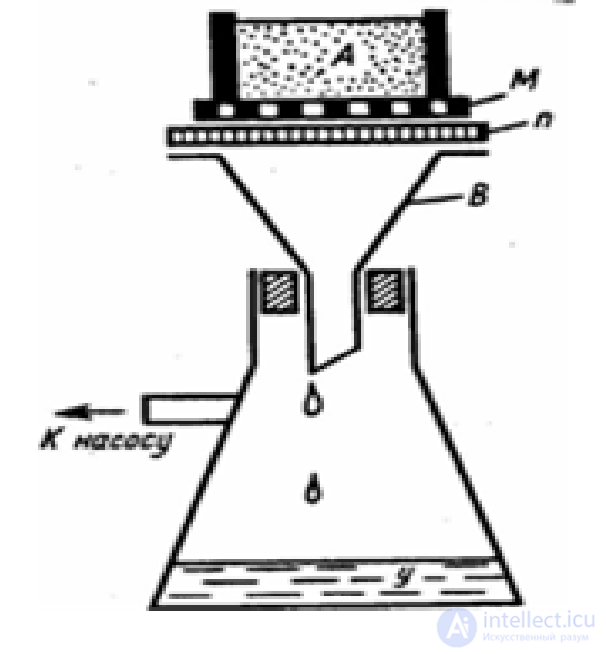
The simplest apparatus
for ultrafiltration:
A – colloidal solution; M – membrane, n
– a plate with small
holes serving as a support for the membrane; B – funnel; U
– ultrafiltrate.
In biochemistry, the ultrafiltration method is often used to determine the size of protein particles, enzymes, etc. In microbiology, UF has become widely
used in studying the size of viruses and bacteriophages. For this,
virus suspensions are filtered through a series of ultrafilters and the so-
called filtration endpoint is determined. From the pore diameter of the ultrafilter
that begins to retain viruses, the particle diameter is calculated.
| Virus name | Particle size (µm) |
| Foot-and-mouth disease Pseudorabies Influenza Encephalitis Vesicular stomatitis |
10 130 80-120 28 78 |
Sizes of some viruses, determined by the ultrafiltration method
If, unlike dialysis and UF membranes, membranes with
finer pores are used, for example, cellulose acetate membranes (r ~ 10-9 m), then it is also possible
to retain electrolyte ions. This process, called hyperfiltration or reverse osmosis, is now widely used for
purifying natural and industrial waters.

Comments