
Lecture
Allegory — is an artistic device in which abstract ideas or concepts are depicted through concrete images, characters, or events. In essence, it is a metaphorical way of expressing complex and abstract concepts through understandable and visually expressive images. Examples of allegory can be found in literature, art, and even in political cartoons, where, say, a snake might symbolize betrayal, and a dove — peace. It is a kind of poetic language that allows us to better understand and grasp deeper meanings through simple, often familiar images.
Allegory (from Anc. Greek ἀλληγορία — speaking otherwise) — is an artistic representation of ideas (concepts) by means of a concrete artistic image or dialogue.
As a trope, allegory is used in poetry, parables, and morality plays. It arose on the basis of mythology, found reflection in folklore, and received its development in the visual arts. The main method of depicting allegory is the generalization of human concepts; representations are revealed in the images and behavior of animals, plants, mythological and fairy-tale characters, and in inanimate objects that acquire a figurative meaning.
Example: justice — Themis (a woman with scales).
Allegory — is an artistic representation of abstract concepts and generalizations by means of concrete figurative embodiments. The artist depicts and represents faith, love, the soul, justice, discord, glory, war, peace, spring, summer, autumn, winter, death, and similar concepts as living beings and concrete images. The qualities and appearance attributed to these living beings are borrowed from the actions and consequences of what corresponds to the isolation embodied in these concepts; for example, the isolation of battle and war is denoted by means of military weapons, the seasons of the year — by means of their corresponding colors, fruits, or occupations, impartiality — by means of scales and a blindfold, death — by means of a clepsydra and a scythe.
Evidently, allegory lacks the full plastic vividness and completeness of artistic creations in which the concept and the image fully coincide with one another and are produced by creative fantasy inseparably, as if grown together by nature. Allegory wavers between a concept arising from reflection and its cunningly devised individual shell, and as a result of this half-and-half nature it remains cold.
Allegorical interpretation of the Bible — is the main method of the Alexandrian theological school. The dominance of allegory is more noticeable in Rome. But it prevailed most strongly in the poetry and art of the Middle Ages from the end of the 13th century, in that time of ferment when the naive life of fantasy and the results of scholastic thinking mutually touch and, as far as possible, try to penetrate one another. Thus — in the works of most troubadours, of Wolfram von Eschenbach, of Dante. «Feuerdank», a Greek poem of the 16th century describing the life of Emperor Maximilian, can serve as an example of allegorical-epic poetry.
Allegory has a particular application in the animal epic.
It is quite natural that different arts approach the application of this artistic device differently. It is also applicable in modern sculpture. Being always condemned to the depiction of personality, it (allegory) is often compelled to give, as an allegorical isolation, what Greek sculpture was able to give in the form of an individual and complete image of the life of a god.
Written in the form of allegory, for example, are the novel by John Bunyan «The Pilgrim’s Progress to the Heavenly Country», and the parable by Vladimir Vysotsky «Truth and Falsehood».
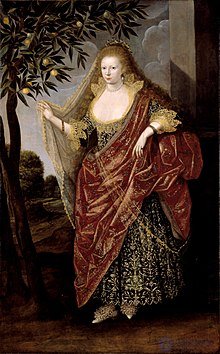
British school, 17th century – Portrait of a Lady, called Elizabeth, Lady Tanfield. Sometimes the meaning of an allegory can be lost, even if art historians suspect that the work of art is an allegory of some kind.
Allegory has the ability to freeze the temporality of history, while at the same time filling it with spiritual context. Medieval thought accepted allegory as having a reality underlying any rhetorical or fictional use. Allegory was as true as the facts of surface phenomena. Thus, the papal bull Unam Sanctam (1302) presents the themes of the unity of Christendom with the pope at its head, in which allegorical details of metaphors are cited as facts on which the demonstration is based by means of a logical vocabulary: « Therefore this one Church has one body and one head — not two heads, as if it were a monster... And if the Greeks or others say that they were not entrusted to the care of Peter and his successors, they necessarily admit that they are not of Christ’s sheep». This text also demonstrates the frequent use of allegory in religious texts in the medieval period, following the tradition and example of the Bible.
At the end of the 15th century the mysterious «Hypnerotomachia » with its detailed illustrations in the form of woodcuts demonstrates the influence of thematic representations and masks on contemporary allegorical representation, as it was conveyed by humanist dialectic.
The rejection of medieval allegory found in the 12th-century works of Hugh of Saint-Victor and in Edward Topsell’s «History of Four-Footed Beasts» (London, 1607, 1653), and its replacement in the study of nature by the methods of categorization and mathematics by such figures as the naturalist John Ray and the astronomer Galileo, are believed to mark the beginning of early modern science.
Since meaningful stories are almost always applicable to larger issues, allegories can be read into many stories which the author may not have recognized. This is allegoresis, or the act of reading a story as an allegory. Examples of allegory in popular culture, which may or may not have been intentional, include the works of Bertolt Brecht and even some works of science fiction and fantasy, such as C. S. Lewis’s «The Chronicles of Narnia».
The story of the apple falling on Isaac Newton’s head — is another well-known allegory. It simplified the idea of gravity by depicting a simple way of its supposed discovery. It also made the scientific discovery widely known by compressing the theory into a short story.
Allegories play an important role in education, since they make it possible to convey complex ideas and values through understandable and memorable images. Educational allegories can be used to illustrate moral and ethical principles, to teach proper behavior, and to shape a worldview. They effectively engage the imagination and emotions, which makes lessons more meaningful and memorable. Such works of art can be found in literature, sculpture, painting, and other forms of creativity, and they help instill important qualities and values across generations. Allegory as a means of education — is a powerful tool used to convey complex ideas and values through understandable and memorable images. Allegories help convey important lessons to an audience, making them more accessible and understandable. Let us look in more detail at how this works.
Literary allegories: In literature, allegories are often found in fairy tales, fables, and myths. Examples include the works of authors such as Aesop, Jean de La Fontaine, and George Orwell. In these works, characters and events symbolize deeper moral and ethical lessons.
Visual allegories: In fine art and sculpture, allegories are used to visualize abstract concepts. Such works may depict figures symbolizing justice, virtue, or sin. For example, allegorical sculptures often adorn building facades and interiors, reminding people of the importance of morality and ethics.
Images and symbols: Allegories use images and symbols that are easy to understand and remember. For example, a snake can symbolize betrayal, and a dove — peace. These symbols help fix important moral lessons in the audience's mind.
Emotional impact: Well-chosen images evoke an emotional response in the audience, which makes the lessons more meaningful and memorable.
Education and upbringing: Allegories are used in educational institutions to teach children and adults. Teachers and educators use allegories to explain complex concepts in simple and understandable language.
Moral lessons: Allegories can convey important moral lessons, such as honesty, justice, kindness, and courage. These lessons help shape the values and worldview of students.
Ancient Greece and Rome: Allegories were widely used in ancient Greek and Roman culture for teaching and upbringing. For example, myths about gods and heroes often served as illustrations of moral and ethical principles.
The Middle Ages and the Renaissance: In the Middle Ages and the Renaissance, allegories were used in religious and secular contexts to convey the most important moral and spiritual lessons.
Allegories continue to be an important tool of upbringing and education, making it possible to convey complex ideas and values through simple and expressive images. They help create lessons deeply rooted in the mind that stay with a person throughout their life.
Allegory in sculpture: sculptural works of this type are often aimed at teaching and upbringing, focusing attention on questions of morality and ethics. Such allegorical sculptures can be seen in various monumental compositions, on facades and in the decor of architectural structures, as well as in the interiors and furnishings of buildings.
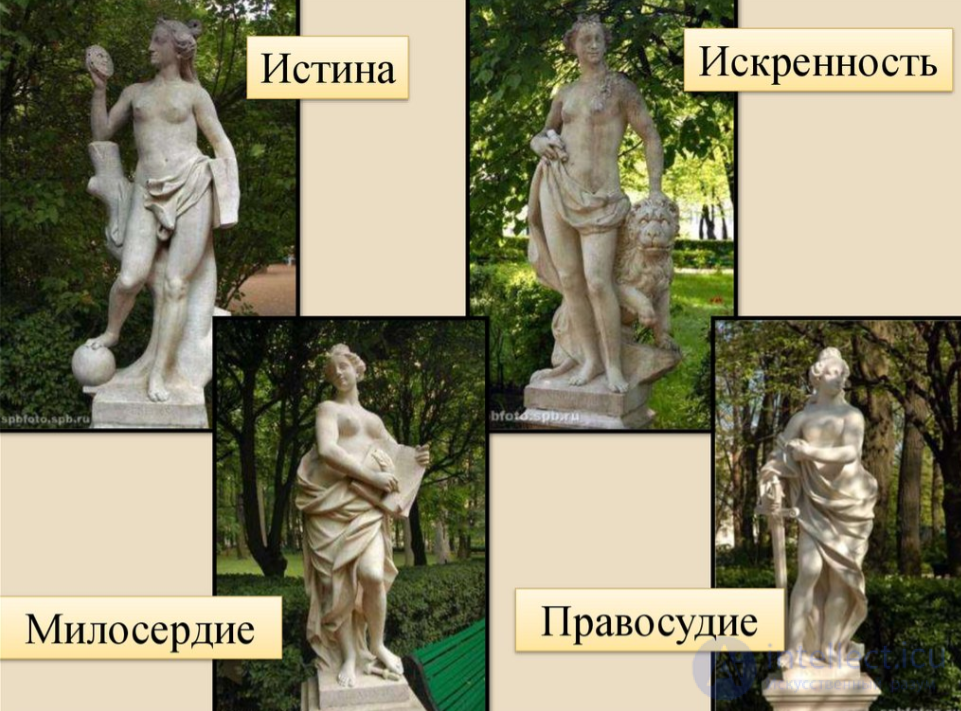
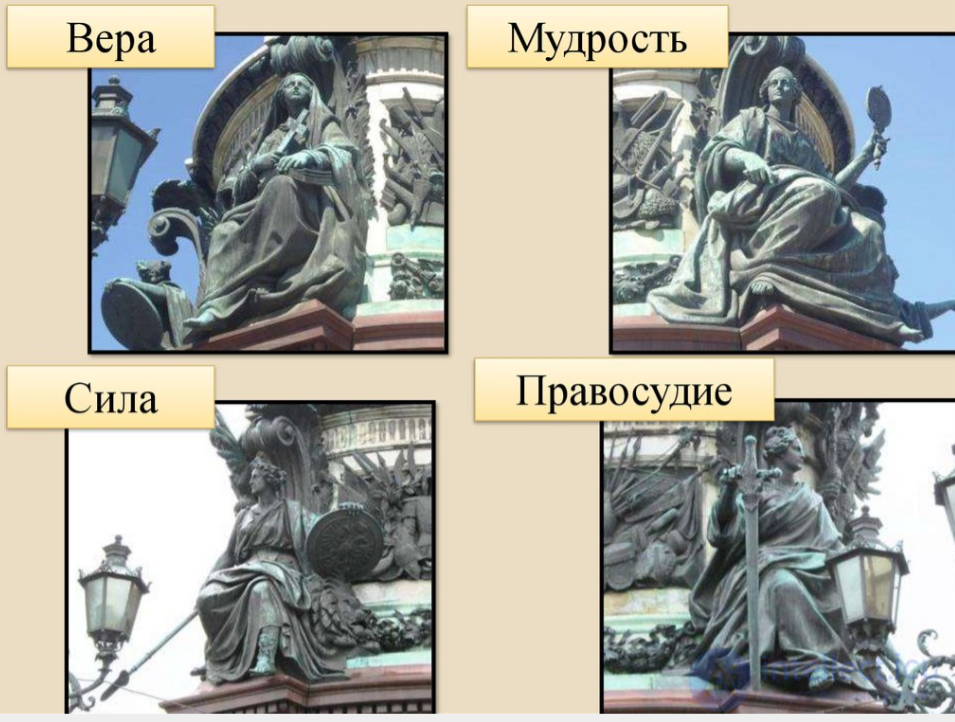
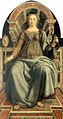
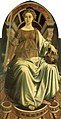
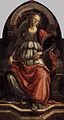
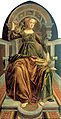
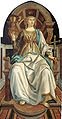
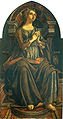
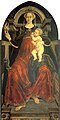
List of allegorical figures in Western European art, personifications of abstract concepts in human form.
The attributes or characters personifying the concept are given in parentheses.



Comments