
Lecture
The enclosure of an electronic device is not merely a shell but a functional element that provides protection, ease of use and long service life. Designing it calls for a comprehensive approach that takes mechanical, thermal, ergonomic and aesthetic factors into account.
Choosing a suitable electronic enclosure can turn out to be a tricky task.
That is why I want to highlight all the critical aspects to consider when designing an electronic device enclosure.
Protection: shields components from mechanical damage, moisture, dust and electromagnetic interference.
Heat dissipation: ensures effective cooling of components.
Ergonomics: ease of use, access to controls.
Aesthetics: appearance affects how the product is perceived and its competitiveness.
Standardization: compliance with safety regulations and unification of dimensions for compatibility.
Requirements analysis
purpose of the device;
operating conditions (temperature, humidity, vibration);
standards and regulations.
Material selection
Metals (aluminum, steel) — strength, shielding;
Plastics (ABS, polycarbonate) — light weight, moldability;
Composites — a combination of properties.
Mixed plastic coated with metal, etc.
Structural solutions
enclosure type (one-piece, modular, knock-down);
fastening methods (screws, snap-fits, welding, adhesive);
layout of PCBs, cables and connectors.
Thermal design
natural and forced ventilation;
heat sinks, heat pipes;
calculation of heat flows.
Ergonomics and design
layout of controls;
ease of servicing;
aesthetic appeal.
Prototyping and testing
3D modeling;
mockup fabrication;
testing for strength, vibration resistance and thermal performance.
Modularity: eases repair and upgrading.
Miniaturization: reducing dimensions while preserving functionality.
Unification: use of standard elements and dimensions.
Manufacturability: simplicity of fabrication and assembly.
Cost-effectiveness: optimizing material and production costs.
Using CAD/CAM systems for automated design.
Applying 3D printing for prototyping and small-batch production.
Developing sealed enclosures for IoT devices and outdoor electronics.
Introducing smart materials (self-curing coatings, thermosensitive plastics).
Emphasis on sustainability: material recycling, reduced energy consumption.
Having the right dimensions for your electronic enclosure makes it work efficiently. In addition, it lets you install your enclosure correctly.
Proper ventilation is only possible if you choose the right dimensions for your electrical cabinet. When choosing the right dimensions for your electrical cabinet, you need to take several factors into account.
For example, you need to consider which application you will use your electrical cabinet for. Larger applications usually require larger cabinets to work properly.
This is because of the large and numerous components you need to mount in your enclosure. You should also consider how you will access the electrical enclosure when deciding on its dimensions.
Easy access implies the need to service most of the components in your electrical cabinet.
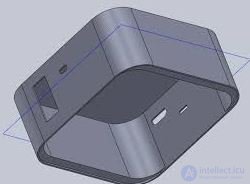
Choosing the right enclosure dimensions is important
Enclosures for electronic devices are made from various materials depending on where you want to use them. Several factors need to be taken into account when choosing a suitable material, including:
Before deciding which material to use for your electronic enclosure, you should consider the various weather conditions. Weather conditions can range from snow and rain to excessive heat.
Excessive heat is not ideal for the proper operation of your electronic enclosure. This is because proper ventilation is required for it to function effectively.
The environmental conditions where a particular electronic enclosure will be used are important. Such conditions include chemical and saline environments.
The environment affects the durability of your electronic enclosure and the components inside it. It also affects the functionality of the components inside your electronic enclosure.
Electromagnetic and radio-frequency interference affects the proper functioning of your electronic equipment. Such frequencies can also interfere with the operation of your equipment.
Choosing a material with proper shielding is crucial for the effective functioning of your enclosure's components.
The IP rating describes your material's protective strength against the ingress of water and dust. You should also consider the material's strength against various factors, such as external force impact.
The IP rating helps assess the durability of your material.
You need a material that you can further process, should the need arise, during enclosure installation.
Further work on the enclosure includes drilling holes or trimming edges for proper installation.
Different materials have different machinability, which can affect the effectiveness of your enclosure.
Common materials for electronic enclosures are:
Aluminum offers a lightweight material for making your electronic enclosure. In addition, it has other advantages, such as weather resistance and ease of machining, which give it an edge over stainless steel.
If you are looking for a material with a higher radio-frequency shielding rating, it will suit your enclosure. It also has a better electromagnetic radiation blocking effect.
Such properties allow this material to be used for making enclosures intended for use in sensitive areas. You can also use it in high-temperature applications, since it withstands such temperatures.
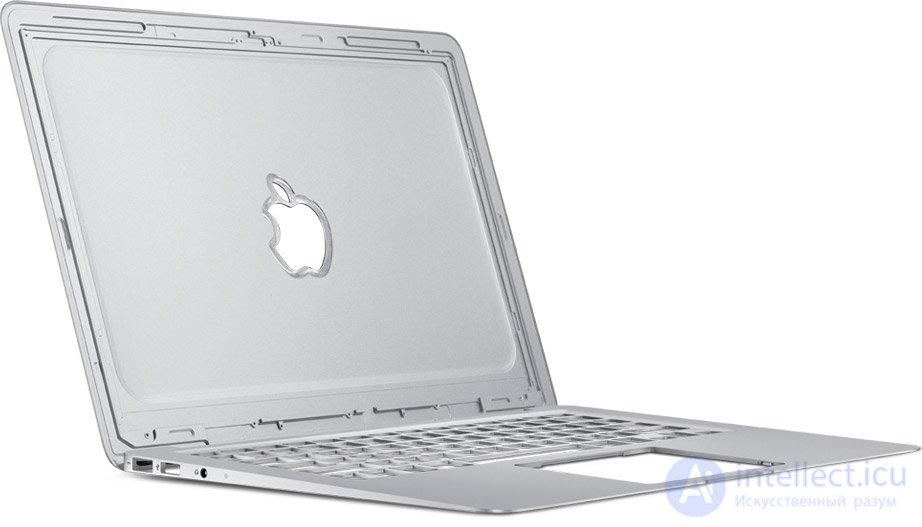
Aluminum electronic enclosure. The enclosure in the MacBook is called Unibody — it is a single-piece aluminum structure machined from a solid block of metal. This type of enclosure first appeared in 2008 and is used in all modern MacBook Air and MacBook Pro models.
The advantage of using stainless steel as a material for an electronic device enclosure is its corrosion resistance.
Therefore, you can use such an enclosure in an environment exposed to salt water without worrying about its durability.
It is also an easy-to-clean enclosure, which makes it the best option for applications requiring a high degree of cleanliness. Such areas include the food industry and the medical industry.
The main limitation of using this material for your enclosure is its relatively high price.
Grade 304 stainless steel is the standard you can use to make your electronic enclosure. This is due to its advantages over other stainless steel grades.
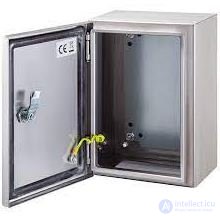
Stainless steel electronic equipment enclosure
The advantage of using fiberglass is its durability compared to plastic materials. However, it is not as strong as aluminum or stainless steel.
The durability aspect makes it cheaper than stainless steel and aluminum, but more expensive than plastic. In addition, it allows for machining, which makes drilling holes during installation relatively easier.
Fiberglass has a limited range of applications, as it does not tolerate high temperatures.
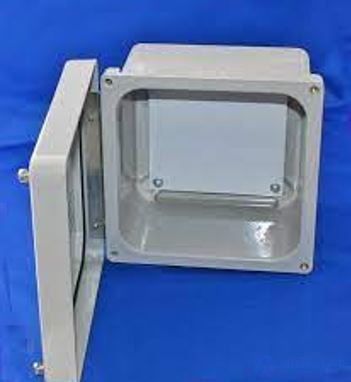
Fiberglass enclosure
Various types of plastic are available for electronic device enclosures, each with its own advantages. However, the typical type of plastic used is ABS due to its unique characteristics.
Other types of plastic that can be used to make an electronic device enclosure include PVC, PC, PE and PMMA.
ABS is a hardened type of plastic with a lower price than other plastics. In addition, this material is a non-conductor of electricity, which minimizes the risk of electric shock while your enclosure is in operation.
It is a relatively cheaper material than others for making your electrical enclosure. You also benefit from it being machinable by various methods, thereby increasing its range of application.
The main limitation of ABS is its unsuitability for use in high-temperature areas. This is due to its melting effect.
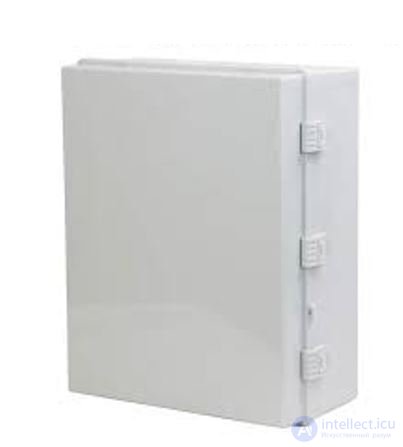
Plastic electronic enclosure
Proper mounting of your electronic enclosure ensures its stability and minimizes risks during its operation. There are various mounting options you can choose for your enclosure.
The main ones are:
This mounting option involves placing the enclosure on a flat surface. It consists of legs or a platform that holds and secures the enclosure beneath it.
The primary material for most free-standing electrical cabinets is stainless steel, fiberglass or mild steel.
Free-standing mounting options usually have a polyester powder coating as a surface finish. This makes them ideal options for use in the oil, gas and pharmaceutical industries.
Using this option is economical and provides maximum performance. They are also relatively simple to install.
Here are various designs for free-standing electrical cabinets.
The wall-mounting option involves installing the electrical cabinet on a flat surface, preferably a wall. This is made possible by using extended backing plates and wall brackets.
The advantage of the wall-mount option is that it saves space while increasing performance. They are also relatively simple to install, which reduces the overall cost of your electrical cabinet.
There are various designs you can use for a wall-mounted enclosure. These designs include single-door, double-door and hinged designs.
The floor-mounting option is almost similar to the free-standing mounting option. The main difference is that with the floor-mounting option, the enclosure has no base for attachment.
When installing using this option, you will have to secure it with screws or press it against the floor of your electrical cabinet. Once installed, it will be difficult to move; consequently, you have limited design options for your application.
Here is a guide where you can also learn how to mount an electrical cabinet.
Depending on various recommendations, there are different types of racks you can have on your electronic enclosure. For example, considering the size of your enclosure gives you a clue as to which rack to use.
You should also consider the functionality of your enclosure. Functionality helps you determine the rack you need and design it into your electronic enclosure.
Cost is another factor to consider when designing a rack for your electronic enclosure. Different types of racks have different price tags, including material cost and installation cost.
Having these racks available for enclosures made of different materials gives you the ability to choose the best one. When choosing which material to use, you need to consider the maximum electrical load
Common types of racks for electronic enclosures are:
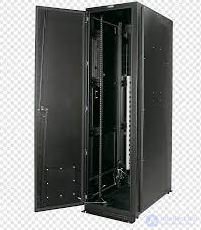
This type of enclosure rack provides a controlled environment for your electrical components. In addition, it is a free-standing rack that ensures the stability of your enclosure during operation.
The electronic cabinet enclosure rack has doors at the front and back, providing ventilation. This is vital for controlling the temperature of your enclosure.
You can use this type of rack in enclosures that require adequate placement of electrical components. The type of rack for an electronic cabinet enclosure depends on the component load and configuration requirements
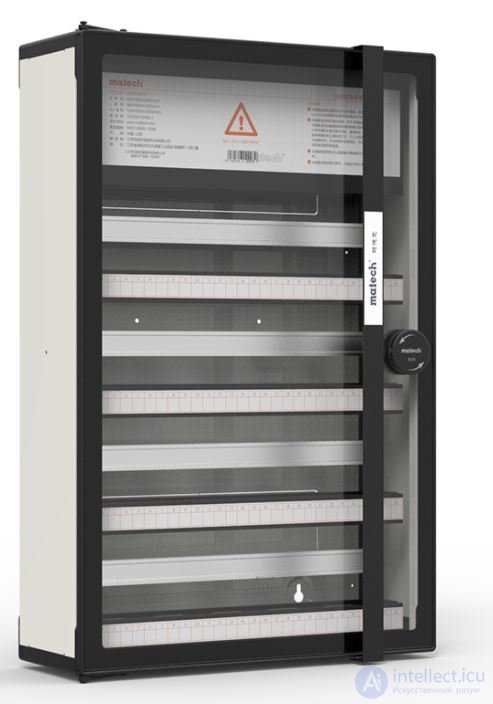
Electronic cabinet enclosure
Server electronic enclosure racks are ideal for applications requiring maximum ventilation, which makes it easier to control temperature. The rack has front and back doors and sides that are sufficiently ventilated.
The advantage of this type of rack is that it can withstand huge loads of up to 1200 pounds. However, you should check your enclosure's construction before deciding how much maximum load it can withstand.
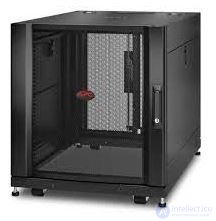
Server electronic enclosure rack
Seismic racks are ideal for use in areas subject to various vibrations and shocks. This is because they can withstand the effects of vibration and shock on your enclosure.
It is essential to always secure enclosures to the ground using seismic-resistant racks in order to ensure stability.
The advantage of this type of rack is protecting the components present in the enclosure. This minimizes disruption to the operation of your electronic enclosure.
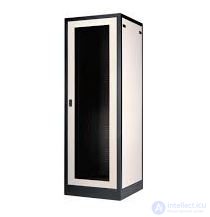
Seismic-resistant electronic enclosure rack
A colocation rack for electronic equipment is the best option if you need an additional cabinet on your enclosure. It consists of several separate compartments, each with its own door.
The advantage of this type of rack is proper ventilation at the front and back. Proper ventilation is an important aspect of controlling the temperature of your electronic enclosure.
Colocation racks are available in various sizes depending on your electronic enclosure's specification. Typical sizes range from 24 to 39 inches.
Co-location electronic enclosure rack
You can use an open rack for electronic enclosures in applications where quick access to electronic components is required. This is because it has no side barriers that could hinder access.
The absence of any barrier makes it an ideal option for use in high-temperature conditions. This is due to maximum ventilation, which helps control temperature.
However, it cannot be used for heavy-duty work, since it cannot withstand large loads.
There are various accessories you can install on your electronic enclosure. These accessories facilitate the operation of your enclosure while reducing the risks that may arise during its operation.
Common accessories you can install on your electronic enclosure:
Locking mechanism accessories help protect your electronic enclosure. This prevents unauthorized access to your enclosure.
Depending on the desired level of protection for your enclosure, various locking mechanisms are available.
Temperature control mechanisms are designed to monitor and regulate the operating temperature of your enclosure. Temperature regulation is a critically important aspect of your enclosure's operation, since it minimizes component overheating.
Ventilation accessories ease the cooling process of your electronic enclosure. This happens because cold air enters your enclosure while hot air exits it.
Proper ventilation ensures the correct operation of your electronic enclosure.
These accessories are vital during the mounting process of your enclosure. They ensure that your electrical enclosure is positioned correctly, thereby minimizing the likelihood of breakage.
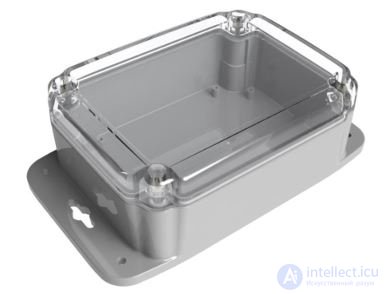
An electronic enclosure with mounting capability
Cable management is a critically important aspect of organizing your electronic enclosure. Proper management minimizes the various risks that may arise in your electrical enclosure.
Various risks can arise from poor cable organization in your enclosure. Such risks include:
Poor cable management in your electrical cabinet can lead to lengthy installation times. This can delay a project's timely completion and increase its overall cost.
Lengthy installation hours are mostly spent figuring out which cable serves which purpose and where it needs to be installed.
Unplanned downtime occurs when you have poor cable organization in your electrical cabinet. The causes of this can vary, from electrical faults to the cabinet's inoperability.
The main cause of this is usually improper installation or damage to cables during mounting.
Your enclosure's performance decreases due to poor cable routing. The main cause of this is improper cable routing.
Low performance leads to increased operating costs and reduced overall performance.
You need to regularly maintain your electrical cabinet when cable organization is poor. Regular maintenance increases the overall operating costs of your electronic cabinet.
Therefore, you need to properly manage cables during installation and maintenance. The main ways to manage them correctly are:
This type of cable management involves protecting cable openings by insulating them. This prevents cable damage in the event of abrasion or pulling.
A cable bushing also minimizes short circuits by separating individual cables. Depending on the situation, there are various types of cable bushings you can apply to your cables.
These types include clamp bushings, strain-relief bushings and open snap-in bushings.
Cable clamps involve using clamps to secure cables along the surface of your electronic enclosure. The advantage of this method is that it eliminates any cable sagging that leads to damage.
This way, you have a neat cable arrangement, which makes identification and installation easier. In addition, two types of cable clamps are available for you to choose from.
The first type is a two-component part, including one component for bundling the cables.
The other component makes it easier to fasten the clamp to your electrical cabinet. This type depends on the mounting surface of your electrical cabinet, which must allow the use of nails.
The second type uses adhesive instead of nails. This type is economical in terms of its purchase and installation.
A limitation of its use is that the adhesive can weaken over time, causing the entire clamp to peel off. This will result in the cable sagging, which can pose a hazard in the long run.
The various types of cable clamps you can use include DIN-rail cable clamps, self-adhesive cable clamps and screw-mount cable clamps.
Cable clips have the same characteristics as cable clamps. However, the main difference lies in the area of application.
Cable clips are ideal for use with thicker cables. Their function is to support cables and help route them on your electrical cabinet.
The cable routing channel is vital to help you during troubleshooting and maintenance of your cables. It also helps minimize inductive coupling, which causes interference problems.
The various types of cable clamps include screw-mount clamps and wire-harness clamps. You also have fir-tree mounts and hinged top cable clamps.
Different types of surface finish affect your electrical enclosure in different ways. Therefore, you should consider several factors before deciding which surface finish to apply to your electrical enclosure.
These factors include:
Different surface coatings react differently to the environment the enclosure is placed in. For example, a particular surface coating may peel if you expose it to a hot environment.
Another surface finish may peel if you expose it to a cold environment. But again, this affects the durability of your electrical enclosure.
You need to ensure compatibility between the surface finish you choose and your enclosure's operating environment. This increases the durability and visual appeal of your electrical enclosure.
Understanding your enclosure's operating temperature can help you reduce risks. For example, you can quickly rule out a finish that reacts negatively to high temperatures.
Using finishing materials that cannot withstand certain temperatures leads to high operating costs, since regular maintenance has to be carried out.
The main surface finish options available for your electrical cabinet are:
This type of surface finish is ideal for an outdoor electrical enclosure. It provides a smooth and durable surface finish that adheres reliably to the enclosure.
Polyester urethane powder provides protection against various factors, such as heat and chemicals.
Electrocoat liquid uses a cathodic acrylic composition to form a corrosion-resistant surface coating. In addition, it provides a durable coating on your electrical enclosure.
The advantage of this surface finish is its durability. This reduces overall operating costs.
Epoxy powder provides a strong and durable surface finish on your electrical enclosure. The advantage of this coating is its resistance to various factors, such as corrosion and dissolving oils.
This gives you a wide range of areas where you can use this surface finish on your electrical cabinet.
Applying epoxy powder leaves a glossy appearance on the enclosure. However, prolonged exposure to ultraviolet light affects its durability.
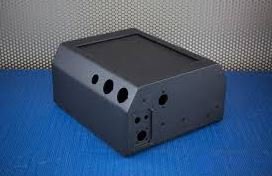
Choose the best surface finish for your enclosure
There are two main ways to cool an electrical cabinet. These are natural and forced conventional cooling methods.
Natural, conventional cooling provides a natural airflow in your electrical cabinet. However, this method depends on the design of your cabinet.
You need to design the enclosure to ensure maximum airflow for maximum cooling. This is achieved by providing ventilation at the top and bottom of the enclosure.
Top and bottom ventilation can be either fixed or flexible so that it can be removed if necessary.
This is an economical way to provide airflow into your electrical cabinet. This is because it does not increase the operating costs of your electrical cabinet.
The main limitation of natural airflow is that it increases the amount of dirt in your enclosure. This can reduce your enclosure's efficiency, since dirt accumulates on the components.
You will also have to regularly maintain the enclosure by removing dirt. This increases the overall cost of operating your electrical enclosure.
Forced convection airflow — is an artificial way to ensure maximum airflow into the electrical cabinet.
This is possible in two ways: using fans and blowers.
A fan allows air to pass into your enclosure parallel to the blade axis. The advantage of fans is that they pass air at high pressure.
Fans are common in applications with lower resistance inside the enclosure. Blowers pass airflow into the enclosure perpendicular to the blower axis.
The advantage of blowers is that you can use them against back pressure from the enclosure. In a particular electronic enclosure, you should use a combination of a blower and fans.
Safety features of the electrical enclosure make it easier to handle and operate safely. You can have various safety features on your electrical enclosure depending on various factors, such as its size.
The main safety features you can install on your electrical cabinet are:
Ensuring that a particular electrical enclosure complies with the necessary standards — is the first safety feature you should check. Such an enclosure gives you assurance that it will operate correctly in a given installation.
If you are unsure about the quality standards, contact the manufacturer.
Unauthorized access to your electrical cabinet can lead to unexpected risks. Therefore, it is wise to make sure your cabinet has all its locking mechanisms secure and reliable.
Such mechanisms include locks and latches on the doors of the electrical cabinet.
Operating an electrical enclosure usually results in the production of high heat. Failure to maintain this temperature always leads to an unexpected failure of your enclosure.
You can prevent this malfunction by installing appropriate temperature control mechanisms on your enclosure. There are various temperature control mechanisms you can install on your electrical enclosure.
For example, you can install temperature control units, a fan, an air blower, or arrange proper ventilation.
A cable management system prevents short circuits from occurring in your electrical cabinet. This is achieved by ensuring there is no interaction between cables.
This is also vital for ensuring the smooth operation of your enclosure. Therefore, you should ensure proper cable routing to reduce the risks associated with cable entanglement.
You should always make sure that the design of your electrical cabinet is compatible with the various environments in which you install it.
For example, when installing in high-temperature conditions, you need to ensure that all components can withstand the temperature.
This includes the surface finish and the cables you use. Compatibility of the design with the environment minimizes the risks that could hinder the proper functioning of your electrical enclosure.
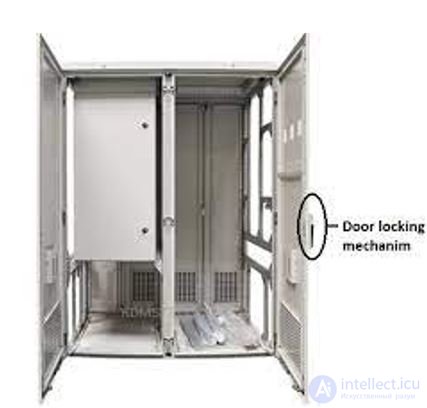
A door locking mechanism — one of the safety features
You need to check various compliance and safety standards and regulations before purchasing your electrical cabinet. These quality standards are as follows:
This is a standard that ensures the quality of your electrical enclosure. Your enclosure must have its performance and protective characteristics certified in order to hold this standard.
Before purchasing an enclosure, you need to check the various NEMA standards. Each of these types certifies a certain aspect of your enclosure's performance.
IP ratings protect your electrical cabinet from dust particles and water. This contributes to the efficient operation of your cabinet.
An IP rating consists of a two-digit numbering system. These digits indicate the level of protection against liquid and dust particles.
This standard generally limits the level of hazardous materials you can have in your electrical enclosure. In addition, the standard protects your electrical equipment and enclosure by ensuring that you install suitable materials.
This standard means that your equipment complies with most EU standards in the area of health and environmental protection.
Therefore, it is an important standard when importing your enclosure into countries of the European Union.
| Enclosure type | Application | Features |
|---|---|---|
| Monoblock | Smartphones, laptops | High strength, compact size |
| Modular | Servers, industrial systems | Easy module replacement |
| Sealed | Outdoor sensors, military equipment | Protection against moisture and dust |
| Removable panels | Household appliances | Ease of maintenance |
Designing enclosures for electronic devices is a synthesis of engineering knowledge, design thinking and technological capability. A well-designed enclosure ensures the reliability, convenience and competitiveness of the device.

Comments