
Lecture 5 min.
The Year of the Six Emperors was AD 238, during which six men were official emperors of the Roman Empire.
The chronology of AD 238 is the subject of great dispute. The only primary sources are documents from Egypt that mention the emperor ruling at the time. They indicate the following:
At the beginning of the year the emperor was Maximinus I Thrax, who had held this title since 235. According to later sources, he was a cruel tyrant, and in January 238 a revolt broke out in North Africa. The Historia Augusta says:
"The Romans could no longer endure his outrages: that he made use of informers and accusers, brought false charges, killed the innocent, condemned everyone who appeared in court, reduced wealthy men to utter poverty and never obtained money in any way other than through the ruin of other people, executed many generals and men of consular rank without any grounds, transported some in cages without food and drink, kept others in prison, in short, did not shrink from any cruelty in achieving his ends; and, unable to endure it any longer, the people raised a revolt against him."
A group of young aristocrats in Africa killed the imperial tax collector and then turned to the governor, Gordian, and demanded that he declare himself emperor. Gordian agreed reluctantly, and since he was already 80 years old, he decided to declare his son co-ruler, endowing him with equal powers. The Senate recognized father and son as emperors under the names Gordian I and Gordian II respectively.
Their rule lasted only 20 days. Capelianus, governor of the neighbouring province of Numidia, harboured a grudge against Gordian. He led an army against them and defeated them in a battle near Carthage. Gordian II died in the battle, and on learning of this, Gordian hanged himself.
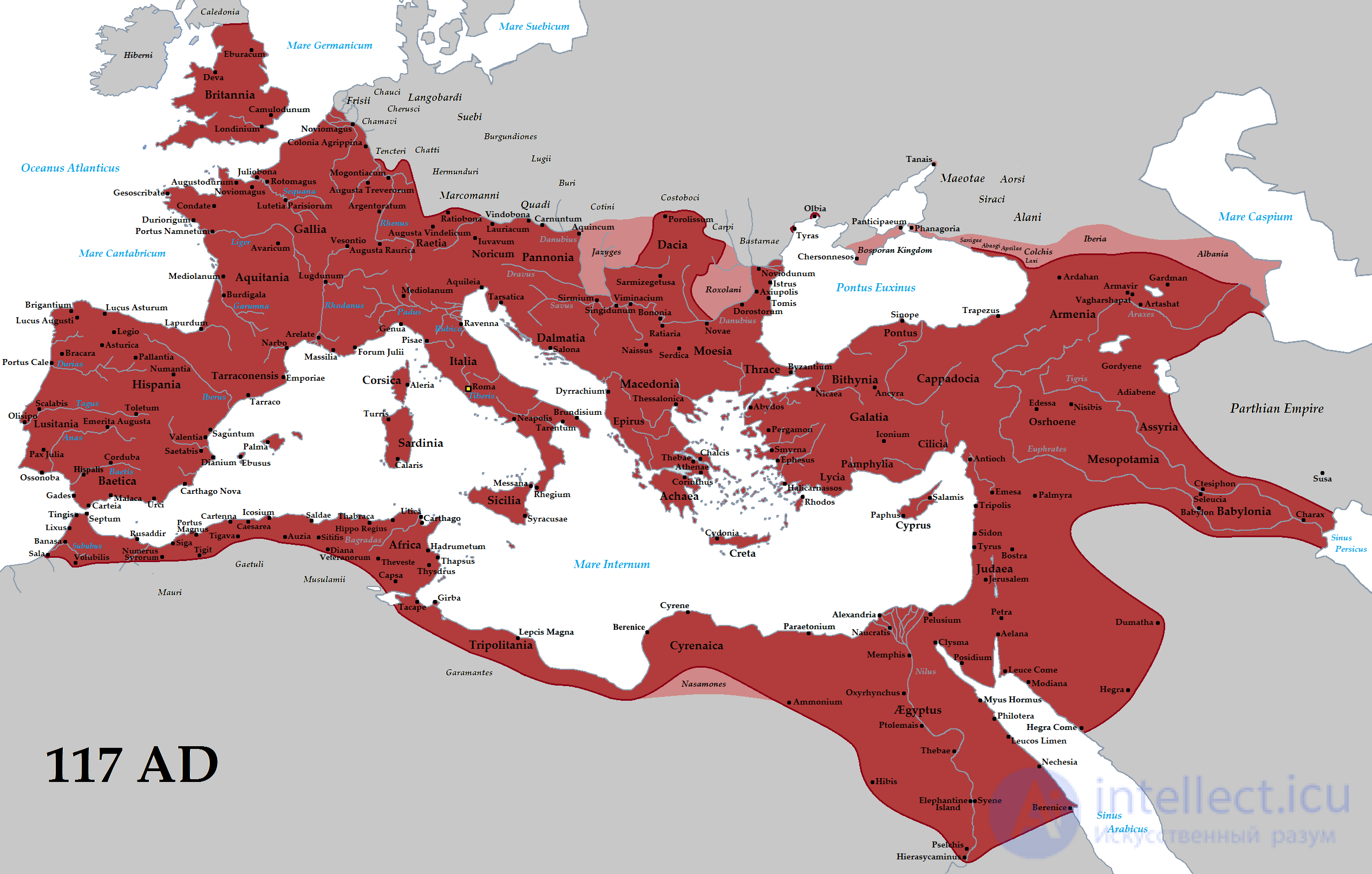

The Roman Empire in AD 117.
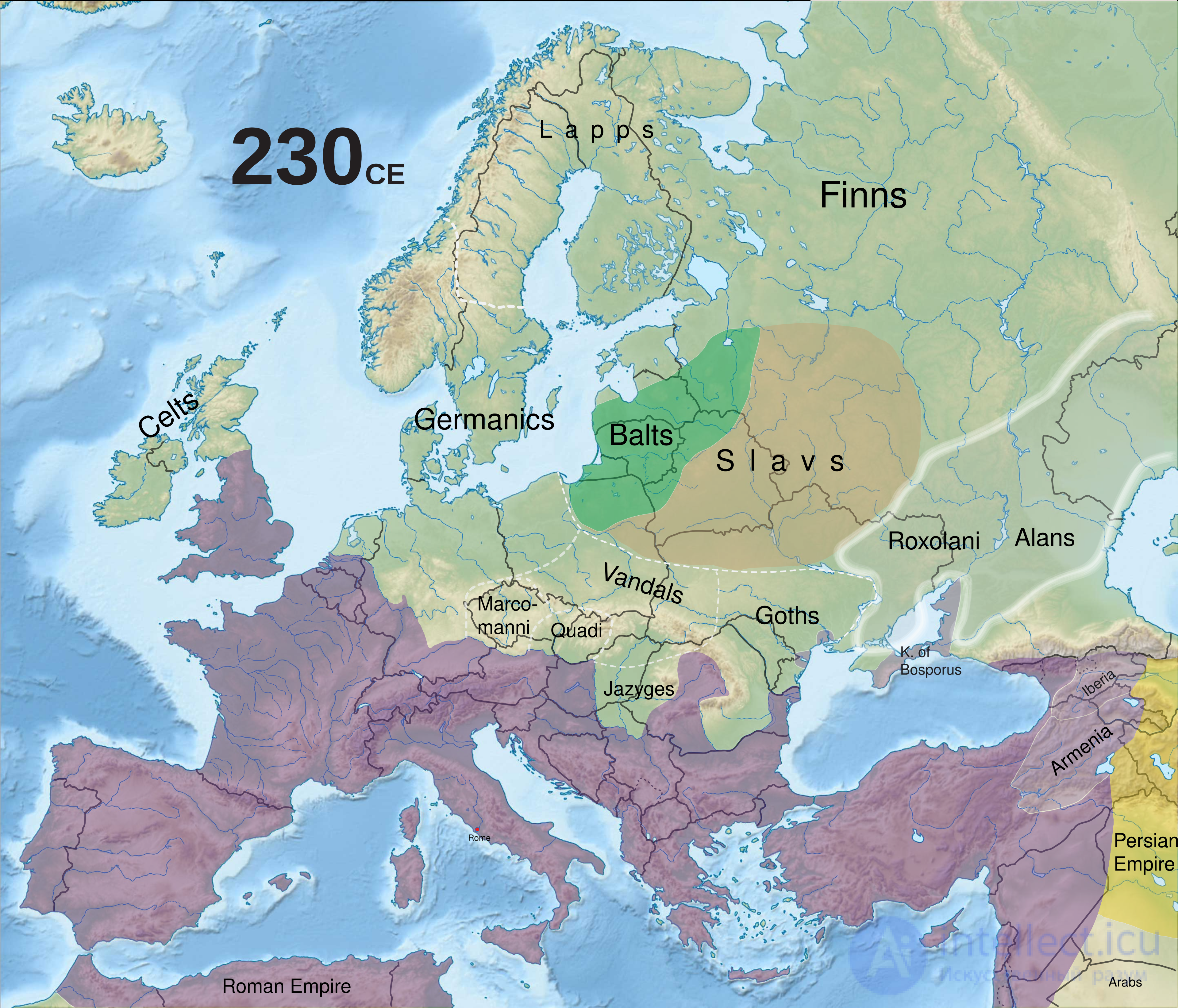
Europe, North Africa and the Near East in AD 230.
Meanwhile Maximinus, now declared an enemy of the people, had already begun a march on Rome with another army. The Senate's earlier candidates, the Gordians, had been unable to defeat him, and knowing that they themselves would be doomed to death if the emperor returned to Rome, the senators decided to elect a new emperor to oppose Maximinus. Having no better candidates, on 22 April 238 they elected as joint emperors two elderly senators, Pupienus and Balbinus (who had been members of a special senatorial commission investigating the affairs of Maximinus).
This choice, however, was not popular with the people, and the crowd pelted the new emperors with stones and sticks. Therefore Marcus Antonius Gordianus Pius, the thirteen-year-old grandson of Gordian I, was appointed emperor under the name Gordian III, his power being merely nominal, in order to calm the population of the capital, which still remained loyal to the Gordian family.
Pupienus was sent at the head of an army to repel Maximinus, while Balbinus remained in Rome. Meanwhile Maximinus had problems of his own. In early February he reached the city of Aquileia and learned there that the city supported his three opponents. Maximinus began a siege of the city, but without success. By April, discontent over this failure, the lack of success in the campaign as a whole, the lack of supplies and strong opposition from the Senate made the legionaries think about changing their allegiance.
Soldiers of the Legio II Parthica killed Maximinus in his own tent together with his son Maximus (who had been appointed deputy emperor in 236) and surrendered to Pupienus at the end of June. The bodies of Maximinus and his son were beheaded, and their heads were sent to Rome. In gratitude for saving Rome from a public enemy, the soldiers were pardoned and sent back to their provinces.
Then the co-emperor returned to Rome and found that a revolt was raging in the city. Balbinus had been unable to cope with the situation, and the city burned in a fire caused by the riot. For both emperors the situation calmed for a time, but the problems remained.
Coins from the period of their reign depict one of them on one side and, on the other side, two hands clasped in a handshake, which was meant to symbolize their cooperation. Nevertheless, their relationship was clouded by mutual suspicion from the very beginning: each feared an attempt on his life by the other. They planned enormous twin campaigns, Pupienus against the Parthians and Balbinus against the Carpi (according to Grant, against the Goths and the Persians respectively), but they often quarrelled and could not agree or trust each other.
During one such protracted dispute, on 29 July, the Praetorian Guard decided to intervene. The Praetorians burst into the room where the emperors were, seized them both, stripped them, dragged them naked through the streets, tortured them and finally killed them. On the same day Gordian III was proclaimed sole emperor (238–244), although in reality his advisers exercised power in his name. Together Pupienus and Balbinus ruled for only 99 days.
Gordian I and II were deified by the Senate.

Comments