
Lecture 47 min.
A scientist is a person who conducts scientific research to advance knowledge in a field of interest.
In classical antiquity, there was no genuine ancient counterpart to the modern scientist. Instead, philosophers who studied nature philosophically practiced what was called natural philosophy, a precursor of natural science. Only in the 19th century did the term "scientist" come into regular use, after it was introduced by theologian, philosopher, and historian of science William Whewell in 1833.
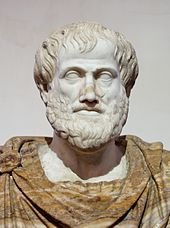
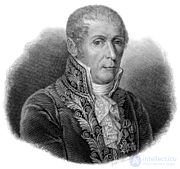
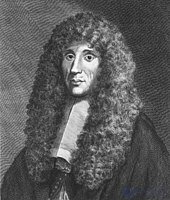
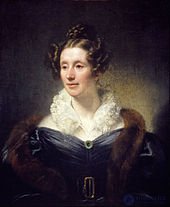
The roles of "scientists" and their predecessors, before the emergence of modern scientific disciplines, have changed considerably over time. Scientists of different eras (and, before them, natural philosophers, mathematicians, naturalists, engineers, and others who contributed to the development of science) occupied very different places in society, and the social norms, ethical values, and virtue epistemology associated with - and expected of - scientists have likewise changed over time. Accordingly, many historical figures can be identified as early scientists, depending on which characteristics of modern science are considered important.
Some historians point to the Scientific Revolution, which began in the 16th century, as the period when science developed into a recognizably modern form. It was only in the 19th century that substantial socioeconomic changes occurred that allowed scientists to become a major profession. [11]
Knowledge of nature in classical antiquity was pursued by many scholars. Greece's contributions to science - including work in geometry and mathematical astronomy, early descriptions of biological processes, catalogs of plants and animals, and theories of knowledge and learning - were produced by philosophers and physicians, as well as practitioners of various professions. These roles, and their connection to scientific knowledge, spread with the Roman Empire and, with the spread of Christianity, became closely tied to religious institutions in most European countries. Astrology and astronomy became an important field of knowledge, and the role of the astronomer/astrologer developed with the support of political and religious patronage. By the time of the medieval university system, knowledge was divided into the trivium - philosophy, including natural philosophy - and the quadrivium - mathematics, including astronomy. Consequently, medieval counterparts of scientists were often either philosophers or mathematicians. Knowledge of plants and animals was mostly the province of physicians.
Science in medieval Islam produced some new ways of developing natural knowledge, though still within existing social roles such as philosopher and mathematician. Many proto-scientists of the Islamic Golden Age are considered polymaths, in part because of the absence of anything corresponding to modern scientific disciplines. Many of these early polymaths were also religious clergy and theologians: for example, Alhazen and al-Biruni were mutakallimin; the physician Avicenna was a hafiz; the physician Ibn al-Nafis was a hafiz, muhaddith, and alim; the botanist Otto Brunfels was a Protestant theologian and historian; the astronomer and physician Nicolaus Copernicus was a priest. During the Italian Renaissance, scientists such as Leonardo da Vinci, Michelangelo, Galileo Galilei, and Girolamo Cardano were considered the most recognizable polymaths.
During the Renaissance, Italians made significant contributions to science. Leonardo da Vinci made significant discoveries in paleontology and anatomy. The father of modern science [12] [13] Galileo Galilei made key improvements to the thermometer and the telescope, which allowed him to observe and clearly describe the solar system. Descartes was not only a pioneer of analytic geometry, but also formulated a theory of mechanics [14] and advanced ideas about the origin of animal movement and perception. Vision interested the physicists Young and Helmholtz, who also studied optics, hearing, and music. Newton expanded on Descartes' mathematics by inventing calculus (simultaneously with Leibniz). He gave a comprehensive formulation of classical mechanics and studied light and optics. Fourier founded a new branch of mathematics - infinite periodic series - studied heat flow and infrared radiation, and discovered the greenhouse effect. Girolamo Cardano, Blaise Pascal, Pierre de Fermat, von Neumann, Turing, Khinchin, Markov, and Wiener - all mathematicians who made great contributions to science and probability theory, including ideas underlying computers, and some of the foundations of statistical mechanics and quantum mechanics. Many mathematically inclined scientists, including Galileo, were also musicians.
There are many compelling stories in medicine and biology, such as the development of ideas about blood circulation from Galen to Harvey.
In the Age of Enlightenment, Luigi Galvani, a pioneer of bioelectromagnetics, discovered animal electricity. He found that a charge applied to a frog's spinal cord could cause muscle spasms throughout its body. The charges could make frogs' legs jump even when the legs were no longer attached to the frogs. While cutting off a frog's leg, Galvani's steel scalpel touched a copper hook that was holding the leg in place. The leg twitched. Further experiments confirmed this effect, and Galvani became convinced that he was seeing the effects of what he called animal electricity, a vital force in the frog's muscles. At the University of Pavia, Galvani's colleague Alessandro Volta was able to reproduce the results but was skeptical of Galvani's explanations. [15]
Lazzaro Spallanzani is one of the most influential figures in experimental physiology and the natural sciences. His research had a lasting impact on the medical sciences. He made important contributions to the experimental study of bodily functions and animal reproduction. [16]
Francesco Redi discovered that microorganisms can cause disease.
Until the late 19th and early 20th centuries, scientists were still called "natural philosophers" or "men of science."
The English philosopher and historian of science William Whewell introduced the term " scientist" in 1833, and it first appeared in print in Whewell's anonymous 1834 review of Mary Somerville's work " On the Connexion of the Physical Sciences", published in Quarterly Review . [21]Whewell wrote of a "growing tendency to separation and dismemberment" in the sciences; while very specific terms - chemist, mathematician, naturalist - were spreading, the broad term "philosopher" no longer suited the task of uniting those engaged in science without the qualifiers "natural" or "experimental" philosopher. Whewell compared these growing divisions to Somerville's aim "[to render] the most important service to science" by "showing how the separate branches have, in the history of science, been united by the discovery of general principles." Whewell reported in his review that members of the British Association for the Advancement of Science had complained at recent meetings about the lack of a suitable term for "students of the collective knowledge of the material world." Referring to himself, he noted that "some ingenious gentleman suggested that, by analogy with artist , they might form the word scientist , and added that there could be no scruple about adopting this term, since we already have such words as economist. , and atheist, but on the whole it was not well received."
Whewell proposed this word again, more seriously (and not anonymously), in his 1840 book "The Philosophy of the Inductive Sciences" :
The endings ize (rather than ise ), ism and ist are applied to words of any origin: thus we may say pulverize , colonize , witticism , heathenism , journalist , tobacconist . Accordingly, we may coin such words when we need them. Since we cannot use physician for a cultivator of physics, I have called him a physicist . We very much need a name to describe a cultivator of science in general. I am inclined to call him a scientist. Thus we may say that, as an artist is a musician, a painter, or a poet, a scientist is a mathematician, a physicist, or a naturalist.
He also proposed the term physicist around the same time, as a counterpart to the French word Physicien . Neither of these terms gained wide currency until decades later; scientist became the generally accepted term in the United States by the late 19th century and in Britain around the turn of the 20th century. By the twentieth century, the modern conception of science as a distinct kind of knowledge about the world, practiced by a separate group and pursued through a unique method, was essentially in place.
Marie Curie became the first woman to win a Nobel Prize, and the first person to win it twice. Her efforts led to the development of nuclear energy and radiation therapy for treating cancer. In 1922, she was appointed a member of the International Commission on Intellectual Cooperation by the Council of the League of Nations. She advocated for scientists' right to patent their discoveries and inventions. She also advocated for free access to international scientific literature and to internationally recognized scientific symbols.
As a profession, scientists are widely recognized today. However, there is no formal process for determining who is and who is not a scientist. In a sense, anyone can be a scientist. Some professions have legal requirements for their practice (such as licensing), and some scientists are independent scientists, meaning they pursue science on their own, but there are no known licensing requirements for the practice of science.
Origin and Social Status of the Typical Scientist
Almost always, with rare exceptions, the typical scientist was born into or lives in a well-off family. This allows them to devote more time to scientific work than to solving everyday practical problems.
Today, many professional scientists are trained in academic settings (such as universities and research institutes), mainly at the graduate level. Upon completion, they typically receive an academic degree, with the highest degree being a doctoral degree, such as a Doctor of Philosophy (PhD). Although postgraduate education for scientists varies by institution and country, some common training requirements include specializing in a field of interest, publishing research results in peer-reviewed scientific journals and presenting them at scientific conferences, giving lectures or teaching, and defending a dissertation (or dissertations) during an oral examination. To help them in this endeavor, graduate students often work under the guidance of a mentor, usually a senior researcher, an arrangement that may continue even after they receive their doctorate, when they work as postdoctoral researchers.
After completing their training, many scientists build careers in a variety of work settings and conditions. In 2017, the British scientific journal Nature published the results of a large-scale survey of more than 5,700 doctoral students worldwide, asking them which sectors of the economy they would like to work in. Just over half of respondents wanted to pursue a career in academia, while smaller shares hoped to work in industry, government, and nonprofit organizations.
Scientists are motivated to work for different reasons. Many want to understand why the world is the way we see it and how it came to be. They display a strong curiosity about reality. Other motives include recognition from peers and prestige. The Nobel Prize, widely regarded as a prestigious award, [32] is awarded annually to those who have achieved scientific accomplishments in medicine, physics, chemistry, and economics.
Some scientists are driven by a desire to apply scientific knowledge for the benefit of people's health, of nations, of the world, of nature, or of industry (the academic scientist and the industrial scientist). Scientists tend to be less motivated by direct financial reward for their work than people in other professions. As a result, scientific researchers often accept lower average salaries compared to many other professions that require a similar level of training and qualifications.
Scientists include experimentalists, who mainly conduct experiments to test hypotheses, and theorists, who mainly develop models to explain existing data and predict new results. There is a continuum between the two activities, and the division between them is not sharp - many scientists perform both tasks.
Those who view science as a career often look toward new frontiers. These include cosmology and biology, especially molecular biology and the Human Genome Project. Other areas of active research include the study of matter at the scale of elementary particles, as described in high-energy physics, and materials science, which seeks to discover and create new materials. Although remarkable discoveries have been made regarding brain function and neurotransmitters, the nature of the mind and human thought still remains unknown.
Looking at the age of genius from a historical perspective, it turns out that it increases with every century. Isaac Newton discovered the theory of gravity when he was 23 - for the 17th century, that was the age of peak scientific form.
In the 20th century, the average age of peak scientific output rose by 6 years and, according to Jones's forecast, will keep rising. Scientists explain the aging of geniuses by two main factors.
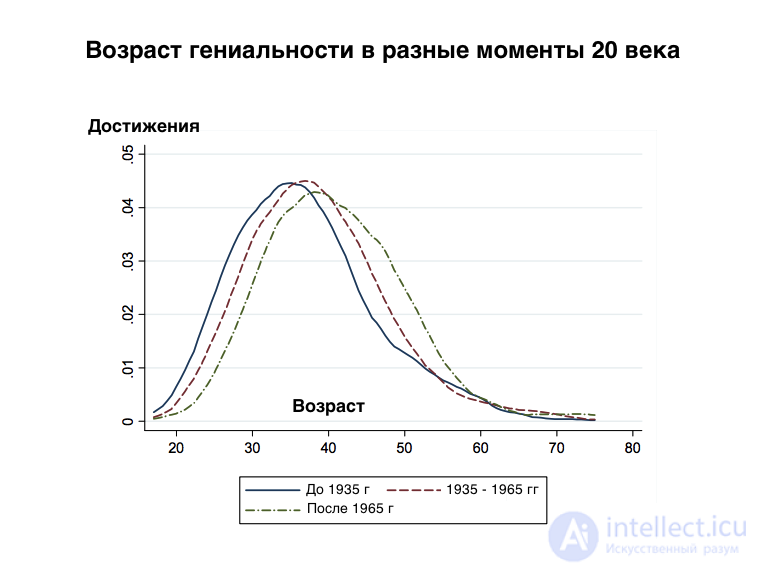
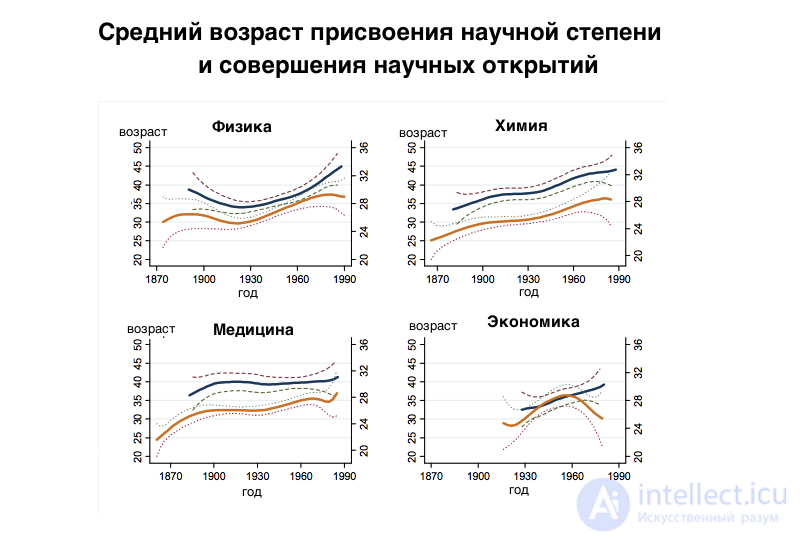
Physicists Mature Earlier Than Biologists
Every discipline has its own "age of genius." In the exact sciences it is lower than in the natural sciences. Among Americans who received the Nobel Prize before 1972, the average "age of genius" was 36 for physicists, 39 for chemists, and 41 for physiologists.
An independent scientist (historically also known as a gentleman scientist) is a financially independent researcher who conducts scientific research without direct affiliation to a state institution, such as a university or a government research and development body. The term "gentleman scientist" emerged in the post-Renaissance era but became less common in the 20th century as government and private funding increased.
Most independent scientists were, at some point in their careers, affiliated with some academic institution — as was the case with Charles Darwin, who was associated with the Geological Society of London. Self-funded scientists were more common from the Renaissance through the late 19th century, including the Victorian era, especially in England, before large-scale government and corporate funding became available. Many early Fellows of the Royal Society of London were independent scientists.
Modern independent scientists who fund their own research include, for example, Stephen Wolfram, who finances his research through the sale of Mathematica software, Julian Barbour, Aubrey de Grey, Barrington Moore, Susan Blackmore, James Lovelock, and John Wilkinson, who funds his research into "molecular synergy in nature" by running regulatory consulting services for natural products.
Peter Rich said of Peter D. Mitchell: "I think he would have found it difficult to get funding, because his ideas were quite radical." In 1978, Mitchell received the Nobel Prize in Chemistry. The chemist Luis Leloir funded the biochemical research institute he headed in Buenos Aires, Argentina. In 1970 he was awarded the Nobel Prize in Chemistry.
A mad scientist (also a mad doctor, or a crazy or evil professor) is a stock character among scientists who is portrayed as "crazy" or "insane" owing to a combination of unusual or disturbing personality traits and the unashamedly ambitious, taboo, or arrogant nature of their experiments. As a motif in fiction, the mad scientist may be villainous (an evil genius) or antagonistic, kind, or neutral; may be insane, eccentric, or bungling; and often works with fictional technology or fails to acknowledge and value common human objections to attempts to play God. Some may have benevolent or well-meaning intentions even when their actions are dangerous or questionable, which can make them accidental antagonists.
Mad scientists became most prominent in popular culture after World War II. The sadistic human experiments carried out under the auspices of the Nazis, particularly by Josef Mengele, and the invention of the atomic bomb during this period gave rise to genuine fears that science and technology had spiraled out of control. The fact that the development of science and technology during the Cold War led to growing threats of unprecedented destruction of the human species did nothing to lessen this impression. Mad scientists frequently appear in the science fiction and films of that era.
Women scientists.
The world of science has always been a male domain, and it was extremely difficult for a woman to enter it: because of discrimination, bans on higher education, financial difficulties, traditional duties (childbearing), and many other reasons. We have gathered the most interesting biographies of outstanding women scientists who managed to break stereotypes and bring their discoveries and inventions to the whole world.
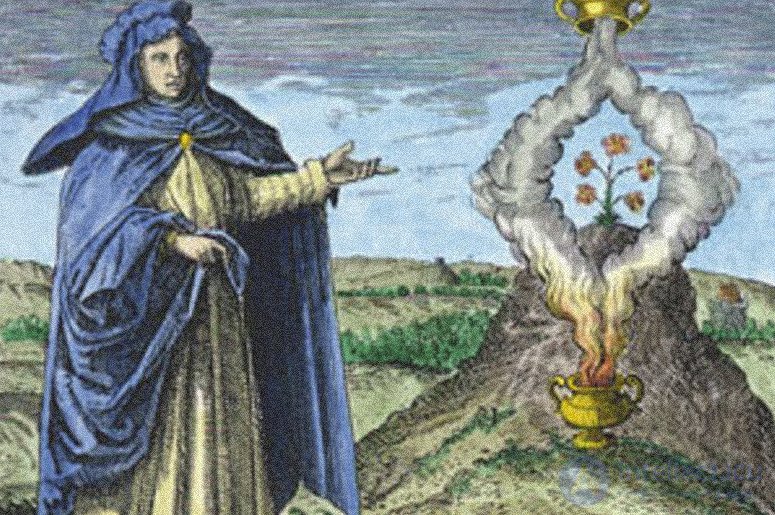
The first female alchemist, Mary the Jewess (Maria the Copt), lived in the 1st century in Jerusalem. She is considered a possible founder of the Alexandrian school of alchemy. Mary was the first to devise the water bath for heating liquids, created the world's first distillation apparatus — the tribikos — as well as the kerotakis, a closed vessel in which the thinnest plates of various metals were exposed to steam. Using these devices, she learned to separate liquid mixtures into individual substances. These were the first steps toward the production of strong alcohol and essences.
The scientific career of another woman — Hypatia of Alexandria, who lived in the 4th–5th centuries in Alexandria — took shape largely thanks to her father. Theon of Alexandria was a prominent scholar and the head of his own school, and he was able to give his daughter a good education and then arrange for her to teach philosophy, mathematics, and astronomy. After her father's death, from 405 she took over the running of his school in Alexandria and earned universal respect. Hypatia wrote scholarly works and invented several useful devices: a distiller, an astrolabe, and a hydrometer.
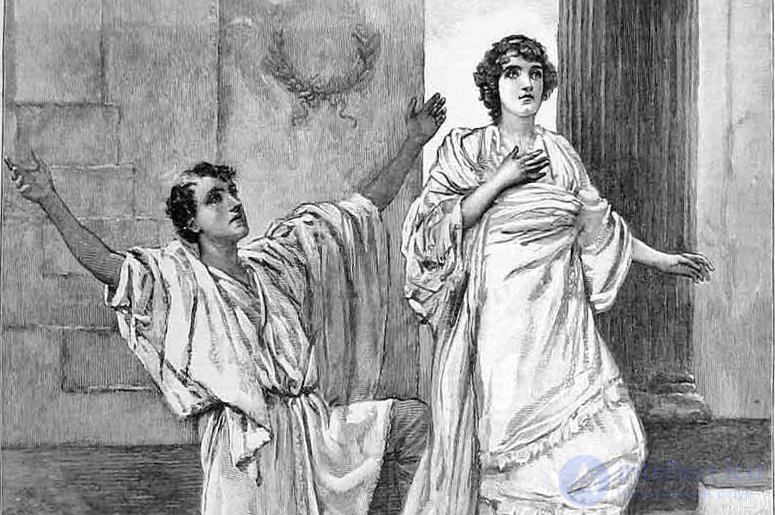
Right up until the 20th century, the career of a woman scientist has, as a rule, always involved the influence of a man. This might be a father, a brother, a husband, a lover, or simply an influential man acting as a patron. For example, the Italian Laura Bassi (1711–1778) was appointed professor of anatomy at the University of Bologna at the age of 21, elected to the Academy of Sciences at 22, and given a chair of philosophy at 23. She was helped in this by three men: her wealthy lawyer father, a good teacher — the university lecturer in biology, natural science, and medicine Gaetano Tacconi — and Cardinal Prospero Lambertini himself, who encouraged her scientific work.
From 1738, when Laura turned 27, another "helper" appeared in her life — a husband: in her marriage to academician Giuseppe Veratti she gave birth to 12 children. Did this hinder the clever woman's scientific career? Almost not at all. She began giving lectures at home on a regular basis, and the university even raised her salary so that the scholar could buy her own equipment. Laura taught physics for 28 years, wrote papers, and conducted experiments. She was the first woman since the Renaissance to be officially permitted to teach at a European university.
In 1745 she joined an elite group of 25 scholars established on the initiative of Pope Benedict XIV. Not all of the 24 men were pleased about this, but Bassi knew how to get her way. In the last two years of her life she headed the chair of experimental physics at the Institute of Sciences, with her academician husband serving as her assistant.
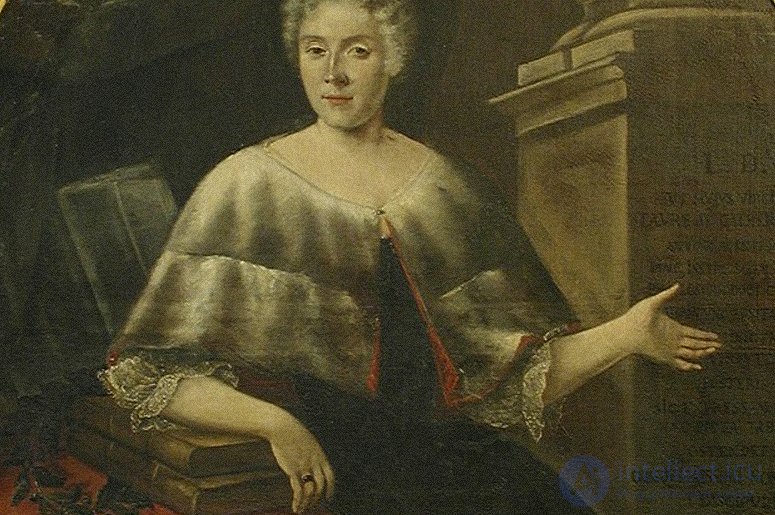
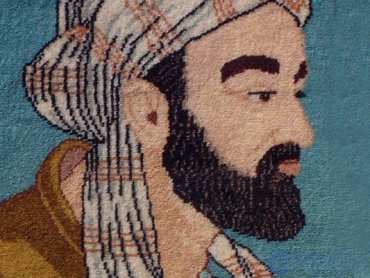
Avicenna wrote volumes of books on the natural sciences and was one of the most fearless fighters for freedom of thought in the Muslim East. Many of Avicenna's discoveries were experimentally confirmed by scientists hundreds of years later.
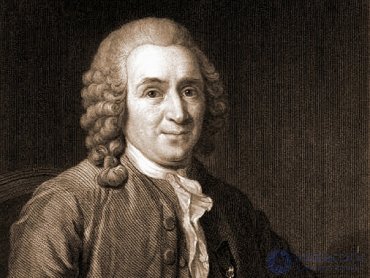
Carl Linnaeus was a Swedish naturalist and physician, the creator of a unified system for classifying the plant and animal kingdoms. He was one of the founders and a member of the Royal Swedish Academy of Sciences, the Paris Academy of Sciences, and others
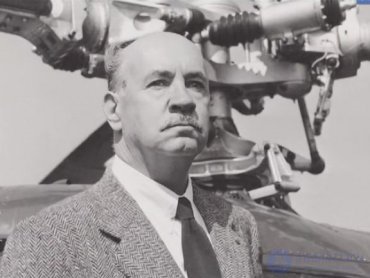
A Russian and American aircraft designer, scientist, inventor, and philosopher. Creator of the world's first four-engine aircraft, the "Russky Vityaz," the world's first heavy four-engine bomber, and passenger
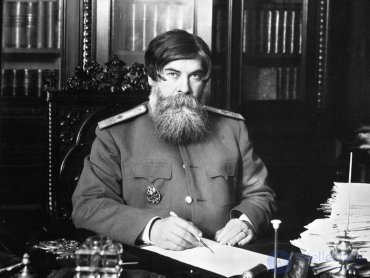
Vladimir Mikhailovich Bekhterev was an outstanding psychiatrist, neuropathologist, physiologist, and psychologist, the founder of reflexology in Russia. Founder of the Saint Petersburg Psychoneurological Research
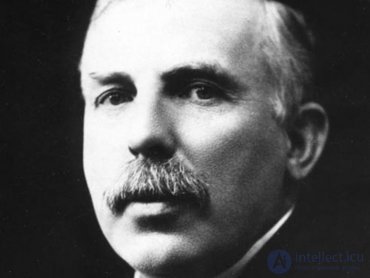
Sir Ernest Rutherford. August 30, 1871 – October 19, 1937. A New Zealand-born British physicist. Winner of the 1908 Nobel Prize in Chemistry. Fellow of the Royal Society of London.
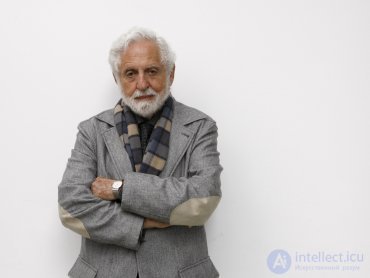
May 20 marked 55 years since the launch of the famous Pill (The Pill) — a contraceptive that significantly changed Western society. Nauchnaya Rossiya tells the story of its creator.
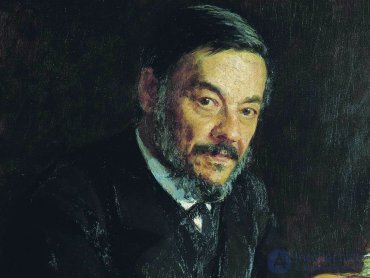
Ivan Mikhailovich Sechenov. August 13, 1829 – November 15, 1905.
An outstanding Russian physiologist and chemist, founder of the Russian school of physiology, an encyclopedic scientist, and honorary member of the Saint Petersburg Academy of Sciences.
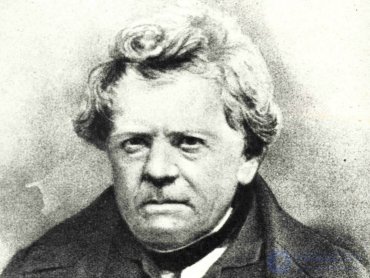
Georg Simon Ohm. March 16, 1789 – July 6, 1854. A famous German physicist. He derived theoretically and confirmed experimentally the law expressing the relationship between current, voltage, and resistance in a circuit.
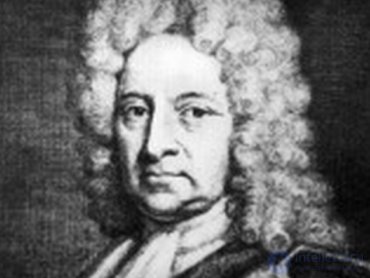
Edmond Halley. November 8, 1656 – January 14, 1742. An English astronomer, geophysicist, mathematician, meteorologist, and physicist. Made famous by the comet that bears his name.
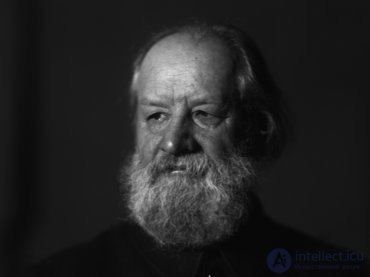
Alexei Nikolaevich Krylov. August 3 (15), 1863 – October 26, 1945. A Russian and Soviet shipbuilder, mechanical engineer, and mathematician, academician of the Saint Petersburg Academy of Sciences / Russian Academy of Sciences / USSR Academy of Sciences.
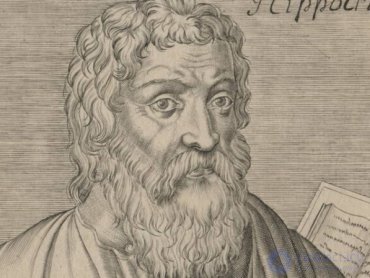
Hippocrates. Around 460 BC – between 377 and 356 BC. A famous ancient Greek physician. He went down in history as the "father of medicine." His name is included in the title of the physicians' oath and a number of medical terms
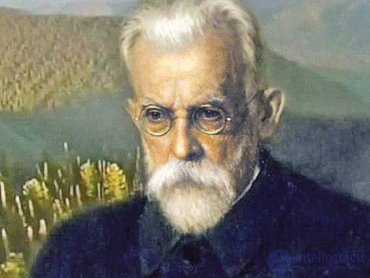
Vladimir Ivanovich Vernadsky. March 12, 1863 – January 6, 1945. A naturalist, thinker, and public figure. Academician of the Imperial Saint Petersburg Academy of Sciences and the USSR Academy of Sciences. One of the founders and the first president of the Ukrainian Academy of Sciences. Member of the Czechoslovak and Paris Academies of Sciences. Founder of scientific schools. Founder of geochemistry, biogeochemistry, radiogeology, and the doctrine of the biosphere, and organizer of many scientific institutions.
Nikolai Nikolaevich Miklouho-Maclay. July 5 (17), 1846 – April 2 (14), 1888. A Russian ethnographer, anthropologist, biologist, and traveler who studied the indigenous population of Southeast Asia, Australia, and Oceania, including the Papuans of the northeastern coast of New Guinea.
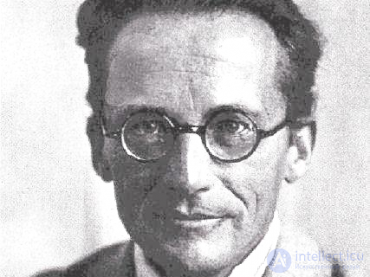
Erwin Rudolf Josef Alexander Schrödinger. August 12, 1887 – January 4, 1961. An Austrian theoretical physicist, one of the founders of quantum mechanics. Winner of the Nobel Prize in Physics.
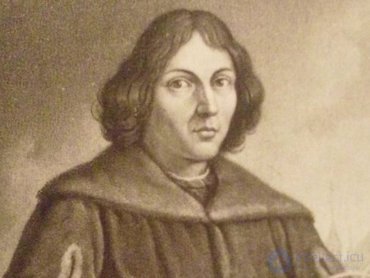
Nicolaus Copernicus. February 19, 1473 – May 24, 1543. A Polish Renaissance astronomer, mathematician, mechanician, economist, and physician. Known as the author of the heliocentric model of the universe.
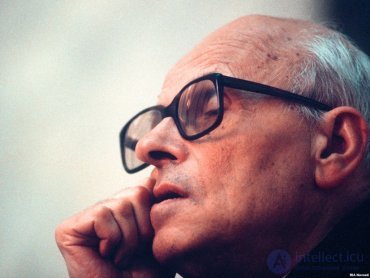
Andrei Dmitrievich Sakharov. May 21, 1921 – December 14, 1989. A Soviet physicist, academician of the USSR Academy of Sciences, one of the creators of the Soviet hydrogen bomb, three-time Hero of Socialist Labor, and laureate of the Lenin and Stalin Prizes. People's Deputy of the USSR. Winner of the Nobel Peace Prize (1975).
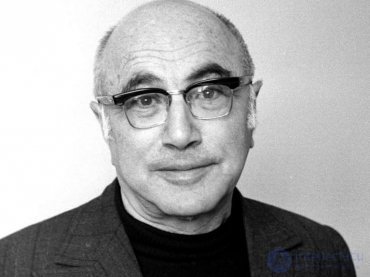
Yakov Borisovich Zeldovich. March 8, 1914 – December 2, 1987. A Soviet physicist and physical chemist. Academician of the USSR Academy of Sciences, three-time Hero of Socialist Labor, laureate of the Lenin Prize and four State (Stalin) Prizes.
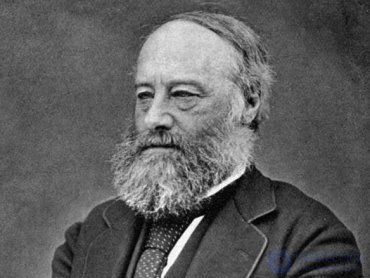
James Prescott Joule. December 24, 1818 – October 11, 1889. An English physicist. Made a significant contribution to the establishment of thermodynamics. Experimentally substantiated the law of conservation of energy. The SI unit of work and energy, the joule, was named in his honor.
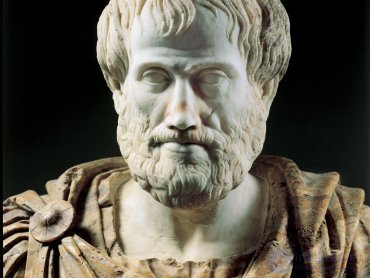
Aristotle. 384 – 322 BC. A philosopher, the founder of formal logic, and the creator of many concepts and terms in philosophy.
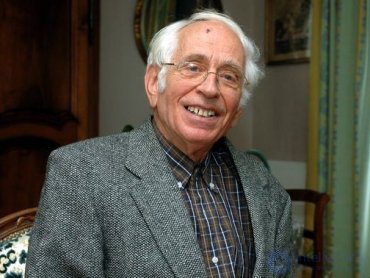
Yves Chauvin
The biography of the French chemist, winner of the 2005 Nobel Prize.
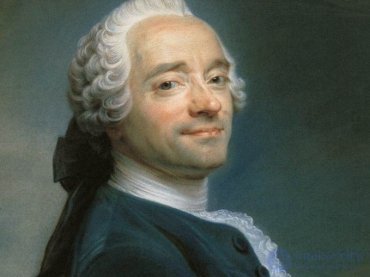
Jean le Rond d'Alembert. November 16, 1717 – October 29, 1783. A French encyclopedist scholar, philosopher, mathematician, and mechanician, member of the Paris Academy of Sciences, the French Academy, the Saint Petersburg Academy, and numerous other academies. One of the authors of the famous Encyclopédie.
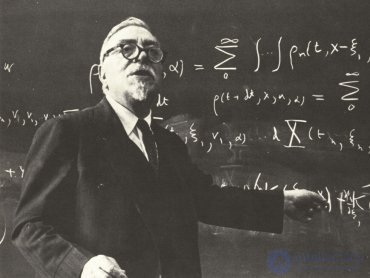
Norbert Wiener was an American scientist, an outstanding mathematician and philosopher, and the founder of cybernetics and the theory of artificial intelligence.
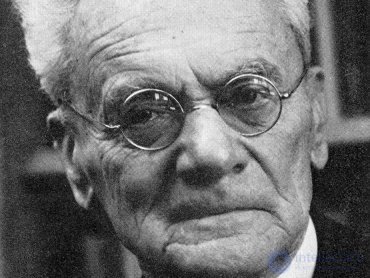
Karl Ritter von Frisch. November 20, 1886 – June 12, 1982. An Austrian ethologist, winner of the Nobel Prize in Physiology or Medicine.
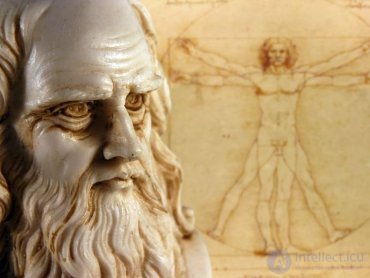
Leonardo di ser Piero da Vinci. April 15, 1452 – May 2, 1519. An Italian artist and scientist, inventor, writer, and musician, one of the greatest representatives of the art of the High Renaissance.
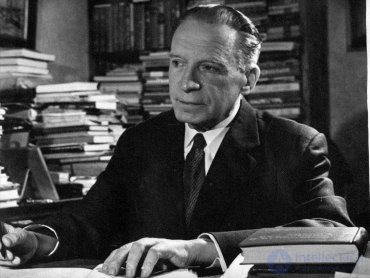
Alexander Leonidovich Chizhevsky. January 26 (February 7), 1897 – December 20, 1964. A Soviet scientist and biophysicist, one of the founders of heliobiology, air ionization, and electrohemodynamics, an inventor, philosopher, poet, and artist.
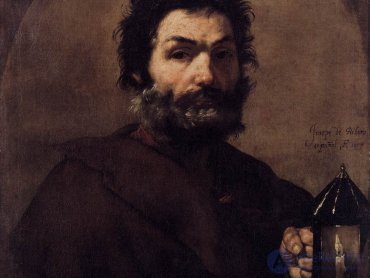
Diogenes of Sinope. Around 412 BC – June 10, 323 BC. An ancient Greek philosopher, a pupil of Antisthenes, the founder of the Cynic school.
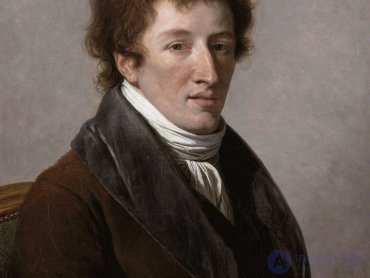
Georges Léopold Cuvier. August 23, 1769 – May 13, 1832. A French naturalist.
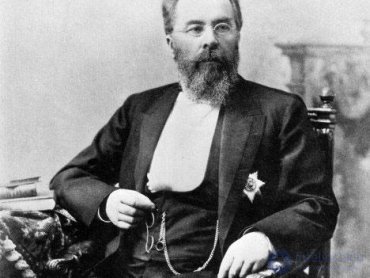
Nikolai Vasilyevich Sklifosovsky. March 25 (April 6), 1836 – November 30 (December 13),
1904. A Russian medical scientist.
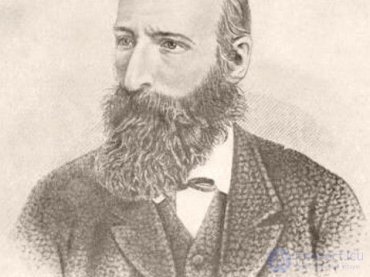
Alexander Nikolaevich Afanasyev. A Russian literary scholar, folklorist, and historian. "Creator" of the Russian fairy tale.
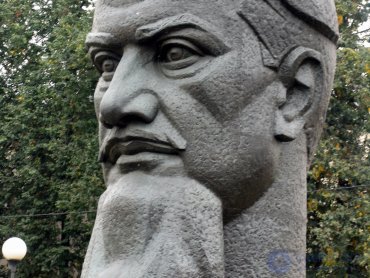
Igor Vasilyevich Kurchatov. January 8 (21), 1903 – February 7, 1960. A Soviet physicist, the "father" of the Soviet atomic bomb and the "peaceful atom."
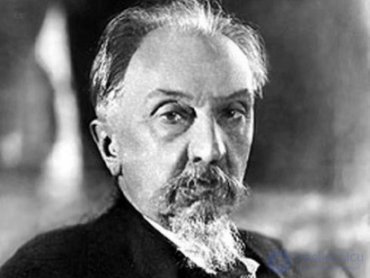
Lev Vladimirovich Shcherba. February 20 (March 3), 1880 – December 26, 1944. A Russian and Soviet linguist, academician of the USSR Academy of Sciences. A specialist in general linguistics and the Russian, Slavic, and French languages.
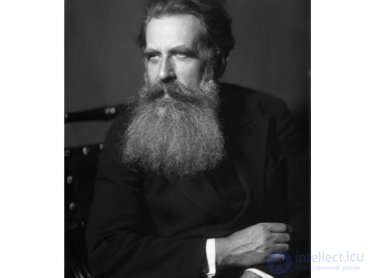
Otto Yulyevich Schmidt. September 18 (30), 1891 – September 7, 1956. A Soviet mathematician, geographer, geophysicist, astronomer, and explorer of the Arctic. Academician of the USSR Academy of Sciences. Hero of the Soviet Union.
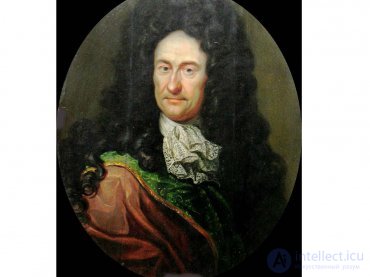
Gottfried Wilhelm Leibniz. July 1, 1646 – November 14, 1716. A German philosopher, mathematician, mechanician, physicist, lawyer, historian, and linguist. Founder and first president of the Berlin Academy of Sciences.
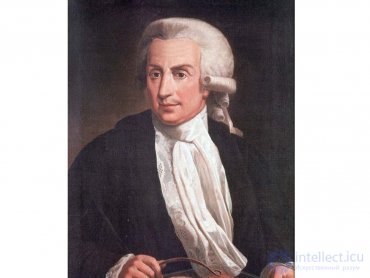
Luigi Galvani. September 9, 1737 – December 4, 1798. An Italian physician, anatomist, physiologist, and physicist, one of the founders of electrophysiology and the study of electricity, and the founder of experimental electrophysiology.
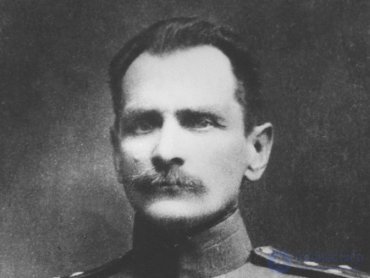
Vladimir Klavdievich Arsenyev. August 29 (September 10), 1872 – September 4, 1930. A Russian and Soviet geographer, ethnographer, writer, and explorer of the Far East.
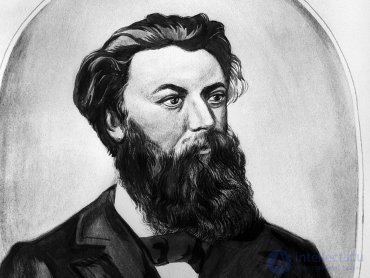
Pavel Nikolaevich Yablochkov. September 14 (26), 1847 – March 19 (31). A Russian electrical engineer, military engineer, and inventor. He developed the arc lamp, which went down in the history of technology as the "Yablochkov candle."
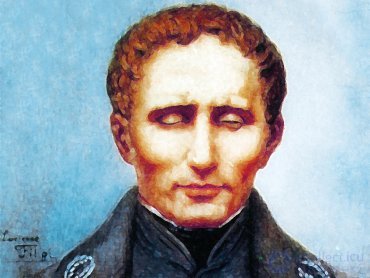
Louis Braille. January 4, 1809 – January 6, 1852. A French teacher of the blind. Author of a writing system for the visually impaired.
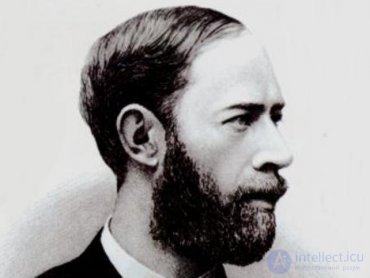
Heinrich Rudolf Hertz. February 22, 1857 – January 1, 1894. A German physicist. The unit of frequency, the hertz, which is part of the International System of Units (SI), was named in his honor.
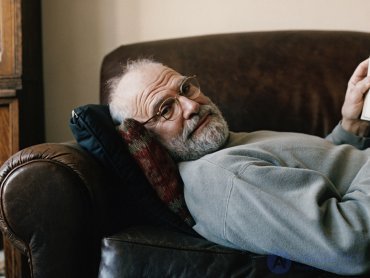
The Nauchnaya Rossiya portal introduces readers to the biography of the famous American neurologist and writer Oliver Sacks.
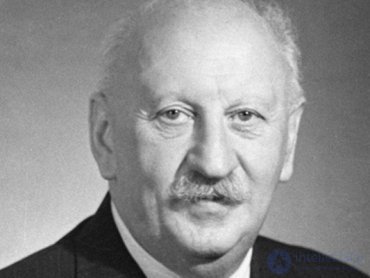
Abram Fedorovich Ioffe. October 17 (29), 1880 – October 14, 1960. A Russian and Soviet physicist, an organizer of science, academician and vice-president of the USSR Academy of Sciences, and the founder of a scientific school. Hero of Socialist Labor.
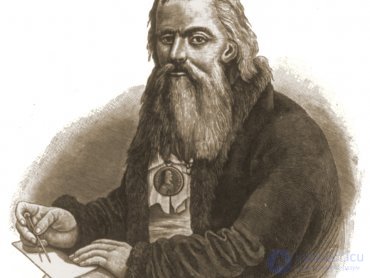
Ivan Petrovich Kulibin — a Russian inventor, nicknamed the "Nizhny Novgorod Archimedes."
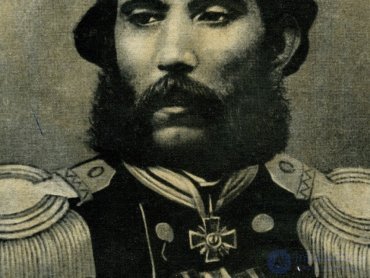
Pavel Matveevich Obukhov — a mining engineer and metallurgical scientist who discovered a method for producing high-quality steel. Founder of a large-scale production of cast steel and steel gun barrels in Russia.
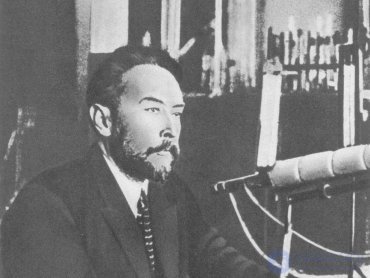
Sergei Vasilyevich Lebedev — a chemist and scientist, creator of an industrial method for producing synthetic rubber. Academician of the USSR Academy of Sciences.
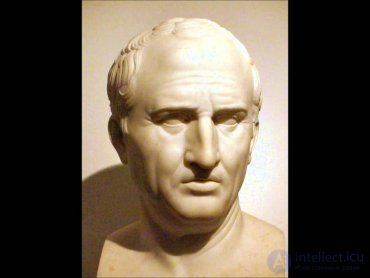
Marcus Tullius Cicero — an ancient Roman statesman, orator, and philosopher.
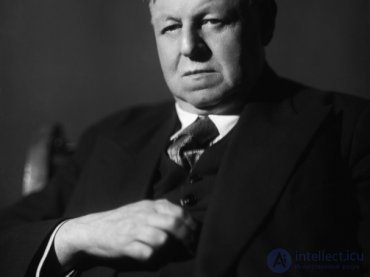
Evgeny Viktorovich Tarle — a Russian and Soviet historian, academician of the USSR Academy of Sciences. A popular biographer.
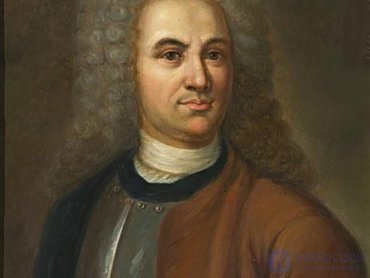
Vasily Nikitich Tatishchev — a Russian historian, geographer, economist, and statesman, author of the first major work on Russian history.
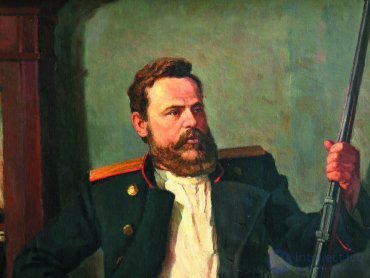
Sergei Ivanovich Mosin — a Russian designer and organizer of small arms production. Major General. Creator of the three-line rifle that bears his name.
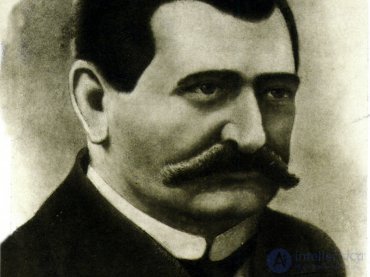
Alexander Nikolaevich Lodygin — a Russian electrical engineer, one of the inventors of the incandescent lamp.
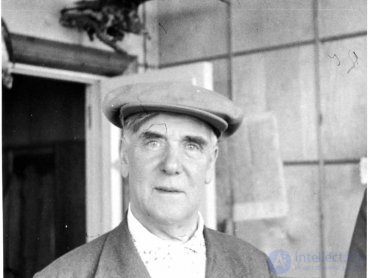
Pyotr Leonidovich Kapitsa — a Soviet physicist, founder of the Institute for Physical Problems. One of the founders of the Moscow Institute of Physics and Technology. Winner of the Nobel Prize in Physics.
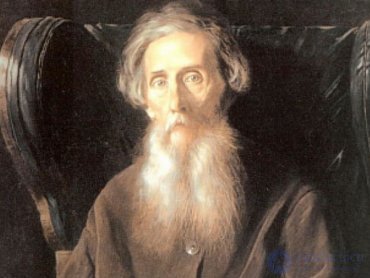
Vladimir Ivanovich Dal — a Russian scientist and lexicographer, compiler of the "Explanatory Dictionary of the Living Great Russian Language." Honorary academician of the Saint Petersburg Academy of Sciences.
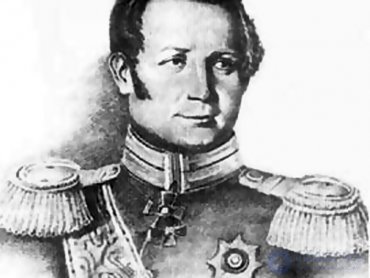
Pavel Petrovich Anosov - Russian metallurgist, researcher of the nature of the Southern Urals. Creator of Russian bulat steel.
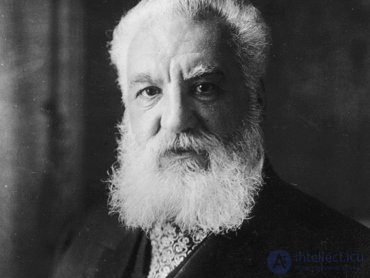
Alexander Graham Bell - Scientist, inventor, and businessman, one of the founders of telephony.
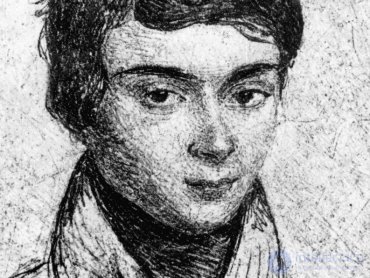
Évariste Galois - French mathematician, founder of modern abstract algebra.
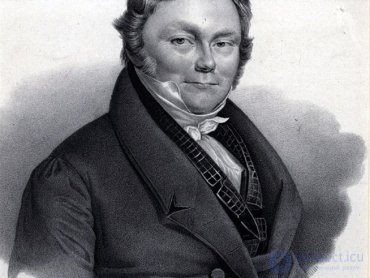
Jöns Jacob Berzelius - Swedish chemist, president of the Royal Swedish Academy of Sciences. Discoverer of several chemical elements. Baron.
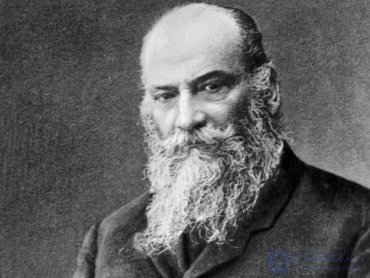
Nikolai Yegorovich Zhukovsky. January 5 (17), 1847 – March 17, 1921. Russian mechanician, founder of the science of aerodynamics.
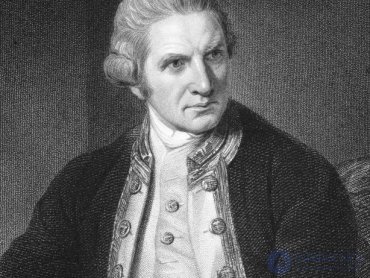
James Cook. October 27, 1728 – February 14, 1779. English explorer and cartographer, member of the Royal Society.
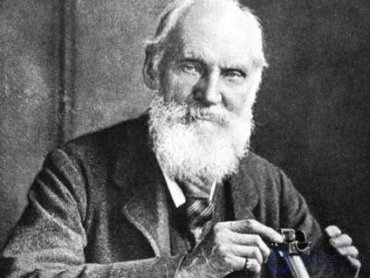
William Thomson, Lord Kelvin. June 26, 1824 – December 17, 1907. British mathematician, physicist, and engineer.
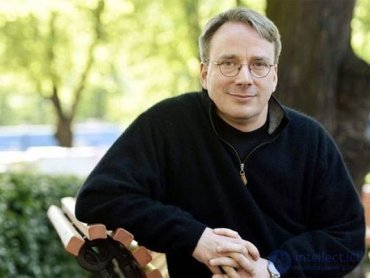
Linus Benedict Torvalds - Finnish-American software engineer. Creator of Linux, the most widespread of the free operating systems.
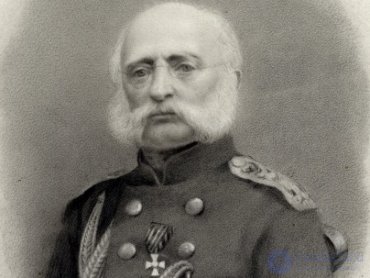
Ferdinand Petrovich Wrangel. Russian military officer and statesman, navigator and polar explorer, admiral, honorary member of the St. Petersburg Academy of Sciences.
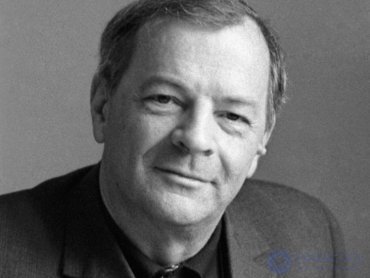
Lev Andreyevich Artsimovich. Soviet physicist, academician of the USSR Academy of Sciences. Hero of Socialist Labor, laureate of the Lenin Prize, the Stalin Prize, and the State Prize.
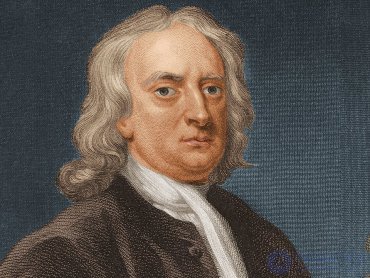
Isaac Newton. December 25, 1642 – March 20, 1727 (Julian calendar, in use in England until 1752), or January 4, 1643 – March 31, 1727 (Gregorian calendar).
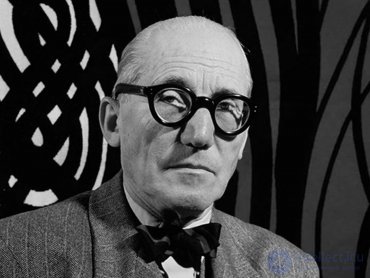
Le Corbusier (Charles-Édouard Jeanneret-Gris). October 6, 1887 – August 27, 1965.
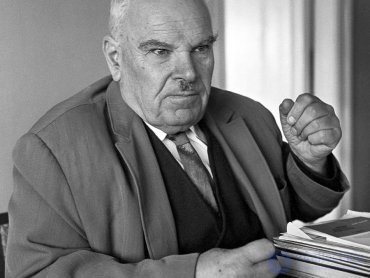
Nikolai Ilyich Kamov. September 1 (14), 1902 – November 24, 1973.
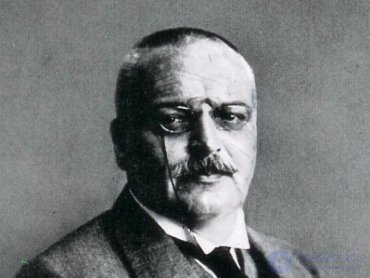
Alois Alzheimer. June 14, 1864 – December 19, 1915. German psychiatrist and neurologist. His name became a household term for age-related dementia.
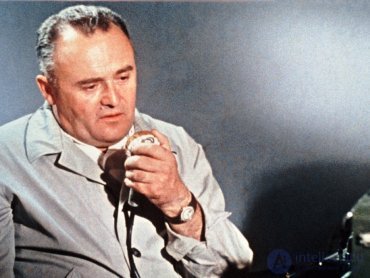
The list of rocket weaponry created by Korolev could fill several pages. Ballistic, strategic, and intercontinental missiles - all those R- and N-series rockets with various numbers - reliably protected the country.
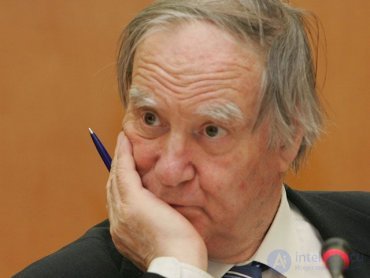
Sergei Petrovich Kapitsa. February 14, 1928 – August 14, 2012.
Scientist, Doctor of Physical and Mathematical Sciences, professor.
Longtime host of the popular science TV program "Evident, but Incredible." Editor-in-chief of the magazine "In the World of Science."
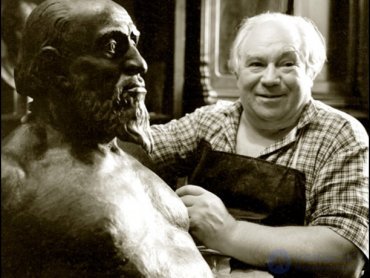
Mikhail Mikhailovich Gerasimov - Soviet anthropologist, archaeologist, and sculptor, Doctor of Historical Sciences.
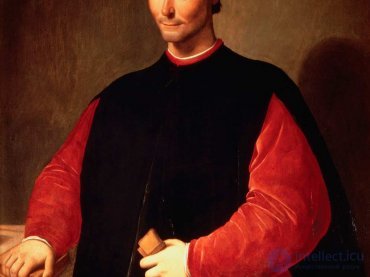
Niccolò Machiavelli - Italian thinker, philosopher, writer, statesman, and political scientist.
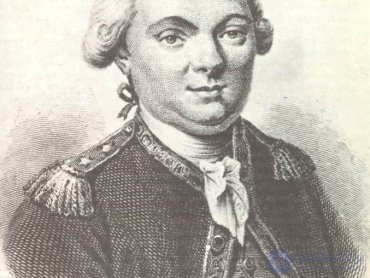
Jean-François de Galaup, Comte de Lapérouse - Great French navigator and geographer.
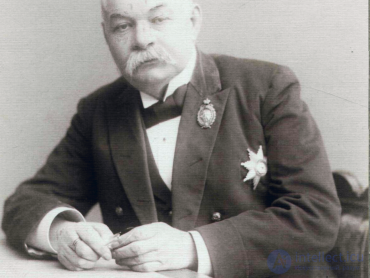
Ivan Vladimirovich Tsvetaev - Russian historian, archaeologist, philologist, and art historian, corresponding member of the St. Petersburg Academy of Sciences.
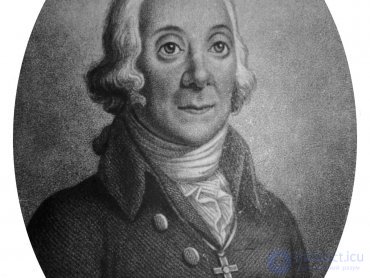
Peter Simon Pallas - German and Russian polymath, naturalist, and traveler of the 18th–19th centuries.
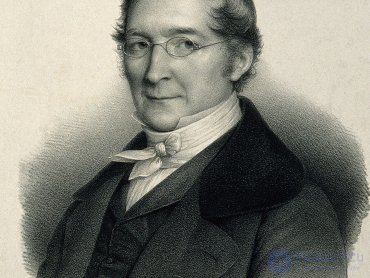
Joseph Louis Gay-Lussac - French chemist and physicist, member of the French Academy of Sciences.
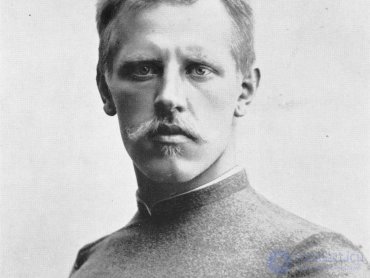
Fridtjof Wedel-Jarlsberg Nansen - Norwegian polar explorer, zoologist, founder of the new science of physical oceanography, political and public figure, Nobel Peace Prize laureate.
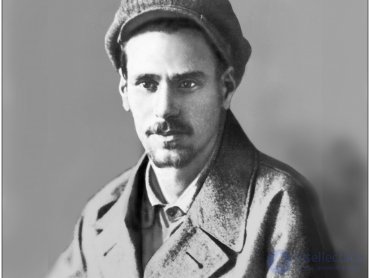
Yuri Vasilyevich Kondratyuk - Soviet scientist, one of the founders of cosmonautics.
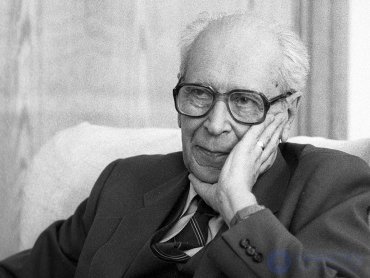
Dmitry Sergeyevich Likhachev - Russian philologist, cultural historian, art historian, academician of the Russian Academy of Sciences.
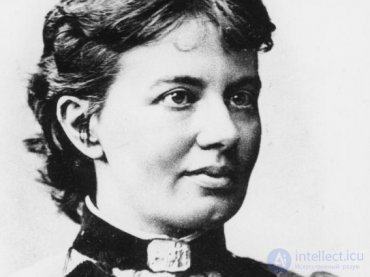
Sofya Vasilyevna Kovalevskaya - Russian mathematician and mechanician, foreign corresponding member of the St. Petersburg Academy of Sciences.
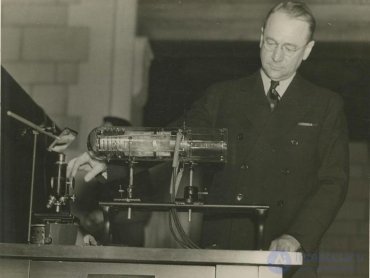
Vladimir Kozmich Zworykin. Russian and American engineer. One of the inventors of modern television
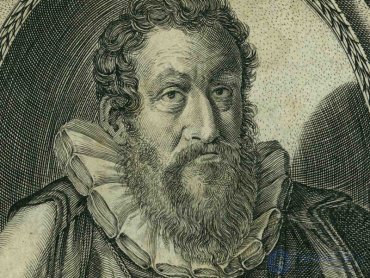
Gerolamo Cardano. Italian mathematician, engineer, philosopher, physician, and astrologer. Inventor of the cardan shaft
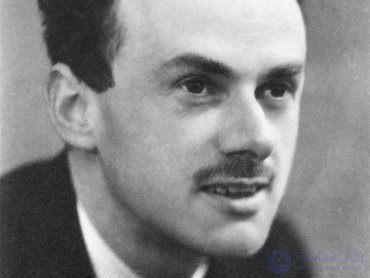
Paul Adrien Maurice Dirac. English theoretical physicist, one of the founders of quantum mechanics. Nobel Prize laureate in Physics, 1933
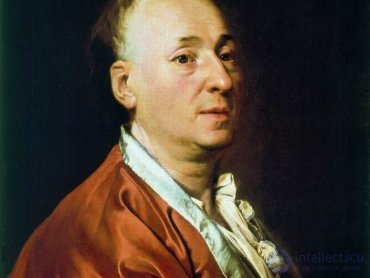
Denis Diderot. French writer and Enlightenment philosopher. Foreign honorary member of the St. Petersburg Academy of Sciences
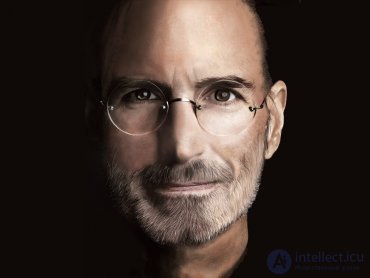
Steven Paul (Steve) Jobs. Pioneer of the IT era. The "I-man"
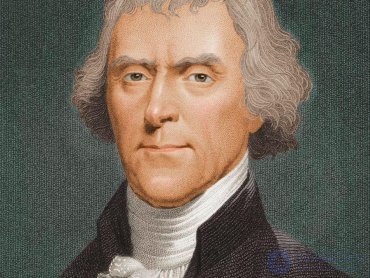
Thomas Jefferson. Outstanding statesman, diplomat, lawyer, and philosopher of the Enlightenment, one of the Founding Fathers of the United States. Third President of the United States. Author of the most famous text on human rights
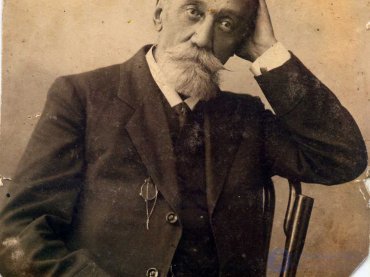
Pyotr Nikolayevich Gorlov. Russian mining engineer and geologist, public figure. The city of Horlivka is named after him
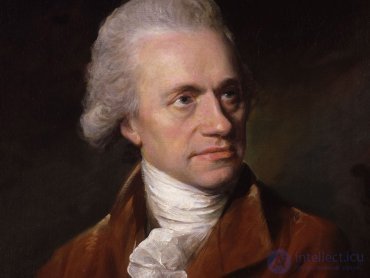
Frederick William Herschel. English astronomer. Discoverer of the planet Uranus and its moons. Composer of 24 symphonies
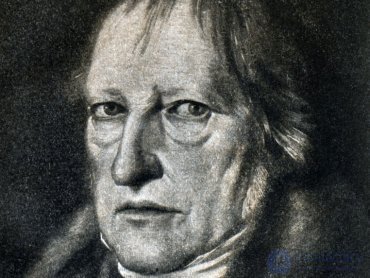
Georg Wilhelm Friedrich Hegel. German philosopher, one of the founders of German classical philosophy and the philosophy of Romanticism
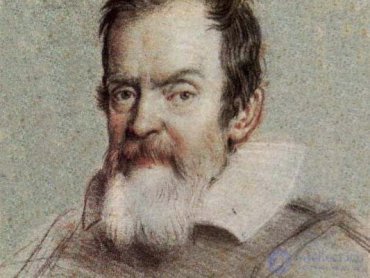
Galileo Galilei. Italian physicist, mechanician, astronomer, philosopher, and mathematician, founder of experimental physics. He never actually said "And yet it moves"
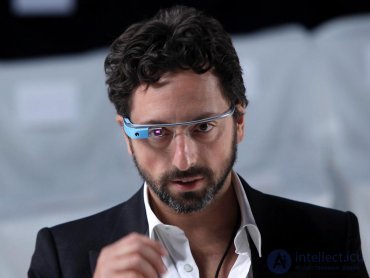
Sergey Mikhailovich Brin. American entrepreneur and computer scientist working in information technology and economics, co-developer and co-founder (with Larry Page) of the Google search engine
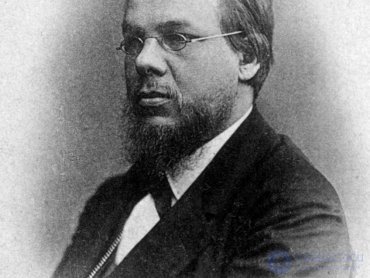
Sergei Petrovich Botkin. Russian physician and medical scientist. Privy Councillor. Physician-in-ordinary
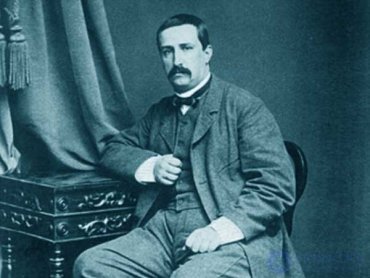
Alexander Porfiryevich Borodin. Russian chemist. And composer.
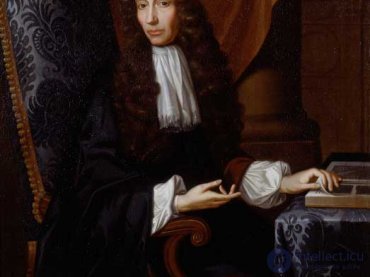
Robert Boyle. January 25, 1627 – December 30, 1691. British physicist, chemist, and theologian. Co-founder of the Royal Society of London. Author of one of the fundamental gas laws. Colleague of Mariotte.
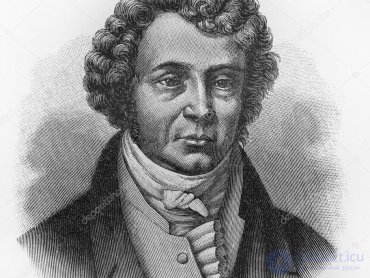
André-Marie Ampère. January 20, 1775 – June 10, 1836. Great French physicist, mathematician, and naturalist, member of the Paris Academy of Sciences. The "man of electric current"
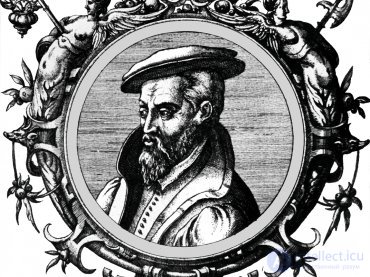
Georgius Agricola. March 24, 1494 – November 21, 1555. German scholar, one of the fathers of mineralogy.
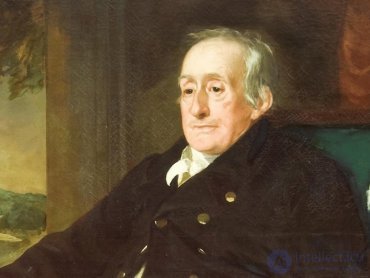
Henry Cavendish. British physicist and chemist, member of the Royal Society of London.
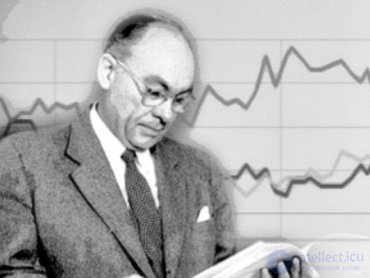
George Gallup. Statistician, sociologist, educator, author of scientific methods for studying public opinion. A household name in public opinion research.
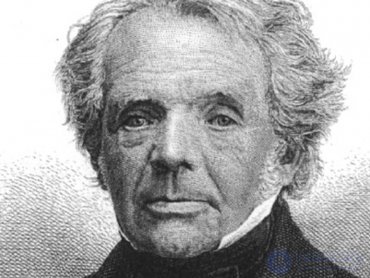
August Ferdinand Möbius. German mathematician, mechanician, and theoretical astronomer. Creator of the most famous strip in mathematics
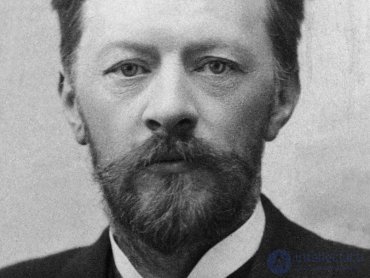
Vladimir Grigoryevich Shukhov. Russian engineer, architect, inventor, and scientist. Corresponding member (1928) and honorary member (1929) of the USSR Academy of Sciences, Hero of Labor (1932)
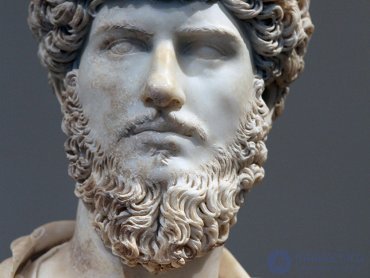
Marcus Aurelius Antoninus. Roman emperor of the Antonine dynasty, philosopher, representative of late Stoicism. The "philosopher on the throne"
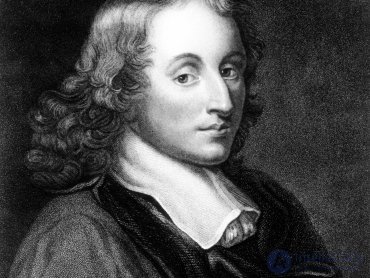
Blaise Pascal. French mathematician, mechanician, physicist, and philosopher. One of the founders of mathematical analysis, probability theory, and projective geometry
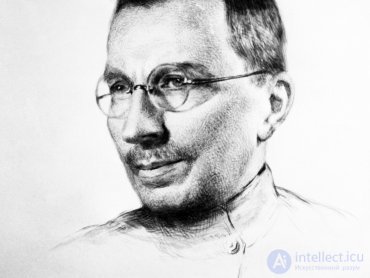
Anton Semyonovich Makarenko. Soviet educator and writer. The "pedagogical poet"
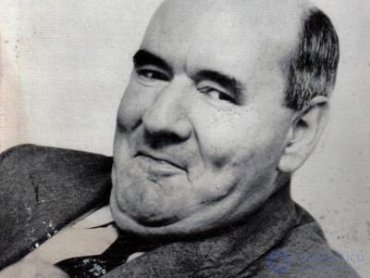
Cyril Northcote Parkinson. British historian, political scientist, and writer, author of satirical works on business, management, and political science. Achieved worldwide fame as the author of Parkinson's Law
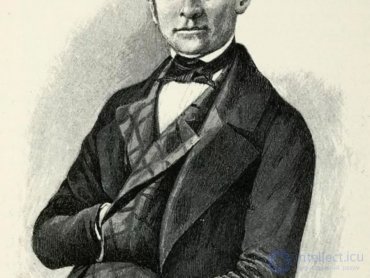
Leonty Filippovich Magnitsky. Russian mathematician and educator. Teacher of mathematics at the School of Mathematical and Navigational Sciences in Moscow, author of Russia's first mathematics textbook
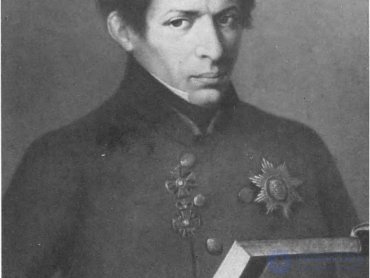
Nikolai Ivanovich Lobachevsky. Russian mathematician, creator of non-Euclidean geometry
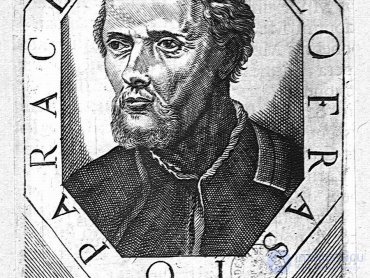
Paracelsus (real name Philippus Aureolus Theophrastus Bombastus von Hohenheim). Renowned alchemist and physician of Swiss-German origin, one of the founders of iatrochemistry
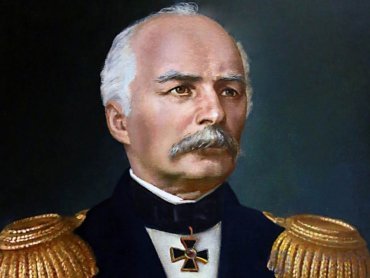
Gennady Ivanovich Nevelskoy. Explorer of the Russian Far East. Full member of the Imperial Russian Geographical Society. He "turned" Sakhalin into an island
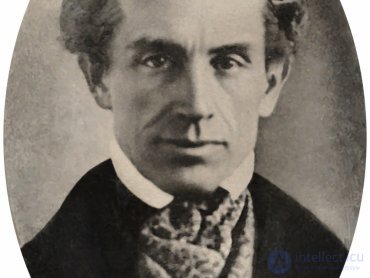
Samuel Finley Breese Morse. American inventor and artist. His best-known inventions are the electromagnetic recording telegraph, or "Morse apparatus," and Morse code
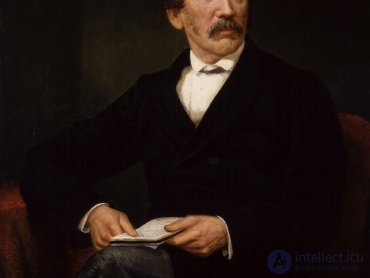
David Livingstone. Outstanding explorer of Africa
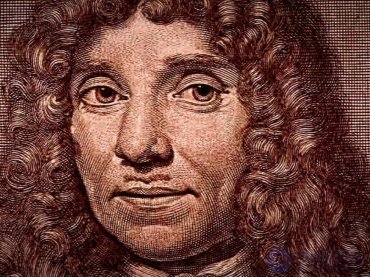
Antonie van Leeuwenhoek. Dutch naturalist, maker of microscopes. The "father" of microbiology
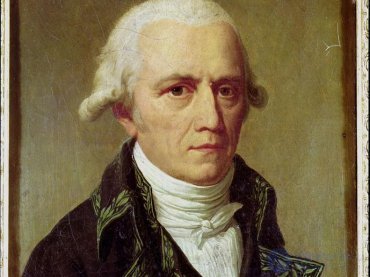
Jean-Baptiste Pierre Antoine de Monet de Lamarck. French naturalist
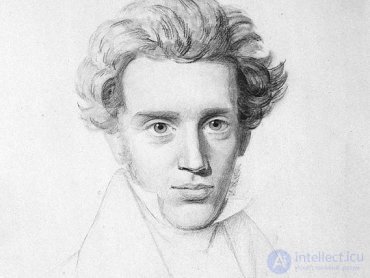
Søren Aabye Kierkegaard. Danish religious philosopher and writer, father of existentialism
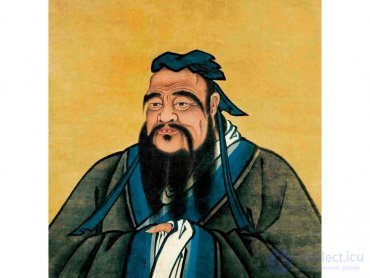
Confucius (real name Kong Qiu). Chinese thinker, philosopher, and teacher
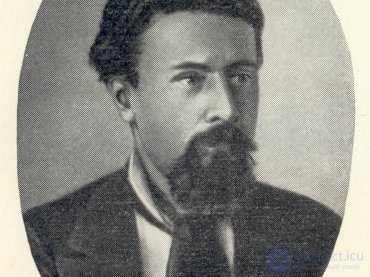
Nikolai Ivanovich Kibalchich. Russian revolutionary, member of Narodnaya Volya, inventor, participant in the assassination attempt on Alexander II
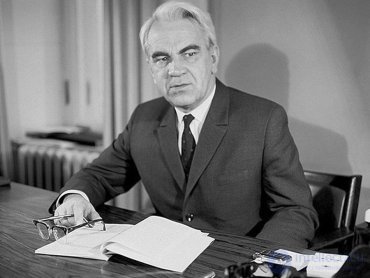
Mstislav Vsevolodovich Keldysh. Soviet scientist in applied mathematics and mechanics, a major organizer of Soviet science, one of the key figures behind the Soviet space program
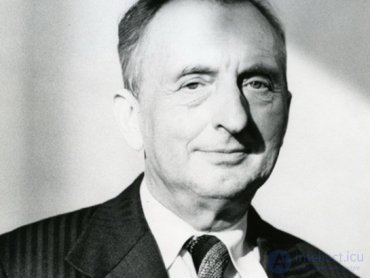
Alexander Mikhailovich Prokhorov. Russian physicist, one of the founders of quantum electronics, twice Hero of Socialist Labor, laureate of the Lenin Prize and the USSR State Prize, and the State Prize of the Russian Federation
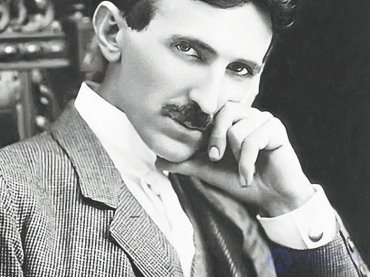
Nikola Tesla. Physicist and engineer, inventor in the field of electrical and radio engineering
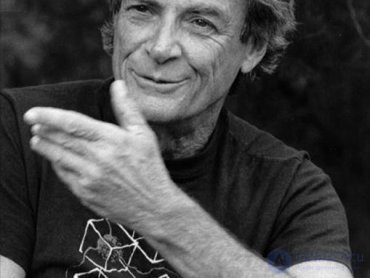
Richard Phillips Feynman. Outstanding American scientist. One of the founders of quantum electrodynamics, one of the developers of the atomic bomb. Reformer of physics teaching methods at the university level. Nobel Prize laureate in Physics
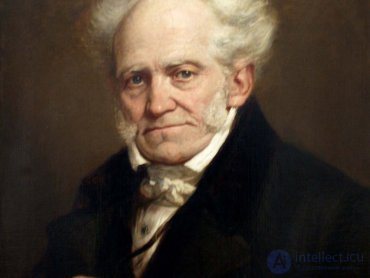
Arthur Schopenhauer. German philosopher. Often called the "philosopher of pessimism"
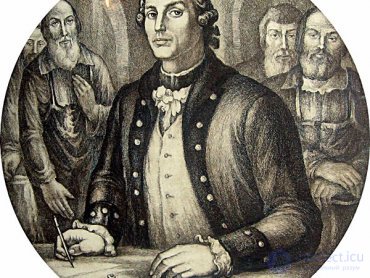
Ivan Ivanovich Polzunov. Russian inventor, creator of Russia's first steam engine and the world's first two-cylinder steam engine
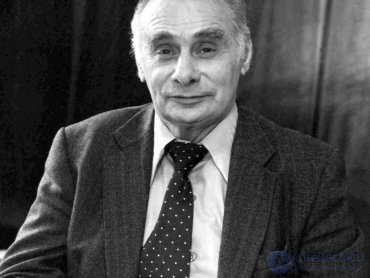
Georgy Nikolayevich Flyorov. Soviet nuclear physicist, one of the founders of the Joint Institute for Nuclear Research in Dubna. Academician of the USSR Academy of Sciences
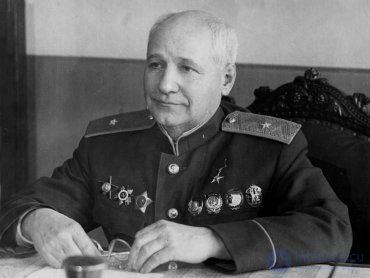
Andrei Nikolayevich Tupolev. Russian and Soviet aircraft designer, academician of the USSR Academy of Sciences. Hero of Labor, three-time Hero of Socialist Labor, laureate of the Lenin Prize, four Stalin Prizes, and the State Prize
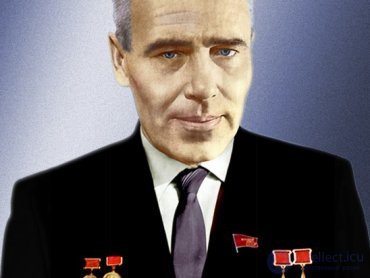
Mikhail Kuzmich Yangel. Soviet designer of rocket and space systems. Doctor of Technical Sciences, academician of the USSR Academy of Sciences. Twice Hero of Socialist Labor
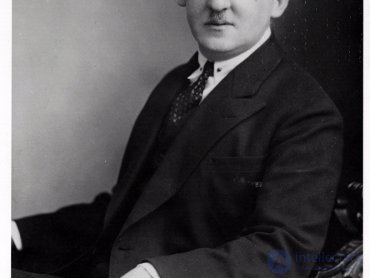
Yakov Isidorovich Perelman. Scientist and popularizer of science. Author of numerous books on "entertaining" science
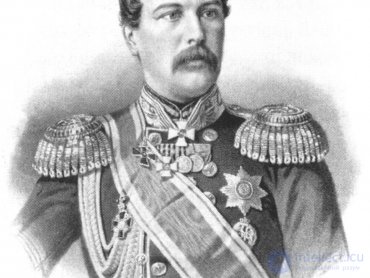
Eduard Ivanovich Totleben. Military engineer, builder
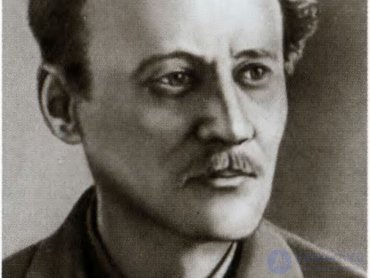
Friedrich Arturovich Zander. Soviet scientist, one of the pioneers of rocket technology
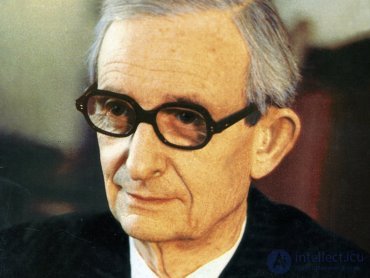
Yuli Borisovich Khariton. Soviet and Russian theoretical physicist and physical chemist. One of the leaders of the Soviet atomic bomb project
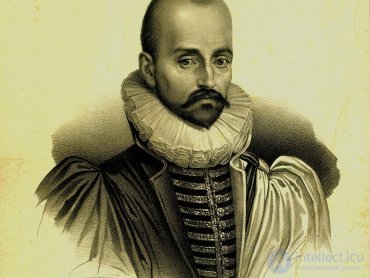
Michel de Montaigne. French writer and philosopher of the Renaissance. Renowned for his wise reflections
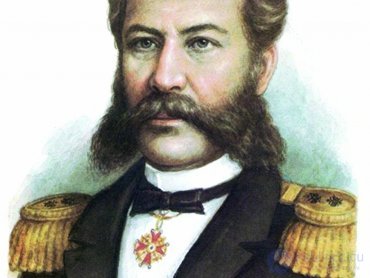
Alexander Fyodorovich Mozhaysky. Inventor, pioneer of aviation, built the first airplane
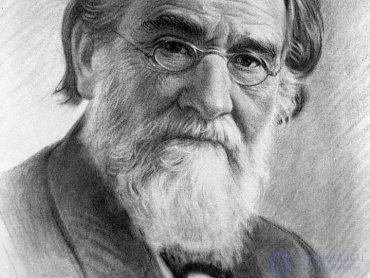
Ilya Ilyich Mechnikov. Russian biologist, microbiologist, cytologist, embryologist, immunologist, and physiologist. Honorary member of the St. Petersburg Academy of Sciences. Nobel Prize laureate in Physiology or Medicine. Promoter of soured milk
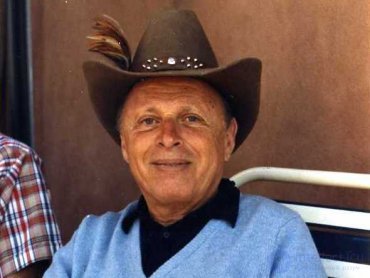
Isaak Khalatnikov
The outstanding physicist Isaak Markovich Khalatnikov celebrates his hundredth birthday
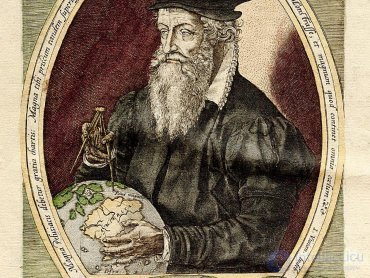
Gerardus Mercator. Flemish cartographer and geographer. Promoter of the projection bearing his name. Author of the first Atlas
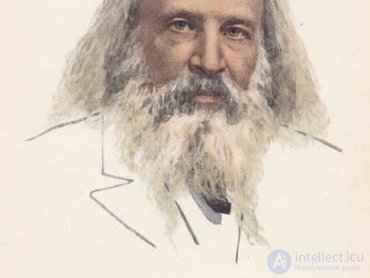
Dmitri Ivanovich Mendeleev. Russian chemist, metrologist, technologist, economist, and encyclopedic scholar. Author of the periodic law of chemical elements. Professor. Corresponding member of the St. Petersburg Academy of Sciences
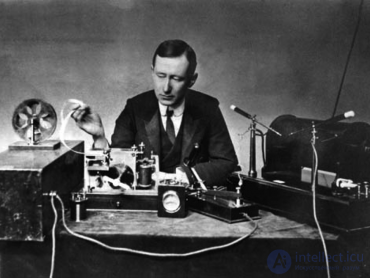
An Italian radio engineer, Nobel Prize laureate in Physics. A rival of Popov
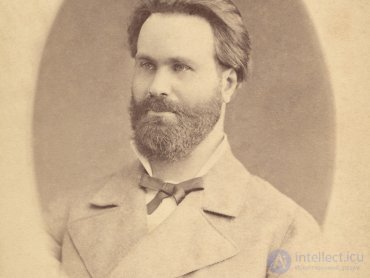
A Russian zoologist, naturalist, and popularizer of science. Angler, hunter. Expert on dogs. Master of the Horse of the Imperial Court
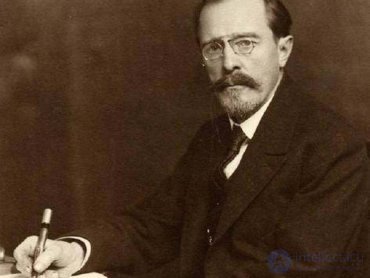
A Russian photographer, chemist, inventor, publisher, educator, and public figure, member of the Imperial Russian Geographical Society, the Imperial Russian Technical Society, and the Russian Photographic Society. A man of the highest caliber
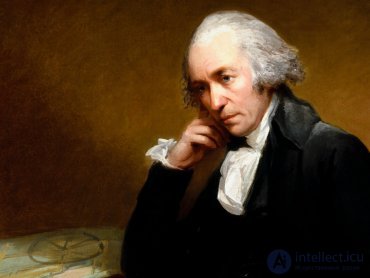
A Scottish scientist, engineer, and mechanical inventor. Member of the Royal Society of Edinburgh, the Royal Society of London, and the Paris Academy of Sciences. A unit of power is named after him
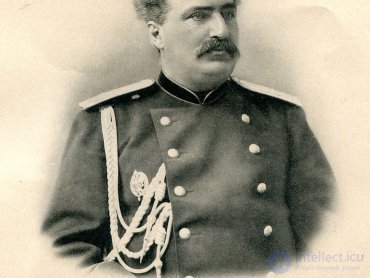
A Russian scientist and traveler. Honorary member of the St. Petersburg Academy of Sciences. Known for a horse species named after him
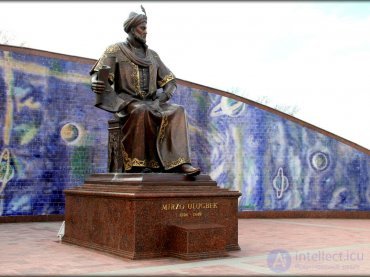
Ulugh Beg
Central Asian statesman, ruler of the Timurid Turkic empire. Known as an outstanding mathematician, astronomer, educator, and poet
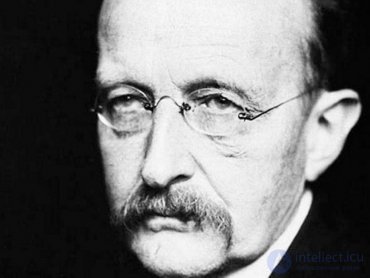
Max Planck
German theoretical physicist, founder of quantum physics. Nobel Prize laureate in Physics
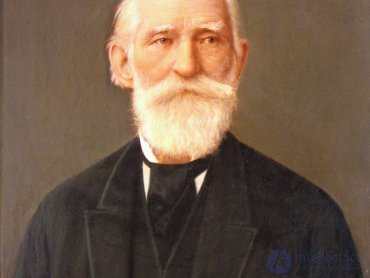
Pafnuty Chebyshev
Russian mathematician and mechanician, founder of the St. Petersburg mathematical school, academician of the St. Petersburg Academy of Sciences
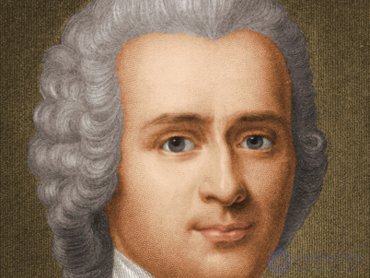
Jean-Jacques Rousseau
French philosopher, writer and thinker
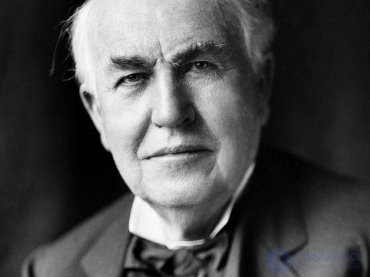
Thomas Edison
American inventor and entrepreneur who received more than a thousand patents in the United States and about 3,000 in other countries. In 1930 he became a foreign honorary member of the USSR Academy of Sciences
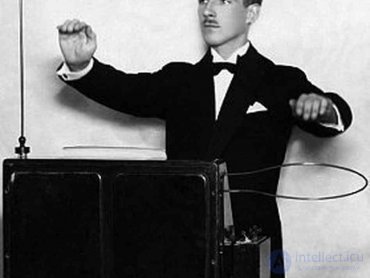
Léon Theremin
Lev Sergeyevich Termen. Russian and Soviet inventor, creator of a family of musical instruments, the most famous of which is the theremin. Laureate of the Stalin Prize, First Degree
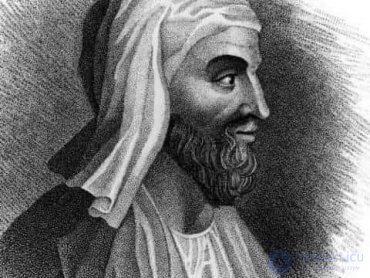
Plutarch
Plutarch. Ancient Greek philosopher and historian
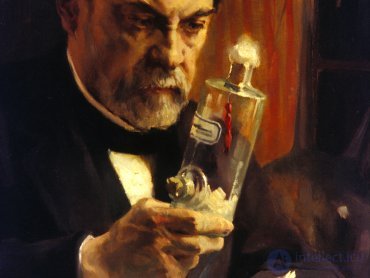
Louis Pasteur
Louis Pasteur. French microbiologist and chemist, member of the French Academy. One of the founders of microbiology and immunology. Invented pasteurization, cured beer and wine. Saves people from rabies
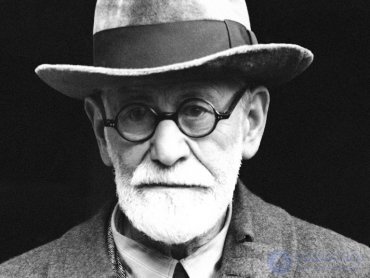
Sigmund Freud
Sigmund Freud. Austrian psychoanalyst, psychiatrist and neurologist, founder of psychoanalysis
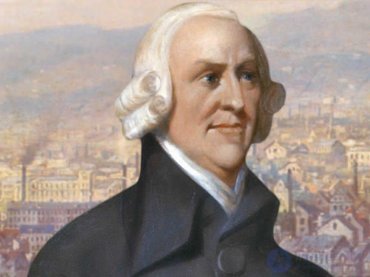
Adam Smith
Adam Smith. Scottish economist and philosopher, one of the founders of modern economic theory. Fellow of the Royal Society of London
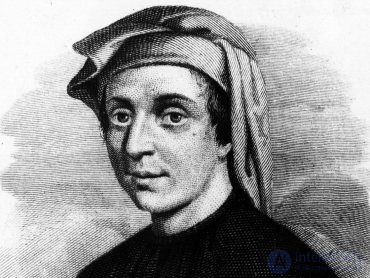
Fibonacci
Leonardo of Pisa. The first major mathematician of medieval Europe. Best known by the nickname Fibonacci
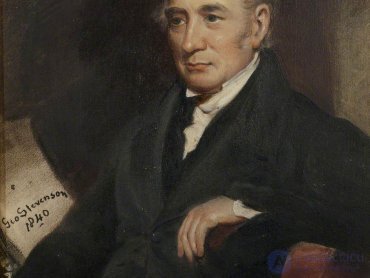
George Stephenson. English inventor and mechanical engineer. Considered one of the "fathers" of rail transport
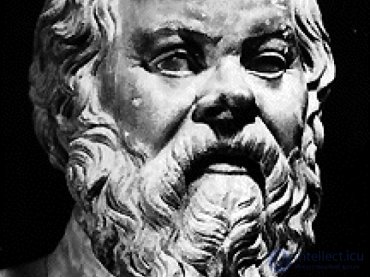
Socrates. Ancient Greek philosopher
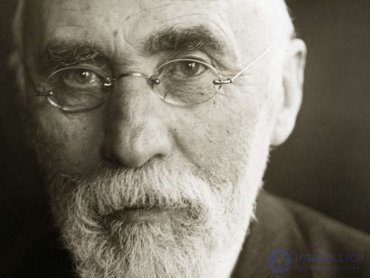
Hendrik Antoon Lorentz. Dutch theoretical physicist, Nobel Prize laureate in Physics. Member of the Royal Netherlands Academy of Arts and Sciences, foreign corresponding member of the St. Petersburg Academy of Sciences and foreign honorary member of the USSR Academy of Sciences.
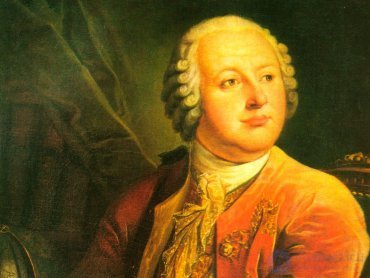
Mikhail Vasilyevich Lomonosov, Russian natural scientist, poet, historian and geographer. Full member of the St. Petersburg Imperial Academy of Sciences and honorary member of the Royal Swedish Academy of Sciences
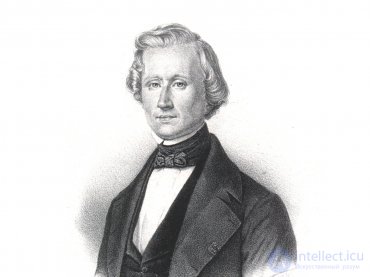
Urbain Jean Joseph Le Verrier, French mathematician and astronomer. Discovered Neptune "at the tip of a pen"
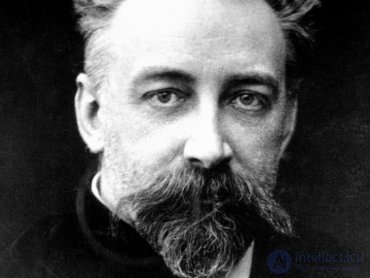
Pyotr Nikolaevich Lebedev, Russian experimental physicist, the first to experimentally confirm Maxwell's conclusion about the existence of light pressure. Founder of the first scientific school of physics in Russia
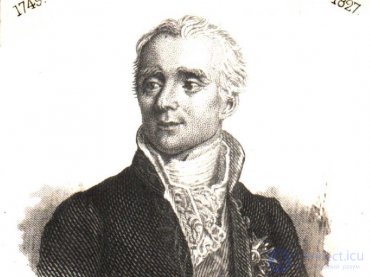
Pierre-Simon, Marquis de Laplace, French mathematician, mechanician, physicist and astronomer
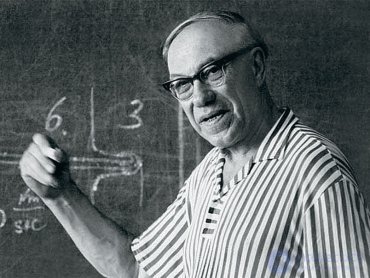
Mikhail Lavrentyev
Soviet mathematician and mechanician, founder of the Siberian Branch of the USSR Academy of Sciences and the Novosibirsk Akademgorodok, academician and vice-president of the USSR Academy of Sciences. Hero of Socialist Labour, laureate of the Lenin Prize and Stalin Prizes
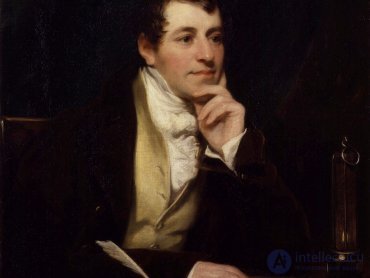
Humphry Davy
British chemist, agricultural chemist, physicist and geologist, one of the founders of electrochemistry. Fellow of the Royal Society of London, foreign honorary member of the St. Petersburg Academy of Sciences. Discoverer of chemical elements and of Faraday
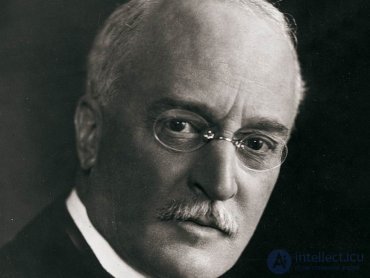
Rudolf Diesel
German engineer and inventor. Creator of the diesel engine
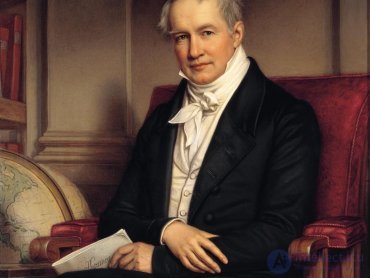
Alexander von Humboldt
German geographer, naturalist and explorer. The "second" Columbus and Aristotle
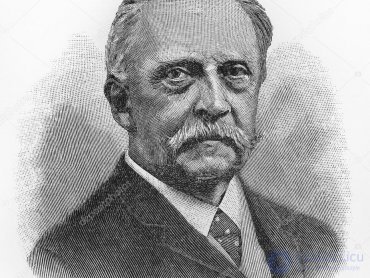
Hermann Helmholtz
German physicist, physician, physiologist, psychologist and acoustician
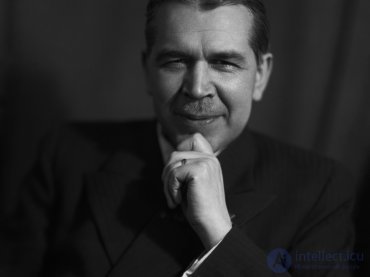
Sergei Vavilov
Soviet physicist, full member and president of the USSR Academy of Sciences, public figure and popularizer of science. Laureate of four Stalin Prizes. Brother of Nikolai Vavilov
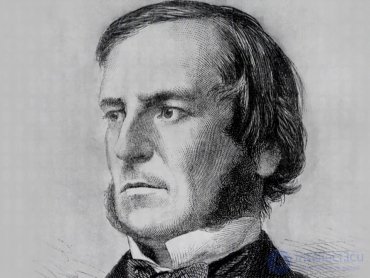
George Boole
English mathematician and logician. One of the founders of mathematical logic. Fellow of the Royal Society of London
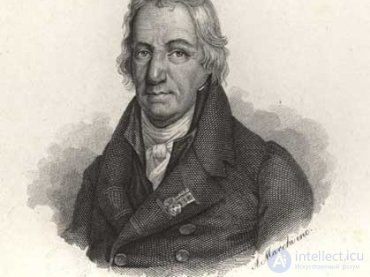
Claude Louis Berthollet
French chemist. Made famous by a salt
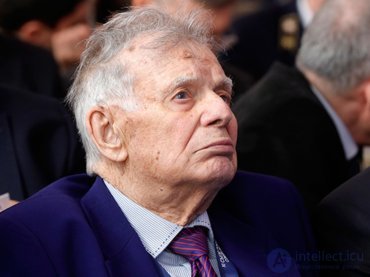
Zhores Alferov
Soviet and Russian physicist. Nobel Prize laureate in Physics. Academician of the USSR Academy of Sciences, Vice-President of the Russian Academy of Sciences. Laureate of the Lenin Prize, the USSR State Prize and the State Prize of the Russian Federation
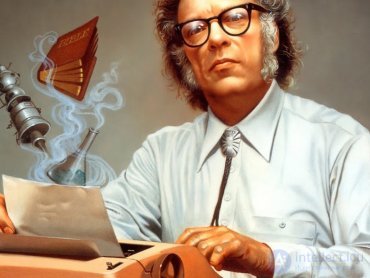
Isaac Asimov
science-fiction writer, biochemist and popularizer of science Isaac Asimov
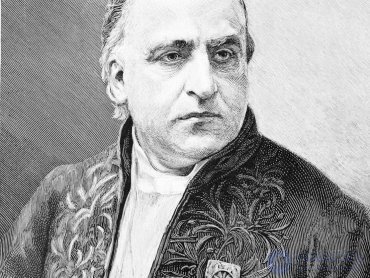
Jean-Martin Charcot
French physician, one of the founders of modern neuropathology and psychiatry. Member of the Paris Academy of Sciences. The "Man of Souls"
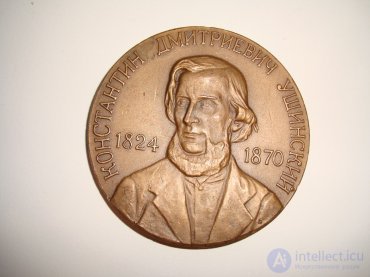
Konstantin Ushinsky
Russian pedagogue and writer, founder of scientific pedagogy in Russia
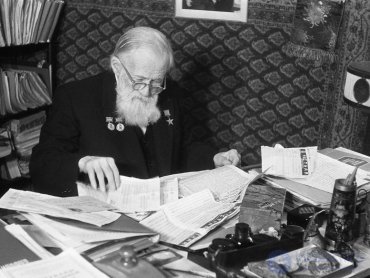
Vladimir Obruchev
Russian and Soviet geologist, geographer, writer and popularizer of science. Academician of the USSR Academy of Sciences, Hero of Socialist Labour, laureate of two Stalin Prizes, First Degree. Told the story of "Sannikov Land"
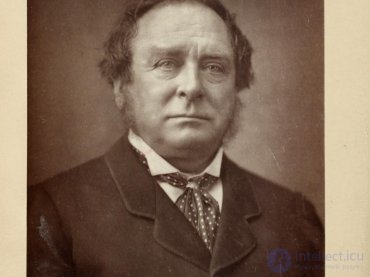
James Parkinson. English physician, chemist and geologist
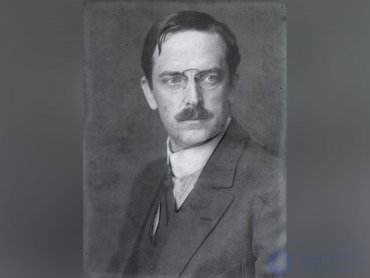
Baron Clemens Peter von Pirquet. Austrian physician, bacteriologist and immunologist
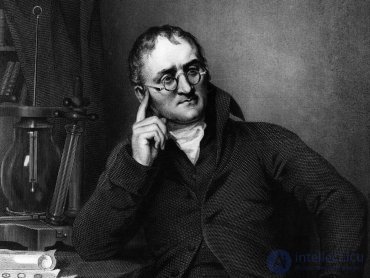
John Dalton. English physicist, chemist and meteorologist. Colour-blind
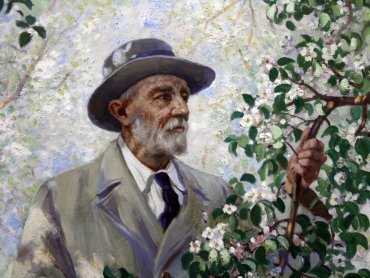
Ivan Vladimirovich Michurin. Russian biologist and plant breeder, author of many varieties of fruit and berry crops
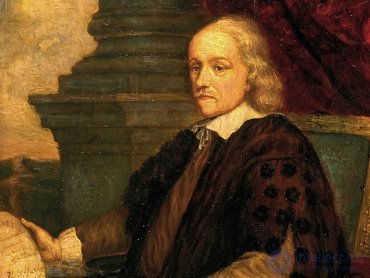
William Harvey. English physician and anatomist, founder of physiology and embryology. Discovered blood circulation.
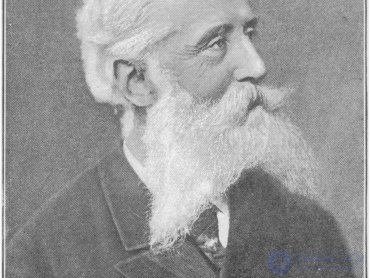
Friedrich August von Esmarch. German surgeon, one of the pioneers of asepsis, antisepsis and disaster medicine. Made famous by a cup
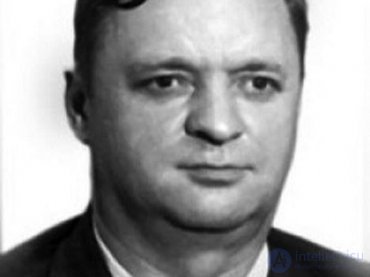
Kirill Ivanovich Shchyolkin. Soviet physicist, first scientific director and chief designer of the Chelyabinsk-70 nuclear center, now the Russian Federal Nuclear Center.
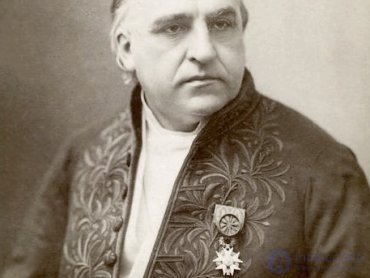
Jean-Martin Charcot. French physician, one of the founders of modern neuropathology and psychiatry. Member of the Paris Academy of Sciences. The "Man of Souls"
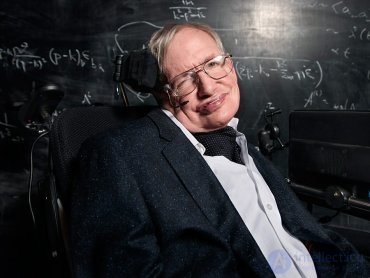
Stephen William Hawking. English theoretical physicist, cosmologist and writer. Unbroken
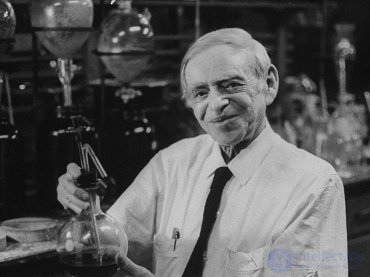
Casimir Funk. Polish-American biochemist. The "inventor" of vitamins.
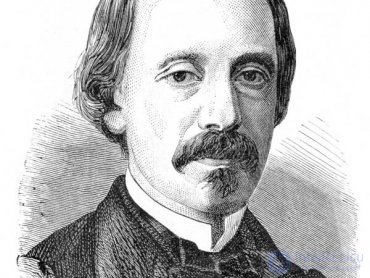
Jean Bernard Léon Foucault. French physicist, mechanician and astronomer, member of the Paris Academy of Sciences, member of the Berlin Academy of Sciences, corresponding member of the St. Petersburg Academy of Sciences, foreign member of the Royal Society of London
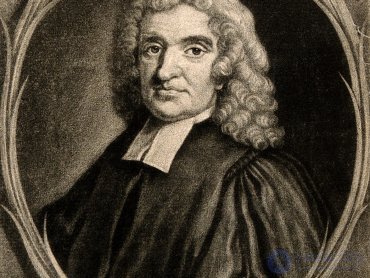
John Flamsteed. English astronomer, founder and first director of the Royal Greenwich Observatory
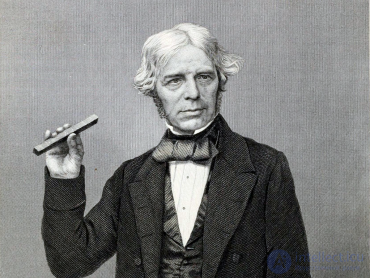
Michael Faraday. English physicist and chemist. Fellow of the Royal Society of London, foreign honorary member of the St. Petersburg Academy of Sciences. The discoverer
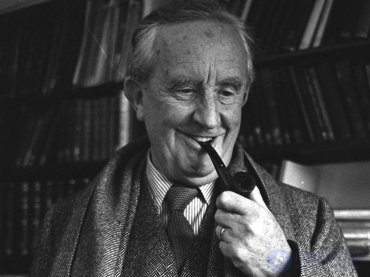
John Ronald Reuel Tolkien. English linguist and philologist. Professor at the University of Oxford. Creator of Middle-earth
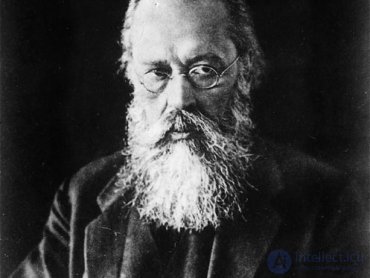
Vladimir Andreevich Steklov. Russian mathematician and mechanician. Full member of the St. Petersburg Academy of Sciences, vice-president of the USSR Academy of Sciences. Organizer and first director of the Steklov Institute of Mathematics of the Russian Academy of Sciences
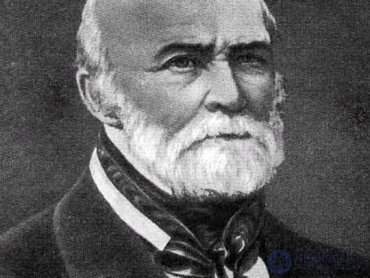
Nikolai Ivanovich Pirogov. Russian surgeon and anatomist, naturalist and educator
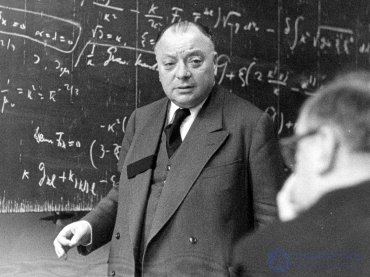
Wolfgang Ernst Pauli. Swiss theoretical physicist who worked in the fields of particle physics and quantum mechanics. Nobel Prize laureate in Physics
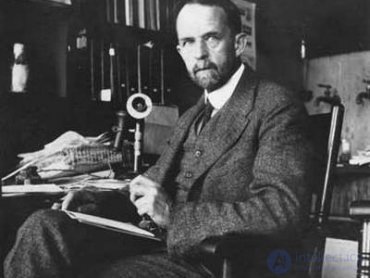
Thomas Hunt Morgan. American biologist, one of the founders of genetics. Nobel Prize laureate in Physiology or Medicine. A Morganist
Linus Benedict Torvalds is a Finnish-American software engineer. Creator of Linux, the most widespread of the free operating systems.
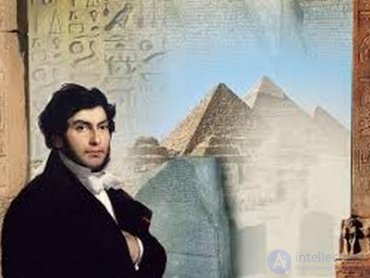
Jean-François Champollion. French orientalist, founder of Egyptology. Honorary member of the St. Petersburg Academy of Sciences. Deciphered the "Rosetta Stone"
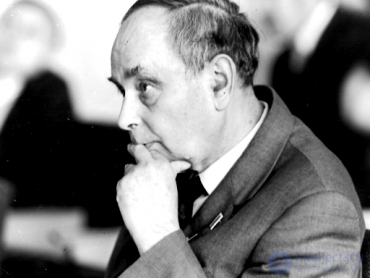
Ilya Mikhailovich Frank. Soviet physicist. Academician of the USSR Academy of Sciences. Nobel Prize laureate. Laureate of two Stalin Prizes and the USSR State Prize
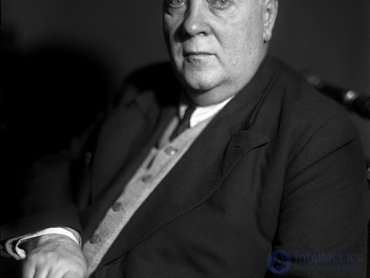
Alexander Fersman
Russian and Soviet mineralogist, crystallographer and geochemist. Vice-president of the USSR Academy of Sciences. Laureate of the V.I. Lenin Prize for scientific work and the Stalin Prize, First Degree. The poet of stone
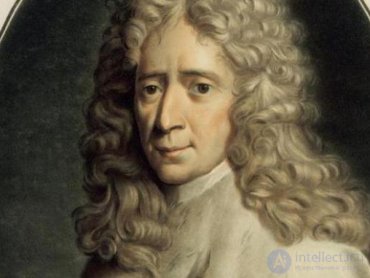
Charles-Louis de Montesquieu
French philosopher, political scientist, jurist and writer
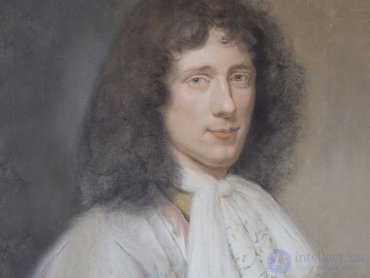
Christiaan Huygens
Dutch mechanician, physicist, mathematician, astronomer and inventor. One of the founders of theoretical mechanics and probability theory. First president of the French Academy of Sciences
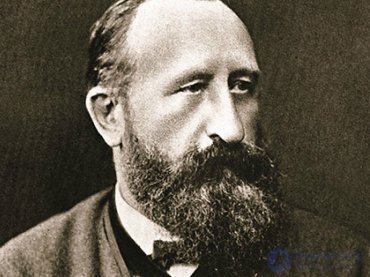
Alfred Brehm
German zoologist and traveler. Biographer of the animal kingdom
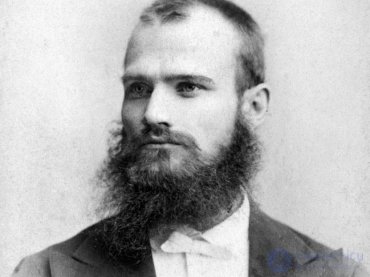
Jan Baudouin de Courtenay
Russian linguist, founder of phonology and experimental phonetics, mathematical linguistics and structuralism. Corresponding member of the St. Petersburg Academy of Sciences
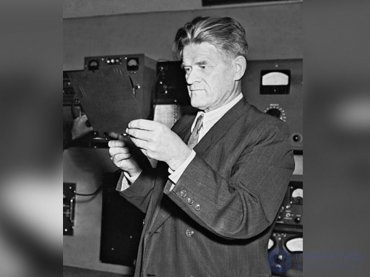
Pavel Alekseevich Cherenkov. Soviet physicist. Academician of the USSR Academy of Sciences. Hero of Socialist Labour. Laureate of two Stalin Prizes and the USSR State Prize. Nobel Prize laureate in Physics
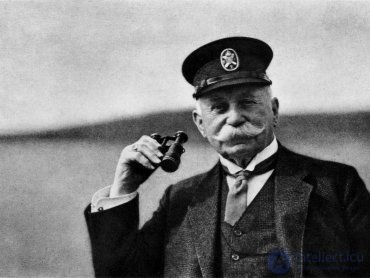
Ferdinand von Zeppelin
Count Ferdinand Adolf Heinrich August von Zeppelin. German inventor and military figure, builder of the first airships
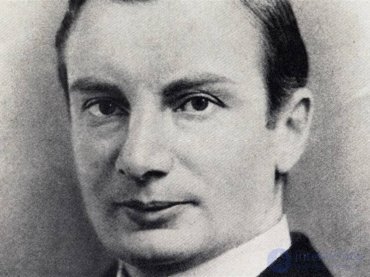
Waldemar Haffkine. Bacteriologist, immunologist and epidemiologist. Creator of the first vaccines against plague and cholera
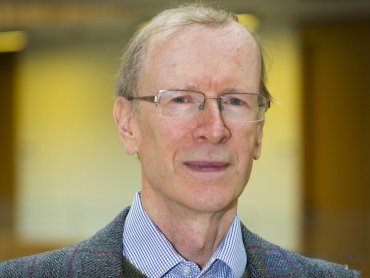
Sir Andrew John Wiles. English and American mathematician, Knight Commander of the Order of the British Empire. Fellow of the Royal Society of London. Conqueror of Fermat's Last Theorem
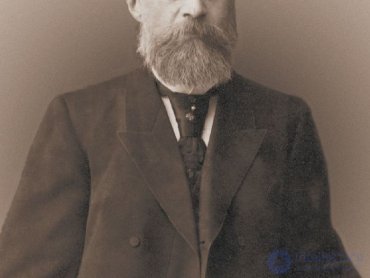
Alexander Grigoryevich Stoletov. Russian physicist, distinguished professor of the Imperial Moscow University. Turned light into electricity.
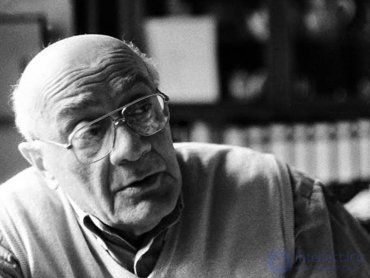
Merab Konstantinovich Mamardashvili. Soviet philosopher, Doctor of Philosophy, professor at Moscow State University
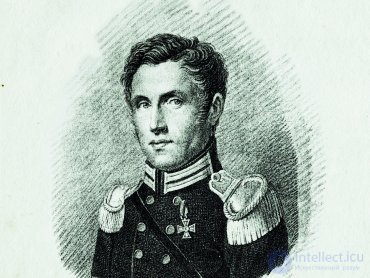
Otto von Kotzebue. Russian navigator and scientist
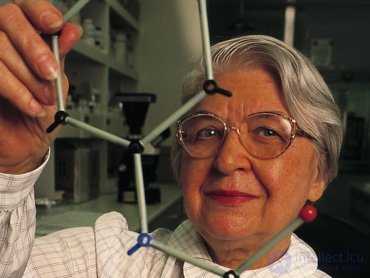
Stephanie Louise Kwolek. American chemist, inventor of Kevlar
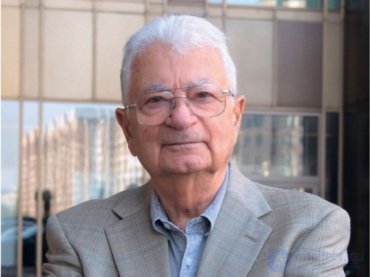
Yuri Tsolakovich Oganessian. April 14, 1933. Soviet and Russian scientist, specialist in experimental nuclear physics, academician of the Russian Academy of Sciences
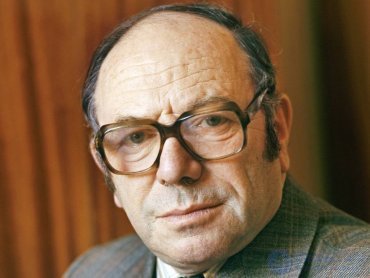
Leonid Vitalyevich Kantorovich. Soviet mathematician and economist, one of the creators of linear programming.
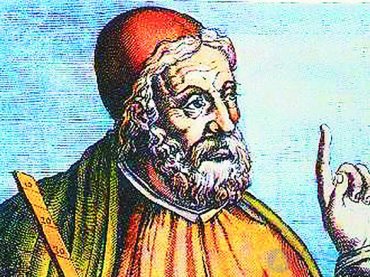
Euclid. Ancient Greek mathematician, author of the earliest surviving theoretical treatise on mathematics. The father of geometry

Comments