
Lecture
The Agreement on Trade-Related Aspects of Intellectual Property Rights (TRIPS), or the TRIPS Agreement (English: Agreement on Trade-Related Aspects of Intellectual Property Rights, abbreviated TRIPS Agreement) — an international agreement forming part of the package of documents establishing the World Trade Organization. The Agreement lays down minimum standards for the recognition and protection of the principal objects of intellectual property. This agreement was adopted during the Uruguay Round of the General Agreement on Tariffs and Trade in 1994.
The TRIPS Agreement opens up the possibility of using the highly effective dispute-settlement mechanisms available within the WTO in relation to intellectual property. These mechanisms provide for the possibility of applying enforcement measures by way of reprisals. If, for example, an author's rights from one country are infringed in another country, the former, having taken the disputed matter through the WTO dispute-settlement procedures, may raise the duty on the import into its territory of a particular product from the infringing country.
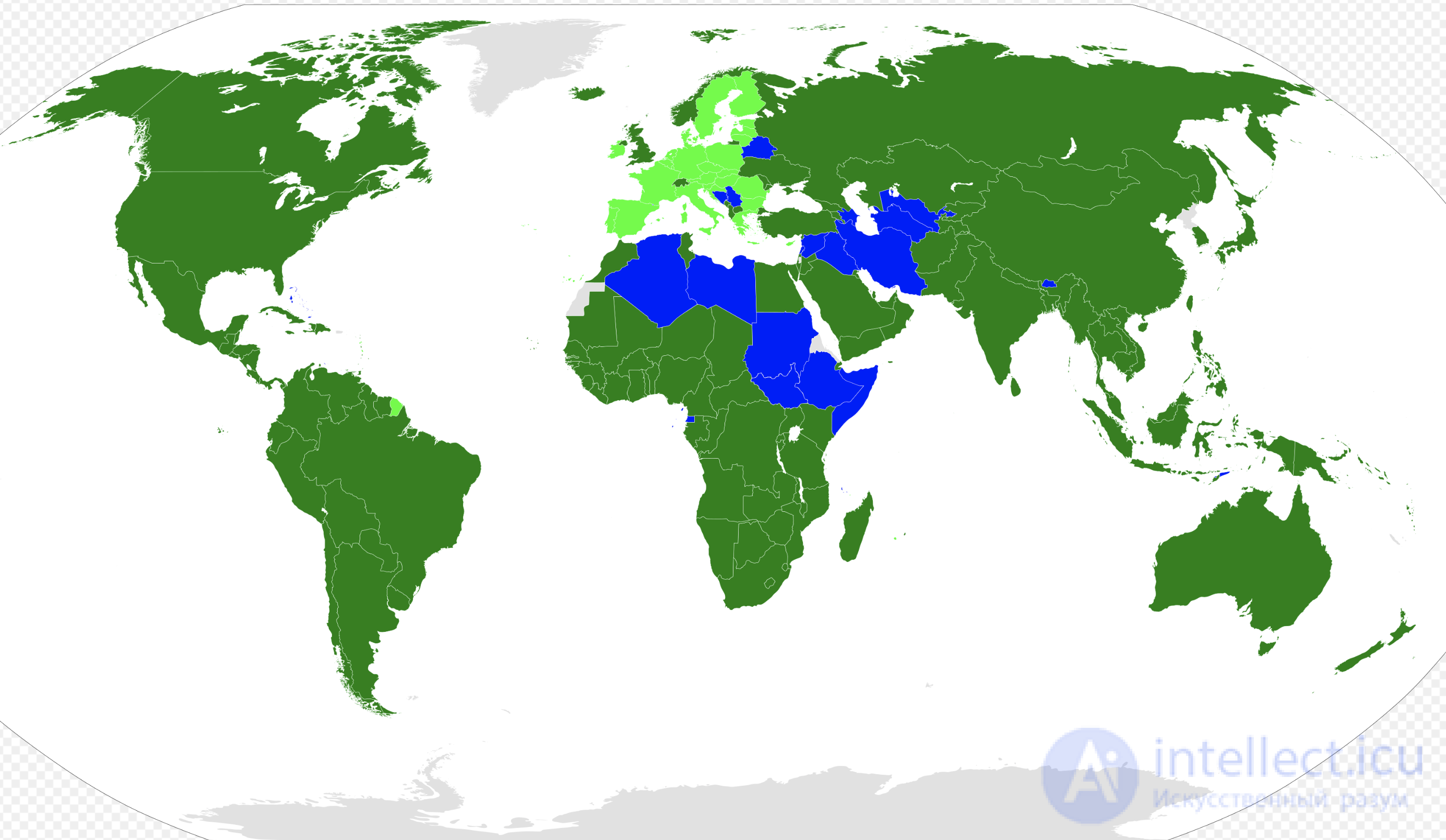
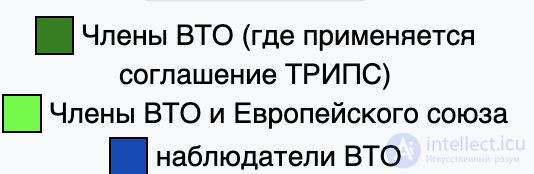
The TRIPS Agreement above all requires the countries intending to participate in it to comply with all the most important provisions of the Berne Convention for the Protection of Literary and Artistic Works, with the exception of the provisions on moral rights. In addition, the TRIPS Agreement includes a number of new provisions on the international protection of copyright. The absence from the Agreement of provisions on moral rights is justified, since the Agreement as a whole is aimed at regulating exclusively the trade-related aspects of intellectual property. The TRIPS Agreement incorporated a number of fundamental points supplementing the provisions of the Berne Convention. Under them, copyright protection extends to computer programs, the term of protection is lengthened, and international trade in computer programs and other objects of intellectual property with countries unable to provide copyright protection is restricted. The Agreement formulates the requirement that member countries adopt various administrative forms of copyright protection.

Comments