
Lecture
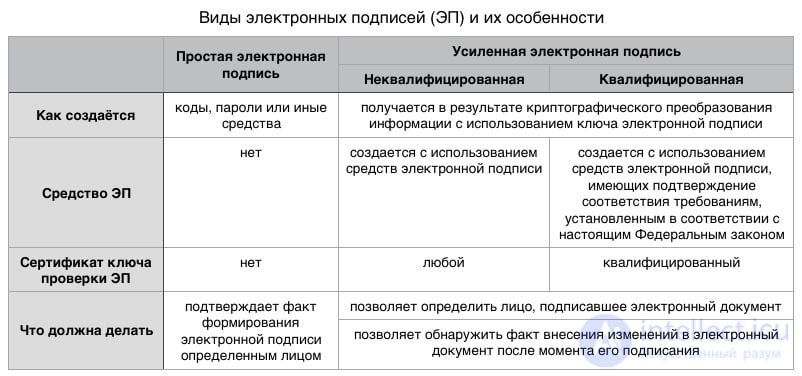
1. Integrity control of data transmitted over networks is provided by means of …
2. The transformation process in which the source text, also called plaintext, is replaced with modified text is called
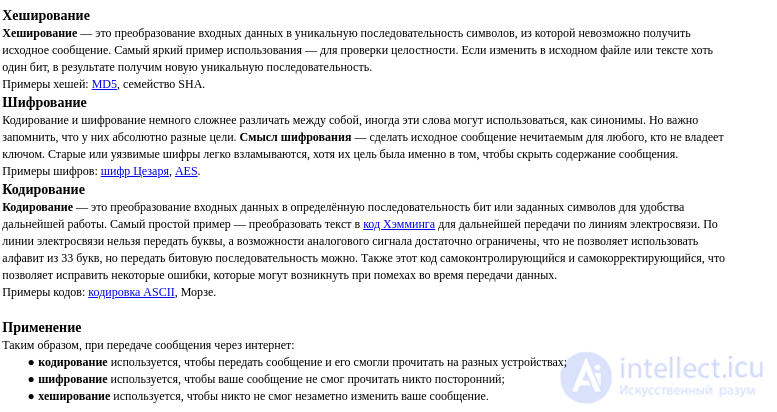
3. The process in which encrypted text is converted back into the original text is called …
4. The process in which encrypted text is converted back into the original text is called …
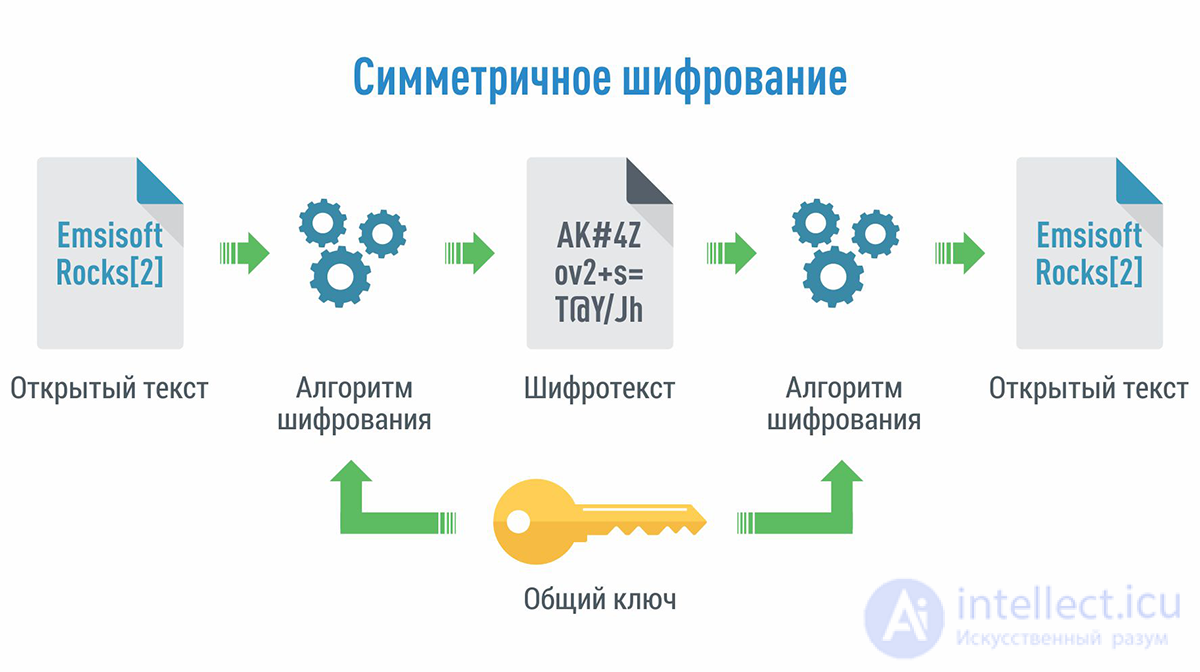
5. The information needed to freely encrypt and decrypt texts is called …
6. The characteristic of a cipher that determines its resistance to being broken without knowledge of the key is called …
7. Asymmetric encryption uses … for encryption and decryption.
8. Asymmetric encryption uses a … key for encryption.
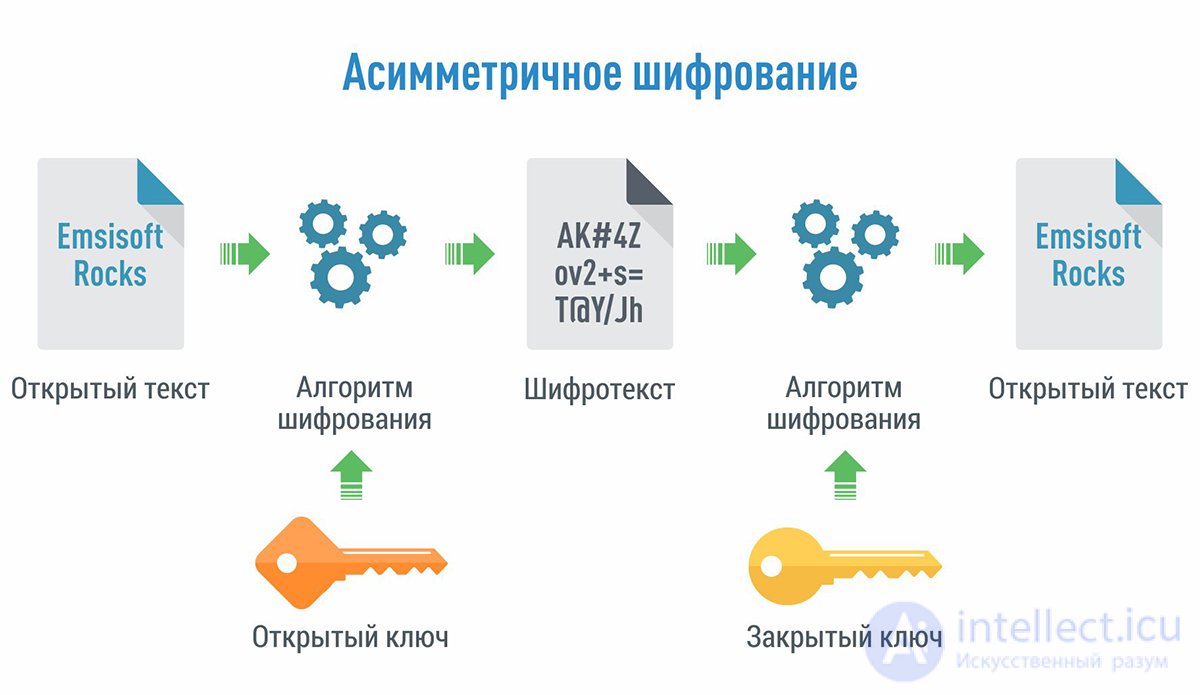
9. Asymmetric encryption uses a … key for decryption.
10. In symmetric encryption, … are used for encryption and decryption.
11. A relatively small amount of additional authenticating information transmitted together with the signed text is called …
12. A cryptosystem includes …
13. The security mechanism that is a strong psychological deterrent, reminding potential intruders of the inevitability of punishment for unauthorized actions, and reminding users of the possible consequences of critical mistakes, is …
14. The objectives of a cryptosystem are: …
15. The functions of cryptographic key management are: …
16. The main property of computer viruses lies in their ability to …
17. Viruses that infect files — documents and spreadsheets of office applications — are called …
18. Viruses that infect files — documents and spreadsheets of office applications — are called …-viruses
19. Self-encryption and polymorphism are used to …
20. One of the most effective ways of fighting viruses is …
21. An antivirus program based on computing checksums for files/system sectors present on disk is called …
22. An antivirus program that intercepts «virus-dangerous» situations and reports them to the user is called …
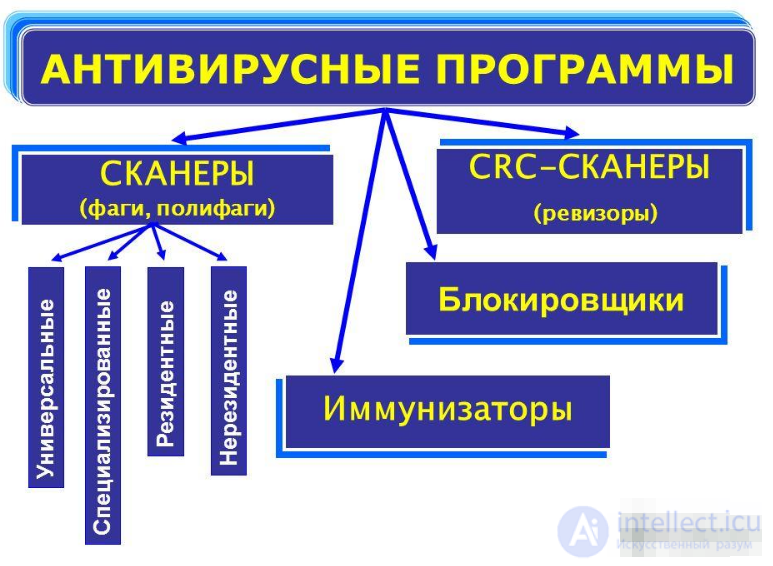
23. A computer virus is …
24. A polymorphic generator performs …
25. A polymorphic generator performs … of the virus body.
26. Hard-to-detect viruses that have no signatures — that is, contain no permanent section of code — are called …
27. Hard-to-detect viruses that have no signatures — that is, contain no permanent section of code — are called …-viruses
28. Identification and authentication are used to …
29. Analysis of accumulated information, carried out promptly, in real time, or periodically, is called – …
30. Analysis of accumulated information, carried out promptly, in real time, or periodically, is called …
31. Real-time auditing with automatic response to detected abnormal situations is called …
32. Real-time auditing with automatic response to detected abnormal situations is called …
33. Access control based on matching confidentiality labels of information contained in objects (files, folders, images) against the official authorization (clearance) of a subject to access information of the corresponding confidentiality level is called ...
34. Access control representing the delineation of access between named subjects and named objects is called …
35. Authentication that provides protection only against unauthorized actions in systems where an intruder cannot read the authentication information during a work session is called …
36. An example of a … authentication tool is traditional permanent passwords.
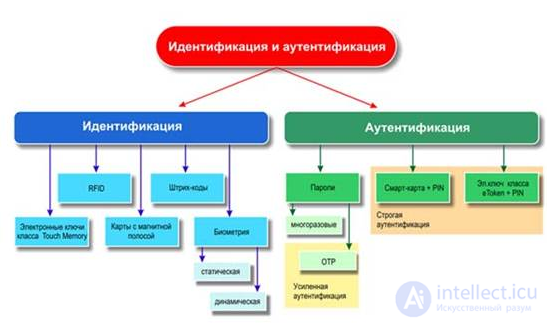
37. Authentication that uses dynamic authentication data that changes with each work session is called …
38. Implementations of … authentication are systems using one-time passwords and digital signatures.
39. Authentication that provides protection against attacks in which an attacker can intercept authentication information and use it in subsequent work sessions is called …
40. Authentication that provides identification of each block of transmitted data, protecting it from unauthorized modification or insertion, is called …
41. An example implementation of … authentication is the use of digital signature generation algorithms for every bit of transmitted information.
42. An example implementation of … authentication is the use of digital signature generation algorithms for every bit of transmitted information
43. A chronologically ordered collection of records of the results of the activity of system subjects is called a … log.
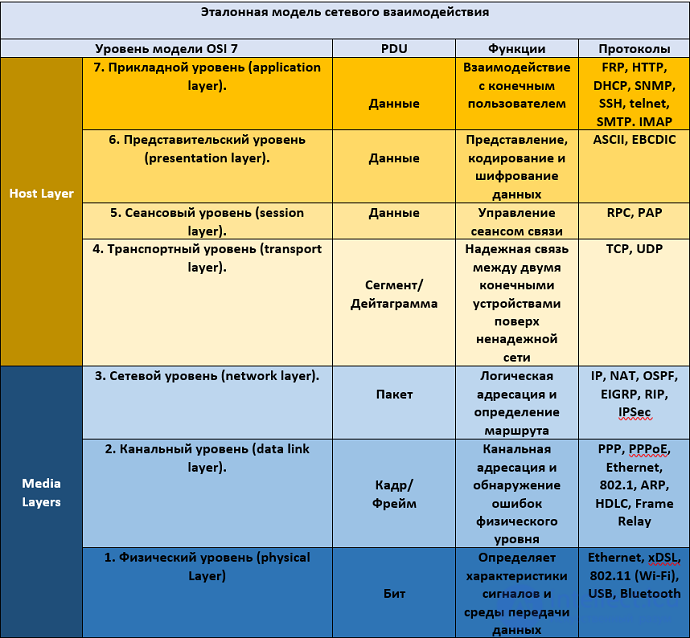
44. Correspondence between OSI model layers and firewall types.
| Application | Application-level gateway, expert-level firewall |
| Session | Circuit-level gateway |
| Network | Packet-filtering firewall |
45. Order of firewall types in descending order (from highest to lowest) of the corresponding OSI model layers: 1: Application-level gateway, 2: Circuit-level gateway, 3: Packet-filtering firewall
46. Order of firewall types in descending order (from highest to lowest) of the corresponding OSI model layers: 1: Expert-level firewall, 2: Circuit-level gateway, 3: Packet-filtering firewall
47. Order of firewall types in ascending order (from lowest to highest) of the corresponding OSI model layers: 1: Packet-filtering firewall, 2: Circuit-level gateway, 3: Expert-level firewall
48. Order of firewall types in ascending order (from lowest to highest) of the corresponding OSI model layers: 1: Packet-filtering firewall, 2: Circuit-level gateway, 3: Application-level gateway
49. A software or hardware-software system that monitors information flows entering and/or leaving an information system, and protects the information system by filtering information …
50. A software or hardware-software system that monitors information flows entering and/or leaving an information system, and protects the information system by filtering information …
51. A software or hardware-software system that monitors information flows entering and/or leaving an information system, and protects the information system by filtering information …
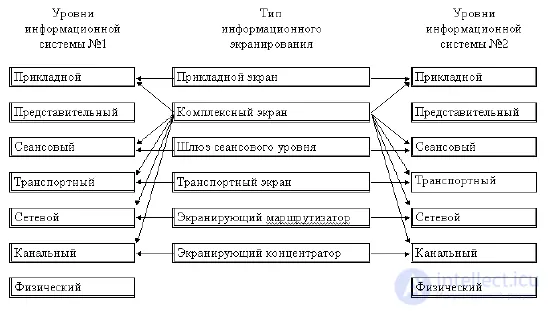
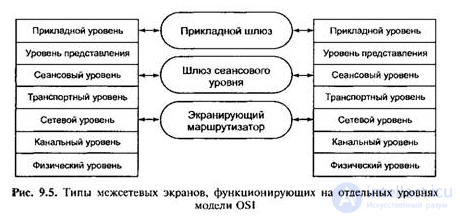
52. …-level gateways control the admissibility of a communication session.
53. …-level gateways monitor the acknowledgment of the connection between an authorized client and an external host (and vice versa), determining whether the requested communication session is permissible.
54. …-level gateways inspect the content of every packet passing through the gateway and can filter individual types of commands or information in the application-layer protocols they are assigned to service.
55. …-level gateways monitor the acknowledgment of the connection between an authorized client and an external host (and vice versa), determining whether the requested communication session is permissible.
56. …-level gateways inspect the content of every packet passing through the gateway and can filter individual types of commands or information in the application-layer protocols they are assigned to service.
57. 4 types of firewalls: …
58. …-level firewalls combine elements of all three of the other categories.
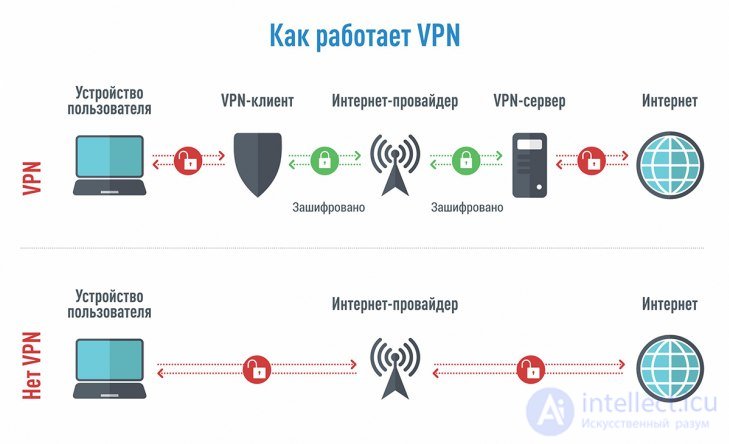
59. Virtual private networks include the following security services: …
60. To implement VPN technology, all computers with Internet access have VPN … installed, which process the IP packets transmitted over the networks.
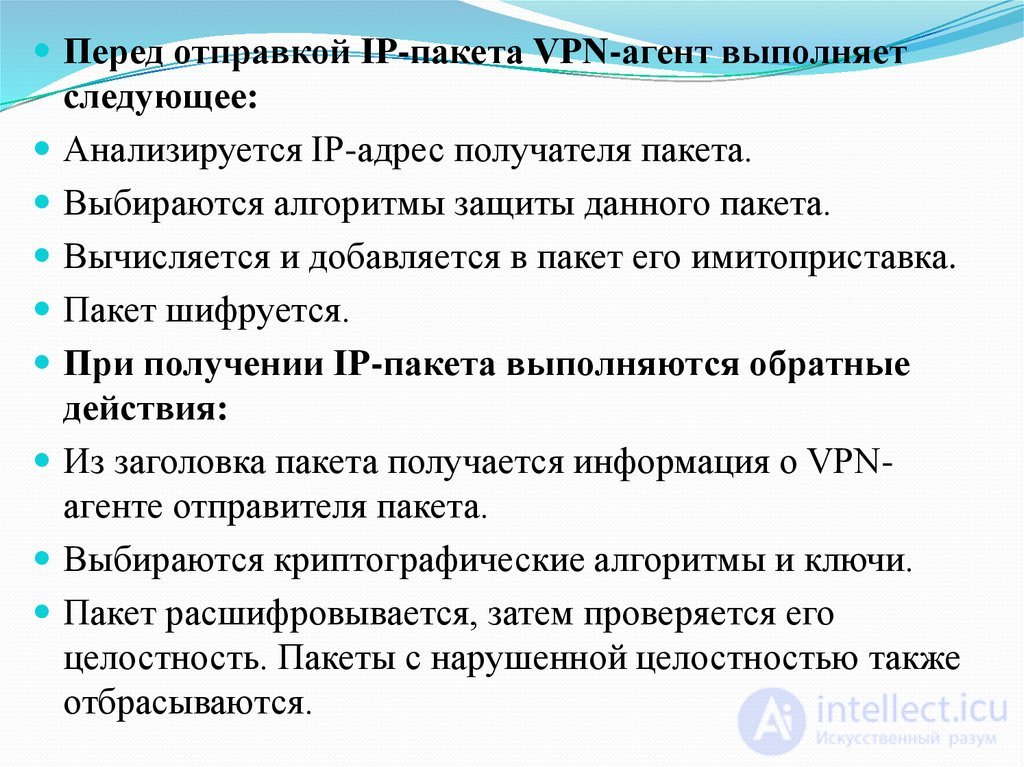
61. The sequence of actions performed by a VPN agent before sending an IP packet:
62. The sequence of actions performed by a VPN agent upon receiving an IP packet: 1: information about the VPN agent of the packet's sender is extracted from the packet header, 2: cryptographic algorithms and keys are selected according to the settings, after which the packet is decrypted and its integrity is verified, 3: the packet in its original form is sent to the actual recipient over the local network
63. Correspondence between OSI model layers and functions:
| Application | User applications, message creation |
| Transport | Delivery of data between programs on the network |
| Network | Addressing and routing |
| Data link | Network hardware and its drivers |
64. Layers of the TCP/IP model in descending order (from highest to lowest):
65. Layers of the TCP/IP model in ascending order (from lowest to highest):
66. Functions of the TCP/IP model in descending order of layer (from highest to lowest):
67. Functions of the TCP/IP model in ascending order of layer (from lowest to highest):
68. The layer of the TCP/IP model that determines the way user applications communicate is the – …
69. The layer of the TCP/IP model that allows network applications to receive messages over strictly defined channels with specific parameters is the – …
70. At the … layer of the TCP/IP model, the addresses of computers connected to the network are determined, logical networks and subnets are allocated, and routing between them is implemented.
71. At the … layer of the TCP/IP model, the addressing of the physical interfaces of network devices, such as network adapters, is determined.
72. The programs that control physical network devices, the so-called drivers, belong to the … layer of the TCP/IP model.
73. Correspondence between components of the TCP/IP protocol suite:
74. The internetworking protocol that provides addressing across networks (Latin-letter abbreviation) is …
75. The internet control message protocol (Latin-letter abbreviation) …
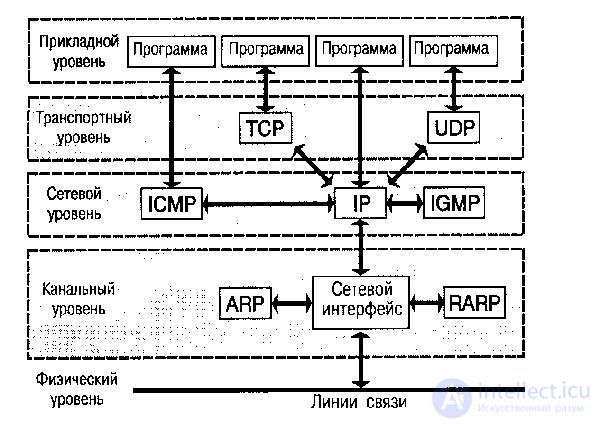
76. The address resolution protocol that converts logical network addresses into hardware addresses (Latin-letter abbreviation) …
77. The address resolution protocol that converts hardware network addresses into logical addresses (Latin-letter abbreviation) …
78. The user datagram protocol (Latin-letter abbreviation) …
79. The transmission control protocol (Latin-letter abbreviation) …
80. The internetworking protocol that provides addressing across networks is …
81. The internet control message protocol …
82. The address resolution protocol that converts logical network addresses into hardware addresses …
83. The address resolution protocol that converts hardware network addresses into logical addresses is …
84. The user datagram protocol …
85. The transmission control protocol …

Comments