Inverse Trigonometric Functions: Arcsine, Arccosine, Arctangent, Arccotangent, Arcsecant, Arccosecant

Lecture 25 min.


Inverse trigonometric functions (circular functions, arc functions) are mathematical functions that are the inverses of the trigonometric functions. The inverse trigonometric functions usually include six functions:

  • arcsine (notation: Inverse Trigonometric Functions: Arcsine, Arccosine, Arctangent, Arccotangent, Arcsecant, Arccosecant the angle whose sine is equal to Inverse Trigonometric Functions: Arcsine, Arccosine, Arctangent, Arccotangent, Arcsecant, Arccosecant)
  • arccosine (notation: Inverse Trigonometric Functions: Arcsine, Arccosine, Arctangent, Arccotangent, Arcsecant, Arccosecant the angle whose cosine is equal to Inverse Trigonometric Functions: Arcsine, Arccosine, Arctangent, Arccotangent, Arcsecant, Arccosecant, and so on)
  • arctangent (notation: Inverse Trigonometric Functions: Arcsine, Arccosine, Arctangent, Arccotangent, Arcsecant, Arccosecant; in foreign literature Inverse Trigonometric Functions: Arcsine, Arccosine, Arctangent, Arccotangent, Arcsecant, Arccosecant)
  • arccotangent (notation: Inverse Trigonometric Functions: Arcsine, Arccosine, Arctangent, Arccotangent, Arcsecant, Arccosecant; in foreign literature Inverse Trigonometric Functions: Arcsine, Arccosine, Arctangent, Arccotangent, Arcsecant, Arccosecant or Inverse Trigonometric Functions: Arcsine, Arccosine, Arctangent, Arccotangent, Arcsecant, Arccosecant)
  • arcsecant (notation: Inverse Trigonometric Functions: Arcsine, Arccosine, Arctangent, Arccotangent, Arcsecant, Arccosecant)
  • arccosecant (notation: Inverse Trigonometric Functions: Arcsine, Arccosine, Arctangent, Arccotangent, Arcsecant, Arccosecant; in foreign literature Inverse Trigonometric Functions: Arcsine, Arccosine, Arctangent, Arccotangent, Arcsecant, Arccosecant)

The name of an inverse trigonometric function is formed from the name of the corresponding trigonometric function by adding the prefix "arc-" (from the Latin arcus, meaning arc). This is because, geometrically, the value of an inverse trigonometric function can be associated with the length of an arc of the unit circle (or the angle subtending that arc) corresponding to a particular segment. Thus, the ordinary sine lets us find the chord subtending a given arc of a circle, while the inverse function solves the opposite problem. The practice of denoting inverse trigonometric functions in this way was introduced by the Austrian mathematician Karl Scherffer (1716—1783) and became established thanks to Lagrange. Daniel Bernoulli was the first to use a special symbol for an inverse trigonometric function, in 1729. Until the end of the 19th century, the English and German schools of mathematics proposed other notations: Inverse Trigonometric Functions: Arcsine, Arccosine, Arctangent, Arccotangent, Arcsecant, Arccosecant but they did not catch on. Only occasionally, in foreign literature as well as on scientific and engineering calculators, are notations such as sin−1, cos−1 used for arcsine, arccosine, and so on; this notation is considered not very convenient, since it may be confused with raising a function to the power −1.

Trigonometric functions are periodic, so the functions inverse to them are multivalued. That is, the value of an arc function is a set of angles (arcs) for which the corresponding direct trigonometric function equals a given number. For example, Inverse Trigonometric Functions: Arcsine, Arccosine, Arctangent, Arccotangent, Arcsecant, Arccosecant means the set of angles Inverse Trigonometric Functions: Arcsine, Arccosine, Arctangent, Arccotangent, Arcsecant, Arccosecant whose sine is equal to Inverse Trigonometric Functions: Arcsine, Arccosine, Arctangent, Arccotangent, Arcsecant, Arccosecant. From the set of values of each arc function, its principal values are singled out (see the graphs of the principal values of the arc functions below), and these are what is usually meant when speaking of the arcsine, arccosine, and so on.

In the general case, provided that Inverse Trigonometric Functions: Arcsine, Arccosine, Arctangent, Arccotangent, Arcsecant, Arccosecant, all solutions of the equation Inverse Trigonometric Functions: Arcsine, Arccosine, Arctangent, Arccotangent, Arcsecant, Arccosecant can be represented as Inverse Trigonometric Functions: Arcsine, Arccosine, Arctangent, Arccotangent, Arcsecant, Arccosecant

Historical background

Trigonometric functions first arose in connection with research in astronomy and geometry. Ratios of segments in a triangle and a circle, which are essentially trigonometric functions, already appear in the 3rd century BC in the works of the mathematicians of Ancient Greece — Euclid, Archimedes, Apollonius of Perga, and others. Euclid Archimedes In the following period, mathematics was for a long time developed most actively by Indian and Arab scholars. In Aryabhata's works on astronomy the term "ardhajiva" appears. Later the shorter name "jiva" became established, and when mathematical terms were translated in the 12th century, this word was replaced by the Latin "sinus". Of fundamental importance was Ptolemy's compilation of the first table of sines (for a long time it was called a table of chords): a practical tool appeared for solving a number of applied problems, above all problems of astronomy. The word cosine is an abbreviation of the Latin expression "complementi sinus" (the sine of the complement). Tangents arose in connection with solving the problem of determining the length of a shadow. The tangent (as well as the cotangent, secant, and cosecant) was introduced in the 10th century by Abu al-Wafa, who also compiled the first tables for finding tangents and cotangents. However, these discoveries remained unknown to European scholars for a long time, and tangents were rediscovered in the 14th century by T. Bradwardine, and later by the astronomer Regiomontanus. The first author to use special symbols for the inverse trigonometric functions was Bernoulli. In 1729 and 1736 he wrote as and at instead of arcsin and arctan, respectively. The modern notations arcsin and arctan appeared in 1772 in the works of the Viennese mathematician Scherffer and the famous French scientist Lagrange. The prefix "arc" comes from the Latin "arcus" (bow, arc), which agrees fully with the meaning of the concept: arcsin x, for example, is the angle (or one can say the arc) whose sine is equal to x

How to visually remember the graphs of the inverse trigonometric functions?

First, remember the basic pair

There are four functions:

y=arcsin x
y=arccos x
y=arctan x
y=arccot x

It is convenient to divide them into two pairs:

The sine pair: (arcsin, arccos)
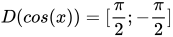
→ the graphs are restricted in x: only ([-1;1]).

The tangent pair: (arctan, arccot)
→ the graphs stretch across the whole x range, but are restricted in y.

arcsinx: "a smile"

arccosx: "an upside-down arcsin"

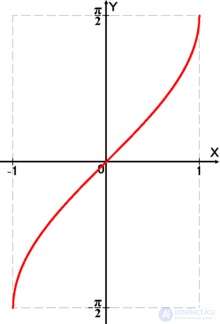
arctanx: "rises and hits the ceiling"

arccotx: "the arctangent in reverse"
Inverse Trigonometric Functions: Arcsine, Arccosine, Arctangent, Arccotangent, Arcsecant, ArccosecantInverse Trigonometric Functions: Arcsine, Arccosine, Arctangent, Arccotangent, Arcsecant, Arccosecant

Inverse Trigonometric Functions: Arcsine, Arccosine, Arctangent, Arccotangent, Arcsecant, Arccosecant

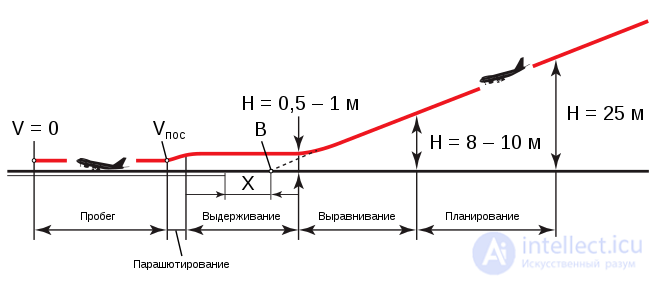
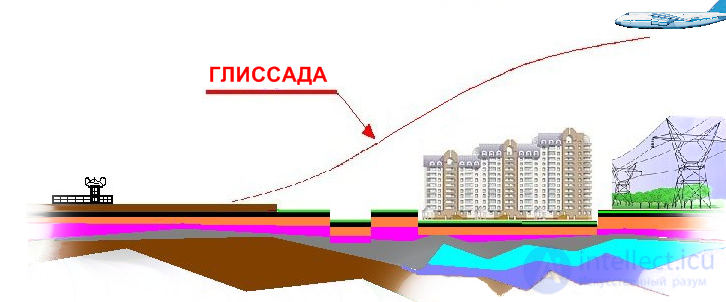
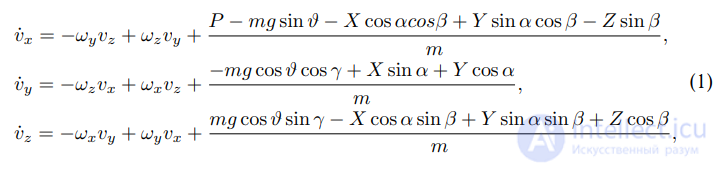
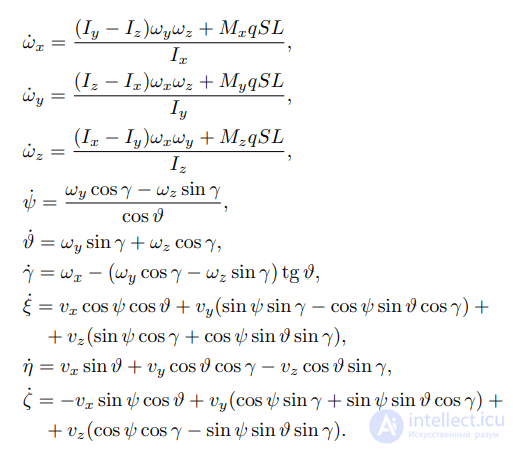
To a first approximation, a glide path resembles an inverse trigonometric function such as the arcsine or arctangent (a glide path is the flight trajectory of an aircraft (airplane, helicopter, glider, parachutist) along which it descends, including immediately before landing. ). Of course, describing the flight of a UAV requires a more complex spatial mathematical model
Inverse Trigonometric Functions: Arcsine, Arccosine, Arctangent, Arccotangent, Arcsecant, Arccosecant

Inverse Trigonometric Functions: Arcsine, Arccosine, Arctangent, Arccotangent, Arcsecant, Arccosecant

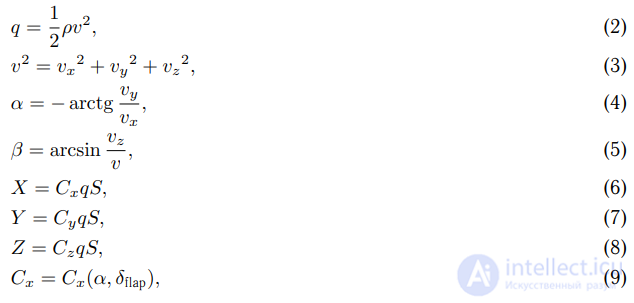
Here vx, vy, vz are the projections of the velocity vector of the vehicle's center of mass onto the axes of the body-fixed coordinate system; ωx, ωy, ωz are the projections of the UAV's angular velocity vector onto the axes of the body-fixed coordinate system; ξ, η, ζ are the coordinates of the drone's center of mass in the local coordinate system; α, β are the UAV's angle of attack and sideslip angle. X, Y, Z are the projections of the total aerodynamic force acting on the UAV onto the axes of the wind coordinate system: X is drag, Y is lift, Z is side force. g is the acceleration of gravity in the area of the runway, P is the thrust developed by the propeller. Ix, Iy, Iz are the principal moments of inertia of the UAV (the inertia tensor is assumed to be diagonal), q is the dynamic pressure of the oncoming flow, S is the wing area, L is the wingspan, bA is the mean aerodynamic chord; Mx, My, Mz are the dimensionless coefficients of the roll, yaw, and pitch moments, respectively. Algebraic relations are added to the differential equations presented
Inverse Trigonometric Functions: Arcsine, Arccosine, Arctangent, Arccotangent, Arcsecant, Arccosecant

Inverse Trigonometric Functions: Arcsine, Arccosine, Arctangent, Arccotangent, Arcsecant, Arccosecant

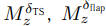
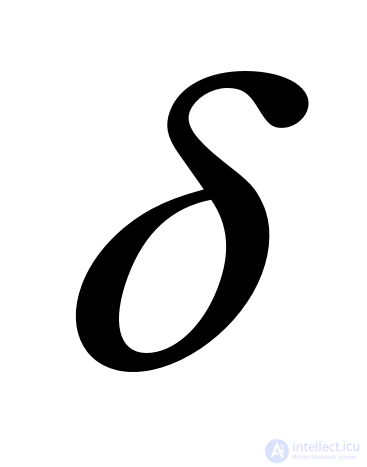
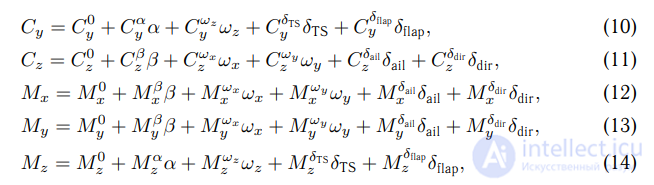
where v is the UAV's airspeed, Cx, Cy, Cz are the dimensionless coefficients of the aerodynamic forces; δT S is the elevator deflection angle, δdir is the rudder deflection angle, δflap is the flaperon deflection angle (in symmetric mode), δail is the aileron deflection angle (in differential mode).


Inverse Trigonometric Functions: Arcsine, Arccosine, Arctangent, Arccotangent, Arcsecant, Arccosecant Inverse Trigonometric Functions: Arcsine, Arccosine, Arctangent, Arccotangent, Arcsecant, Arccosecant Inverse Trigonometric Functions: Arcsine, Arccosine, Arctangent, Arccotangent, Arcsecant, Arccosecantare the given constant derivatives of the roll, yaw, and pitch moments.

Inverse Trigonometric Functions: Arcsine, Arccosine, Arctangent, Arccotangent, Arcsecant, Arccosecantare the given constant coefficients of the aerodynamic forces.
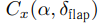
Inverse Trigonometric Functions: Arcsine, Arccosine, Arctangent, Arccotangent, Arcsecant, Arccosecantis some given function, which we will assume to be linear in δflap. Let us write down the equations that model the behavior of the elevator, rudder, and ailerons with a lag characterized by a time constant

Inverse Trigonometric Functions: Arcsine, Arccosine, Arctangent, Arccotangent, Arcsecant, Arccosecant (15)

The resulting system (1), (15), supplemented by relations (2)—(14) and the control laws for the deflection of the rudders, ailerons, and flaperons, will be complete and closed.

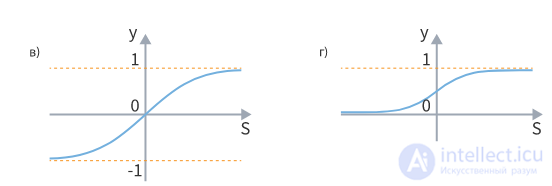
Also, when training multilayer neural networks the most commonly used activation functions are sigmoid ones, named so for their characteristic S-shaped form. Examples of such functions are the hyperbolic tangent (graph (c) in the figure) and the logistic function (graph (d)),
Inverse Trigonometric Functions: Arcsine, Arccosine, Arctangent, Arccotangent, Arcsecant, Arccosecant

which also visually resemble the inverse trigonometric functions

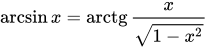
The basic relation

Inverse Trigonometric Functions: Arcsine, Arccosine, Arctangent, Arccotangent, Arcsecant, Arccosecant

Inverse Trigonometric Functions: Arcsine, Arccosine, Arctangent, Arccotangent, Arcsecant, Arccosecant

The arcsin function

Inverse Trigonometric Functions: Arcsine, Arccosine, Arctangent, Arccotangent, Arcsecant, Arccosecant

Graph of the function Inverse Trigonometric Functions: Arcsine, Arccosine, Arctangent, Arccotangent, Arcsecant, Arccosecant

The arcsine of a number x is the value of the angle y, expressed in radians, for which Inverse Trigonometric Functions: Arcsine, Arccosine, Arctangent, Arccotangent, Arcsecant, Arccosecant

The function Inverse Trigonometric Functions: Arcsine, Arccosine, Arctangent, Arccotangent, Arcsecant, Arccosecant is continuous and bounded on its entire domain of definition. It is strictly increasing.

  • Inverse Trigonometric Functions: Arcsine, Arccosine, Arctangent, Arccotangent, Arcsecant, Arccosecant for Inverse Trigonometric Functions: Arcsine, Arccosine, Arctangent, Arccotangent, Arcsecant, Arccosecant
  • Inverse Trigonometric Functions: Arcsine, Arccosine, Arctangent, Arccotangent, Arcsecant, Arccosecant for Inverse Trigonometric Functions: Arcsine, Arccosine, Arctangent, Arccotangent, Arcsecant, Arccosecant
  • Inverse Trigonometric Functions: Arcsine, Arccosine, Arctangent, Arccotangent, Arcsecant, Arccosecant (domain of definition),
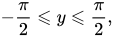
  • Inverse Trigonometric Functions: Arcsine, Arccosine, Arctangent, Arccotangent, Arcsecant, Arccosecant (range of values).

Properties of the arcsin function

  • Inverse Trigonometric Functions: Arcsine, Arccosine, Arctangent, Arccotangent, Arcsecant, Arccosecant (the function is odd).
  • }Inverse Trigonometric Functions: Arcsine, Arccosine, Arctangent, Arccotangent, Arcsecant, Arccosecant for Inverse Trigonometric Functions: Arcsine, Arccosine, Arctangent, Arccotangent, Arcsecant, Arccosecant.
  • Inverse Trigonometric Functions: Arcsine, Arccosine, Arctangent, Arccotangent, Arcsecant, Arccosecant for Inverse Trigonometric Functions: Arcsine, Arccosine, Arctangent, Arccotangent, Arcsecant, Arccosecant
  • Inverse Trigonometric Functions: Arcsine, Arccosine, Arctangent, Arccotangent, Arcsecant, Arccosecant for Inverse Trigonometric Functions: Arcsine, Arccosine, Arctangent, Arccotangent, Arcsecant, Arccosecant
  • Inverse Trigonometric Functions: Arcsine, Arccosine, Arctangent, Arccotangent, Arcsecant, Arccosecant
  • Inverse Trigonometric Functions: Arcsine, Arccosine, Arctangent, Arccotangent, Arcsecant, Arccosecant
  • Inverse Trigonometric Functions: Arcsine, Arccosine, Arctangent, Arccotangent, Arcsecant, Arccosecant

Deriving the arcsin function

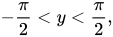
Given the function Inverse Trigonometric Functions: Arcsine, Arccosine, Arctangent, Arccotangent, Arcsecant, Arccosecant On its entire domain of definition it is piecewise monotonic, and therefore the inverse correspondence Inverse Trigonometric Functions: Arcsine, Arccosine, Arctangent, Arccotangent, Arcsecant, Arccosecant is not a function. So we consider the interval on which it is strictly increasing and takes all values of its range — Inverse Trigonometric Functions: Arcsine, Arccosine, Arctangent, Arccotangent, Arcsecant, Arccosecant. Since for the function Inverse Trigonometric Functions: Arcsine, Arccosine, Arctangent, Arccotangent, Arcsecant, Arccosecant on the interval Inverse Trigonometric Functions: Arcsine, Arccosine, Arctangent, Arccotangent, Arcsecant, Arccosecant each value of the function is attained at a single value of the argument, an inverse function Inverse Trigonometric Functions: Arcsine, Arccosine, Arctangent, Arccotangent, Arcsecant, Arccosecant exists on this interval, and its graph is symmetric to the graph of the function Inverse Trigonometric Functions: Arcsine, Arccosine, Arctangent, Arccotangent, Arcsecant, Arccosecant on the interval Inverse Trigonometric Functions: Arcsine, Arccosine, Arctangent, Arccotangent, Arcsecant, Arccosecant with respect to the line Inverse Trigonometric Functions: Arcsine, Arccosine, Arctangent, Arccotangent, Arcsecant, Arccosecant (the graphs of mutually inverse functions are symmetric with respect to the bisector of the first and third quadrants of the coordinate plane Inverse Trigonometric Functions: Arcsine, Arccosine, Arctangent, Arccotangent, Arcsecant, Arccosecant)

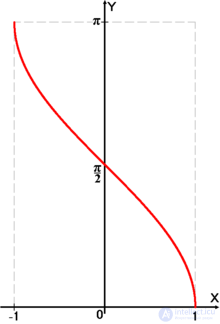
The arccos function

Inverse Trigonometric Functions: Arcsine, Arccosine, Arctangent, Arccotangent, Arcsecant, Arccosecant

Graph of the function Inverse Trigonometric Functions: Arcsine, Arccosine, Arctangent, Arccotangent, Arcsecant, Arccosecant

The arccosine of a number x is the value of the angle y in radian measure for which Inverse Trigonometric Functions: Arcsine, Arccosine, Arctangent, Arccotangent, Arcsecant, Arccosecant

The function Inverse Trigonometric Functions: Arcsine, Arccosine, Arctangent, Arccotangent, Arcsecant, Arccosecant is continuous and bounded on its entire domain of definition. It is strictly decreasing and nonnegative.

  • Inverse Trigonometric Functions: Arcsine, Arccosine, Arctangent, Arccotangent, Arcsecant, Arccosecant for Inverse Trigonometric Functions: Arcsine, Arccosine, Arctangent, Arccotangent, Arcsecant, Arccosecant
  • Inverse Trigonometric Functions: Arcsine, Arccosine, Arctangent, Arccotangent, Arcsecant, Arccosecant for Inverse Trigonometric Functions: Arcsine, Arccosine, Arctangent, Arccotangent, Arcsecant, Arccosecant
  • Inverse Trigonometric Functions: Arcsine, Arccosine, Arctangent, Arccotangent, Arcsecant, Arccosecant (domain of definition),
  • Inverse Trigonometric Functions: Arcsine, Arccosine, Arctangent, Arccotangent, Arcsecant, Arccosecant (range of values).

Properties of the arccos function

  • Inverse Trigonometric Functions: Arcsine, Arccosine, Arctangent, Arccotangent, Arcsecant, Arccosecant The function is centrally symmetric about the point Inverse Trigonometric Functions: Arcsine, Arccosine, Arctangent, Arccotangent, Arcsecant, Arccosecant and is neither even nor odd.
  • Inverse Trigonometric Functions: Arcsine, Arccosine, Arctangent, Arccotangent, Arcsecant, Arccosecant for Inverse Trigonometric Functions: Arcsine, Arccosine, Arctangent, Arccotangent, Arcsecant, Arccosecant
  • Inverse Trigonometric Functions: Arcsine, Arccosine, Arctangent, Arccotangent, Arcsecant, Arccosecant for Inverse Trigonometric Functions: Arcsine, Arccosine, Arctangent, Arccotangent, Arcsecant, Arccosecant
  • Inverse Trigonometric Functions: Arcsine, Arccosine, Arctangent, Arccotangent, Arcsecant, Arccosecant
  • Inverse Trigonometric Functions: Arcsine, Arccosine, Arctangent, Arccotangent, Arcsecant, Arccosecant
  • Inverse Trigonometric Functions: Arcsine, Arccosine, Arctangent, Arccotangent, Arcsecant, Arccosecant
  • Inverse Trigonometric Functions: Arcsine, Arccosine, Arctangent, Arccotangent, Arcsecant, Arccosecant
  • Inverse Trigonometric Functions: Arcsine, Arccosine, Arctangent, Arccotangent, Arcsecant, Arccosecant
  • Inverse Trigonometric Functions: Arcsine, Arccosine, Arctangent, Arccotangent, Arcsecant, Arccosecant

Deriving the arccos function

Given the function Inverse Trigonometric Functions: Arcsine, Arccosine, Arctangent, Arccotangent, Arcsecant, Arccosecant On its entire domain of definition it is piecewise monotonic, and therefore the inverse correspondence Inverse Trigonometric Functions: Arcsine, Arccosine, Arctangent, Arccotangent, Arcsecant, Arccosecant is not a function. So we consider the interval on which it is strictly decreasing and takes all of its values — Inverse Trigonometric Functions: Arcsine, Arccosine, Arctangent, Arccotangent, Arcsecant, Arccosecant On this interval Inverse Trigonometric Functions: Arcsine, Arccosine, Arctangent, Arccotangent, Arcsecant, Arccosecant is strictly monotonically decreasing and takes each of its values only once, which means that on the interval Inverse Trigonometric Functions: Arcsine, Arccosine, Arctangent, Arccotangent, Arcsecant, Arccosecant there exists an inverse function Inverse Trigonometric Functions: Arcsine, Arccosine, Arctangent, Arccotangent, Arcsecant, Arccosecant whose graph is symmetric to the graph of Inverse Trigonometric Functions: Arcsine, Arccosine, Arctangent, Arccotangent, Arcsecant, Arccosecant on the interval Inverse Trigonometric Functions: Arcsine, Arccosine, Arctangent, Arccotangent, Arcsecant, Arccosecant with respect to the line Inverse Trigonometric Functions: Arcsine, Arccosine, Arctangent, Arccotangent, Arcsecant, Arccosecant

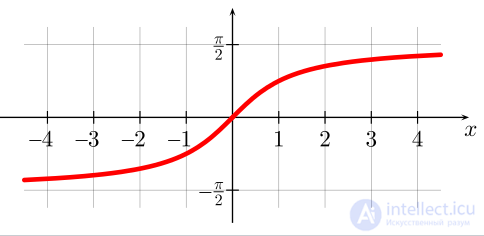
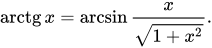
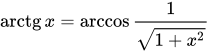
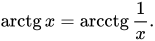
The arctan function

Inverse Trigonometric Functions: Arcsine, Arccosine, Arctangent, Arccotangent, Arcsecant, Arccosecant

Graph of the function Inverse Trigonometric Functions: Arcsine, Arccosine, Arctangent, Arccotangent, Arcsecant, Arccosecant

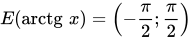
The arctangent of a number x is the value of the angle Inverse Trigonometric Functions: Arcsine, Arccosine, Arctangent, Arccotangent, Arcsecant, Arccosecant expressed in radians, for which Inverse Trigonometric Functions: Arcsine, Arccosine, Arctangent, Arccotangent, Arcsecant, Arccosecant

The function Inverse Trigonometric Functions: Arcsine, Arccosine, Arctangent, Arccotangent, Arcsecant, Arccosecant is defined on the entire real line, is continuous everywhere, and is bounded. It is strictly increasing.

  • Inverse Trigonometric Functions: Arcsine, Arccosine, Arctangent, Arccotangent, Arcsecant, Arccosecant for Inverse Trigonometric Functions: Arcsine, Arccosine, Arctangent, Arccotangent, Arcsecant, Arccosecant
  • Inverse Trigonometric Functions: Arcsine, Arccosine, Arctangent, Arccotangent, Arcsecant, Arccosecant for Inverse Trigonometric Functions: Arcsine, Arccosine, Arctangent, Arccotangent, Arcsecant, Arccosecant
  • Inverse Trigonometric Functions: Arcsine, Arccosine, Arctangent, Arccotangent, Arcsecant, Arccosecant (domain of definition),
  • Inverse Trigonometric Functions: Arcsine, Arccosine, Arctangent, Arccotangent, Arcsecant, Arccosecant (range of values).

Properties of the arctan function

  • Inverse Trigonometric Functions: Arcsine, Arccosine, Arctangent, Arccotangent, Arcsecant, Arccosecant (the function is odd).
  • Inverse Trigonometric Functions: Arcsine, Arccosine, Arctangent, Arccotangent, Arcsecant, Arccosecant
  • Inverse Trigonometric Functions: Arcsine, Arccosine, Arctangent, Arccotangent, Arcsecant, Arccosecant, for x > 0.
  • Inverse Trigonometric Functions: Arcsine, Arccosine, Arctangent, Arccotangent, Arcsecant, Arccosecant
  • Inverse Trigonometric Functions: Arcsine, Arccosine, Arctangent, Arccotangent, Arcsecant, Arccosecant, where Inverse Trigonometric Functions: Arcsine, Arccosine, Arctangent, Arccotangent, Arcsecant, Arccosecant is the inverse hyperbolic tangent, the hyperbolic area tangent.

  • Inverse Trigonometric Functions: Arcsine, Arccosine, Arctangent, Arccotangent, Arcsecant, Arccosecant

Deriving the arctan function

Given the function Inverse Trigonometric Functions: Arcsine, Arccosine, Arctangent, Arccotangent, Arcsecant, Arccosecant On its entire domain of definition it is piecewise monotonic, and therefore the inverse correspondence Inverse Trigonometric Functions: Arcsine, Arccosine, Arctangent, Arccotangent, Arcsecant, Arccosecant is not a function (since the single-valuedness requirement is violated). So let us consider the interval on which it is strictly increasing and takes all of its values only once — Inverse Trigonometric Functions: Arcsine, Arccosine, Arctangent, Arccotangent, Arcsecant, Arccosecant On this interval Inverse Trigonometric Functions: Arcsine, Arccosine, Arctangent, Arccotangent, Arcsecant, Arccosecant is strictly monotonically increasing and takes all of its values only once; consequently, on the interval Inverse Trigonometric Functions: Arcsine, Arccosine, Arctangent, Arccotangent, Arcsecant, Arccosecant there exists an inverse function Inverse Trigonometric Functions: Arcsine, Arccosine, Arctangent, Arccotangent, Arcsecant, Arccosecant, whose graph is symmetric to the graph of Inverse Trigonometric Functions: Arcsine, Arccosine, Arctangent, Arccotangent, Arcsecant, Arccosecant on the interval Inverse Trigonometric Functions: Arcsine, Arccosine, Arctangent, Arccotangent, Arcsecant, Arccosecant with respect to the line Inverse Trigonometric Functions: Arcsine, Arccosine, Arctangent, Arccotangent, Arcsecant, Arccosecant

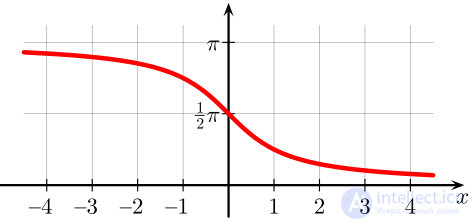
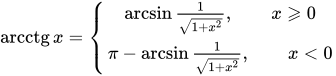
The arccot function

Inverse Trigonometric Functions: Arcsine, Arccosine, Arctangent, Arccotangent, Arcsecant, Arccosecant

Graph of the function Inverse Trigonometric Functions: Arcsine, Arccosine, Arctangent, Arccotangent, Arcsecant, Arccosecant

The arccotangent of a number x is the value of the angle y (in radian measure of angles) for which Inverse Trigonometric Functions: Arcsine, Arccosine, Arctangent, Arccotangent, Arcsecant, Arccosecant

The function Inverse Trigonometric Functions: Arcsine, Arccosine, Arctangent, Arccotangent, Arcsecant, Arccosecant is defined on the entire real line, is continuous everywhere, and is bounded. It is strictly decreasing and everywhere positive.

  • Inverse Trigonometric Functions: Arcsine, Arccosine, Arctangent, Arccotangent, Arcsecant, Arccosecant for Inverse Trigonometric Functions: Arcsine, Arccosine, Arctangent, Arccotangent, Arcsecant, Arccosecant
  • Inverse Trigonometric Functions: Arcsine, Arccosine, Arctangent, Arccotangent, Arcsecant, Arccosecant for Inverse Trigonometric Functions: Arcsine, Arccosine, Arctangent, Arccotangent, Arcsecant, Arccosecant
  • Inverse Trigonometric Functions: Arcsine, Arccosine, Arctangent, Arccotangent, Arcsecant, Arccosecant
  • Inverse Trigonometric Functions: Arcsine, Arccosine, Arctangent, Arccotangent, Arcsecant, Arccosecant

Properties of the arccot function

  • Inverse Trigonometric Functions: Arcsine, Arccosine, Arctangent, Arccotangent, Arcsecant, Arccosecant The graph of the function is centrally symmetric about the point Inverse Trigonometric Functions: Arcsine, Arccosine, Arctangent, Arccotangent, Arcsecant, Arccosecant The function is neither even nor odd.
  • Inverse Trigonometric Functions: Arcsine, Arccosine, Arctangent, Arccotangent, Arcsecant, Arccosecant for any Inverse Trigonometric Functions: Arcsine, Arccosine, Arctangent, Arccotangent, Arcsecant, Arccosecant
  • Inverse Trigonometric Functions: Arcsine, Arccosine, Arctangent, Arccotangent, Arcsecant, Arccosecant
  • Inverse Trigonometric Functions: Arcsine, Arccosine, Arctangent, Arccotangent, Arcsecant, Arccosecant

Deriving the arccot function

Given the function Inverse Trigonometric Functions: Arcsine, Arccosine, Arctangent, Arccotangent, Arcsecant, Arccosecant. On its entire domain of definition it is piecewise monotonic, and therefore the inverse correspondence Inverse Trigonometric Functions: Arcsine, Arccosine, Arctangent, Arccotangent, Arcsecant, Arccosecant is not a function. So let us consider the interval on which it is strictly decreasing and takes all of its values only once — Inverse Trigonometric Functions: Arcsine, Arccosine, Arctangent, Arccotangent, Arcsecant, Arccosecant. On this interval Inverse Trigonometric Functions: Arcsine, Arccosine, Arctangent, Arccotangent, Arcsecant, Arccosecant is strictly decreasing and takes all of its values only once; consequently, on the interval Inverse Trigonometric Functions: Arcsine, Arccosine, Arctangent, Arccotangent, Arcsecant, Arccosecant there exists an inverse function Inverse Trigonometric Functions: Arcsine, Arccosine, Arctangent, Arccotangent, Arcsecant, Arccosecant, whose graph is symmetric to the graph of Inverse Trigonometric Functions: Arcsine, Arccosine, Arctangent, Arccotangent, Arcsecant, Arccosecant on the interval Inverse Trigonometric Functions: Arcsine, Arccosine, Arctangent, Arccotangent, Arcsecant, Arccosecant with respect to the line Inverse Trigonometric Functions: Arcsine, Arccosine, Arctangent, Arccotangent, Arcsecant, Arccosecant

The graph of the arccotangent is obtained from the graph of the arctangent by reflecting the latter about the ordinate axis (that is, replacing the sign of the argument, Inverse Trigonometric Functions: Arcsine, Arccosine, Arctangent, Arccotangent, Arcsecant, Arccosecant) and shifting it up by π/2; this follows from the formula mentioned above Inverse Trigonometric Functions: Arcsine, Arccosine, Arctangent, Arccotangent, Arcsecant, Arccosecant

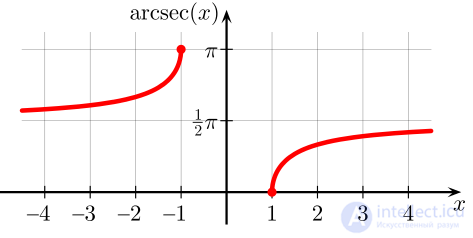
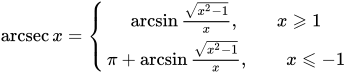
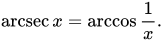
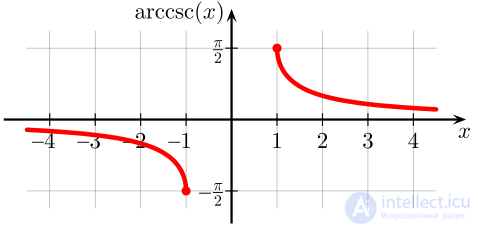
The arcsec function

Inverse Trigonometric Functions: Arcsine, Arccosine, Arctangent, Arccotangent, Arcsecant, Arccosecant

Graph of the function Inverse Trigonometric Functions: Arcsine, Arccosine, Arctangent, Arccotangent, Arcsecant, Arccosecant

The arcsecant of a number x is the value of the angle y (in radian measure of angles) for which Inverse Trigonometric Functions: Arcsine, Arccosine, Arctangent, Arccotangent, Arcsecant, Arccosecant

The function Inverse Trigonometric Functions: Arcsine, Arccosine, Arctangent, Arccotangent, Arcsecant, Arccosecant is continuous and bounded on its entire domain of definition. It is strictly increasing and everywhere nonnegative.

  • Inverse Trigonometric Functions: Arcsine, Arccosine, Arctangent, Arccotangent, Arcsecant, Arccosecant for Inverse Trigonometric Functions: Arcsine, Arccosine, Arctangent, Arccotangent, Arcsecant, Arccosecant
  • Inverse Trigonometric Functions: Arcsine, Arccosine, Arctangent, Arccotangent, Arcsecant, Arccosecant for Inverse Trigonometric Functions: Arcsine, Arccosine, Arctangent, Arccotangent, Arcsecant, Arccosecant
  • Inverse Trigonometric Functions: Arcsine, Arccosine, Arctangent, Arccotangent, Arcsecant, Arccosecant (domain of definition),
  • Inverse Trigonometric Functions: Arcsine, Arccosine, Arctangent, Arccotangent, Arcsecant, Arccosecant (range of values).

Properties of the arcsec function

  • Inverse Trigonometric Functions: Arcsine, Arccosine, Arctangent, Arccotangent, Arcsecant, Arccosecant The graph of the function is centrally symmetric about the point Inverse Trigonometric Functions: Arcsine, Arccosine, Arctangent, Arccotangent, Arcsecant, Arccosecant The function is neither even nor odd.
  • Inverse Trigonometric Functions: Arcsine, Arccosine, Arctangent, Arccotangent, Arcsecant, Arccosecant for any Inverse Trigonometric Functions: Arcsine, Arccosine, Arctangent, Arccotangent, Arcsecant, Arccosecant
  • Inverse Trigonometric Functions: Arcsine, Arccosine, Arctangent, Arccotangent, Arcsecant, Arccosecant
  • Inverse Trigonometric Functions: Arcsine, Arccosine, Arctangent, Arccotangent, Arcsecant, Arccosecant
  • Inverse Trigonometric Functions: Arcsine, Arccosine, Arctangent, Arccotangent, Arcsecant, Arccosecant

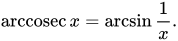
The arccosec function

Inverse Trigonometric Functions: Arcsine, Arccosine, Arctangent, Arccotangent, Arcsecant, Arccosecant

Graph of the function Inverse Trigonometric Functions: Arcsine, Arccosine, Arctangent, Arccotangent, Arcsecant, Arccosecant

The arccosecant of a number x is the value of the angle y (in radian measure of angles) for which Inverse Trigonometric Functions: Arcsine, Arccosine, Arctangent, Arccotangent, Arcsecant, Arccosecant

The function Inverse Trigonometric Functions: Arcsine, Arccosine, Arctangent, Arccotangent, Arcsecant, Arccosecant is continuous and bounded on its entire domain of definition. It is strictly decreasing.

  • Inverse Trigonometric Functions: Arcsine, Arccosine, Arctangent, Arccotangent, Arcsecant, Arccosecant for Inverse Trigonometric Functions: Arcsine, Arccosine, Arctangent, Arccotangent, Arcsecant, Arccosecant
  • Inverse Trigonometric Functions: Arcsine, Arccosine, Arctangent, Arccotangent, Arcsecant, Arccosecant for Inverse Trigonometric Functions: Arcsine, Arccosine, Arctangent, Arccotangent, Arcsecant, Arccosecant
  • Inverse Trigonometric Functions: Arcsine, Arccosine, Arctangent, Arccotangent, Arcsecant, Arccosecant (domain of definition),
  • Inverse Trigonometric Functions: Arcsine, Arccosine, Arctangent, Arccotangent, Arcsecant, Arccosecant (range of values).

Properties of the arccosec function

  • Inverse Trigonometric Functions: Arcsine, Arccosine, Arctangent, Arccotangent, Arcsecant, Arccosecant (the function is odd).
  • Inverse Trigonometric Functions: Arcsine, Arccosine, Arctangent, Arccotangent, Arcsecant, Arccosecant
  • Inverse Trigonometric Functions: Arcsine, Arccosine, Arctangent, Arccotangent, Arcsecant, Arccosecant
  • Inverse Trigonometric Functions: Arcsine, Arccosine, Arctangent, Arccotangent, Arcsecant, Arccosecant

Series expansions

  • Inverse Trigonometric Functions: Arcsine, Arccosine, Arctangent, Arccotangent, Arcsecant, Arccosecant for all Inverse Trigonometric Functions: Arcsine, Arccosine, Arctangent, Arccotangent, Arcsecant, Arccosecant
  • Inverse Trigonometric Functions: Arcsine, Arccosine, Arctangent, Arccotangent, Arcsecant, Arccosecant for all Inverse Trigonometric Functions: Arcsine, Arccosine, Arctangent, Arccotangent, Arcsecant, Arccosecant
  • Inverse Trigonometric Functions: Arcsine, Arccosine, Arctangent, Arccotangent, Arcsecant, Arccosecant for all Inverse Trigonometric Functions: Arcsine, Arccosine, Arctangent, Arccotangent, Arcsecant, Arccosecant

Derivatives of inverse trigonometric functions

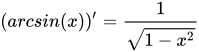
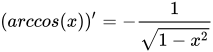
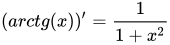
All inverse trigonometric functions are infinitely differentiable at every point of their domain of definition. The first derivatives:
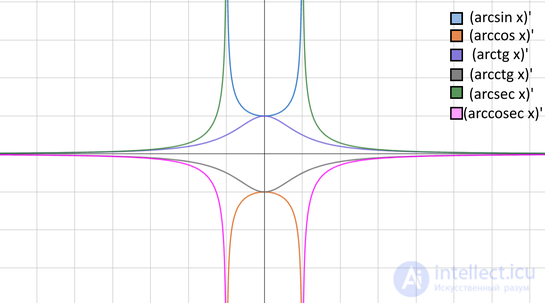
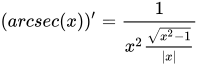
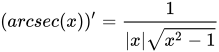
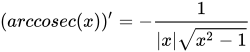
Inverse Trigonometric Functions: Arcsine, Arccosine, Arctangent, Arccotangent, Arcsecant, Arccosecant

derivatives of inverse trigonometric functions

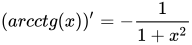
Function Inverse Trigonometric Functions: Arcsine, Arccosine, Arctangent, Arccotangent, Arcsecant, Arccosecant Derivative Inverse Trigonometric Functions: Arcsine, Arccosine, Arctangent, Arccotangent, Arcsecant, Arccosecant Note
Inverse Trigonometric Functions: Arcsine, Arccosine, Arctangent, Arccotangent, Arcsecant, Arccosecant Inverse Trigonometric Functions: Arcsine, Arccosine, Arctangent, Arccotangent, Arcsecant, Arccosecant

Proof

The derivative of the arcsine can be found using mutually inverse functions.
Inverse Trigonometric Functions: Arcsine, Arccosine, Arctangent, Arccotangent, Arcsecant, Arccosecant
Then we must take the derivative of both of these functions.
Inverse Trigonometric Functions: Arcsine, Arccosine, Arctangent, Arccotangent, Arcsecant, Arccosecant
Now we must express the derivative of the arcsine.
Inverse Trigonometric Functions: Arcsine, Arccosine, Arctangent, Arccotangent, Arcsecant, Arccosecant
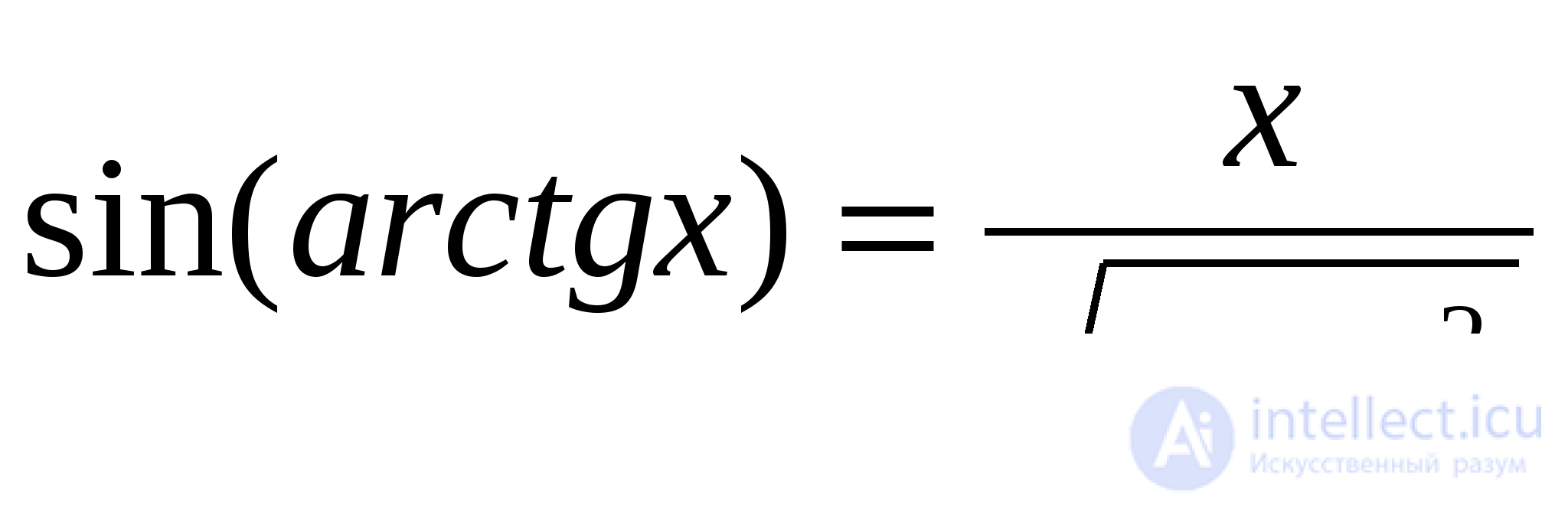
Based on the trigonometric identity ( Inverse Trigonometric Functions: Arcsine, Arccosine, Arctangent, Arccotangent, Arcsecant, Arccosecant) we obtain.
Inverse Trigonometric Functions: Arcsine, Arccosine, Arctangent, Arccotangent, Arcsecant, Arccosecant
To understand whether a plus or a minus should be placed there, let us look at which values are taken.
Inverse Trigonometric Functions: Arcsine, Arccosine, Arctangent, Arccotangent, Arcsecant, Arccosecant
Since the cosine lies in the 1st and 4th quadrants, it follows that the cosine is positive.
Inverse Trigonometric Functions: Arcsine, Arccosine, Arctangent, Arccotangent, Arcsecant, Arccosecant
We get.
Inverse Trigonometric Functions: Arcsine, Arccosine, Arctangent, Arccotangent, Arcsecant, Arccosecant

{ Inverse Trigonometric Functions: Arcsine, Arccosine, Arctangent, Arccotangent, Arcsecant, Arccosecant Inverse Trigonometric Functions: Arcsine, Arccosine, Arctangent, Arccotangent, Arcsecant, Arccosecant

Proof

The derivative of the arccosine can be found using the following identity:
Inverse Trigonometric Functions: Arcsine, Arccosine, Arctangent, Arccotangent, Arcsecant, Arccosecant
Now we find the derivative of both sides of this identity.
Inverse Trigonometric Functions: Arcsine, Arccosine, Arctangent, Arccotangent, Arcsecant, Arccosecant
Now we express the derivative of the arccosine.
Inverse Trigonometric Functions: Arcsine, Arccosine, Arctangent, Arccotangent, Arcsecant, Arccosecant
We get.
Inverse Trigonometric Functions: Arcsine, Arccosine, Arctangent, Arccotangent, Arcsecant, Arccosecant

Inverse Trigonometric Functions: Arcsine, Arccosine, Arctangent, Arccotangent, Arcsecant, Arccosecant Inverse Trigonometric Functions: Arcsine, Arccosine, Arctangent, Arccotangent, Arcsecant, Arccosecant

Proof

The derivative of the arctangent can be found using the mutually inverse function:
Inverse Trigonometric Functions: Arcsine, Arccosine, Arctangent, Arccotangent, Arcsecant, Arccosecant
Now we find the derivative of both sides of this identity.
Inverse Trigonometric Functions: Arcsine, Arccosine, Arctangent, Arccotangent, Arcsecant, Arccosecant
Now we must express the derivative of the arctangent:
Inverse Trigonometric Functions: Arcsine, Arccosine, Arctangent, Arccotangent, Arcsecant, Arccosecant
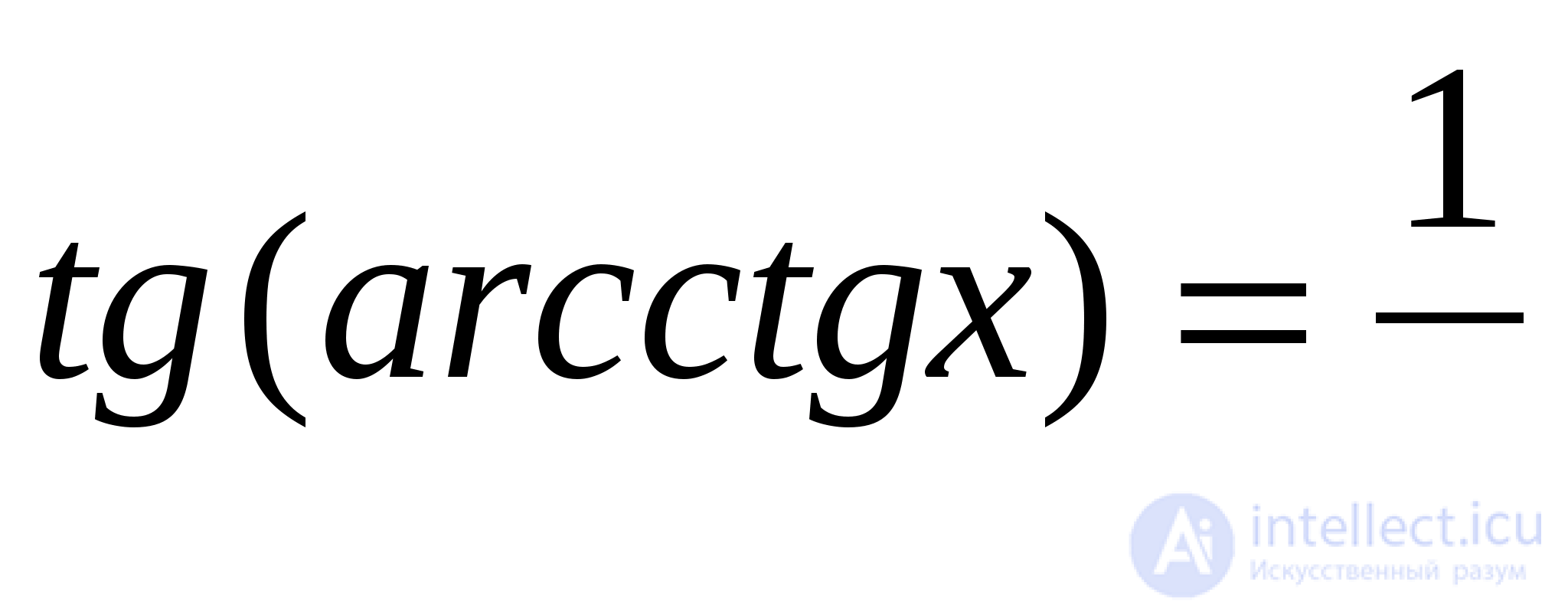
Now the identity comes to our aid ( Inverse Trigonometric Functions: Arcsine, Arccosine, Arctangent, Arccotangent, Arcsecant, Arccosecant):
Inverse Trigonometric Functions: Arcsine, Arccosine, Arctangent, Arccotangent, Arcsecant, Arccosecant
We get.
Inverse Trigonometric Functions: Arcsine, Arccosine, Arctangent, Arccotangent, Arcsecant, Arccosecant

Inverse Trigonometric Functions: Arcsine, Arccosine, Arctangent, Arccotangent, Arcsecant, Arccosecant Inverse Trigonometric Functions: Arcsine, Arccosine, Arctangent, Arccotangent, Arcsecant, Arccosecant

Proof

The derivative of the arccotangent can be found using the following identity:
Inverse Trigonometric Functions: Arcsine, Arccosine, Arctangent, Arccotangent, Arcsecant, Arccosecant
Now we find the derivative of both sides of this identity.
Inverse Trigonometric Functions: Arcsine, Arccosine, Arctangent, Arccotangent, Arcsecant, Arccosecant
Now we express the derivative of the arccotangent.
Inverse Trigonometric Functions: Arcsine, Arccosine, Arctangent, Arccotangent, Arcsecant, Arccosecant
We obtain.
Inverse Trigonometric Functions: Arcsine, Arccosine, Arctangent, Arccotangent, Arcsecant, Arccosecant

Inverse Trigonometric Functions: Arcsine, Arccosine, Arctangent, Arccotangent, Arcsecant, Arccosecant Inverse Trigonometric Functions: Arcsine, Arccosine, Arctangent, Arccotangent, Arcsecant, Arccosecant

Proof

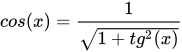
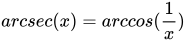
The derivative of the arcsecant can be found using the identity:

Inverse Trigonometric Functions: Arcsine, Arccosine, Arctangent, Arccotangent, Arcsecant, Arccosecant

Now we differentiate both sides of this identity.

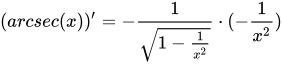
Inverse Trigonometric Functions: Arcsine, Arccosine, Arctangent, Arccotangent, Arcsecant, Arccosecant

Inverse Trigonometric Functions: Arcsine, Arccosine, Arctangent, Arccotangent, Arcsecant, Arccosecant

Inverse Trigonometric Functions: Arcsine, Arccosine, Arctangent, Arccotangent, Arcsecant, Arccosecant

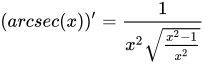
Inverse Trigonometric Functions: Arcsine, Arccosine, Arctangent, Arccotangent, Arcsecant, Arccosecant

We obtain.

Inverse Trigonometric Functions: Arcsine, Arccosine, Arctangent, Arccotangent, Arcsecant, Arccosecant

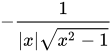
Inverse Trigonometric Functions: Arcsine, Arccosine, Arctangent, Arccotangent, Arcsecant, Arccosecant Inverse Trigonometric Functions: Arcsine, Arccosine, Arctangent, Arccotangent, Arcsecant, Arccosecant

Proof

The derivative of the arccosecant can be found using this identity:
Inverse Trigonometric Functions: Arcsine, Arccosine, Arctangent, Arccotangent, Arcsecant, Arccosecant
Now we differentiate both sides of this identity.
Inverse Trigonometric Functions: Arcsine, Arccosine, Arctangent, Arccotangent, Arcsecant, Arccosecant
Now we express the derivative of the arccosine.
Inverse Trigonometric Functions: Arcsine, Arccosine, Arctangent, Arccotangent, Arcsecant, Arccosecant
We obtain.
Inverse Trigonometric Functions: Arcsine, Arccosine, Arctangent, Arccotangent, Arcsecant, Arccosecant

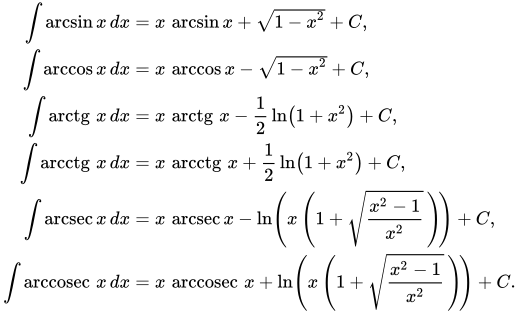
Integrals of inverse trigonometric functions

Indefinite integrals

For real and complex x:

Inverse Trigonometric Functions: Arcsine, Arccosine, Arctangent, Arccotangent, Arcsecant, Arccosecant

For real x ≥ 1:

Inverse Trigonometric Functions: Arcsine, Arccosine, Arctangent, Arccotangent, Arcsecant, Arccosecant

Use in geometry

Inverse Trigonometric Functions: Arcsine, Arccosine, Arctangent, Arccotangent, Arcsecant, Arccosecant

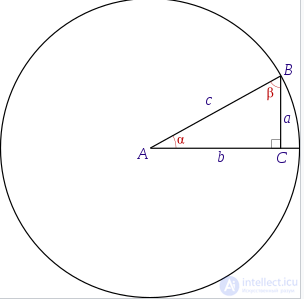
Right triangle ABC

Inverse trigonometric functions are used to compute the angles of a triangle when its sides are known, for example, by means of the law of cosines.

In a right triangle, these functions of the ratios of the sides give the angle directly. Thus, if the leg of length Inverse Trigonometric Functions: Arcsine, Arccosine, Arctangent, Arccotangent, Arcsecant, Arccosecant is opposite the angle Inverse Trigonometric Functions: Arcsine, Arccosine, Arctangent, Arccotangent, Arcsecant, Arccosecant, then

Inverse Trigonometric Functions: Arcsine, Arccosine, Arctangent, Arccotangent, Arcsecant, Arccosecant

Relation to the natural logarithm

To compute the values of inverse trigonometric functions of a complex argument, it is convenient to use formulas that express them in terms of the natural logarithm:


Inverse Trigonometric Functions: Arcsine, Arccosine, Arctangent, Arccotangent, Arcsecant, Arccosecant

Inverse Trigonometric Functions: Arcsine, Arccosine, Arctangent, Arccotangent, Arcsecant, Arccosecant

Inverse Trigonometric Functions: Arcsine, Arccosine, Arctangent, Arccotangent, Arcsecant, Arccosecant

Inverse Trigonometric Functions: Arcsine, Arccosine, Arctangent, Arccotangent, Arcsecant, Arccosecant

Inverse Trigonometric Functions: Arcsine, Arccosine, Arctangent, Arccotangent, Arcsecant, Arccosecant

Inverse Trigonometric Functions: Arcsine, Arccosine, Arctangent, Arccotangent, Arcsecant, Arccosecant

Notes

  1. ↑ Here the sign −1 denotes the function x = f−1 (y), the inverse of the function y = f (x)
  2. ↑ Encyclopedic Dictionary, 1985, p. 220.
  3. ↑ For values of x close to 1, this computational formula gives a large error. Therefore, one can use the formula Inverse Trigonometric Functions: Arcsine, Arccosine, Arctangent, Arccotangent, Arcsecant, Arccosecant where Inverse Trigonometric Functions: Arcsine, Arccosine, Arctangent, Arccotangent, Arcsecant, Arccosecant

Applications

Application: determining an angle of a right triangle

Inverse Trigonometric Functions: Arcsine, Arccosine, Arctangent, Arccotangent, Arcsecant, Arccosecant
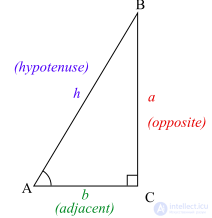
Right triangle.

Inverse trigonometric functions are useful when trying to determine the remaining two angles of a right triangle when the lengths of the triangle's sides are known. Recalling the definitions of sine and cosine in a right triangle, it follows that

Inverse Trigonometric Functions: Arcsine, Arccosine, Arctangent, Arccotangent, Arcsecant, Arccosecant

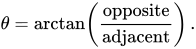
Often the hypotenuse is unknown and must be computed before using the arcsine or arccosine, using the Pythagorean theorem: Inverse Trigonometric Functions: Arcsine, Arccosine, Arctangent, Arccotangent, Arcsecant, Arccosecant where Inverse Trigonometric Functions: Arcsine, Arccosine, Arctangent, Arccotangent, Arcsecant, Arccosecant is the length of the hypotenuse. In this situation the arctangent can come in handy, since the length of the hypotenuse is not needed.
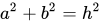
Inverse Trigonometric Functions: Arcsine, Arccosine, Arctangent, Arccotangent, Arcsecant, Arccosecant

For example, suppose a roof drops 8 feet while extending 20 feet horizontally. The roof makes an angle θ with the horizontal, where θ can be computed as follows:

Inverse Trigonometric Functions: Arcsine, Arccosine, Arctangent, Arccotangent, Arcsecant, Arccosecant

In computer science and engineering

The two-argument variant of the arctangent

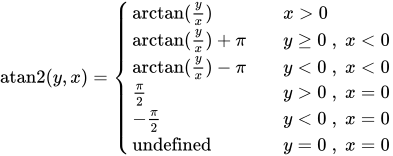
The two-argument function atan2 computes the arctangent of y / x given y and x, but with a range of (−π, π]. In other words, atan2(y, x) is the angle between the positive x-axis of the plane and the point (x, y) on it, with a positive sign for counterclockwise angles (upper half-plane, y > 0) and a negative sign for clockwise angles (lower half-plane, y < 0). It was first introduced in many programming languages, but it is now also widely used in other fields of science and engineering.

In terms of the standard arctan function, that is, with a range of (−π/2, π/2), it can be expressed as follows:
Inverse Trigonometric Functions: Arcsine, Arccosine, Arctangent, Arccotangent, Arcsecant, Arccosecant

It is also equal to the principal value of the argument of the complex number x + i y.

This function can also be defined using the following tangent half-angle formulas:

Inverse Trigonometric Functions: Arcsine, Arccosine, Arctangent, Arccotangent, Arcsecant, Arccosecant

provided that either x > 0 or y ≠ 0. However, this fails if x ≤ 0 and y = 0, so the expression is unsuitable for computational use.

The order of arguments (y, x) given above seems to be the most common, and in particular is used in ISO standards such as the C programming language, but some authors may use the opposite convention (x, y), so some care is needed. These variations are detailed at atan2.

Arctangent function with location parameter

In many applications the solutionInverse Trigonometric Functions: Arcsine, Arccosine, Arctangent, Arccotangent, Arcsecant, Arccosecant of the equation Inverse Trigonometric Functions: Arcsine, Arccosine, Arctangent, Arccotangent, Arcsecant, Arccosecant should be as close as possible to a given value Inverse Trigonometric Functions: Arcsine, Arccosine, Arctangent, Arccotangent, Arcsecant, Arccosecant. An adequate solution is produced by the modified arctangent function with a parameter


Inverse Trigonometric Functions: Arcsine, Arccosine, Arctangent, Arccotangent, Arcsecant, Arccosecant

The function Inverse Trigonometric Functions: Arcsine, Arccosine, Arctangent, Arccotangent, Arcsecant, Arccosecant rounds to the nearest integer.

Numerical accuracy

For angles close to 0 and π, the arccosine is ill-conditioned and will therefore compute the angle with reduced accuracy in a computer implementation (due to the limited number of digits). Similarly, the arcsine is inaccurate for angles close to −π/2 and π/2.

Solving equations containing inverse trigonometric functions

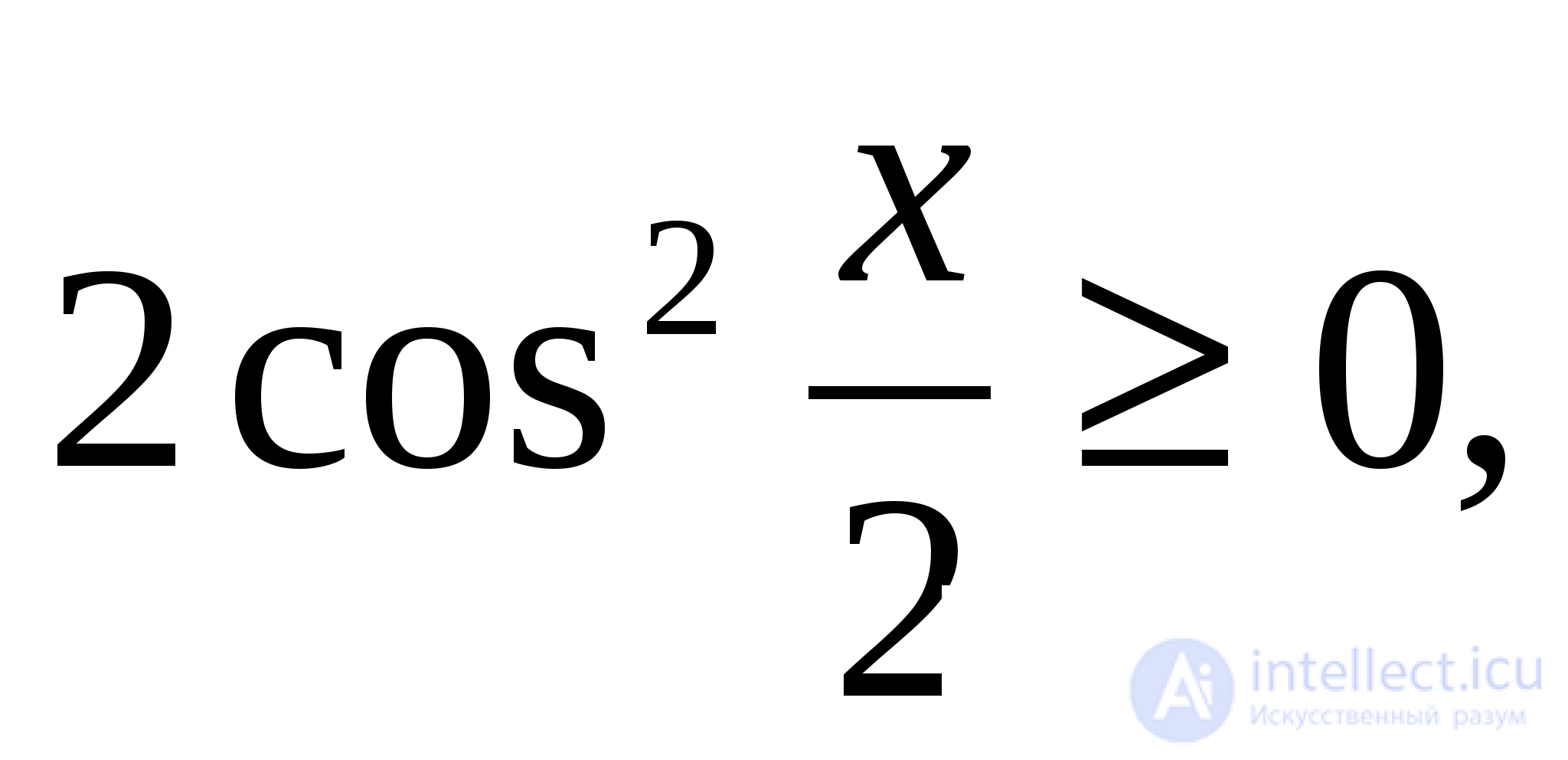
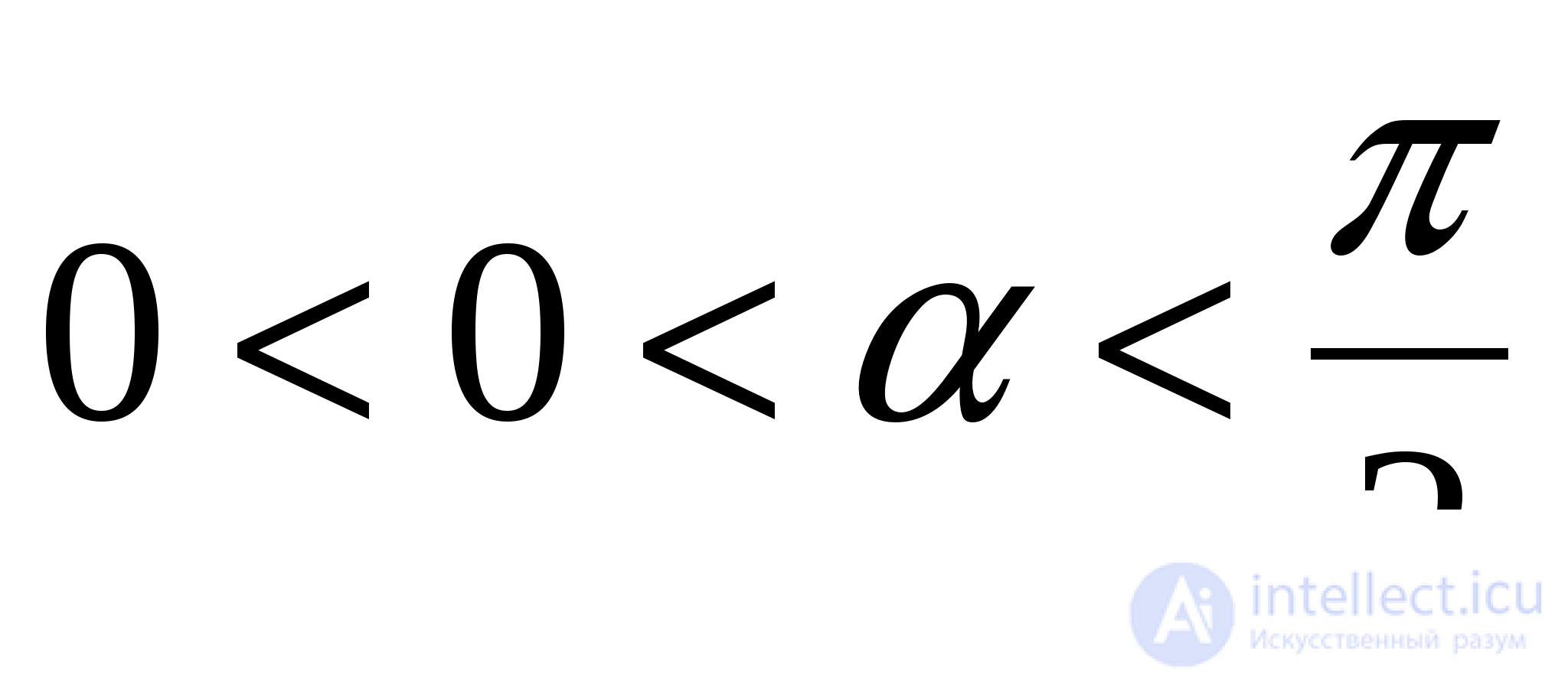
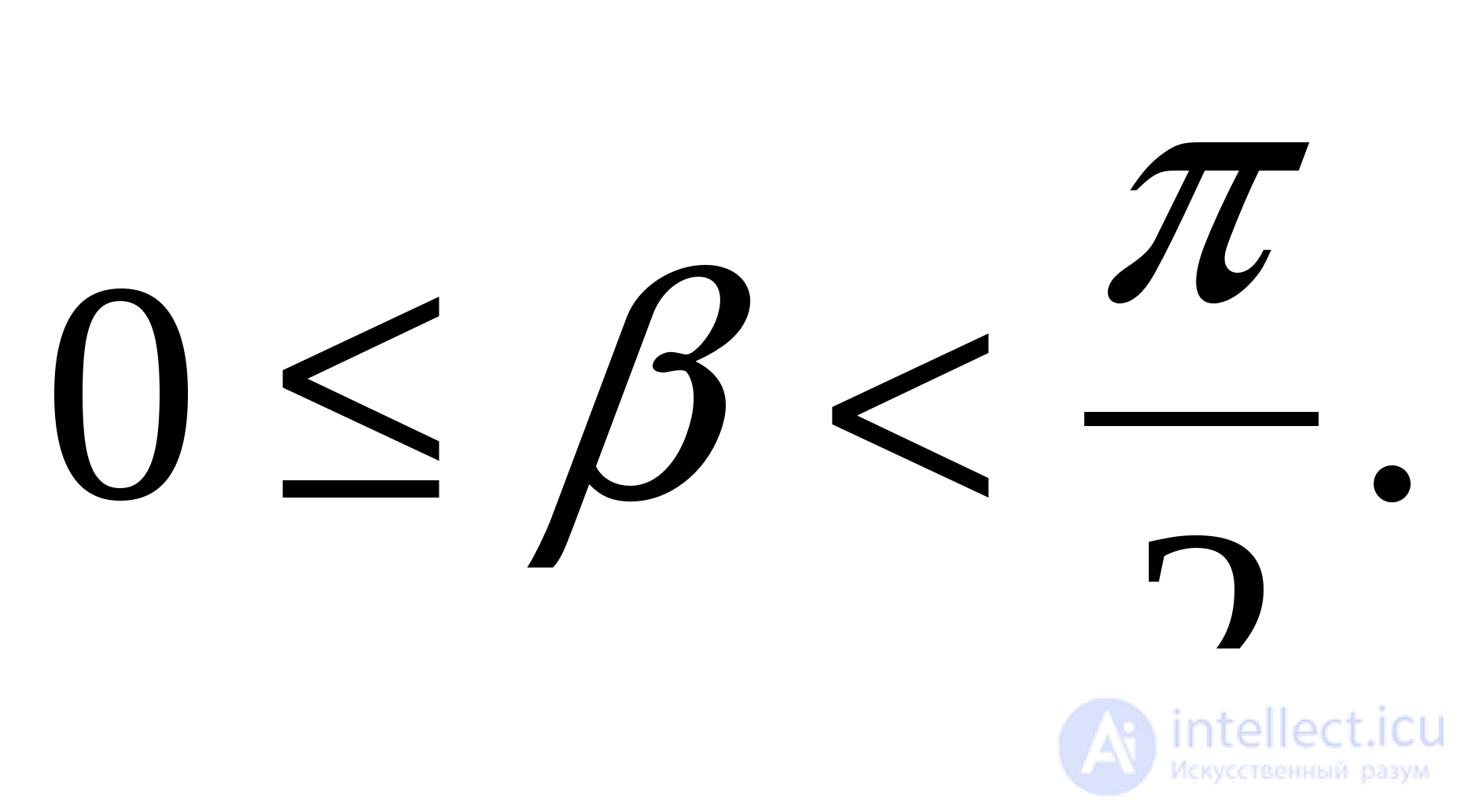
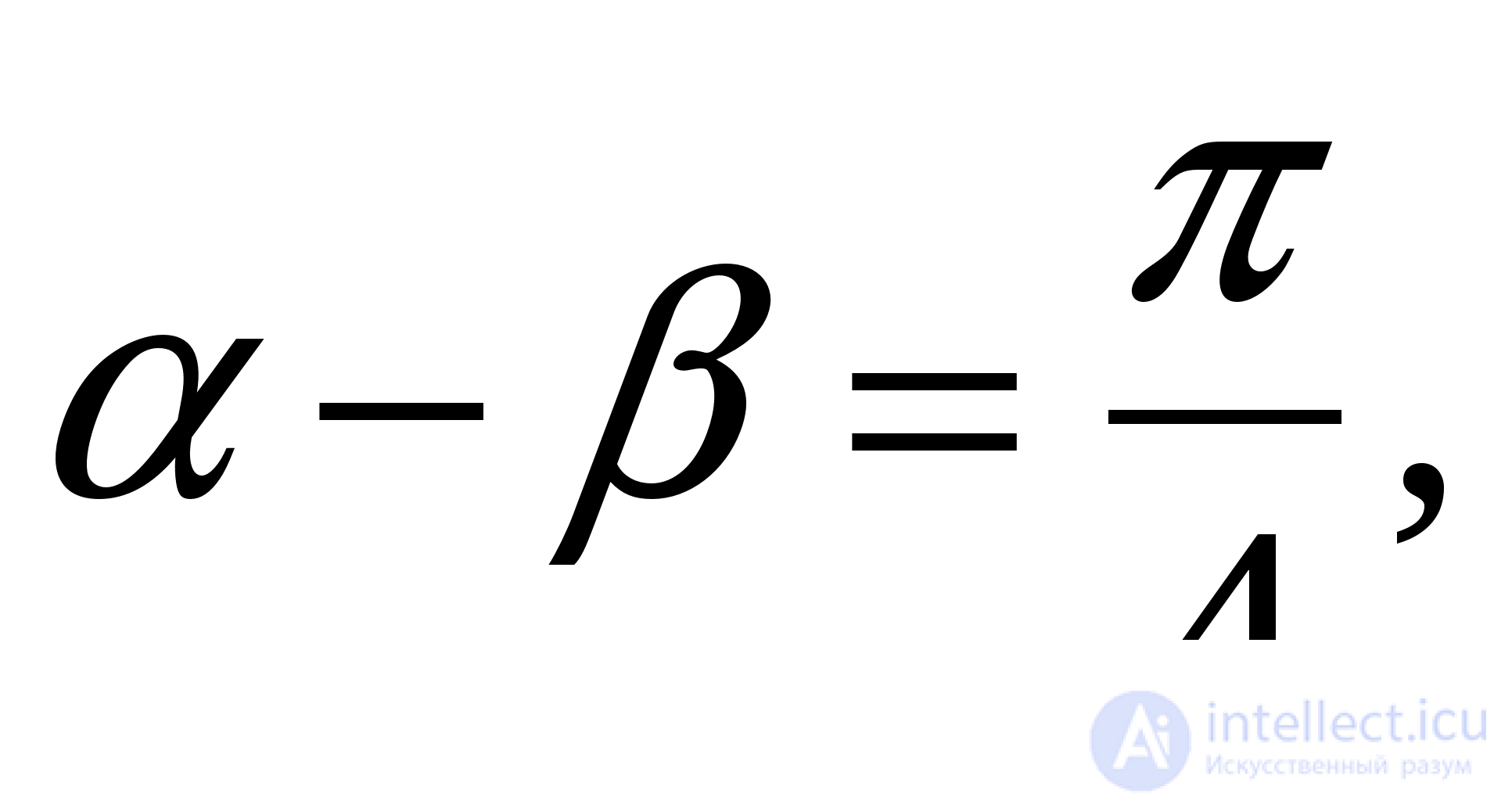
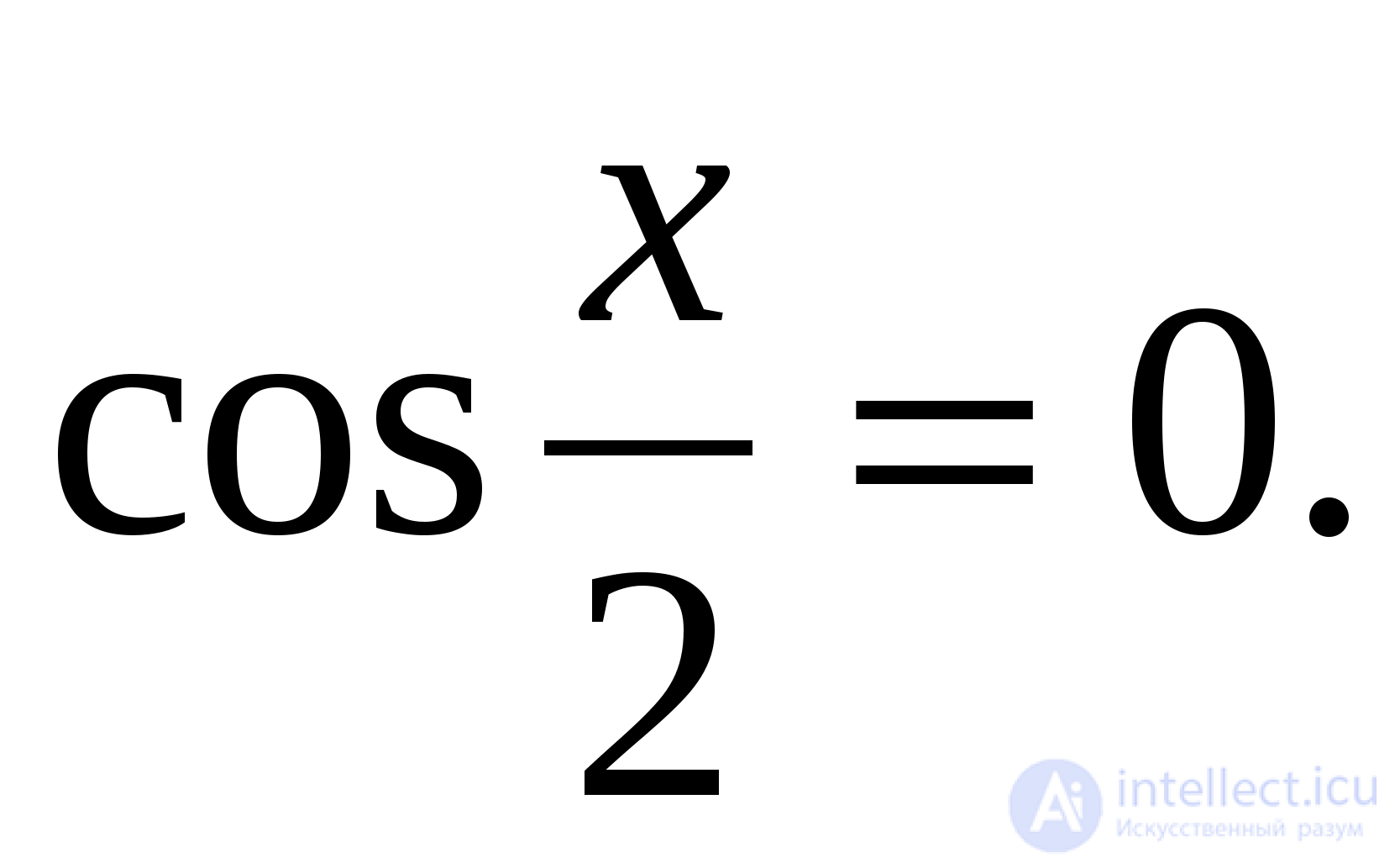
Traditional methods of solving equations with inverse trigonometric functions (arc functions) come down to taking some trigonometric function of both sides, followed by transforming the resulting superpositions using known trigonometric formulas and the formulas given below:


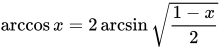
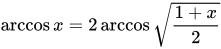
Inverse Trigonometric Functions: Arcsine, Arccosine, Arctangent, Arccotangent, Arcsecant, Arccosecant

Inverse Trigonometric Functions: Arcsine, Arccosine, Arctangent, Arccotangent, Arcsecant, Arccosecant

Inverse Trigonometric Functions: Arcsine, Arccosine, Arctangent, Arccotangent, Arcsecant, Arccosecant

Inverse Trigonometric Functions: Arcsine, Arccosine, Arctangent, Arccotangent, Arcsecant, Arccosecant

Inverse Trigonometric Functions: Arcsine, Arccosine, Arctangent, Arccotangent, Arcsecant, Arccosecant

Inverse Trigonometric Functions: Arcsine, Arccosine, Arctangent, Arccotangent, Arcsecant, Arccosecant

Inverse Trigonometric Functions: Arcsine, Arccosine, Arctangent, Arccotangent, Arcsecant, Arccosecant (13)

Inverse Trigonometric Functions: Arcsine, Arccosine, Arctangent, Arccotangent, Arcsecant, Arccosecant

Inverse Trigonometric Functions: Arcsine, Arccosine, Arctangent, Arccotangent, Arcsecant, Arccosecant

Inverse Trigonometric Functions: Arcsine, Arccosine, Arctangent, Arccotangent, Arcsecant, Arccosecant

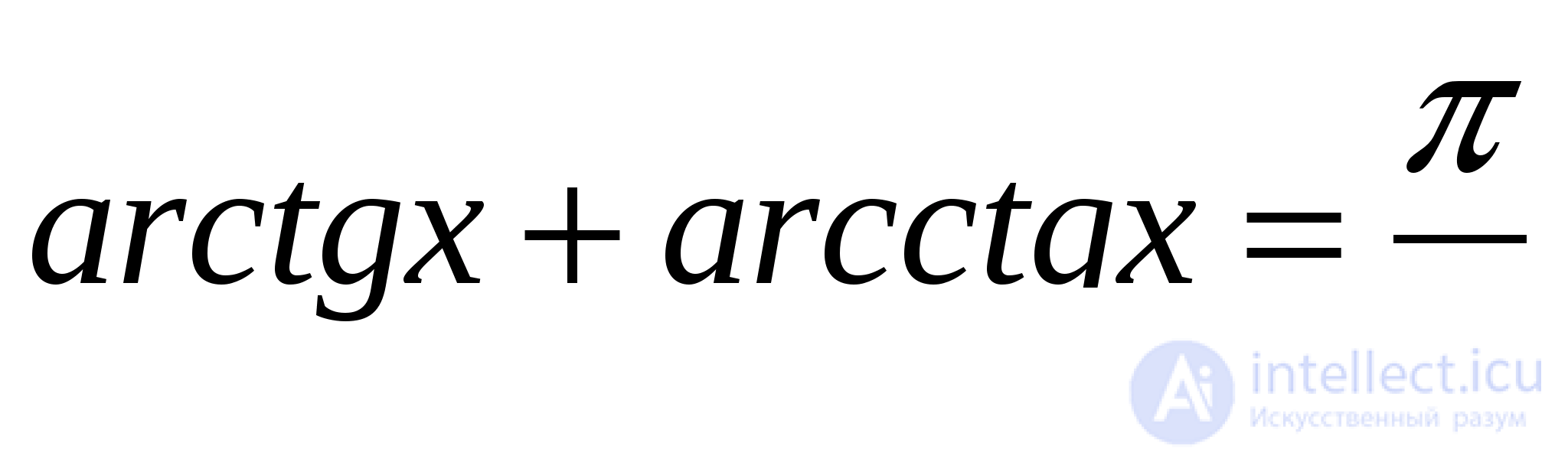
Formulas (13) are easily derived from the definitions of the arc functions and the basic trigonometric identities. The given formulas can be supplemented with similar ones obtained from the two identities

(14)
Inverse Trigonometric Functions: Arcsine, Arccosine, Arctangent, Arccotangent, Arcsecant, Arccosecant

and the reduction formulas.

The main drawback of these methods is that the equivalence of the equation is broken during its transformation, so "extraneous" roots can be expected to appear. Identifying extraneous solutions by substituting them into the original equation is often very difficult, either a) because of the complexity of computing non-tabular values of arc functions, or b) because the resulting set of solutions is infinite.

There is a method of solving equations with arc functions in which "extraneous" roots do not arise at all. The method is implemented in the three approaches given below, which differ according to the number of arc functions involved in the equation.

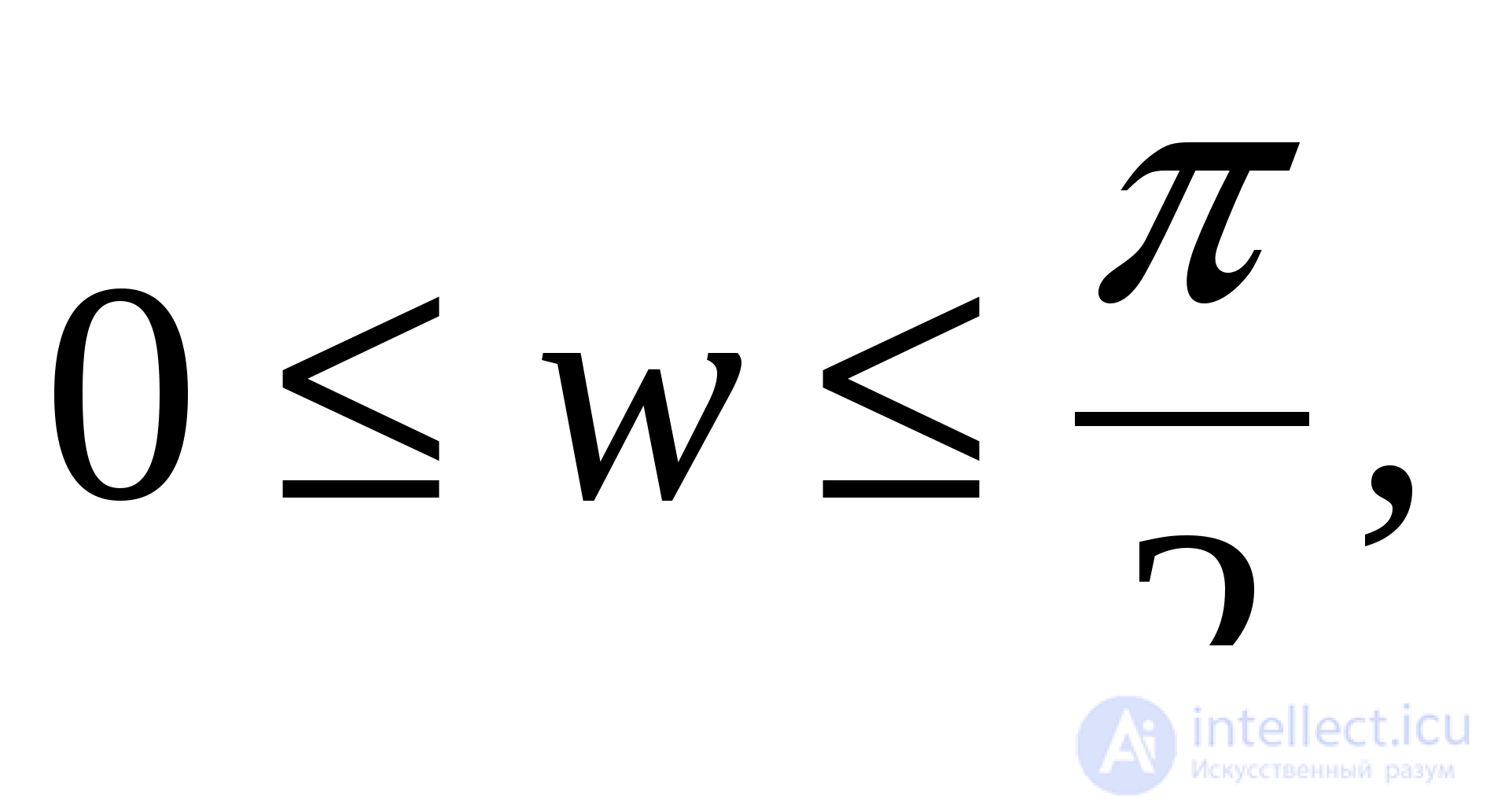
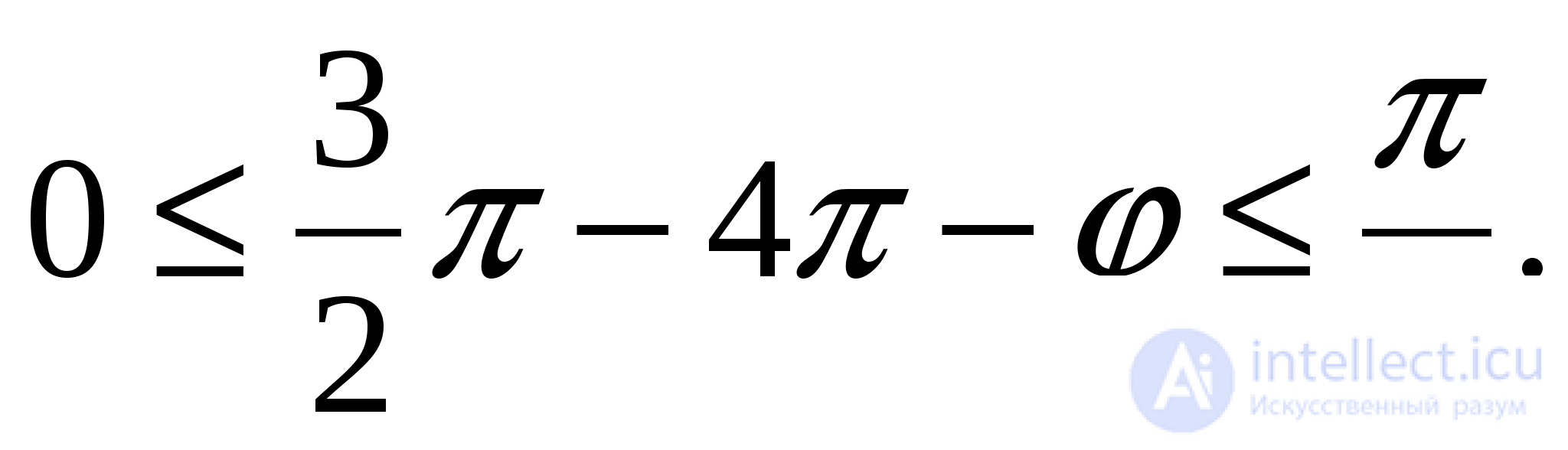
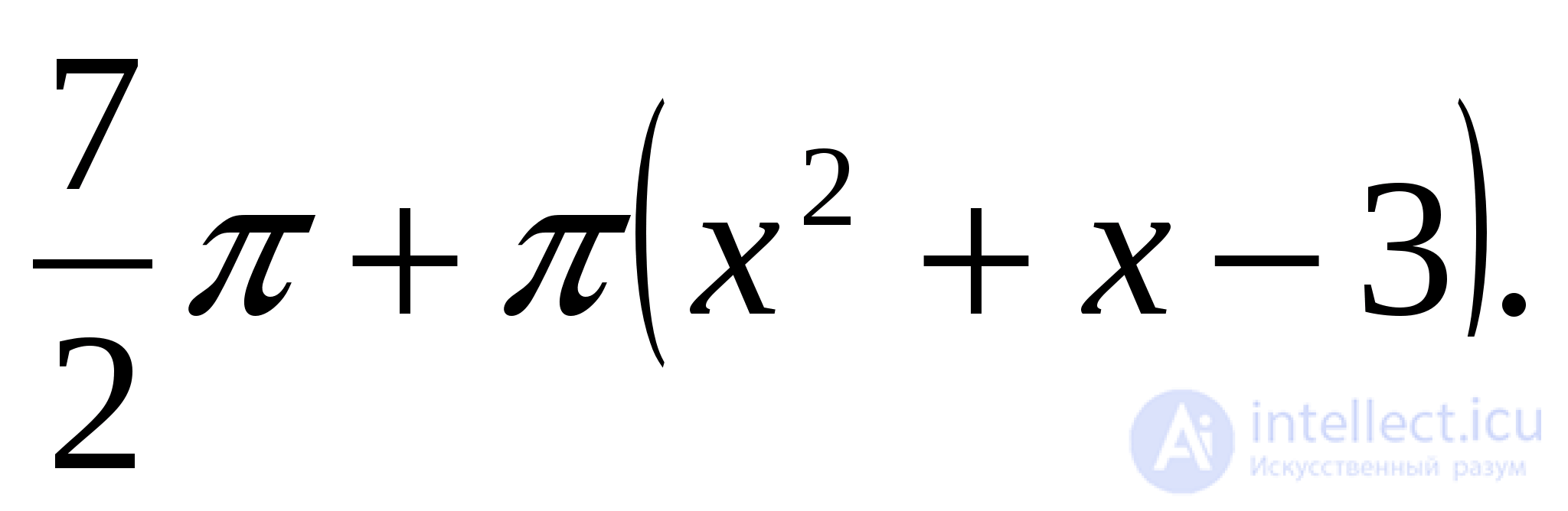
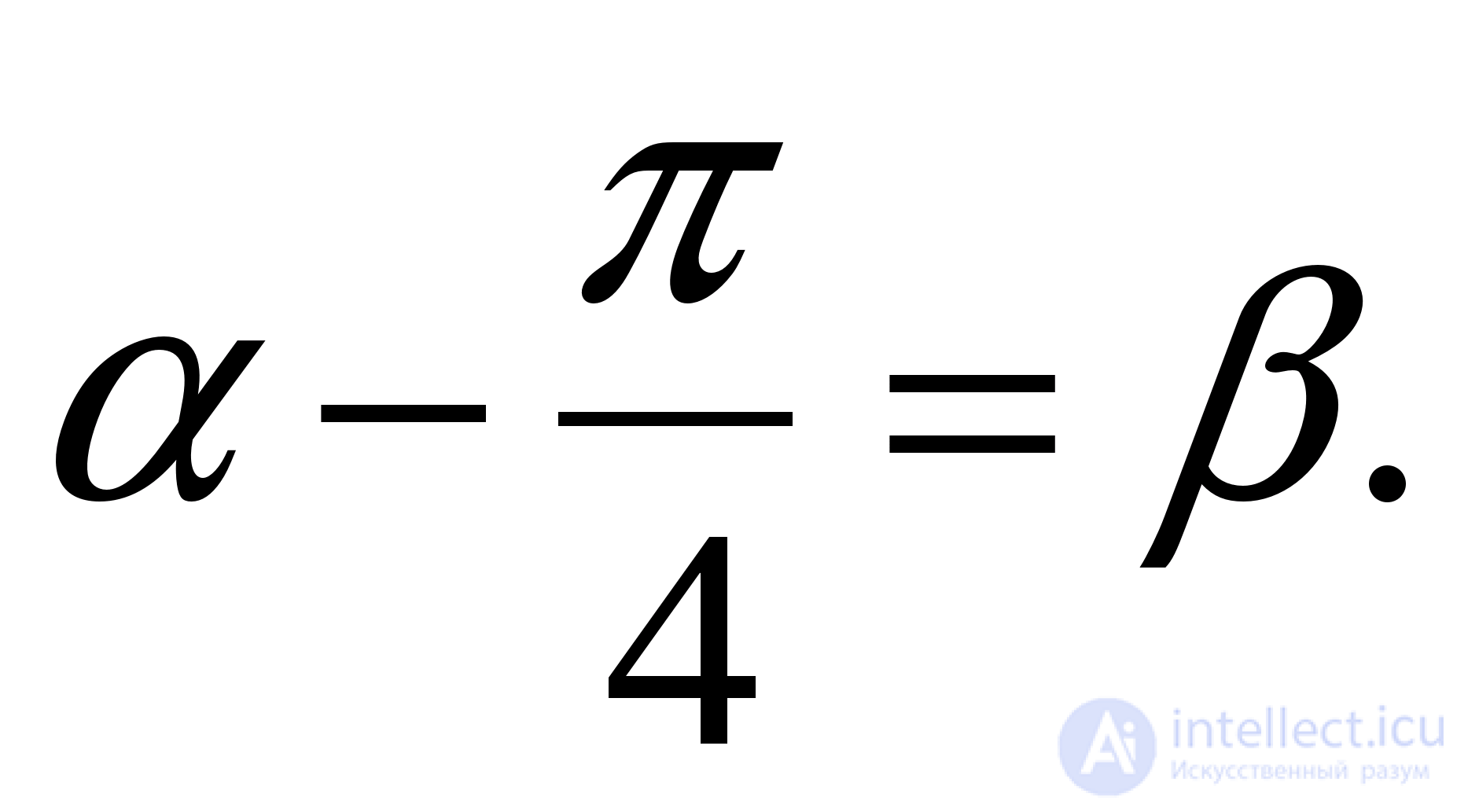
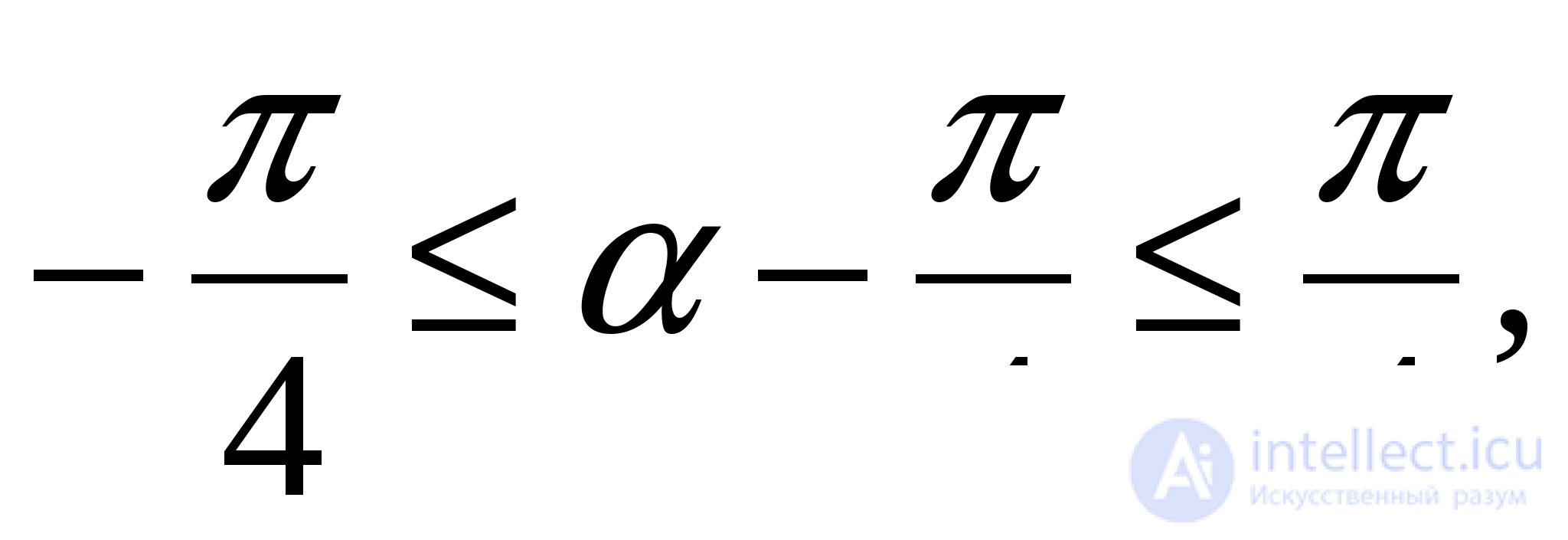
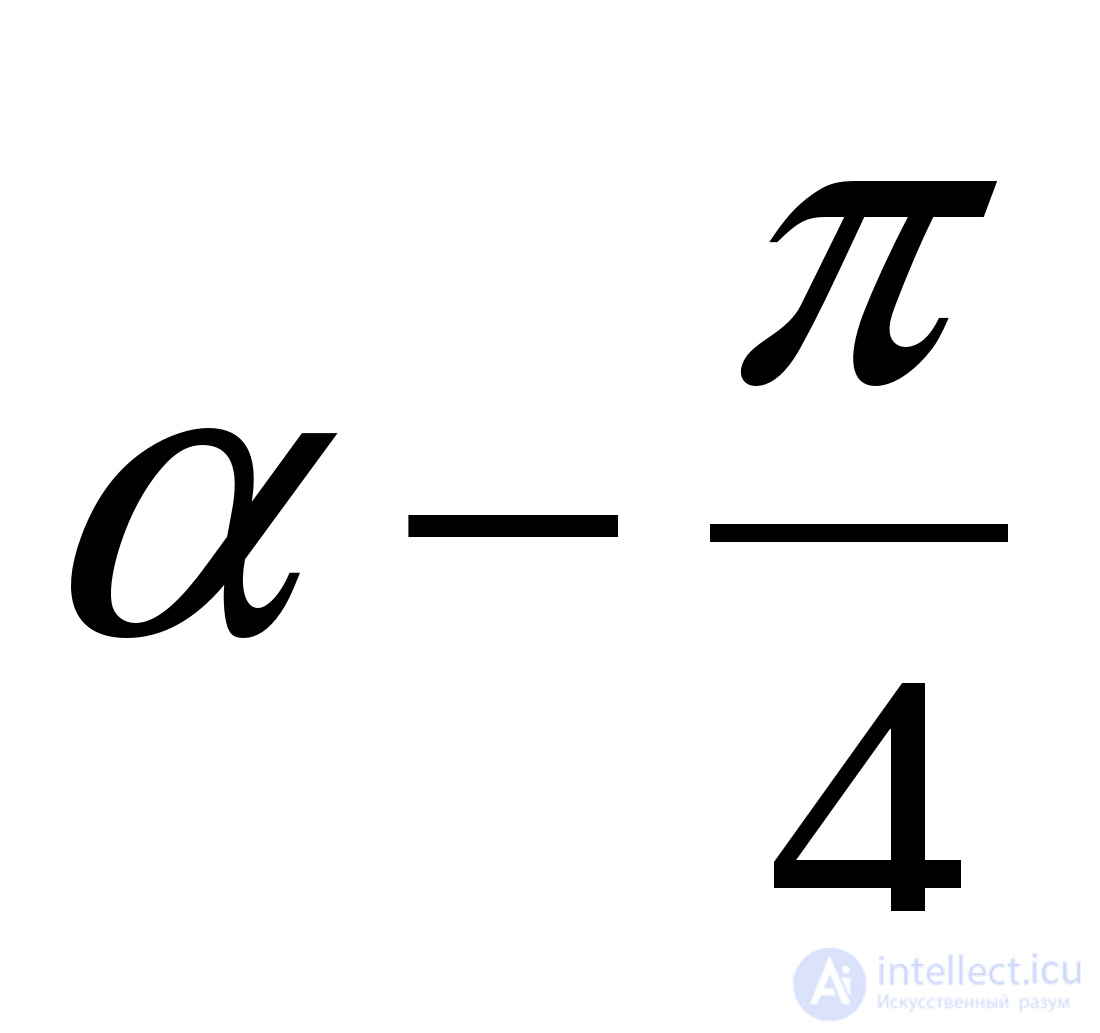
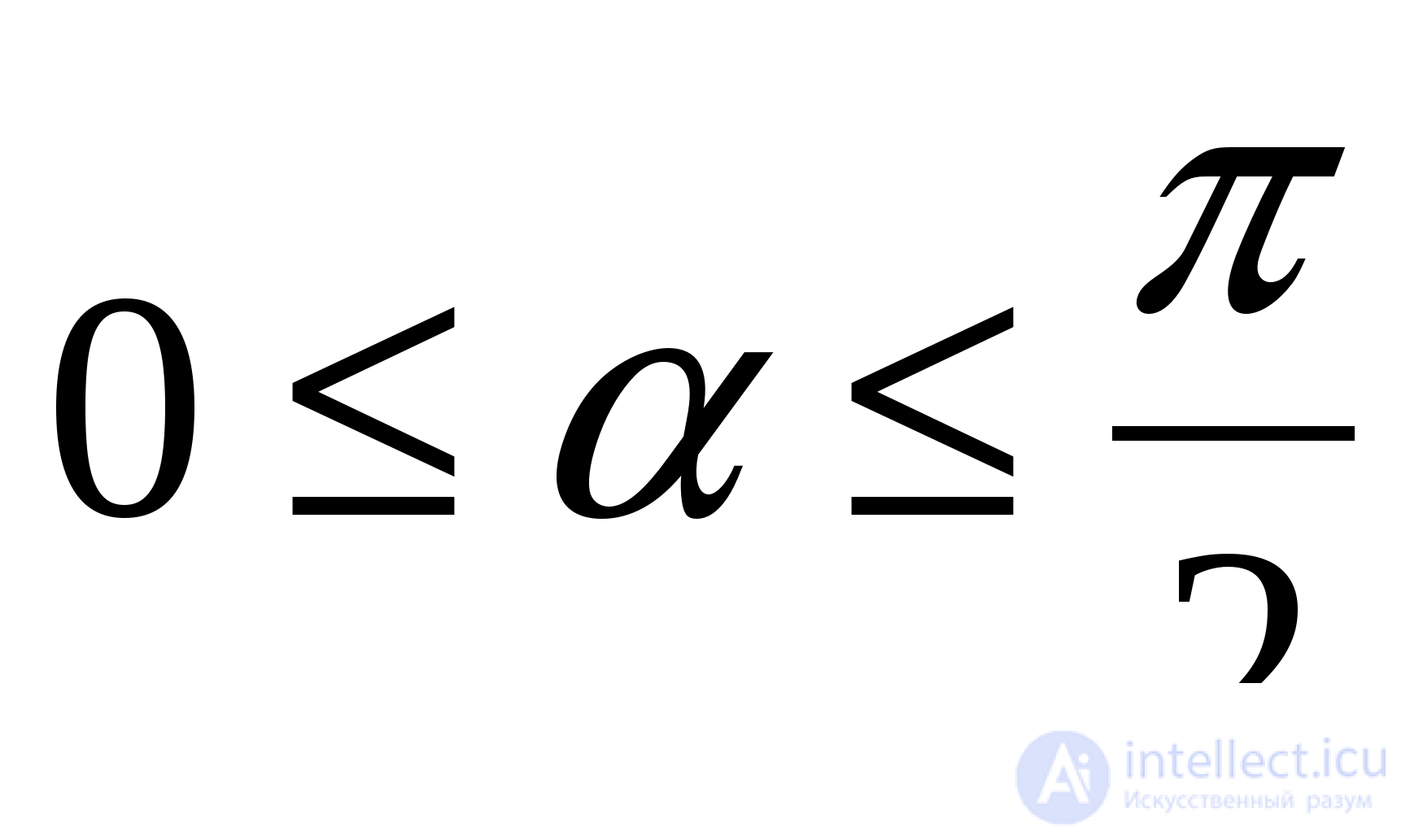
Approach (I): The original equation contains two arc functions. We separate them onto different sides of the equation. We specify the ranges of the left and right sides of the equation by two inequalities. Because arc functions are monotonic, these inequalities are easily solved for the arguments of those functions. The solution of the resulting system of inequalities determines the interval to which the roots of the original equation belong.

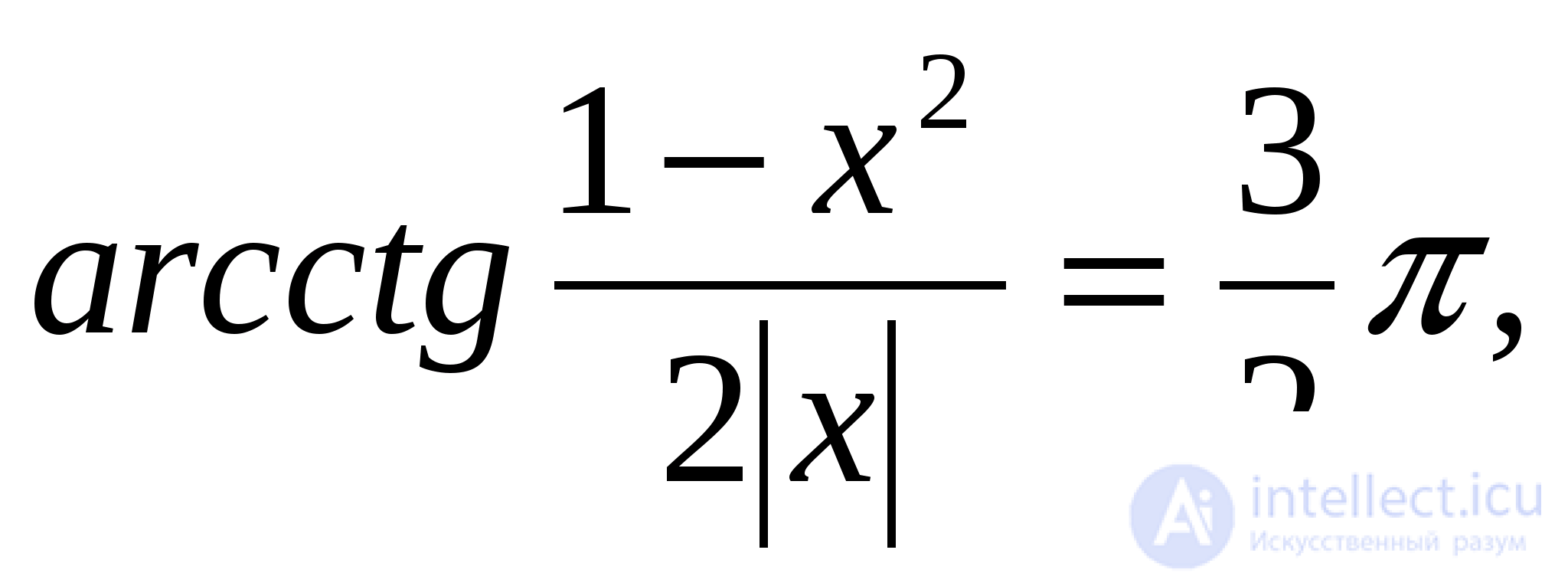
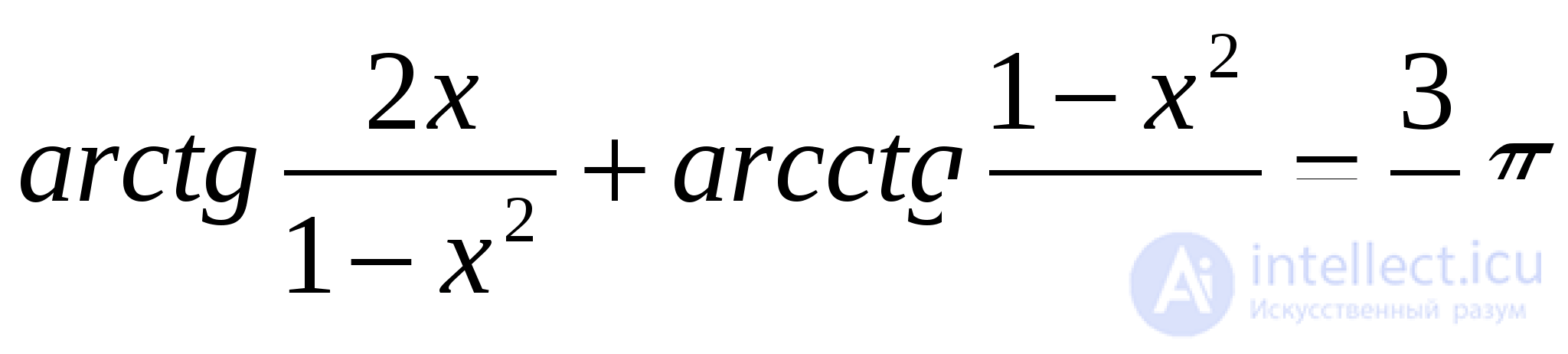
Problem 1. Solve the equation

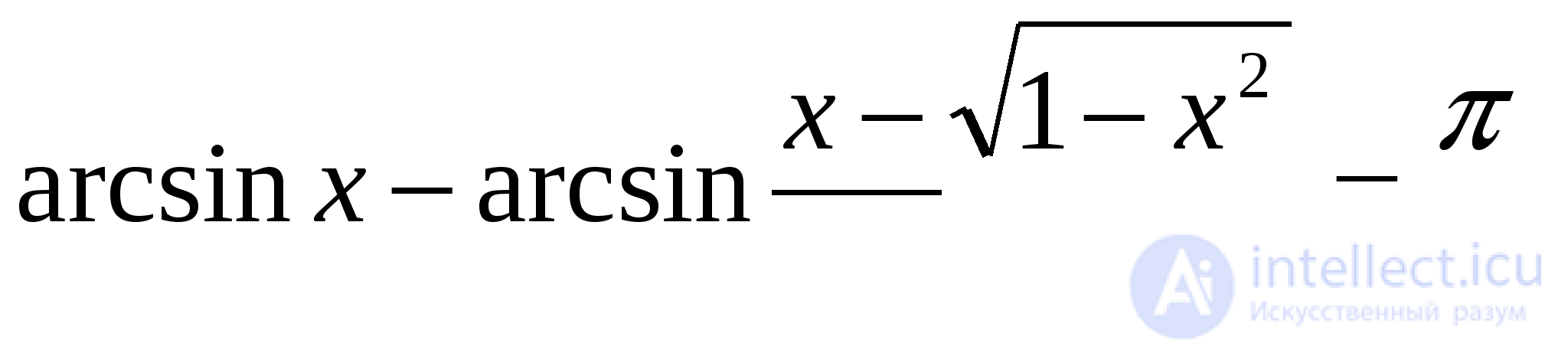
Inverse Trigonometric Functions: Arcsine, Arccosine, Arctangent, Arccotangent, Arcsecant, Arccosecant

Solution: For comparison, we first use the traditional solution scheme.

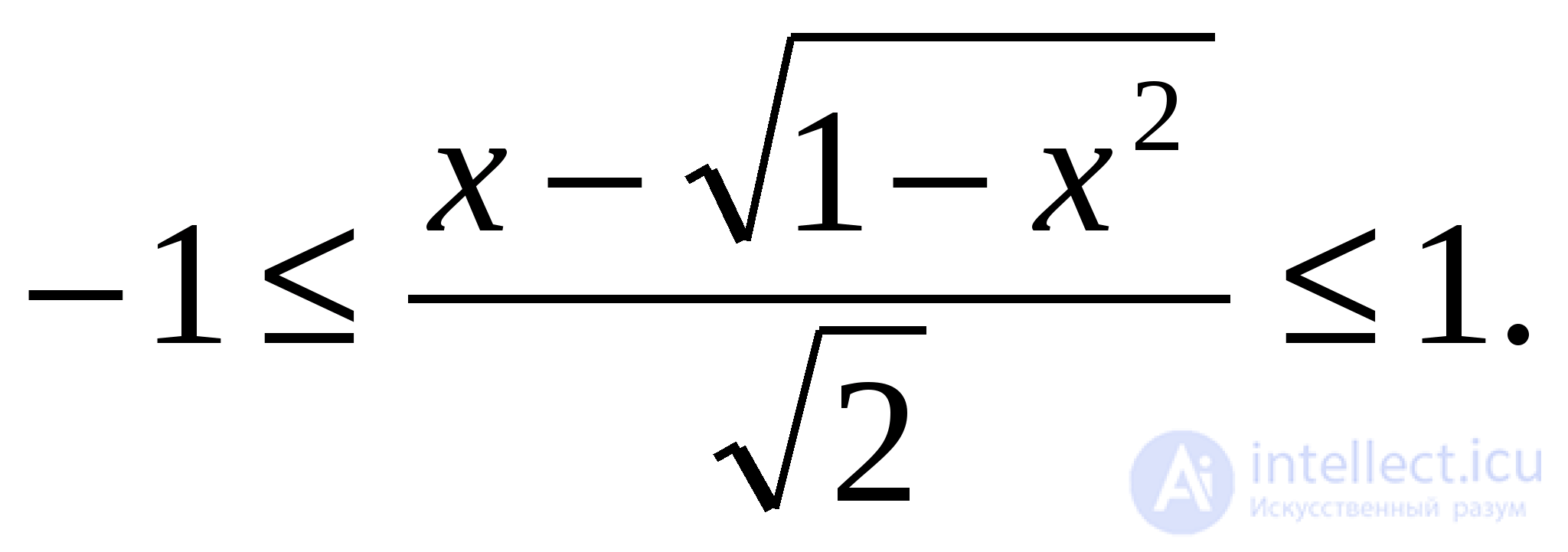
Domain of definition:Inverse Trigonometric Functions: Arcsine, Arccosine, Arctangent, Arccotangent, Arcsecant, Arccosecant

Next,

Inverse Trigonometric Functions: Arcsine, Arccosine, Arctangent, Arccotangent, Arcsecant, Arccosecant

Taking the domain of definition into account, Inverse Trigonometric Functions: Arcsine, Arccosine, Arctangent, Arccotangent, Arcsecant, Arccosecant

The resulting interval contains infinitely many "extraneous" solutions, and removing them becomes a separate problem here.

An alternative solution using method (I):

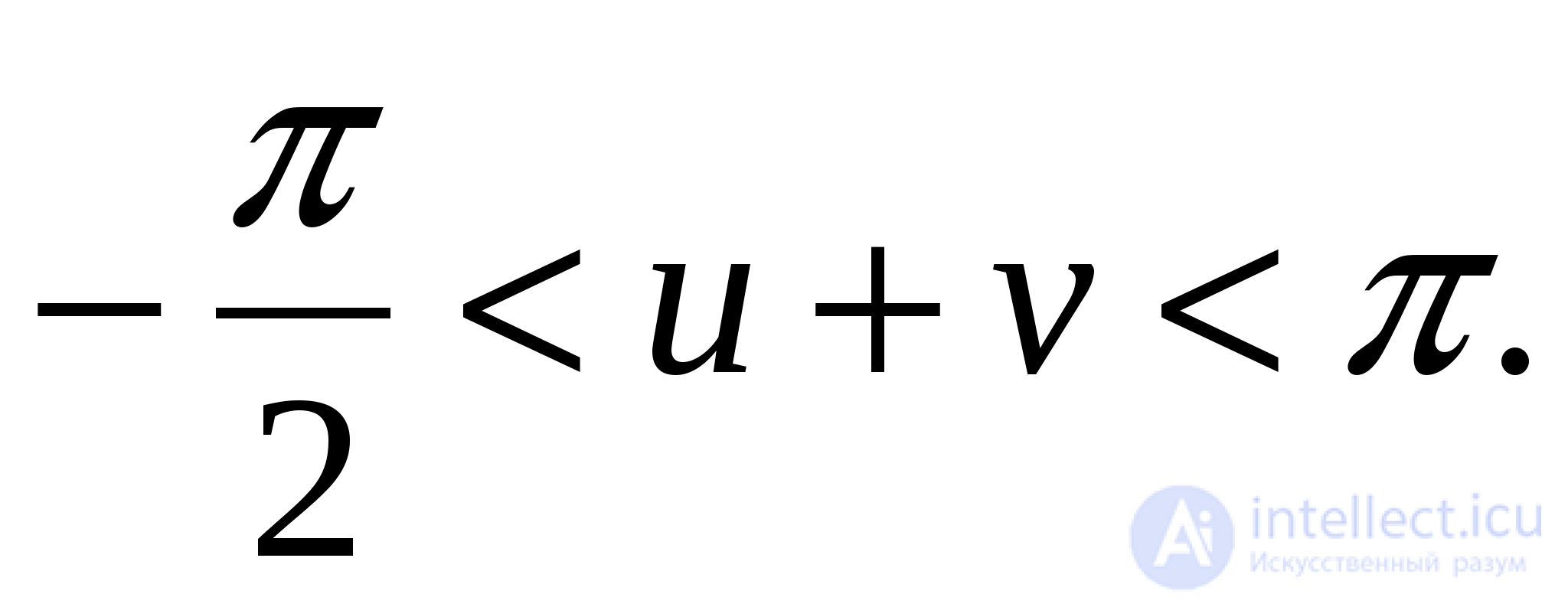
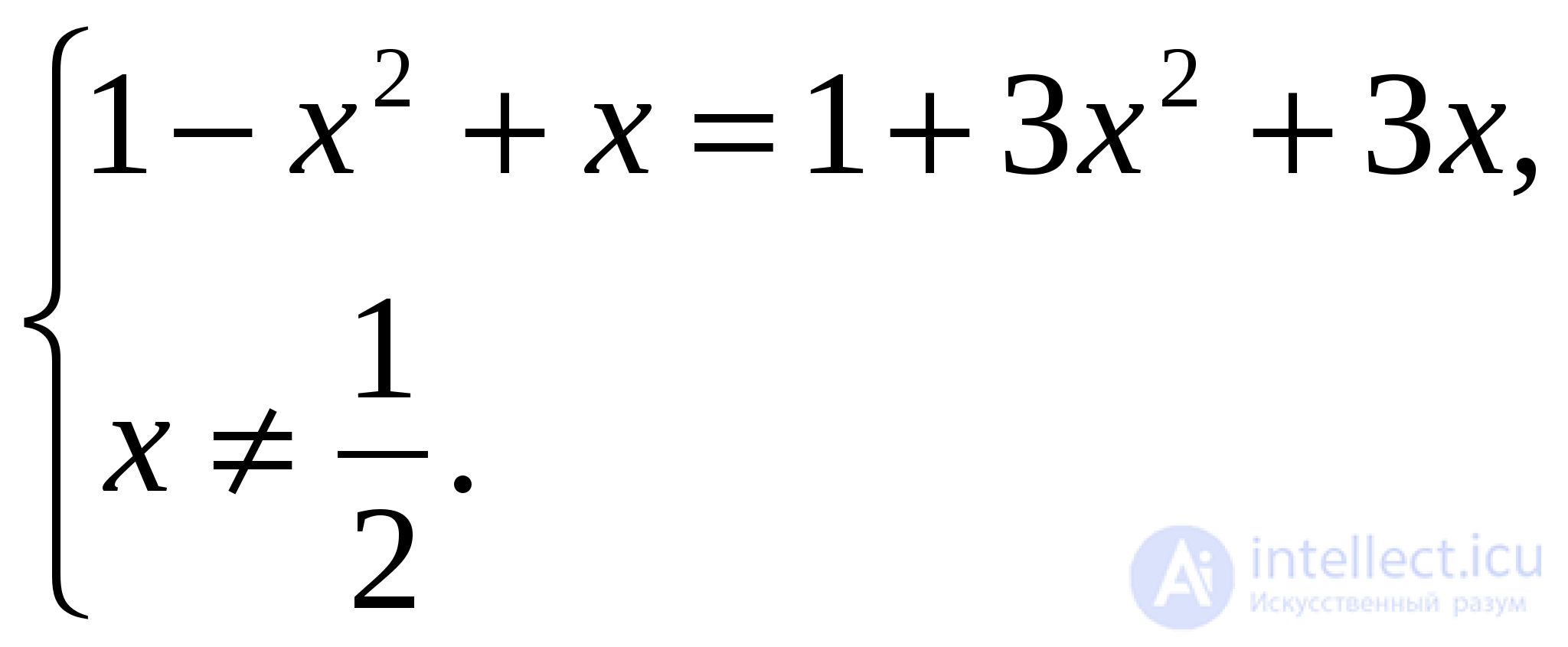
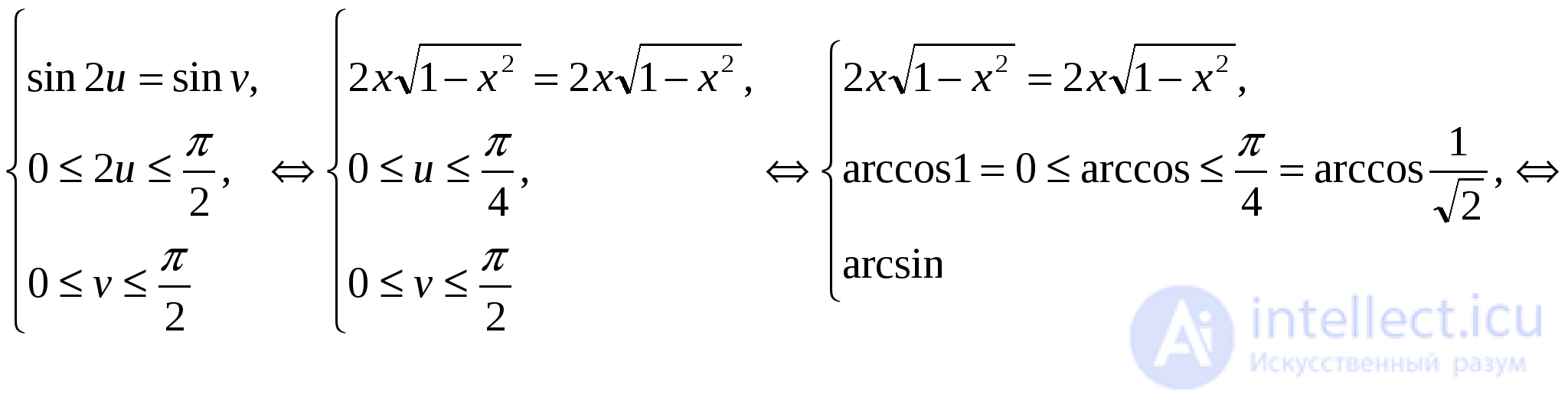
Let Inverse Trigonometric Functions: Arcsine, Arccosine, Arctangent, Arccotangent, Arcsecant, ArccosecantSince Inverse Trigonometric Functions: Arcsine, Arccosine, Arctangent, Arccotangent, Arcsecant, Arccosecant and Inverse Trigonometric Functions: Arcsine, Arccosine, Arctangent, Arccotangent, Arcsecant, Arccosecant the original equation is equivalent to the following system:

Inverse Trigonometric Functions: Arcsine, Arccosine, Arctangent, Arccotangent, Arcsecant, Arccosecant

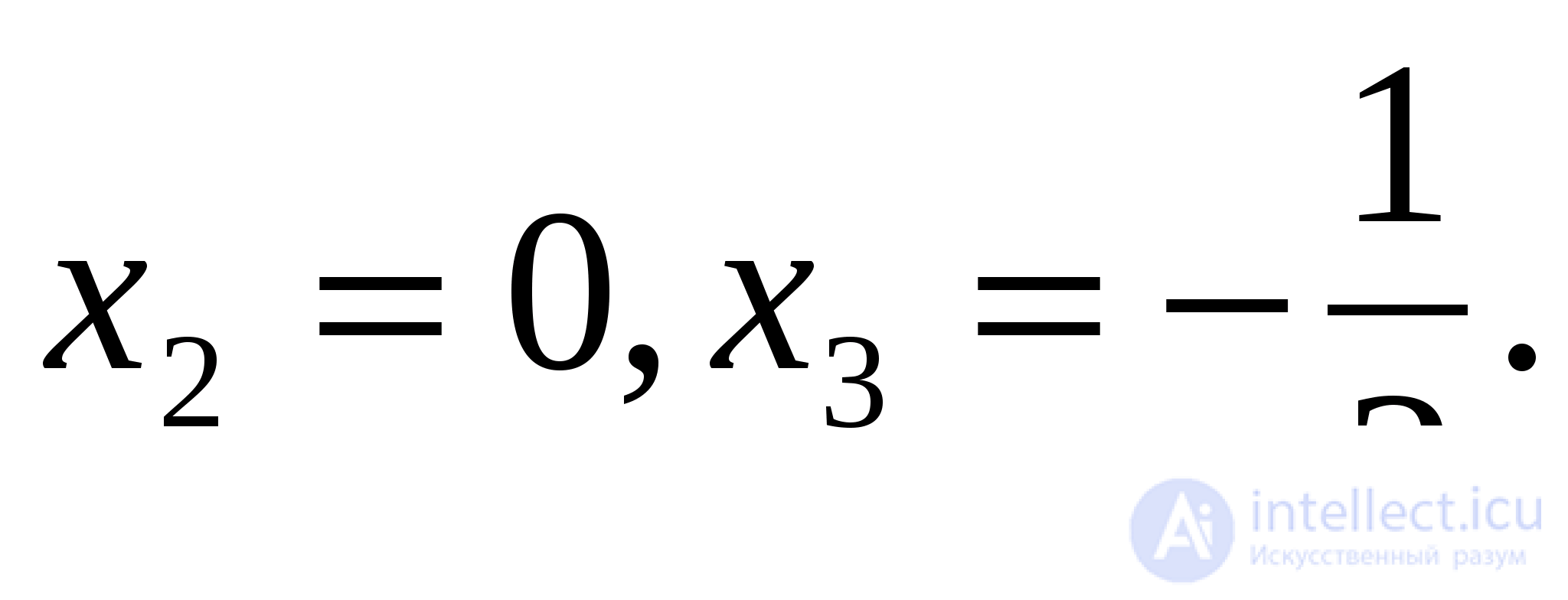
Inverse Trigonometric Functions: Arcsine, Arccosine, Arctangent, Arccotangent, Arcsecant, Arccosecant

Answer:Inverse Trigonometric Functions: Arcsine, Arccosine, Arctangent, Arccotangent, Arcsecant, Arccosecant

Problem 2. Solve the equation

Inverse Trigonometric Functions: Arcsine, Arccosine, Arctangent, Arccotangent, Arcsecant, Arccosecant

Solution: Let Inverse Trigonometric Functions: Arcsine, Arccosine, Arctangent, Arccotangent, Arcsecant, Arccosecant Let us rewrite the equation in the form:

Inverse Trigonometric Functions: Arcsine, Arccosine, Arctangent, Arccotangent, Arcsecant, Arccosecant

Since Inverse Trigonometric Functions: Arcsine, Arccosine, Arctangent, Arccotangent, Arcsecant, Arccosecant the original equation is equivalent to the system:

Inverse Trigonometric Functions: Arcsine, Arccosine, Arctangent, Arccotangent, Arcsecant, Arccosecant

Problem 3. Solve the equation

Inverse Trigonometric Functions: Arcsine, Arccosine, Arctangent, Arccotangent, Arcsecant, Arccosecant

Solution: Denote

Inverse Trigonometric Functions: Arcsine, Arccosine, Arctangent, Arccotangent, Arcsecant, Arccosecant

Since Inverse Trigonometric Functions: Arcsine, Arccosine, Arctangent, Arccotangent, Arcsecant, Arccosecant we have Inverse Trigonometric Functions: Arcsine, Arccosine, Arctangent, Arccotangent, Arcsecant, Arccosecant and Inverse Trigonometric Functions: Arcsine, Arccosine, Arctangent, Arccotangent, Arcsecant, Arccosecant

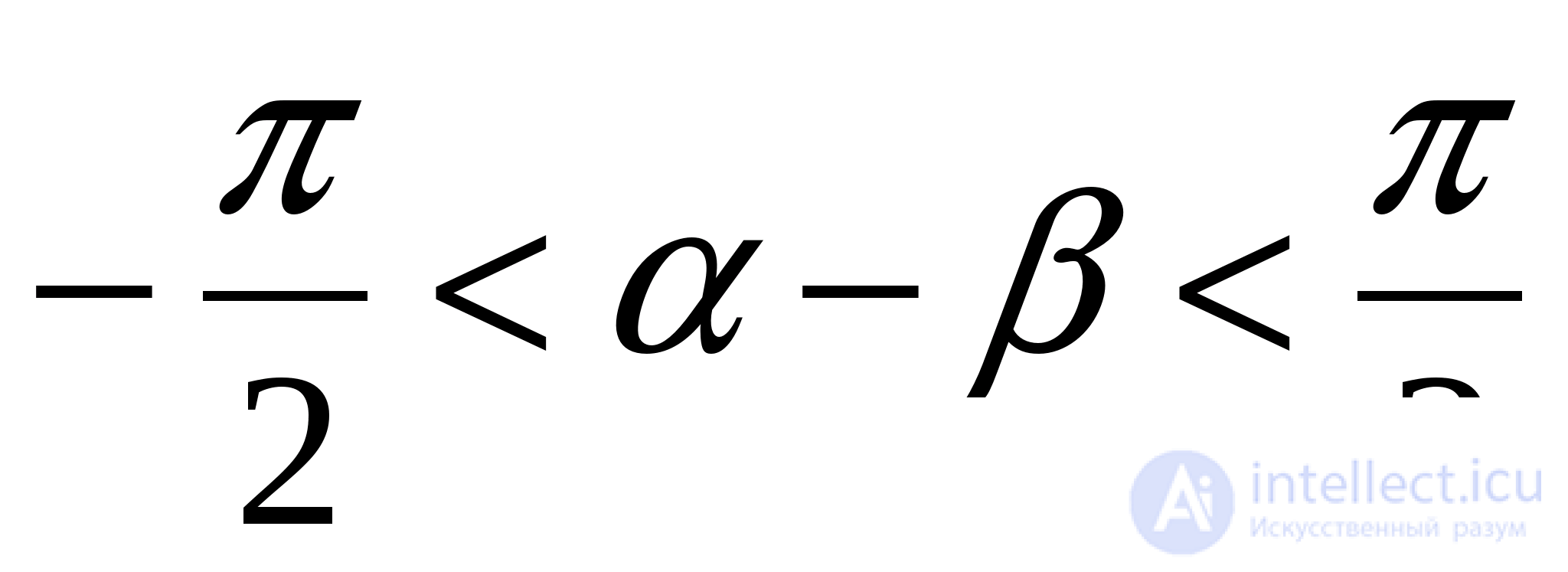
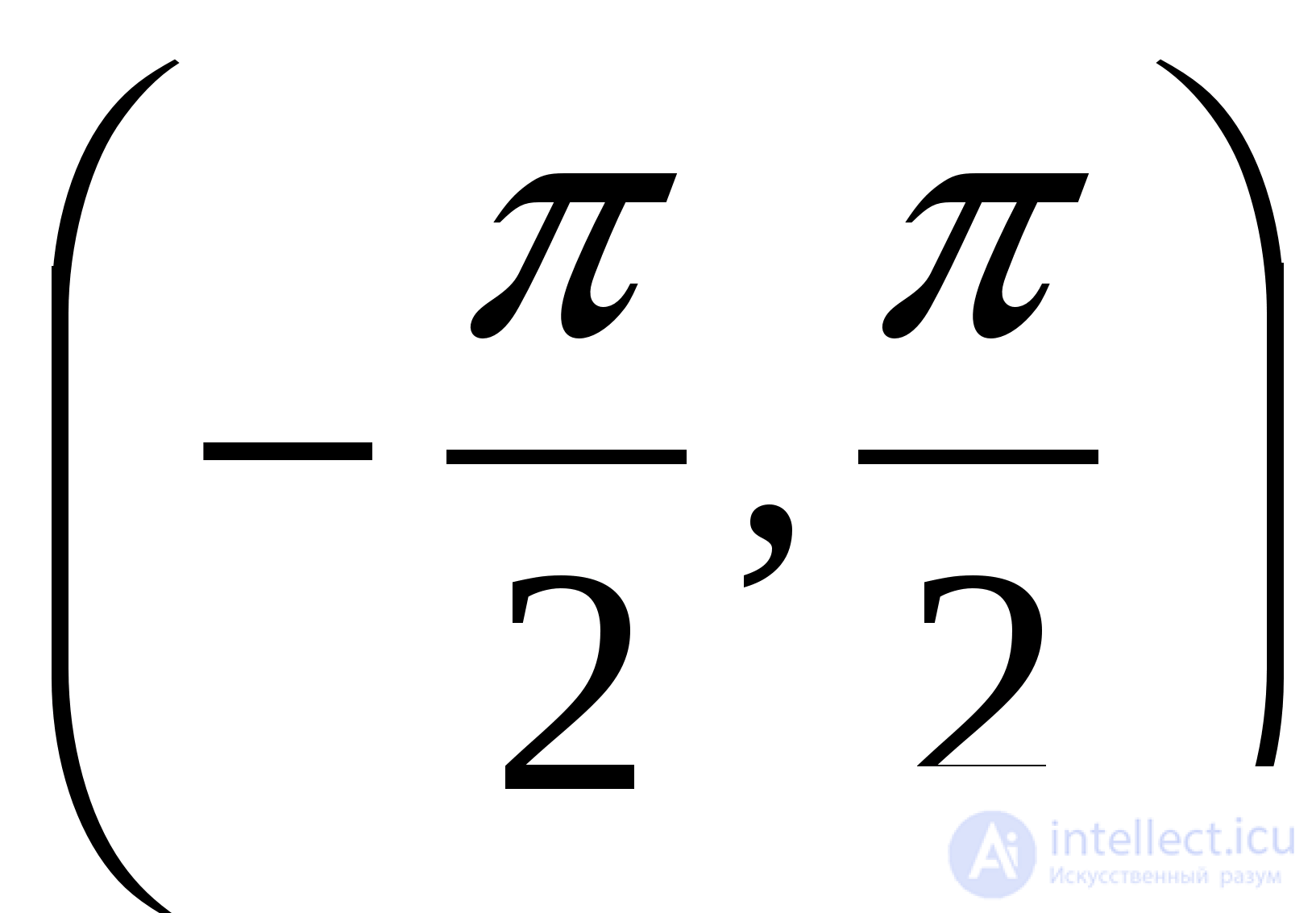
The equation takes the form Inverse Trigonometric Functions: Arcsine, Arccosine, Arctangent, Arccotangent, Arcsecant, Arccosecant where

Inverse Trigonometric Functions: Arcsine, Arccosine, Arctangent, Arccotangent, Arcsecant, Arccosecant and

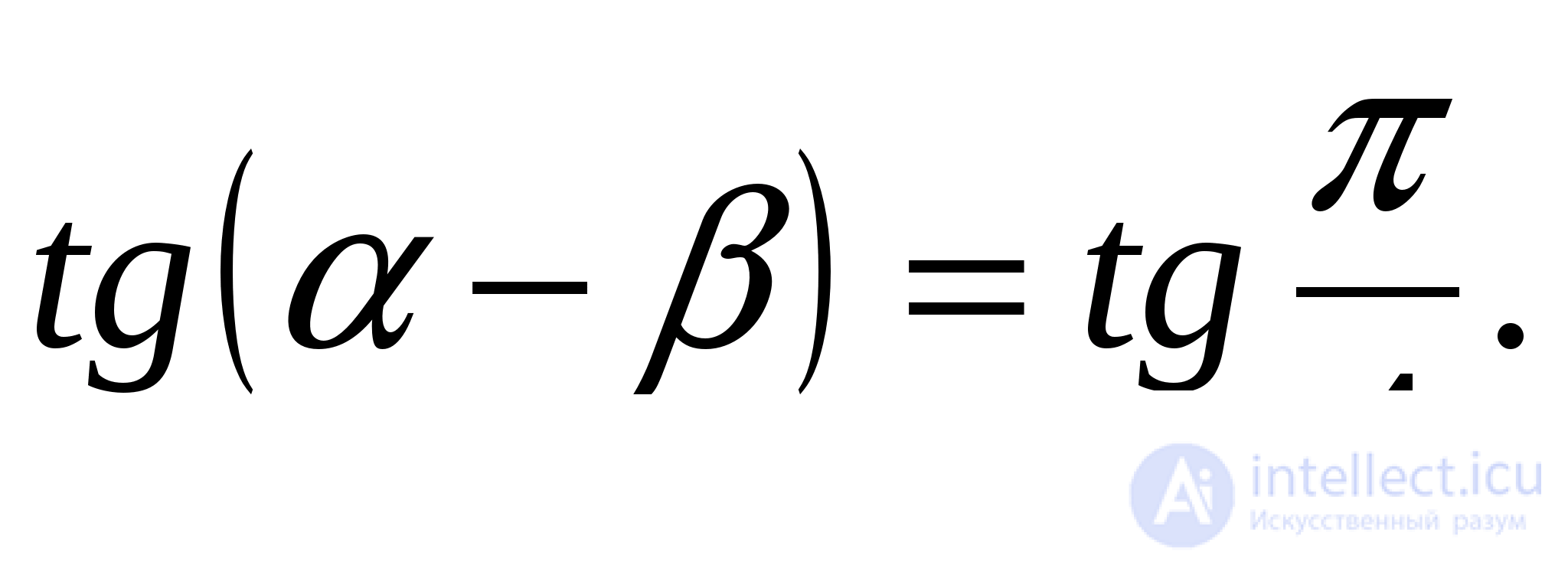
Since Inverse Trigonometric Functions: Arcsine, Arccosine, Arctangent, Arccotangent, Arcsecant, Arccosecant is an interval of monotonicity of the tangent, the equation is equivalent to the equation Inverse Trigonometric Functions: Arcsine, Arccosine, Arctangent, Arccotangent, Arcsecant, Arccosecant

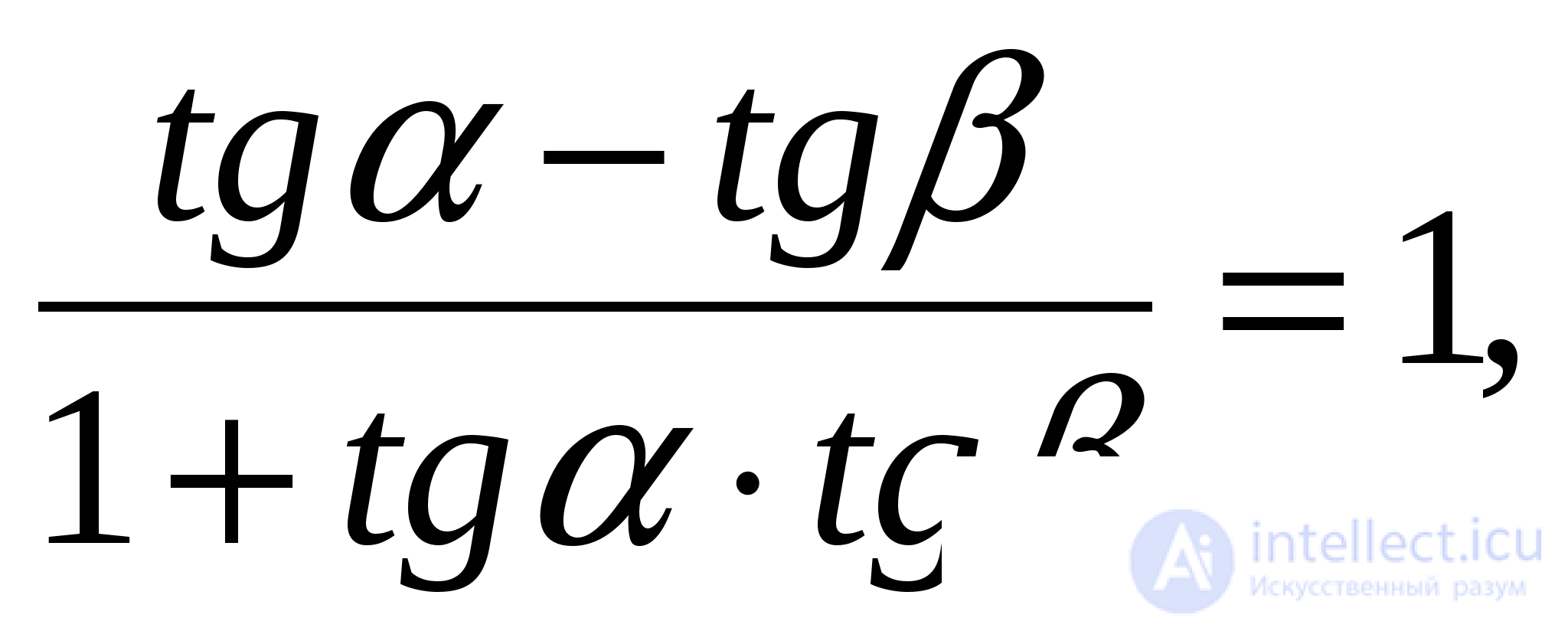
When passing to the equation

Inverse Trigonometric Functions: Arcsine, Arccosine, Arctangent, Arccotangent, Arcsecant, Arccosecant

one may lose those roots for which Inverse Trigonometric Functions: Arcsine, Arccosine, Arctangent, Arccotangent, Arcsecant, Arccosecant and Inverse Trigonometric Functions: Arcsine, Arccosine, Arctangent, Arccotangent, Arcsecant, Arccosecant does not exist. In this case that will not happen, since

Inverse Trigonometric Functions: Arcsine, Arccosine, Arctangent, Arccotangent, Arcsecant, Arccosecant

And the right-hand sides always exist. We obtain the equation

Inverse Trigonometric Functions: Arcsine, Arccosine, Arctangent, Arccotangent, Arcsecant, Arccosecant

which after transformations takes the form

Inverse Trigonometric Functions: Arcsine, Arccosine, Arctangent, Arccotangent, Arcsecant, Arccosecant

Since the equation Inverse Trigonometric Functions: Arcsine, Arccosine, Arctangent, Arccotangent, Arcsecant, Arccosecant has no solutions, what remains is Inverse Trigonometric Functions: Arcsine, Arccosine, Arctangent, Arccotangent, Arcsecant, Arccosecant

Answer: Inverse Trigonometric Functions: Arcsine, Arccosine, Arctangent, Arccotangent, Arcsecant, Arccosecant

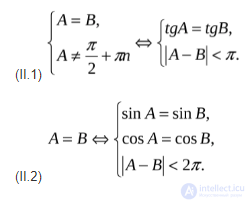
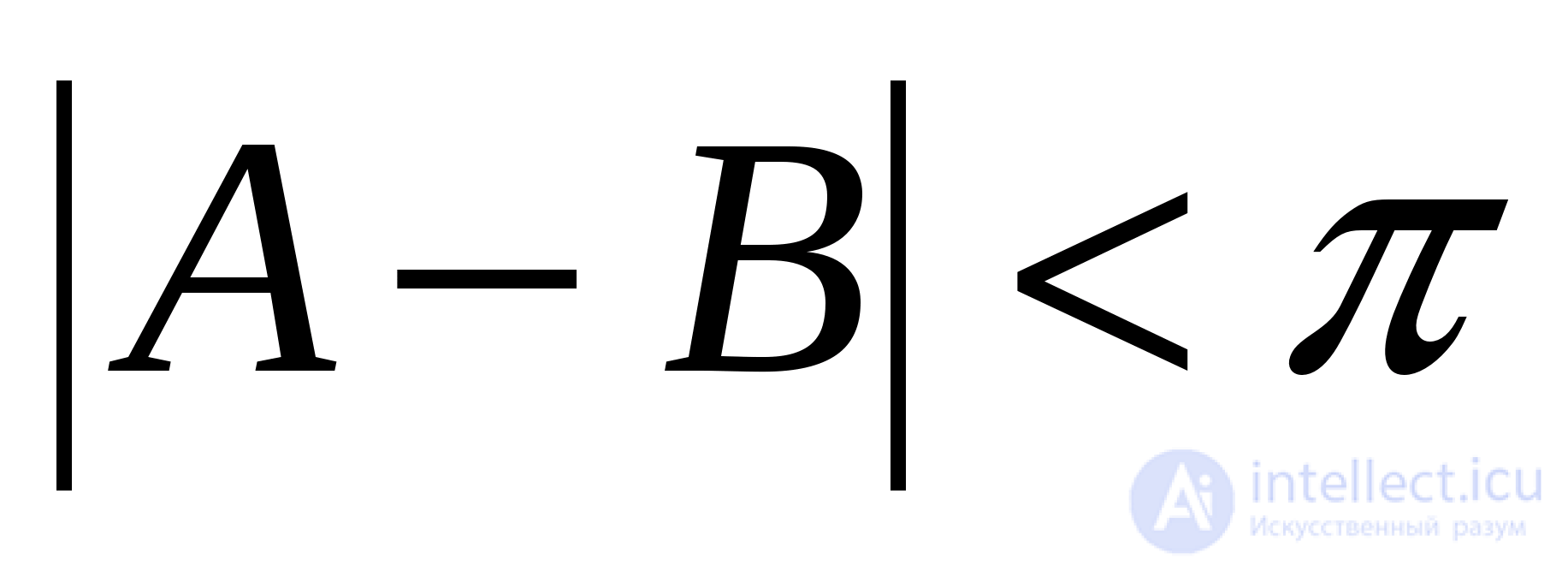
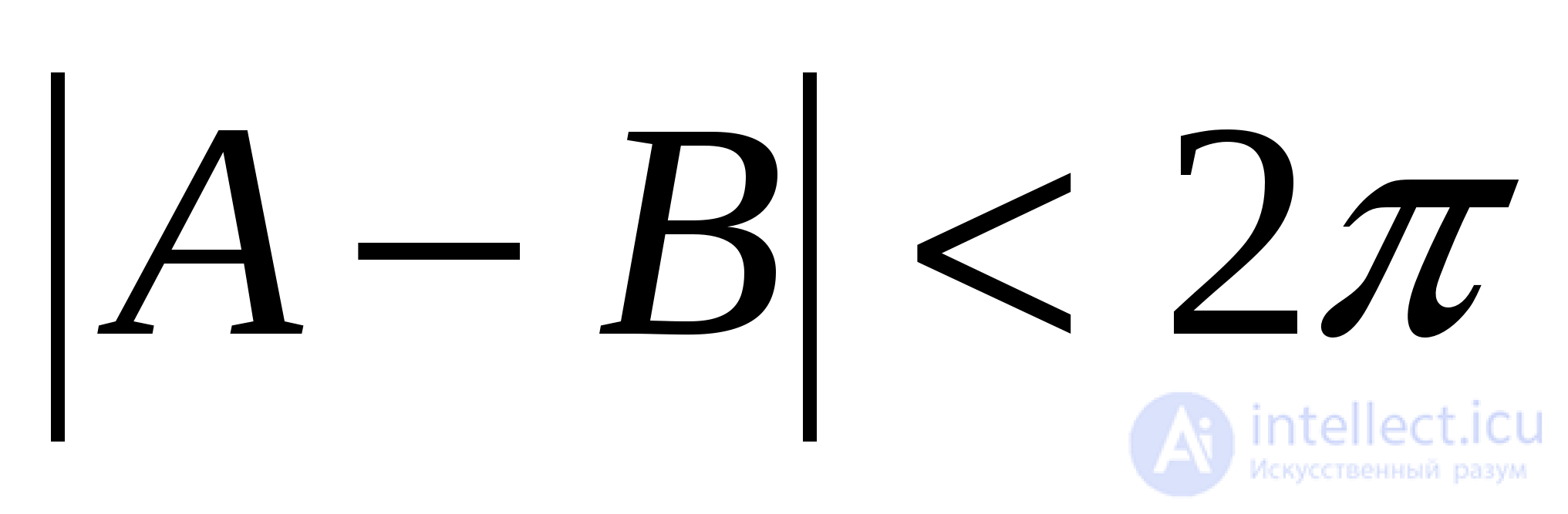
Approach (II): Suppose the original equation contains more than two arc functions. In this case the equivalence of the transformations is preserved when the following solution schemes are used:

Inverse Trigonometric Functions: Arcsine, Arccosine, Arctangent, Arccotangent, Arcsecant, Arccosecant

When solving problems, checking the inequalities Inverse Trigonometric Functions: Arcsine, Arccosine, Arctangent, Arccotangent, Arcsecant, Arccosecant or Inverse Trigonometric Functions: Arcsine, Arccosine, Arctangent, Arccotangent, Arcsecant, Arccosecant presents no difficulty and reduces to comparing the ranges of the arc functions that appear in the equation.

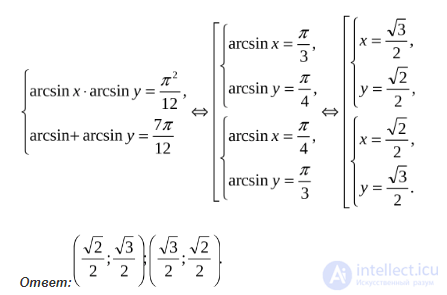
Problem 4. Solve the equation: Inverse Trigonometric Functions: Arcsine, Arccosine, Arctangent, Arccotangent, Arcsecant, Arccosecant

Solution: Let Inverse Trigonometric Functions: Arcsine, Arccosine, Arctangent, Arccotangent, Arcsecant, Arccosecant The original equation is equivalent to the system:

Inverse Trigonometric Functions: Arcsine, Arccosine, Arctangent, Arccotangent, Arcsecant, Arccosecant

Since Inverse Trigonometric Functions: Arcsine, Arccosine, Arctangent, Arccotangent, Arcsecant, Arccosecant it suffices to verify that Inverse Trigonometric Functions: Arcsine, Arccosine, Arctangent, Arccotangent, Arcsecant, Arccosecant

The right-hand inequality is true by virtue of the bounds of the arctangent. The left-hand inequality follows from the fact that Inverse Trigonometric Functions: Arcsine, Arccosine, Arctangent, Arccotangent, Arcsecant, Arccosecant for Inverse Trigonometric Functions: Arcsine, Arccosine, Arctangent, Arccotangent, Arcsecant, Arccosecant

Answer: Inverse Trigonometric Functions: Arcsine, Arccosine, Arctangent, Arccotangent, Arcsecant, Arccosecant

Problem 5. Solve the equation: Inverse Trigonometric Functions: Arcsine, Arccosine, Arctangent, Arccotangent, Arcsecant, Arccosecant

Solution: Let Inverse Trigonometric Functions: Arcsine, Arccosine, Arctangent, Arccotangent, Arcsecant, Arccosecant Then the original equation is equivalent to the system:Inverse Trigonometric Functions: Arcsine, Arccosine, Arctangent, Arccotangent, Arcsecant, Arccosecant

(*)

The last inequality obviously follows from the inequalities Inverse Trigonometric Functions: Arcsine, Arccosine, Arctangent, Arccotangent, Arcsecant, Arccosecant which specify the ranges of the variables. Therefore system (*) is equivalent to the following system: Inverse Trigonometric Functions: Arcsine, Arccosine, Arctangent, Arccotangent, Arcsecant, Arccosecant
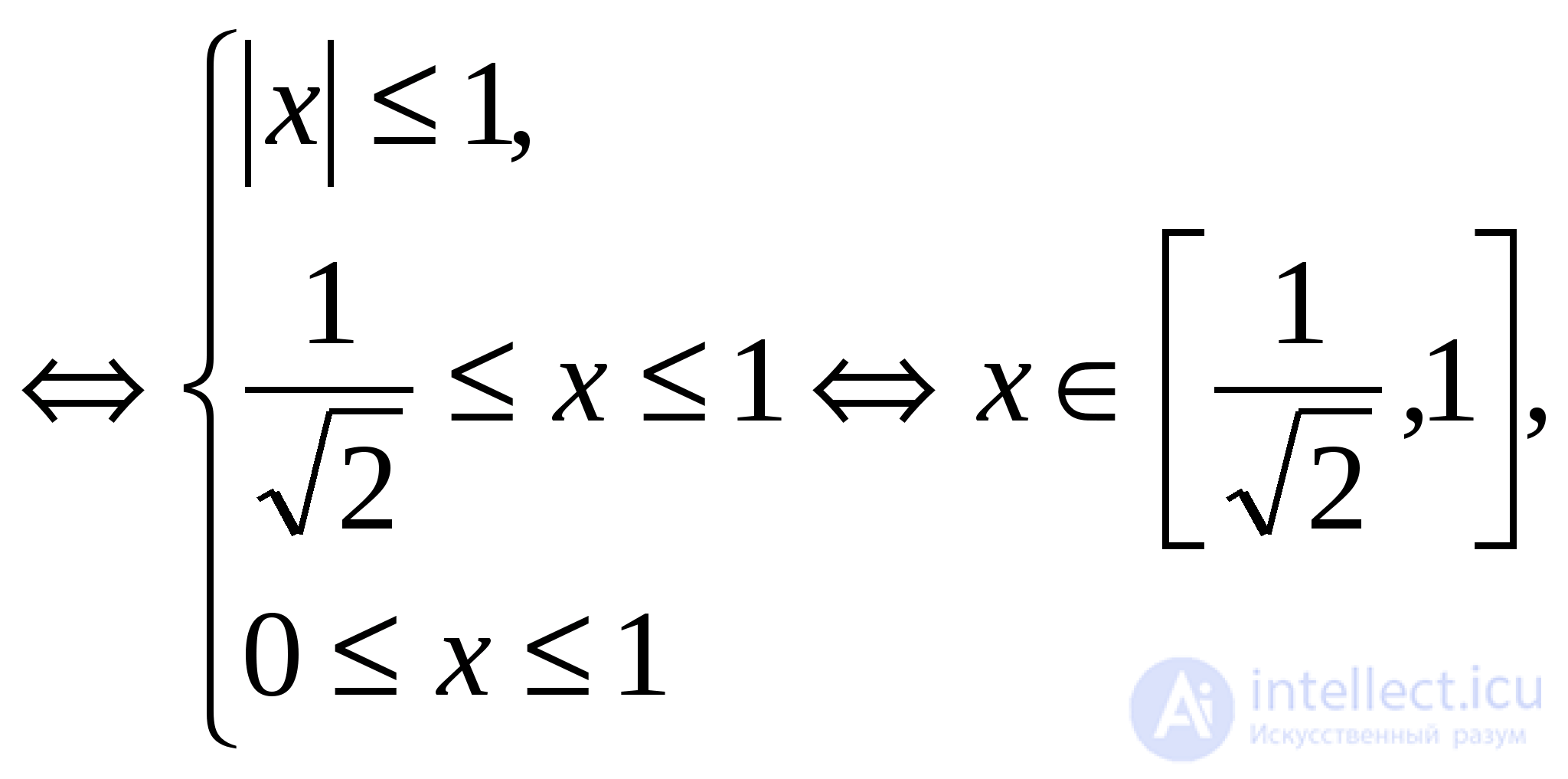
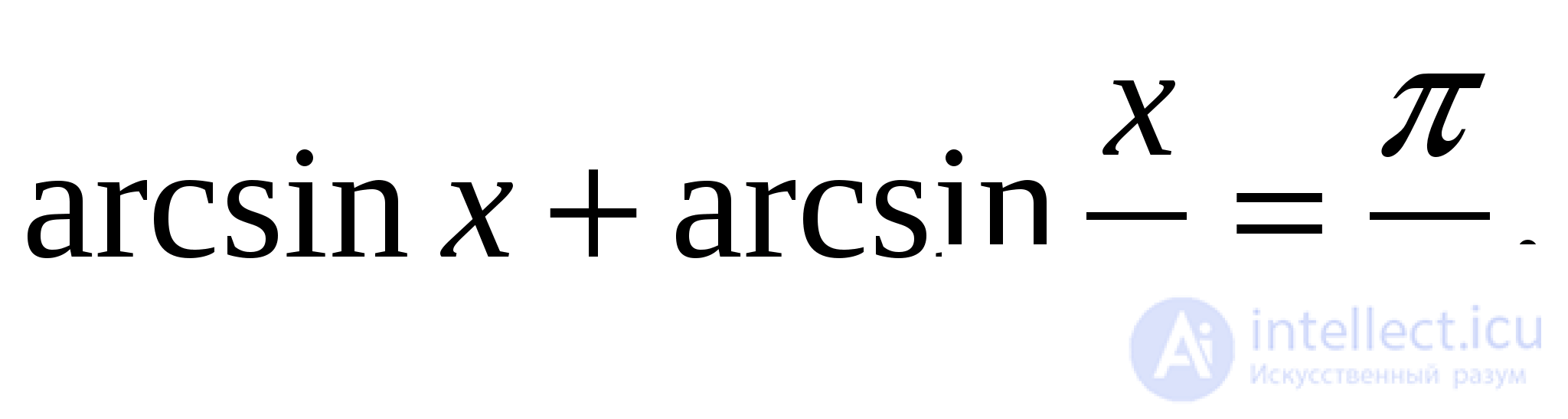
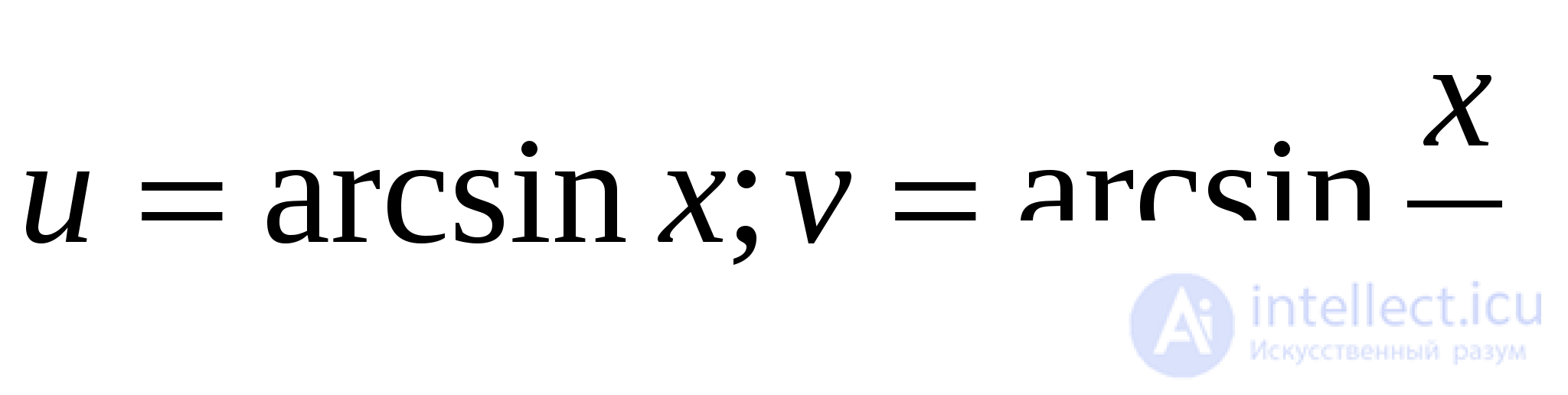
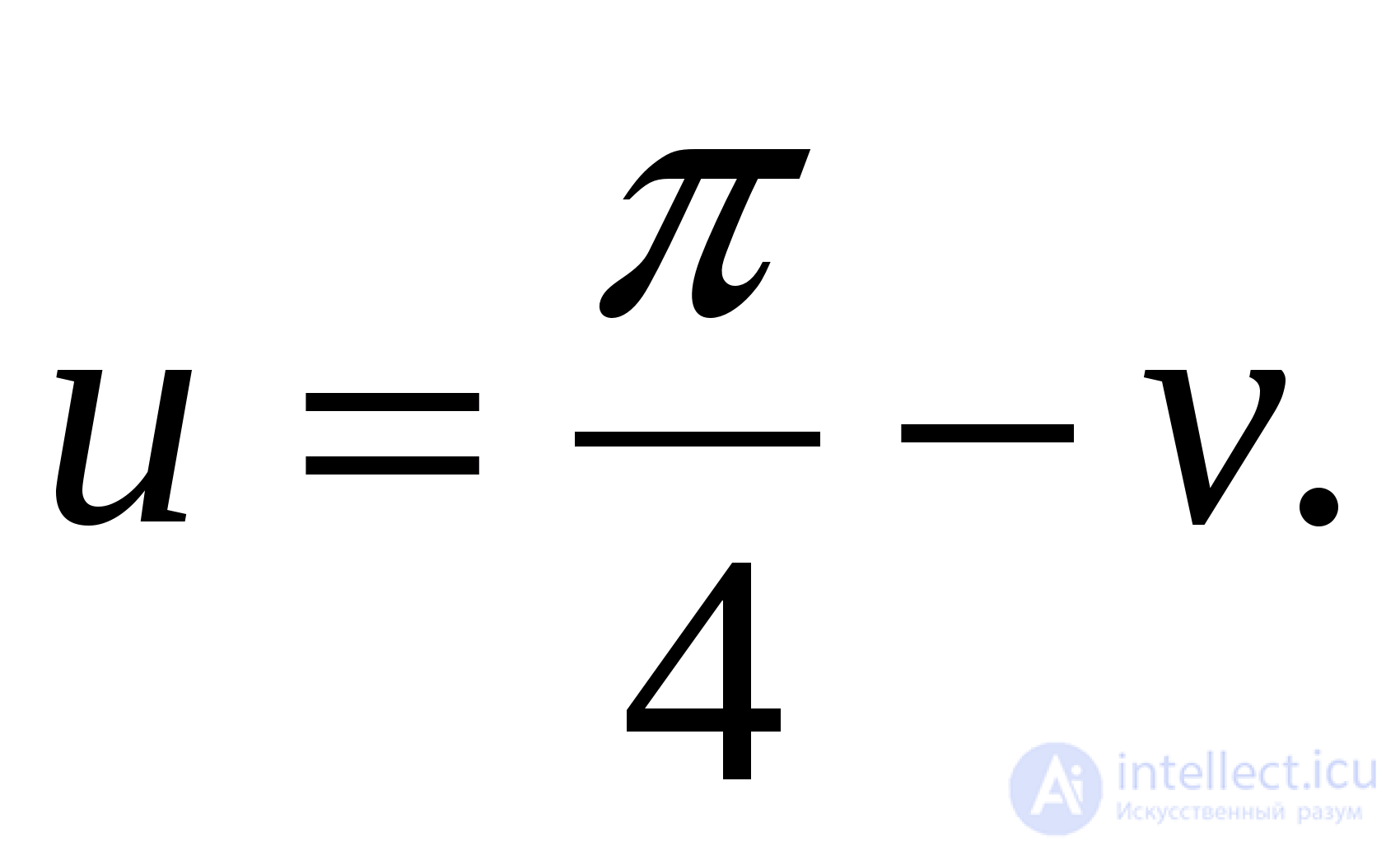
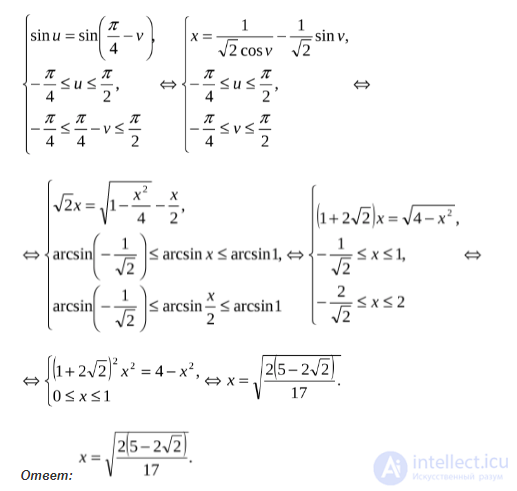
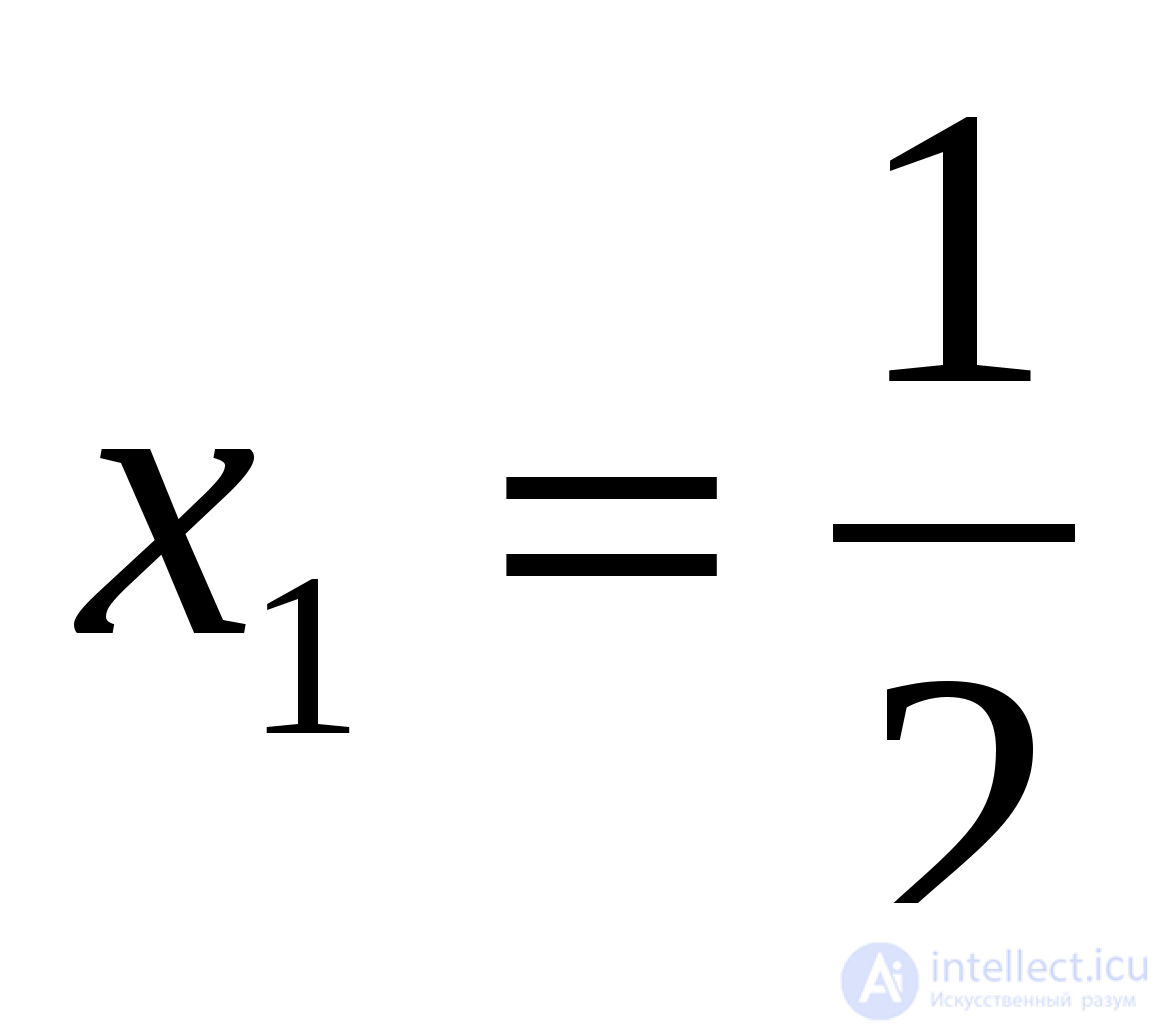
The root of the first equation of the system Inverse Trigonometric Functions: Arcsine, Arccosine, Arctangent, Arccotangent, Arcsecant, Arccosecant is a solution of the original equation. After dividing the first equation by Inverse Trigonometric Functions: Arcsine, Arccosine, Arctangent, Arccotangent, Arcsecant, Arccosecant we square it.
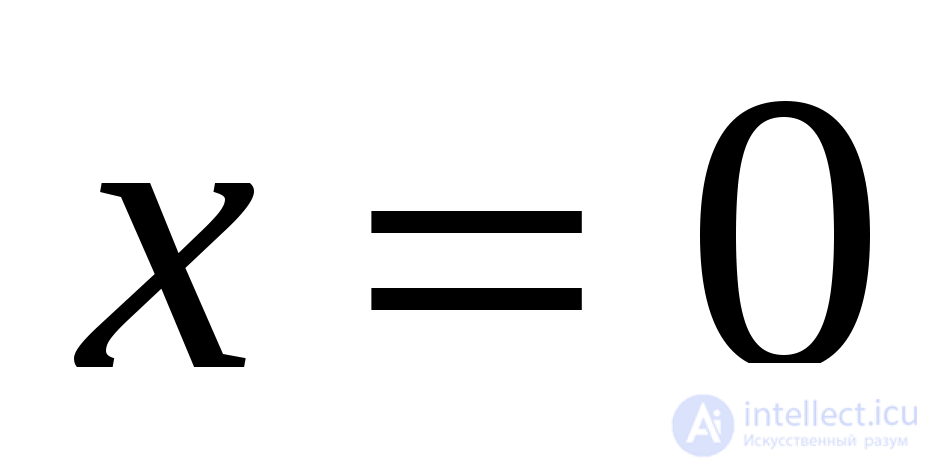

Inverse Trigonometric Functions: Arcsine, Arccosine, Arctangent, Arccotangent, Arcsecant, Arccosecant

Problem 6. Solve the equation Inverse Trigonometric Functions: Arcsine, Arccosine, Arctangent, Arccotangent, Arcsecant, Arccosecant

Solution: Let

Inverse Trigonometric Functions: Arcsine, Arccosine, Arctangent, Arccotangent, Arcsecant, Arccosecant

Since Inverse Trigonometric Functions: Arcsine, Arccosine, Arctangent, Arccotangent, Arcsecant, Arccosecant both sides of the equation lie in an interval of monotonicity of the sine. Therefore the equation is equivalent to the following:

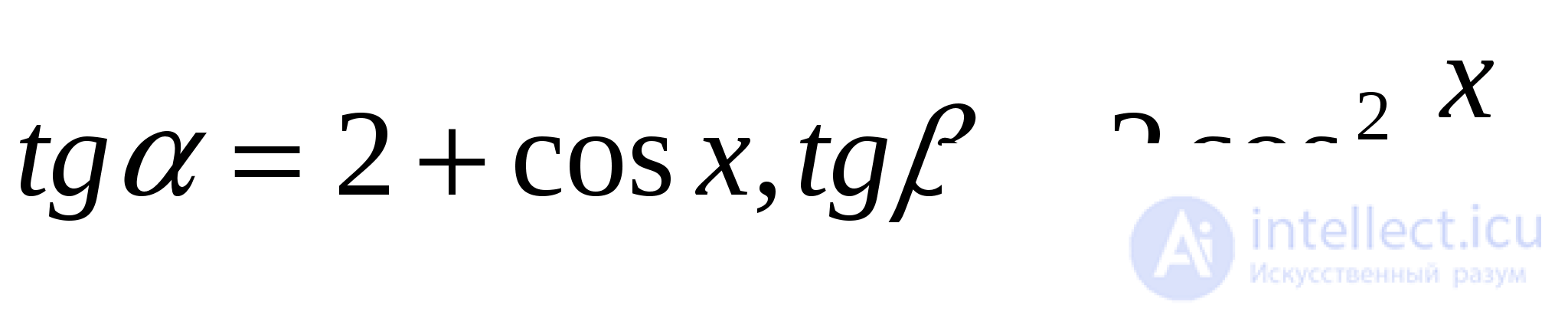
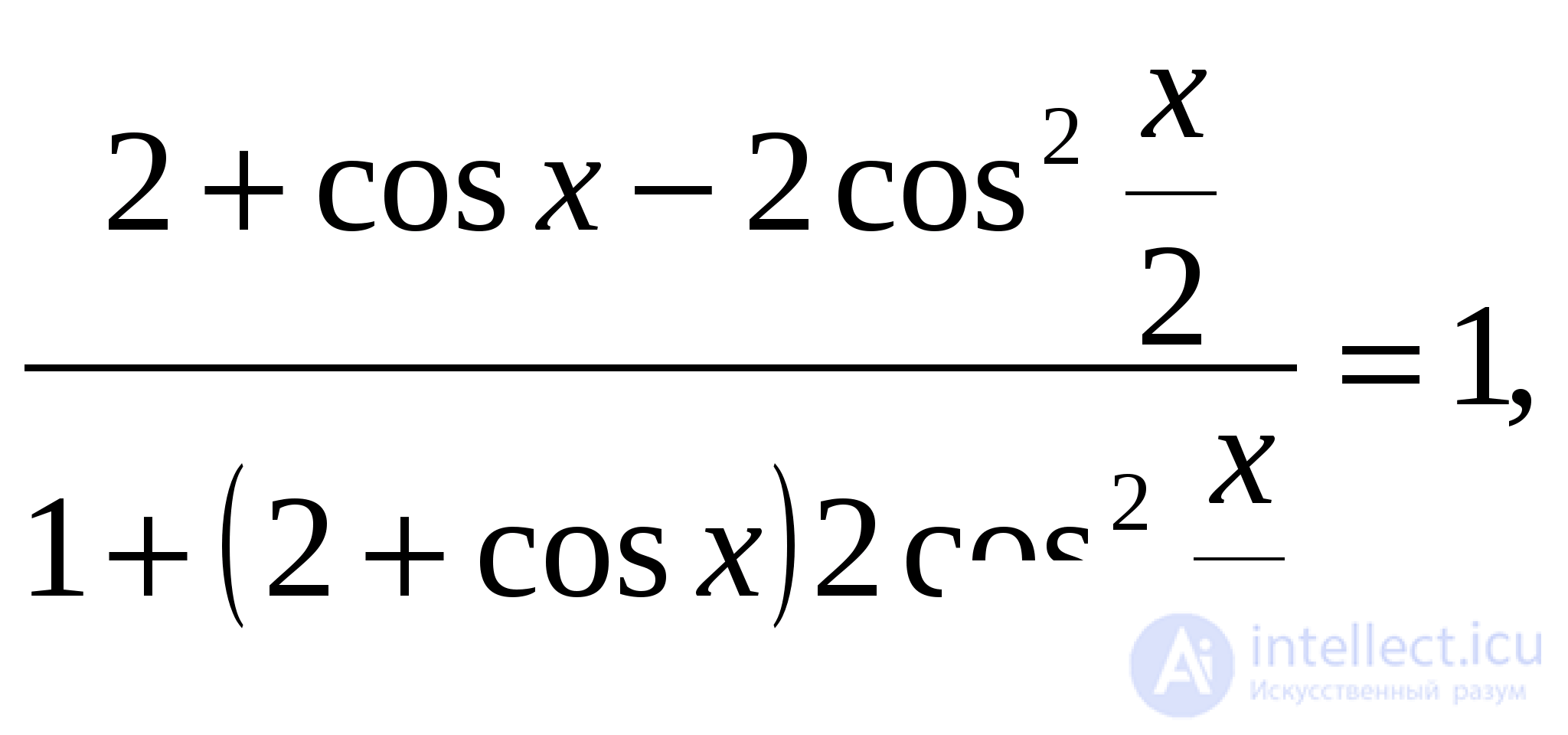
Inverse Trigonometric Functions: Arcsine, Arccosine, Arctangent, Arccotangent, Arcsecant, Arccosecant

or

Inverse Trigonometric Functions: Arcsine, Arccosine, Arctangent, Arccotangent, Arcsecant, Arccosecant

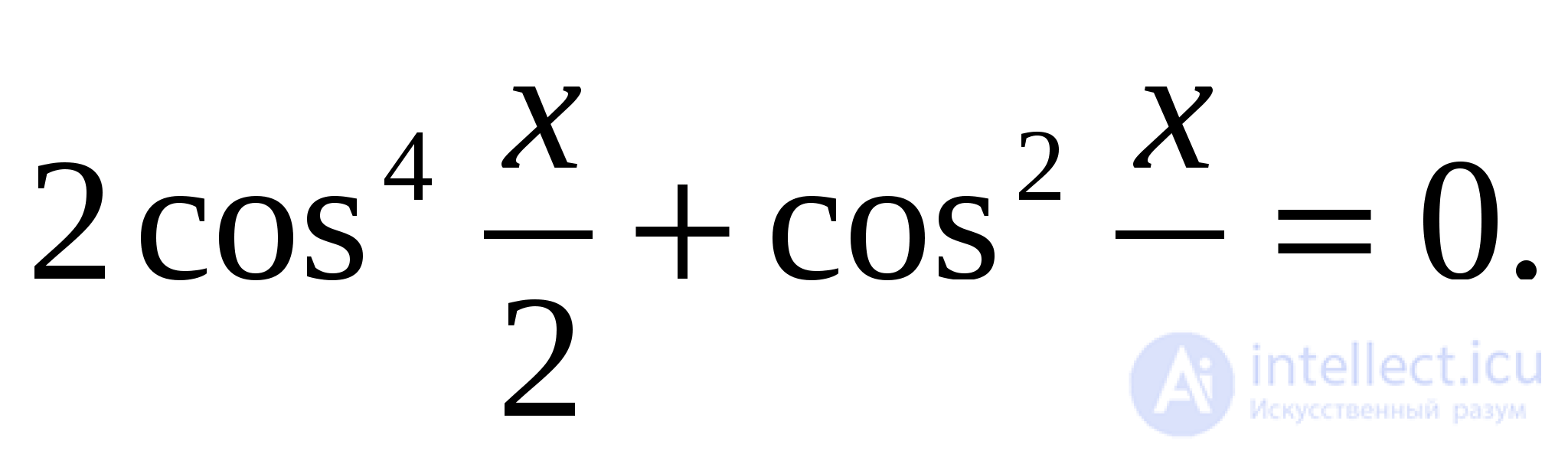
After simplifications we obtain the equation

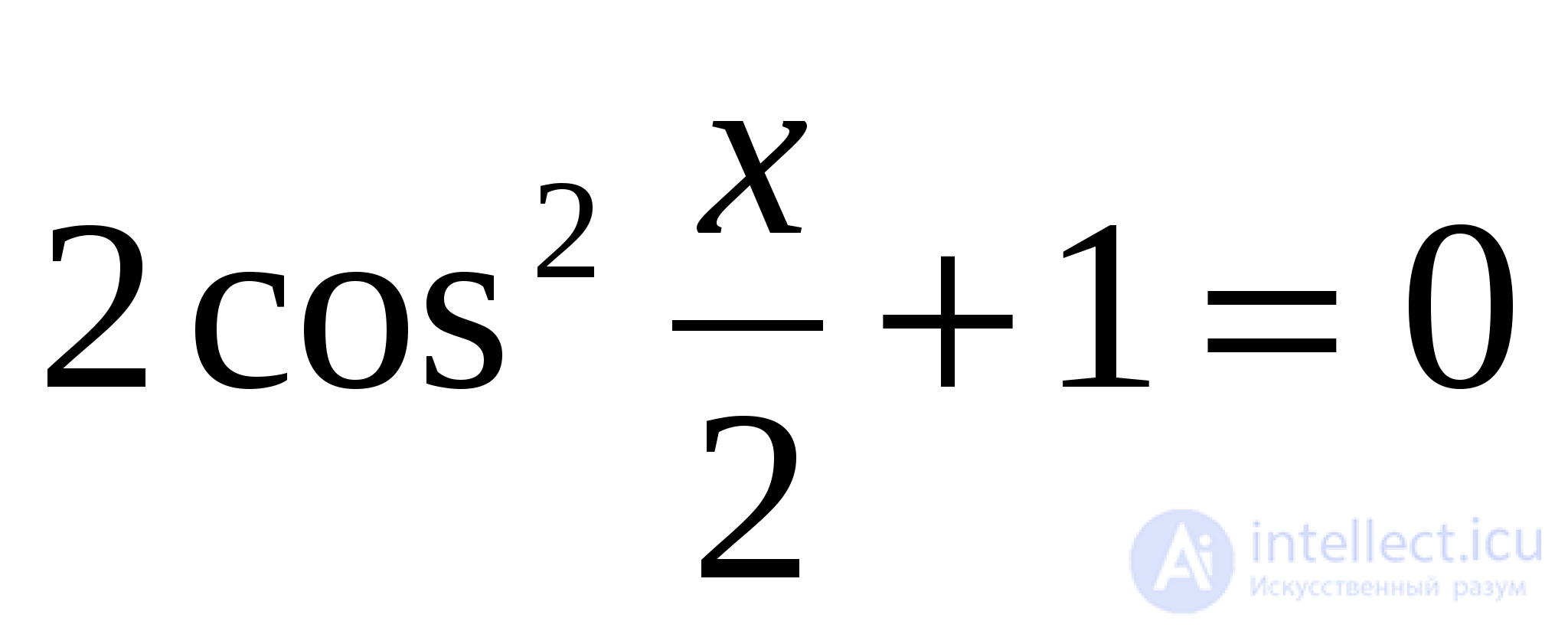
Inverse Trigonometric Functions: Arcsine, Arccosine, Arctangent, Arccotangent, Arcsecant, Arccosecant

which has a unique root Inverse Trigonometric Functions: Arcsine, Arccosine, Arctangent, Arccotangent, Arcsecant, Arccosecant We check and verify that Inverse Trigonometric Functions: Arcsine, Arccosine, Arctangent, Arccotangent, Arcsecant, Arccosecant is a root of the preceding equation and, consequently, a root of the original equation.

Answer: Inverse Trigonometric Functions: Arcsine, Arccosine, Arctangent, Arccotangent, Arcsecant, Arccosecant

Problem 7. Solve the equation

Inverse Trigonometric Functions: Arcsine, Arccosine, Arctangent, Arccotangent, Arcsecant, Arccosecant

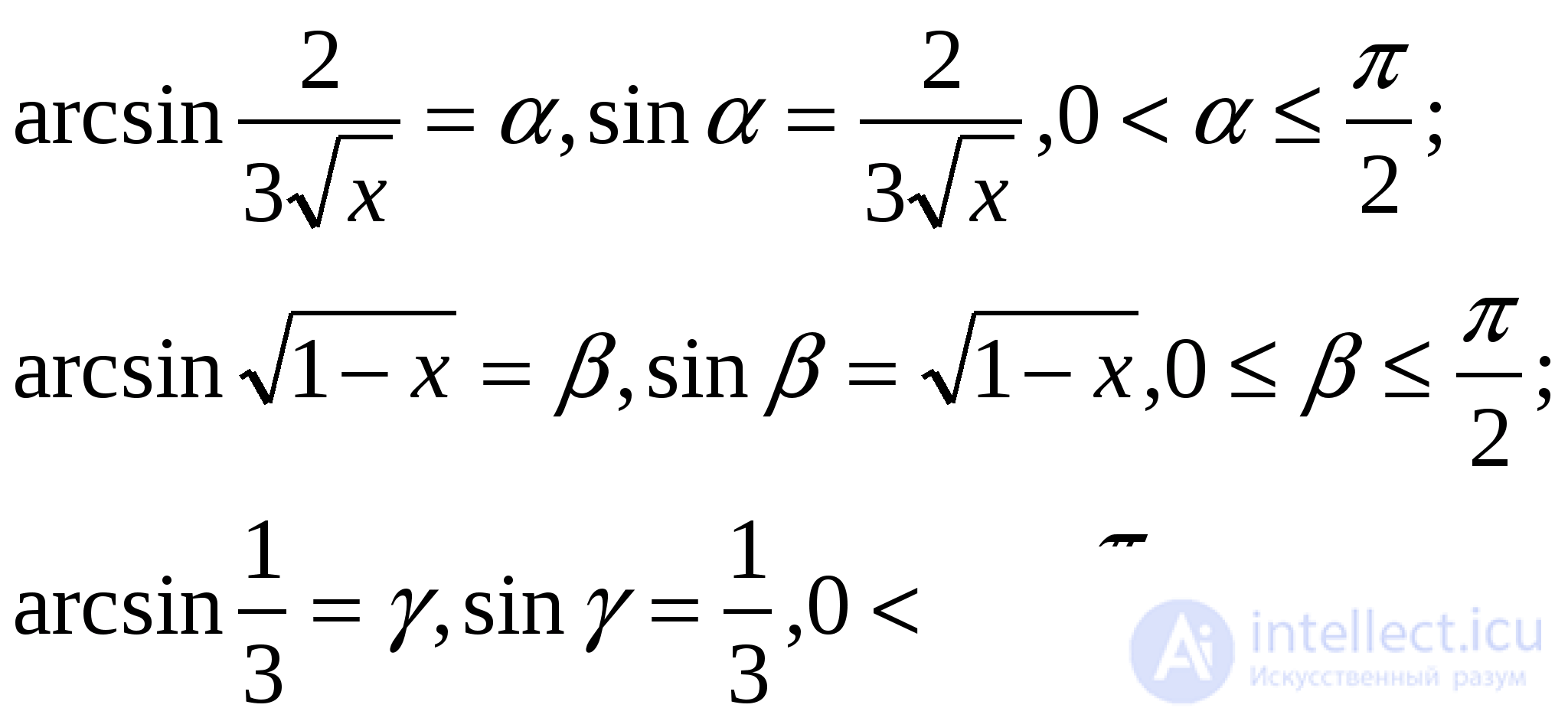
Solution: Introduce the notation

Inverse Trigonometric Functions: Arcsine, Arccosine, Arctangent, Arccotangent, Arcsecant, Arccosecant

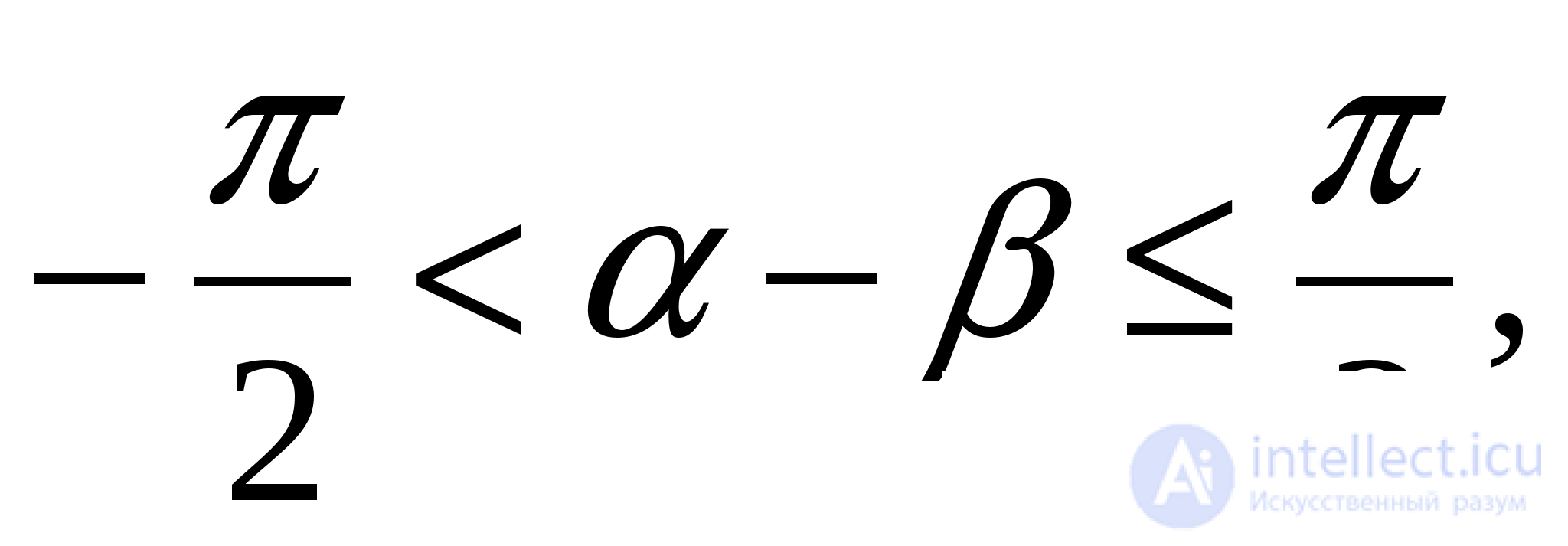
The given equation takes the form or Inverse Trigonometric Functions: Arcsine, Arccosine, Arctangent, Arccotangent, Arcsecant, Arccosecant Both sides of the equation lie in the interval If we take the cotangents of both sides of the equation, we can lose only the root corresponding to an angle value equal to 0, since this is the only value in the interval Inverse Trigonometric Functions: Arcsine, Arccosine, Arctangent, Arccotangent, Arcsecant, Arccosecant at which the cotangent does not exist. Let us check whether the equality Inverse Trigonometric Functions: Arcsine, Arccosine, Arctangent, Arccotangent, Arcsecant, Arccosecant holds. If Inverse Trigonometric Functions: Arcsine, Arccosine, Arctangent, Arccotangent, Arcsecant, Arccosecant then Inverse Trigonometric Functions: Arcsine, Arccosine, Arctangent, Arccotangent, Arcsecant, Arccosecantwhence Inverse Trigonometric Functions: Arcsine, Arccosine, Arctangent, Arccotangent, Arcsecant, Arccosecant and Inverse Trigonometric Functions: Arcsine, Arccosine, Arctangent, Arccotangent, Arcsecant, Arccosecant For Inverse Trigonometric Functions: Arcsine, Arccosine, Arctangent, Arccotangent, Arcsecant, Arccosecant we get that Inverse Trigonometric Functions: Arcsine, Arccosine, Arctangent, Arccotangent, Arcsecant, Arccosecant Thus, Inverse Trigonometric Functions: Arcsine, Arccosine, Arctangent, Arccotangent, Arcsecant, Arccosecant is a root of the equation.


If Inverse Trigonometric Functions: Arcsine, Arccosine, Arctangent, Arccotangent, Arcsecant, Arccosecant then we can take the cotangents of both sides of the equation:

Inverse Trigonometric Functions: Arcsine, Arccosine, Arctangent, Arccotangent, Arcsecant, Arccosecant

This leads to a consequence of the original equation. Expanding the brackets and substituting the expressions of the trigonometric functions Inverse Trigonometric Functions: Arcsine, Arccosine, Arctangent, Arccotangent, Arcsecant, Arccosecant and Inverse Trigonometric Functions: Arcsine, Arccosine, Arctangent, Arccotangent, Arcsecant, Arccosecant in terms of Inverse Trigonometric Functions: Arcsine, Arccosine, Arctangent, Arccotangent, Arcsecant, Arccosecant we obtain the equation
Inverse Trigonometric Functions: Arcsine, Arccosine, Arctangent, Arccotangent, Arcsecant, Arccosecant

which is equivalent to the system

Inverse Trigonometric Functions: Arcsine, Arccosine, Arctangent, Arccotangent, Arcsecant, Arccosecant

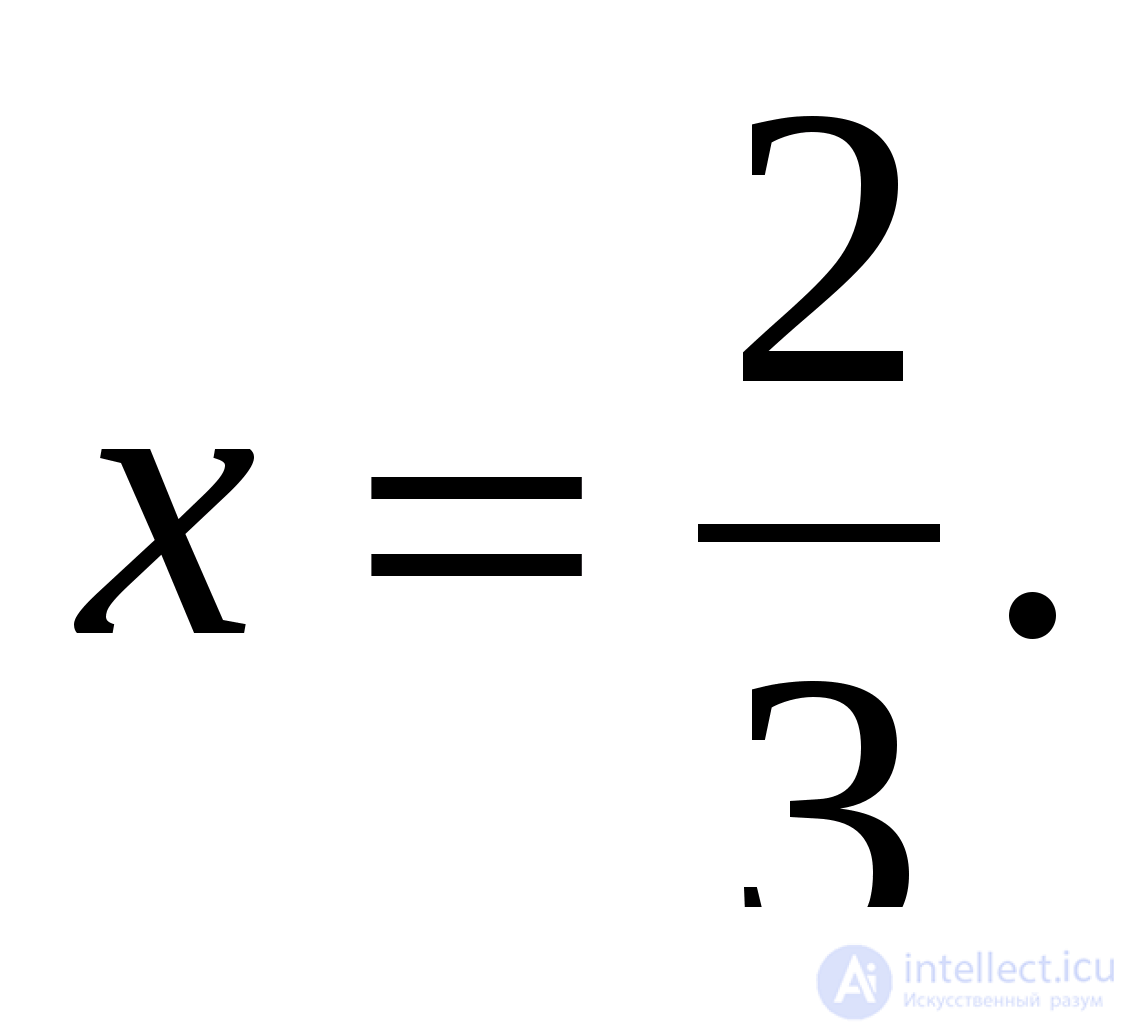
We obtain two values of the unknown: Inverse Trigonometric Functions: Arcsine, Arccosine, Arctangent, Arccotangent, Arcsecant, Arccosecant By checking, we verify that both values satisfy the given equation.

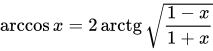
Approach (III): To simplify the original equation, in many cases it is convenient to pass from some arc functions to others (for example, from the arcsine or arccosine to the arctangent). Along with formulas (14), the following formulas can be used:
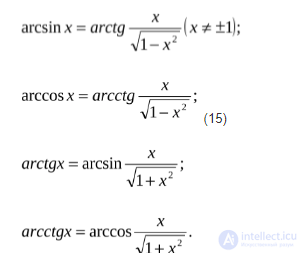
Inverse Trigonometric Functions: Arcsine, Arccosine, Arctangent, Arccotangent, Arcsecant, Arccosecant

Problem 8. Solve the equation:

Inverse Trigonometric Functions: Arcsine, Arccosine, Arctangent, Arccotangent, Arcsecant, Arccosecant

Solution: Note that Inverse Trigonometric Functions: Arcsine, Arccosine, Arctangent, Arccotangent, Arcsecant, Arccosecant does not satisfy the given equation. Therefore, by formulas (15),
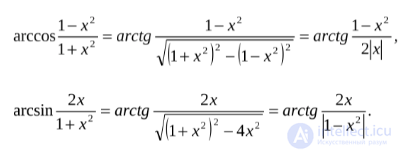
Inverse Trigonometric Functions: Arcsine, Arccosine, Arctangent, Arccotangent, Arcsecant, Arccosecant

So the original equation can be written in the form:

Inverse Trigonometric Functions: Arcsine, Arccosine, Arctangent, Arccotangent, Arcsecant, Arccosecant

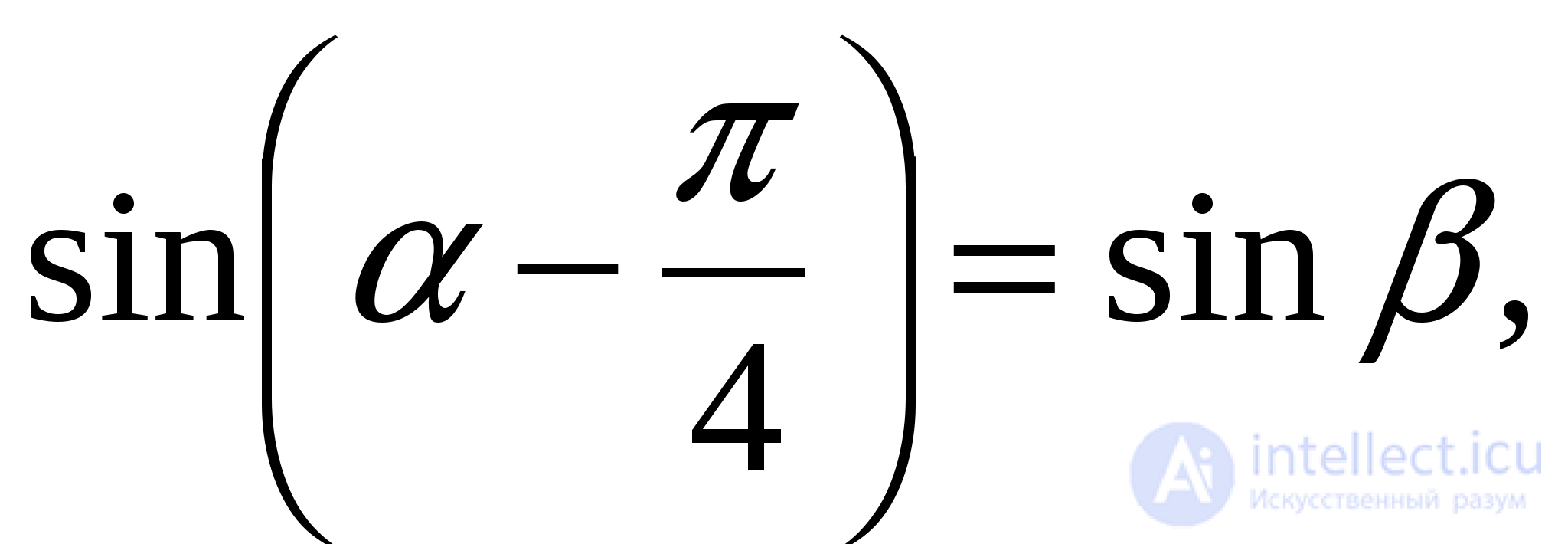
If Inverse Trigonometric Functions: Arcsine, Arccosine, Arctangent, Arccotangent, Arcsecant, Arccosecant then the equation takes the form:

Inverse Trigonometric Functions: Arcsine, Arccosine, Arctangent, Arccotangent, Arcsecant, Arccosecant which is impossible.

If Inverse Trigonometric Functions: Arcsine, Arccosine, Arctangent, Arccotangent, Arcsecant, Arccosecant then in this case too the equation

Inverse Trigonometric Functions: Arcsine, Arccosine, Arctangent, Arccotangent, Arcsecant, Arccosecant has no solutions, because

Inverse Trigonometric Functions: Arcsine, Arccosine, Arctangent, Arccotangent, Arcsecant, Arccosecant for Inverse Trigonometric Functions: Arcsine, Arccosine, Arctangent, Arccotangent, Arcsecant, Arccosecant

Answer: no solutions.

Problem 9. Solve the equation Inverse Trigonometric Functions: Arcsine, Arccosine, Arctangent, Arccotangent, Arcsecant, Arccosecant

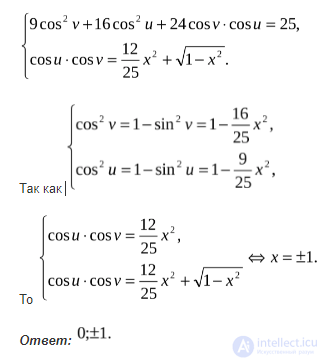
Solution: Inverse Trigonometric Functions: Arcsine, Arccosine, Arctangent, Arccotangent, Arcsecant, Arccosecant

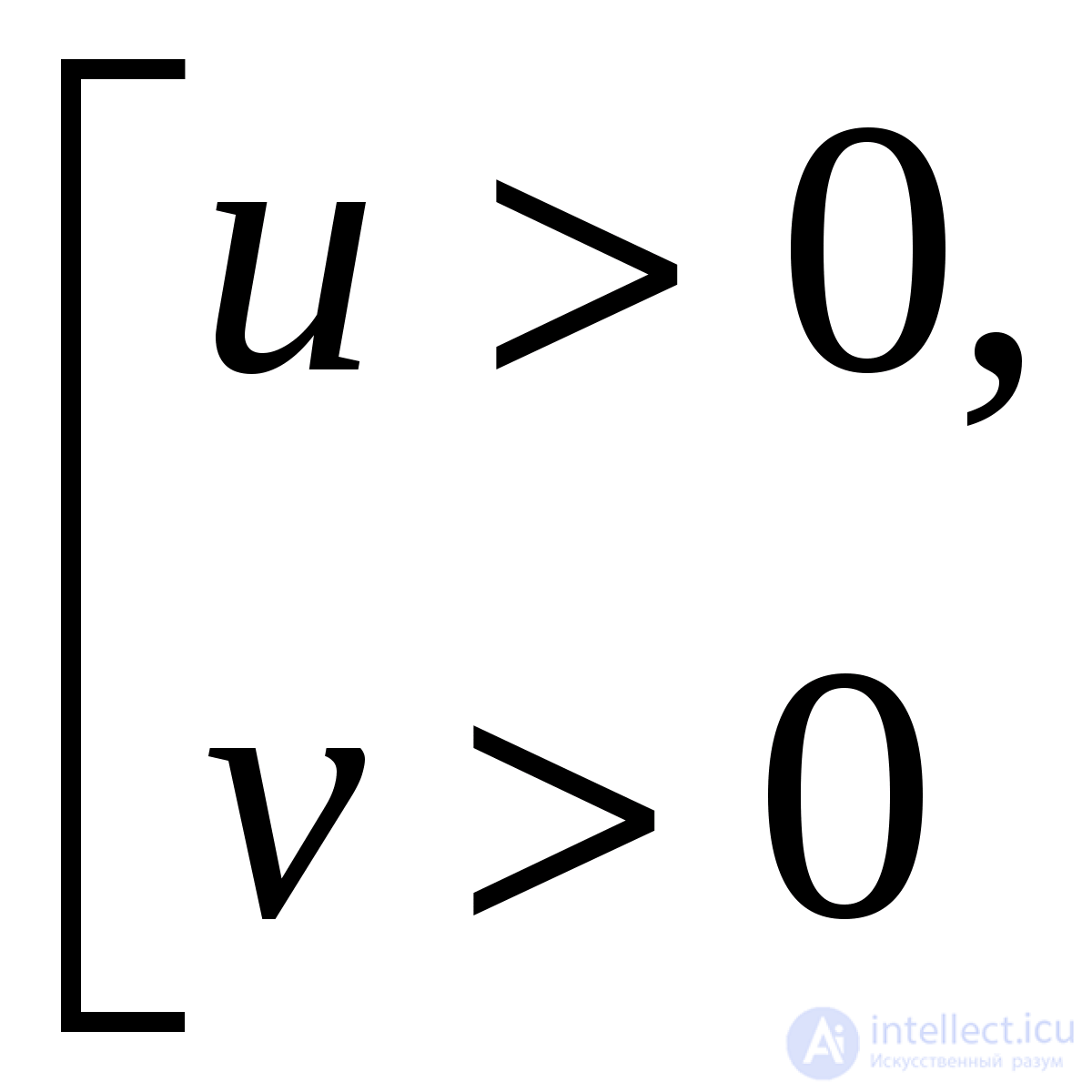
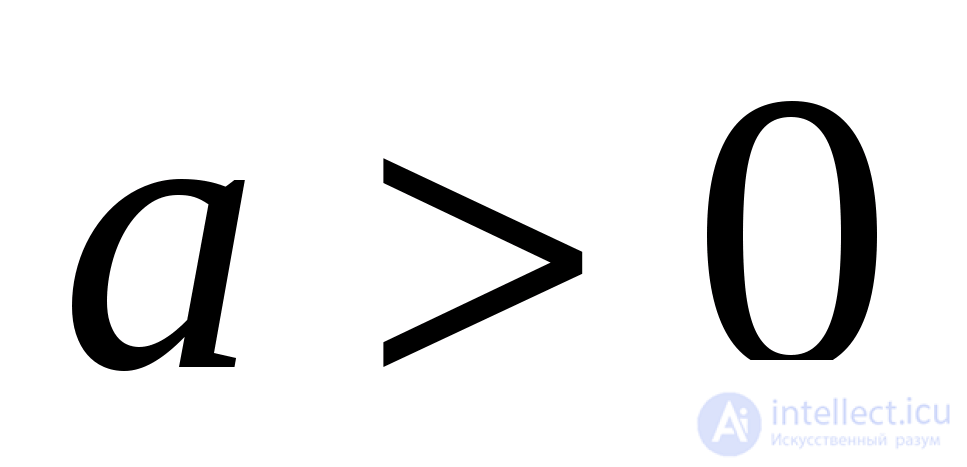
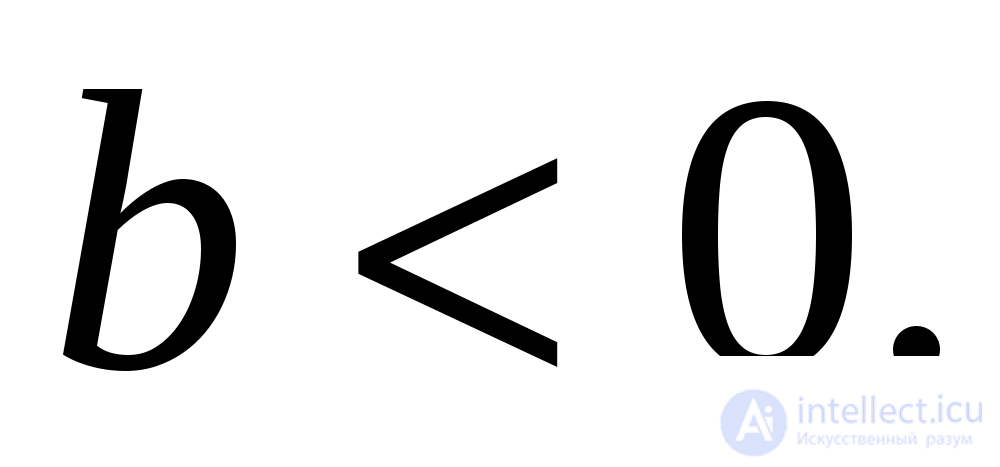
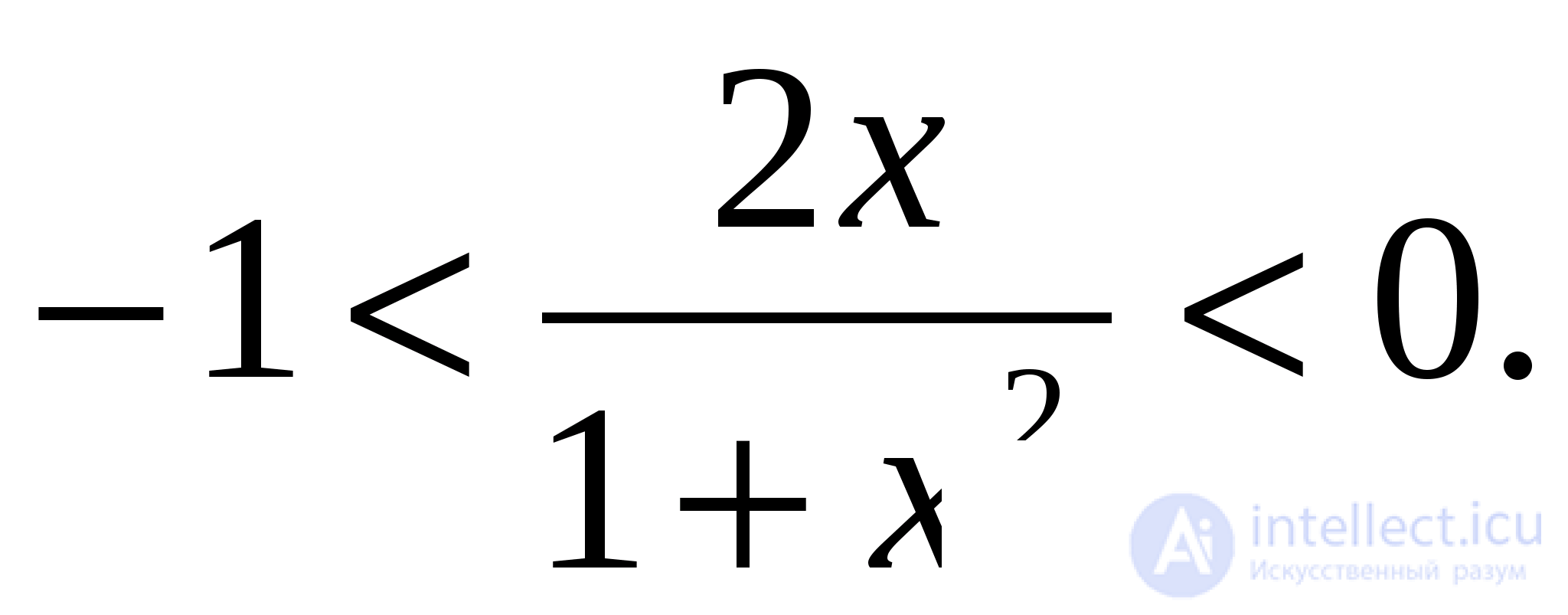
From the resulting system it follows that Inverse Trigonometric Functions: Arcsine, Arccosine, Arctangent, Arccotangent, Arcsecant, Arccosecant that is, Inverse Trigonometric Functions: Arcsine, Arccosine, Arctangent, Arccotangent, Arcsecant, Arccosecant and Inverse Trigonometric Functions: Arcsine, Arccosine, Arctangent, Arccotangent, Arcsecant, Arccosecant are numbers of the same sign. Indeed, if Inverse Trigonometric Functions: Arcsine, Arccosine, Arctangent, Arccotangent, Arcsecant, Arccosecant then Inverse Trigonometric Functions: Arcsine, Arccosine, Arctangent, Arccotangent, Arcsecant, Arccosecant and


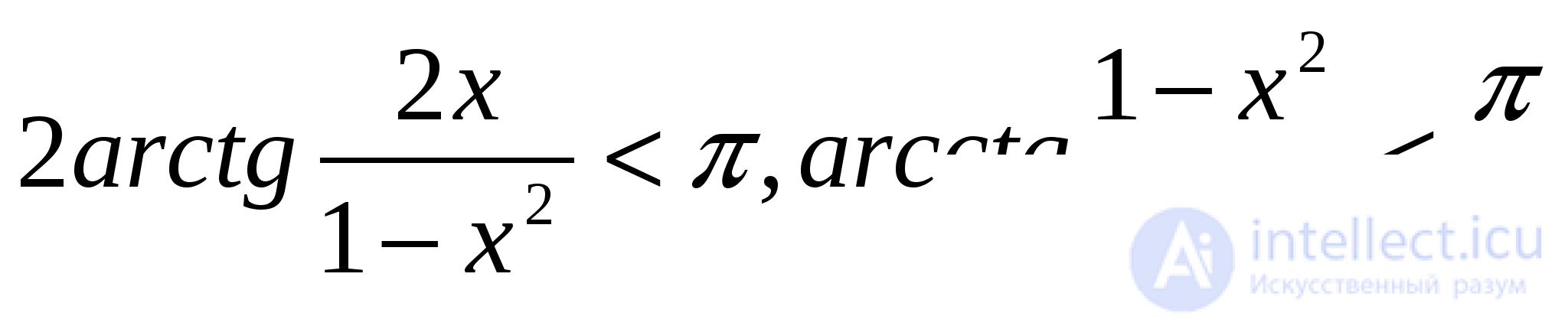
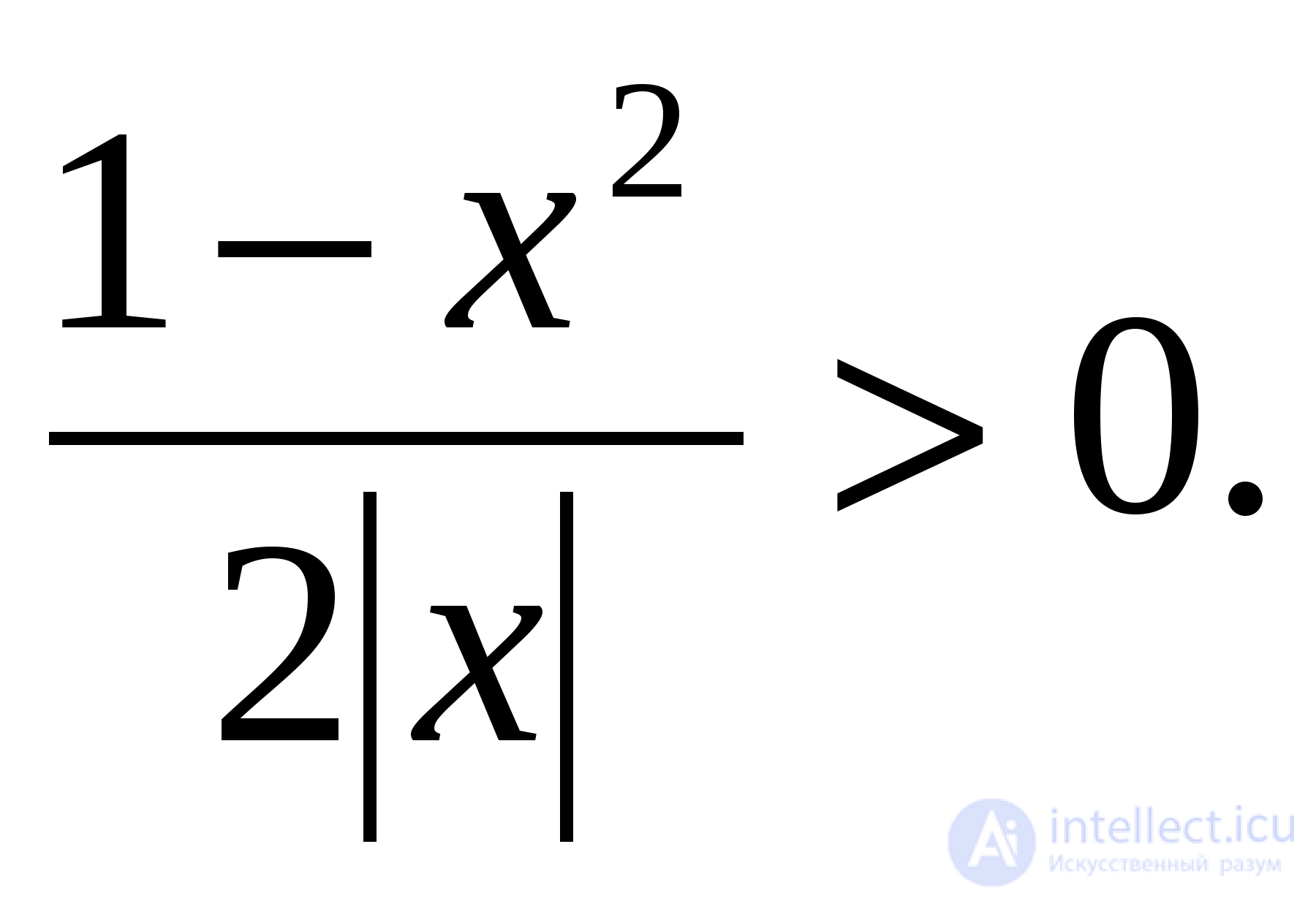
If, however, then from the inequalities it immediately follows that Inverse Trigonometric Functions: Arcsine, Arccosine, Arctangent, Arccotangent, Arcsecant, Arccosecant and Inverse Trigonometric Functions: Arcsine, Arccosine, Arctangent, Arccotangent, Arcsecant, Arccosecant Consequently, if Inverse Trigonometric Functions: Arcsine, Arccosine, Arctangent, Arccotangent, Arcsecant, Arccosecant then the equation has no solutions.
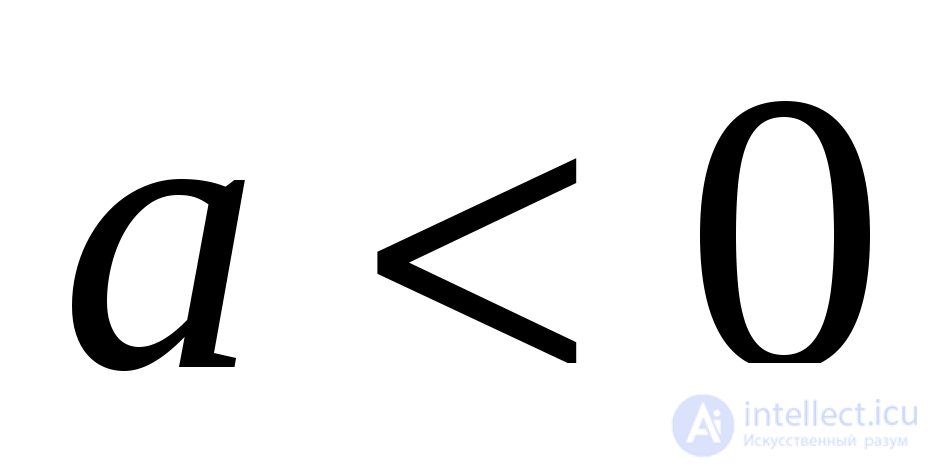
If Inverse Trigonometric Functions: Arcsine, Arccosine, Arctangent, Arccotangent, Arcsecant, Arccosecant then the equation likewise has no solutions, since
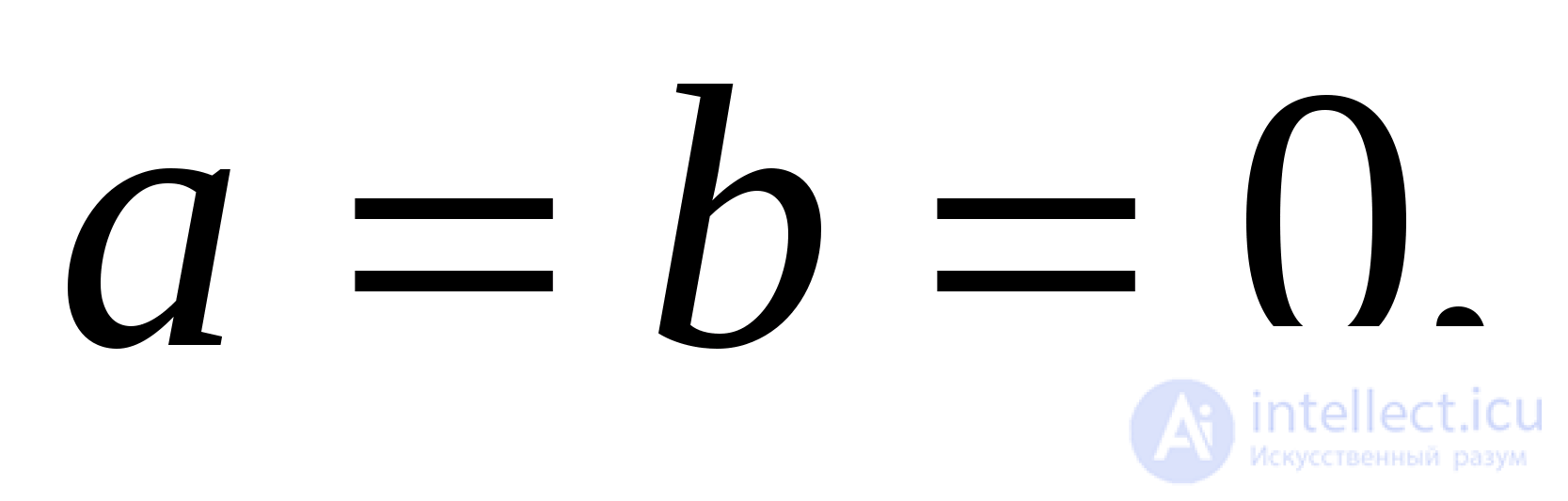

Inverse Trigonometric Functions: Arcsine, Arccosine, Arctangent, Arccotangent, Arcsecant, Arccosecant

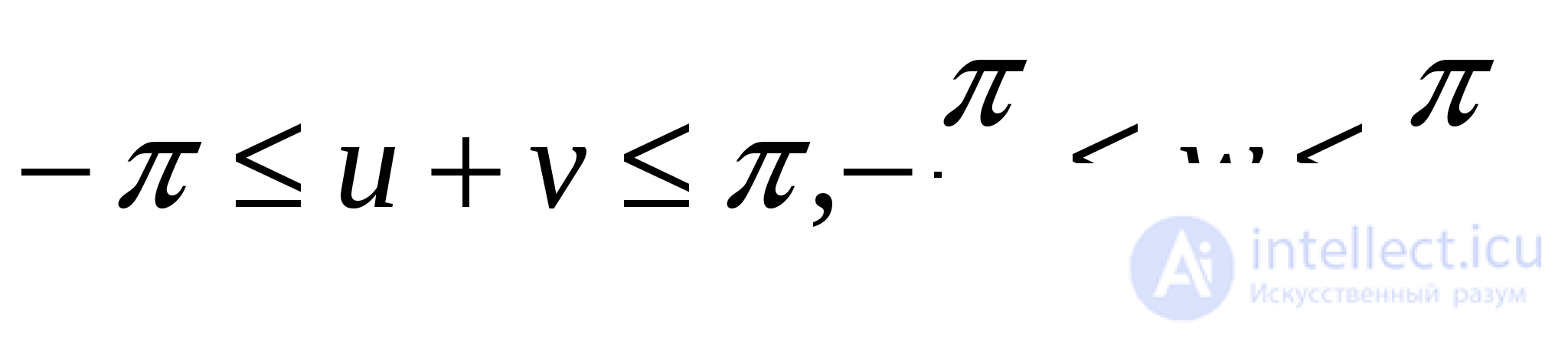
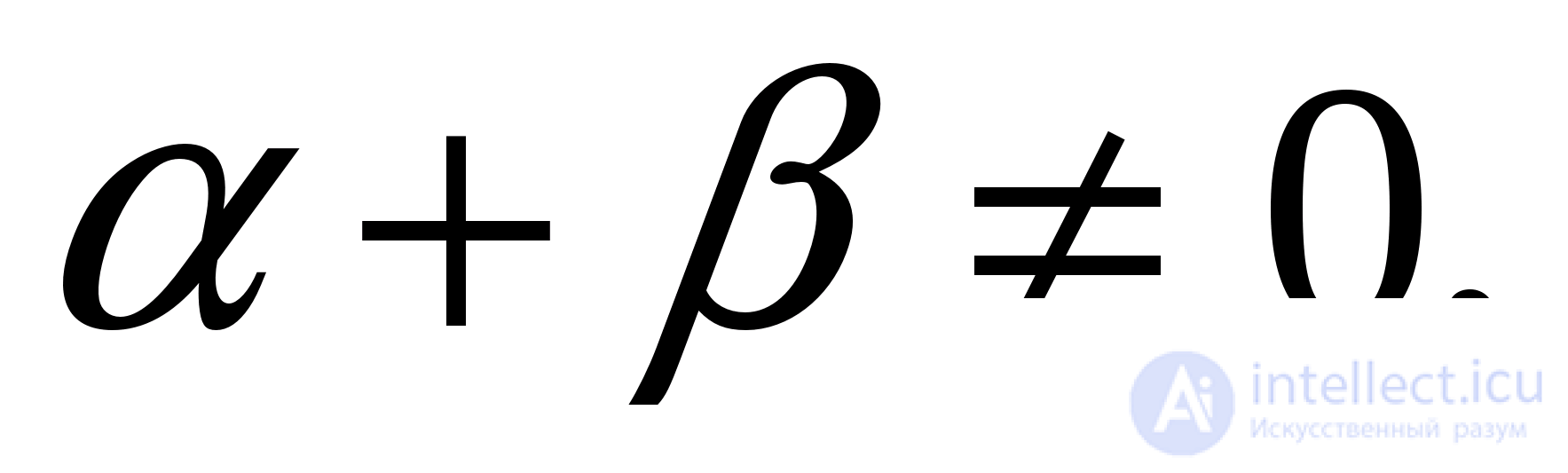
Let Inverse Trigonometric Functions: Arcsine, Arccosine, Arctangent, Arccotangent, Arcsecant, Arccosecant and at least one of the numbers be nonzero. Then we get that

Inverse Trigonometric Functions: Arcsine, Arccosine, Arctangent, Arccotangent, Arcsecant, Arccosecant

Taking into account the constraints of the system, we find that if Inverse Trigonometric Functions: Arcsine, Arccosine, Arctangent, Arccotangent, Arcsecant, Arccosecant and at least one of the numbers is nonzero, then Inverse Trigonometric Functions: Arcsine, Arccosine, Arctangent, Arccotangent, Arcsecant, Arccosecant
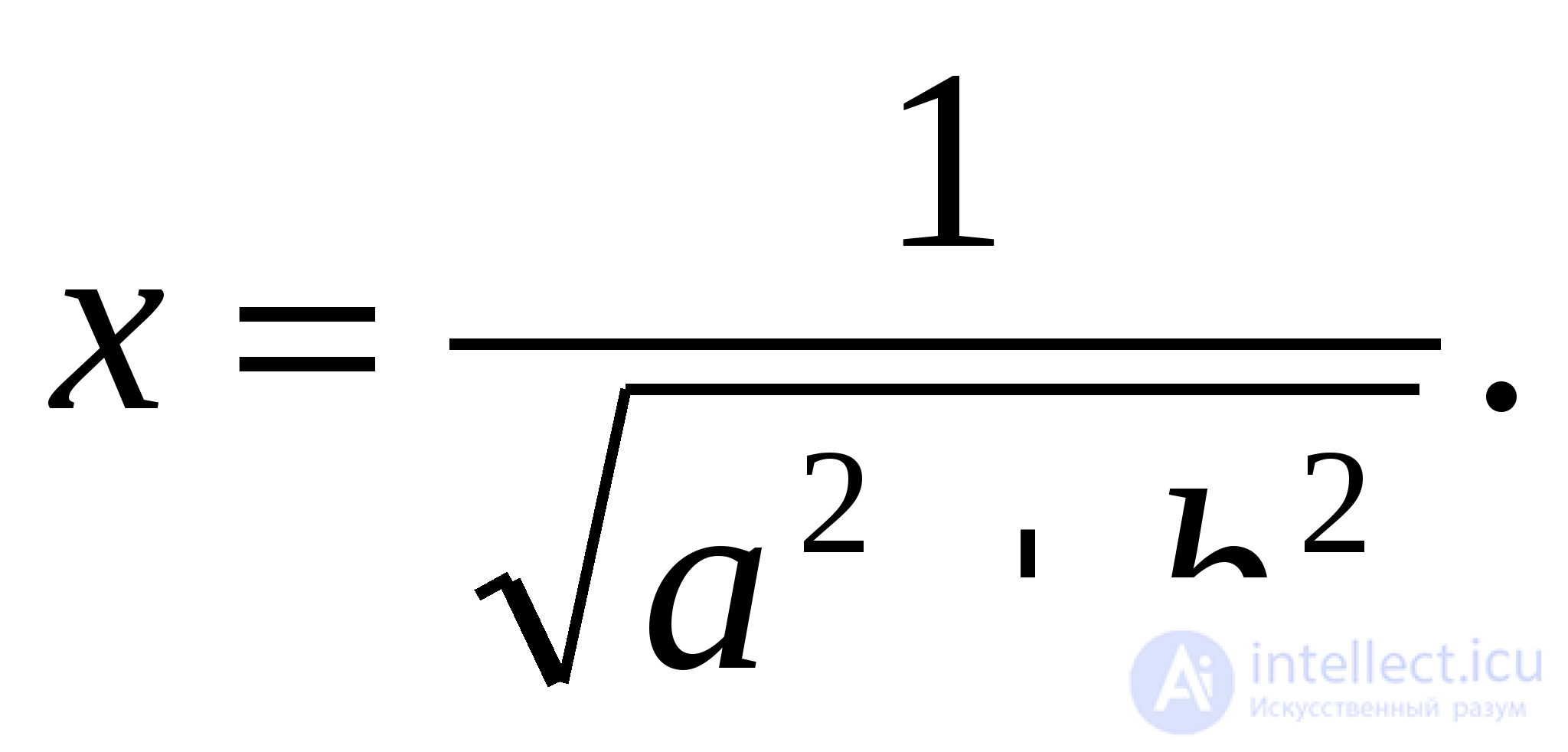
If, however, Inverse Trigonometric Functions: Arcsine, Arccosine, Arctangent, Arccotangent, Arcsecant, Arccosecant and at least one of the numbers is nonzero, then Inverse Trigonometric Functions: Arcsine, Arccosine, Arctangent, Arccotangent, Arcsecant, Arccosecant
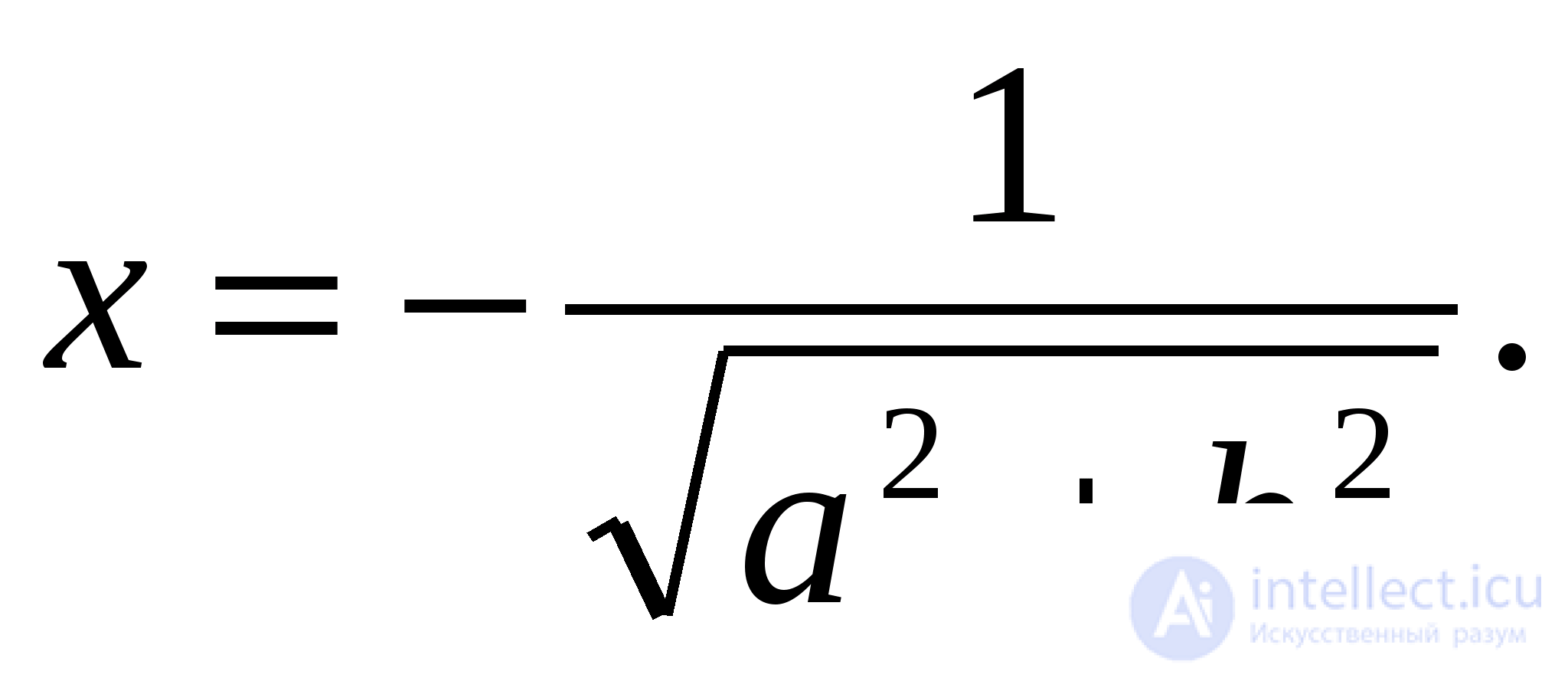
Answer: if Inverse Trigonometric Functions: Arcsine, Arccosine, Arctangent, Arccotangent, Arcsecant, Arccosecant then the equation has no solutions; if Inverse Trigonometric Functions: Arcsine, Arccosine, Arctangent, Arccotangent, Arcsecant, Arccosecant then the equation has no solutions; if Inverse Trigonometric Functions: Arcsine, Arccosine, Arctangent, Arccotangent, Arcsecant, Arccosecant and at least one of the numbers is nonzero, then Inverse Trigonometric Functions: Arcsine, Arccosine, Arctangent, Arccotangent, Arcsecant, Arccosecant if Inverse Trigonometric Functions: Arcsine, Arccosine, Arctangent, Arccotangent, Arcsecant, Arccosecant and at least one of the numbers is nonzero, then Inverse Trigonometric Functions: Arcsine, Arccosine, Arctangent, Arccotangent, Arcsecant, Arccosecant
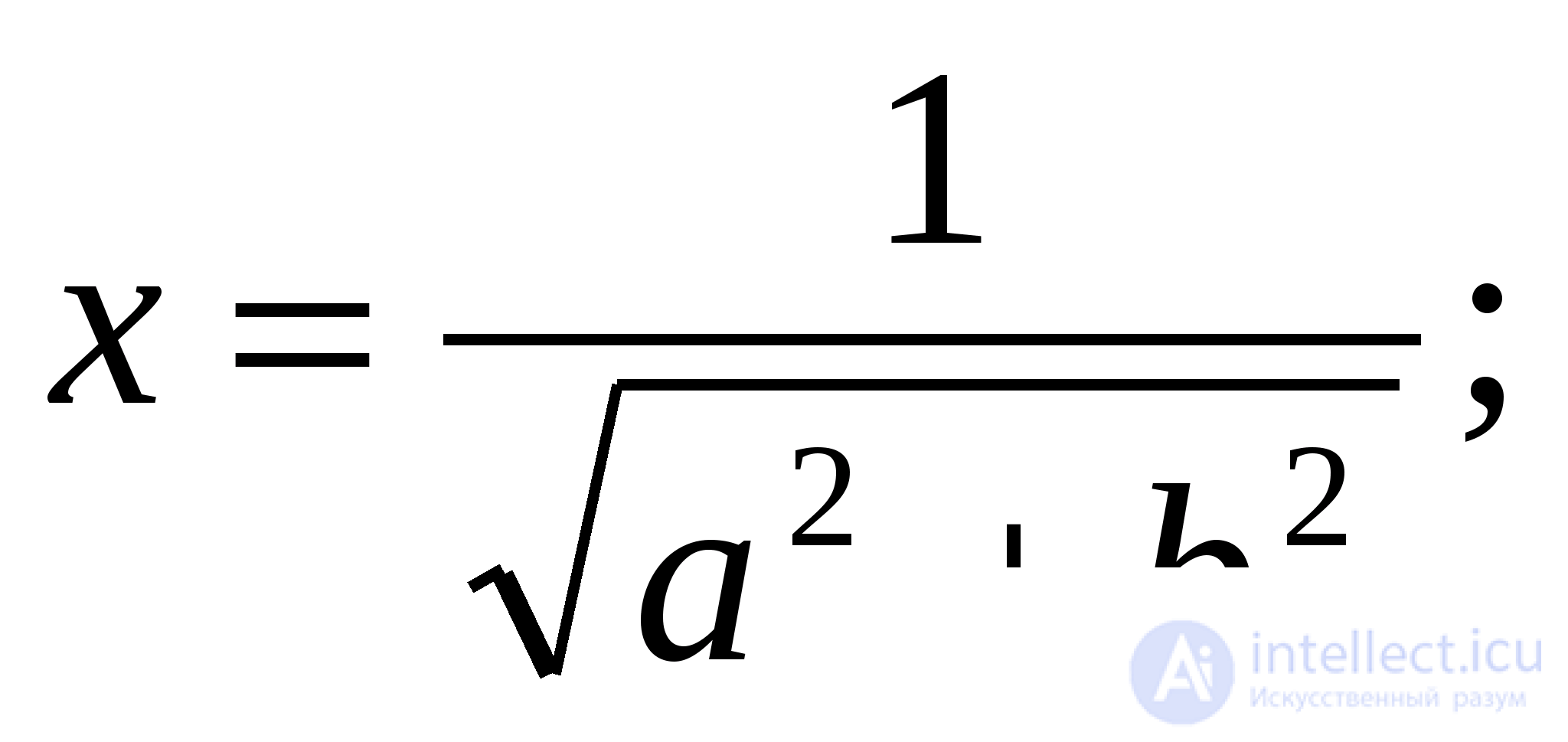
Problem 10. Solve the system of equations

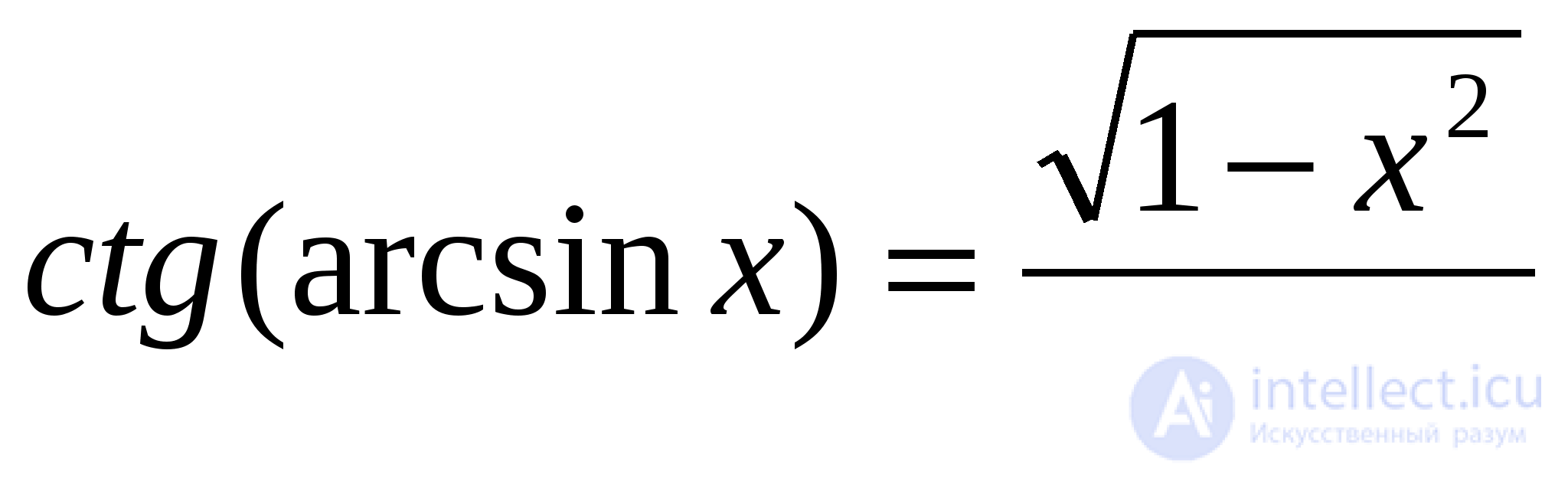
Solution: Using the formulas of group 2, we obtain:

Inverse Trigonometric Functions: Arcsine, Arccosine, Arctangent, Arccotangent, Arcsecant, Arccosecant

Turning to the methods for algebraic systems of equations, we find that Inverse Trigonometric Functions: Arcsine, Arccosine, Arctangent, Arccotangent, Arcsecant, Arccosecant and Inverse Trigonometric Functions: Arcsine, Arccosine, Arctangent, Arccotangent, Arcsecant, Arccosecant are the roots of the quadratic equation

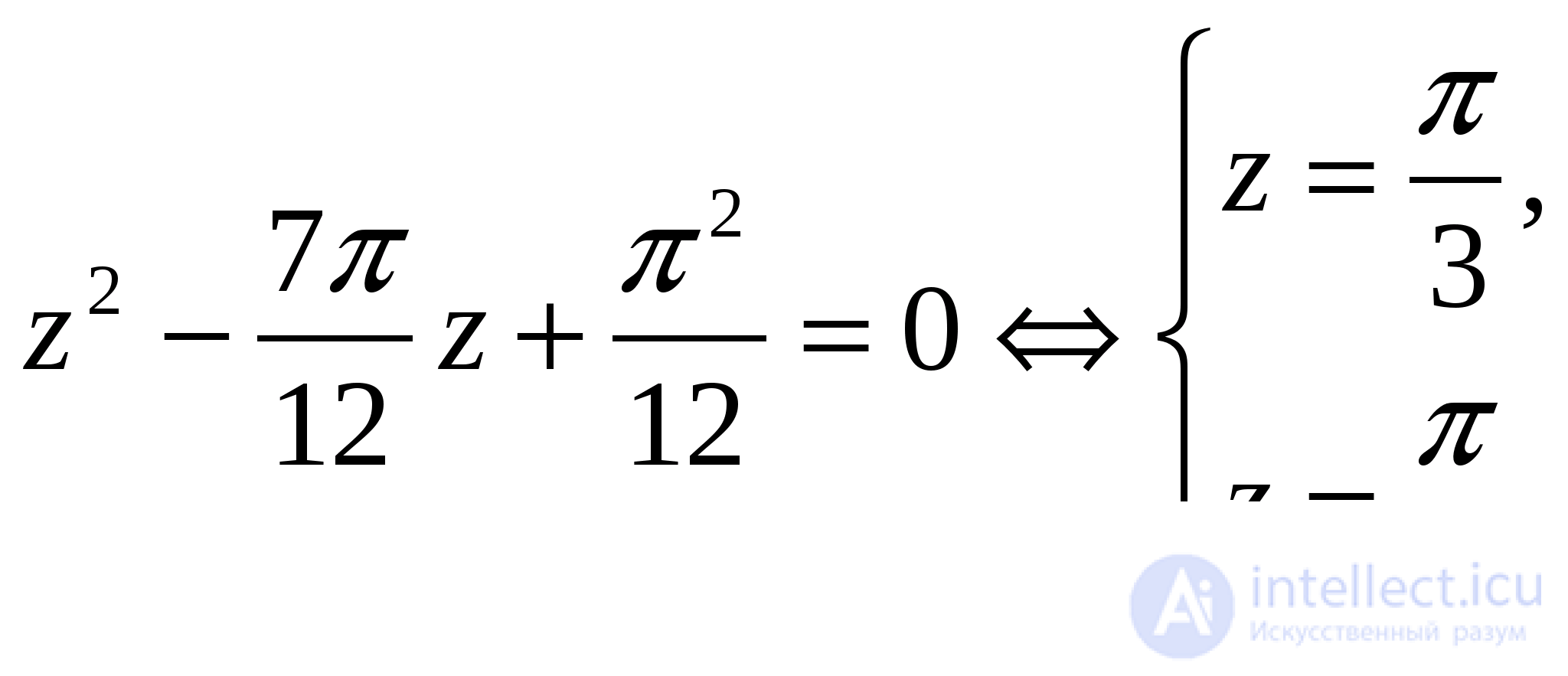
Inverse Trigonometric Functions: Arcsine, Arccosine, Arctangent, Arccotangent, Arcsecant, Arccosecant

We obtain

Inverse Trigonometric Functions: Arcsine, Arccosine, Arctangent, Arccotangent, Arcsecant, Arccosecant

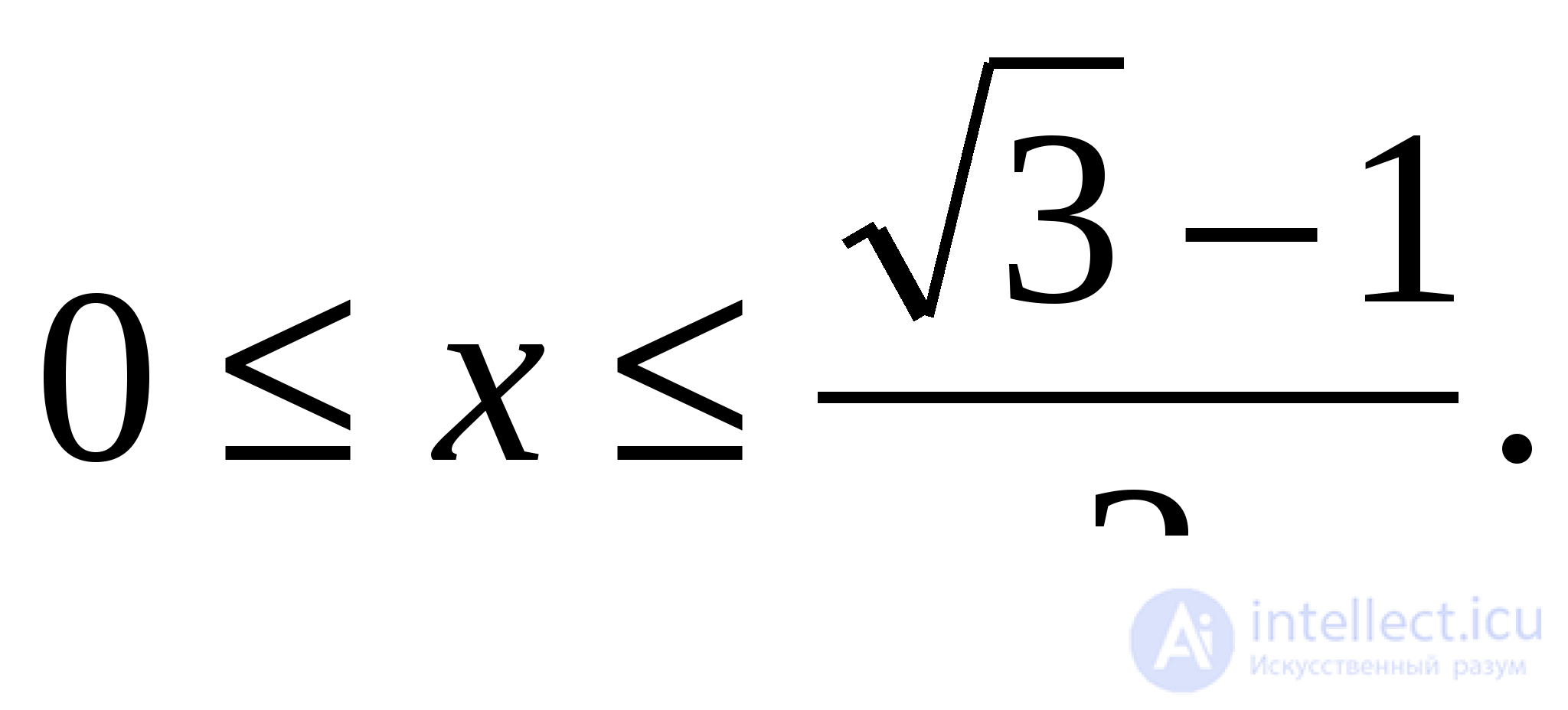
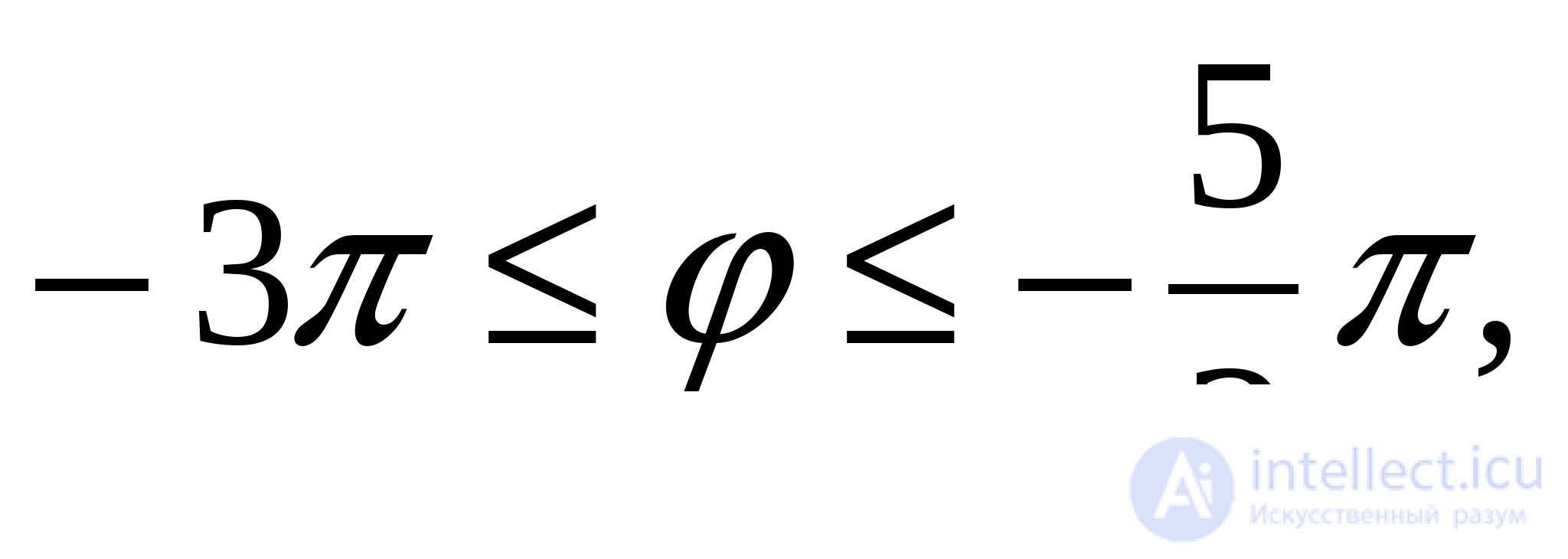
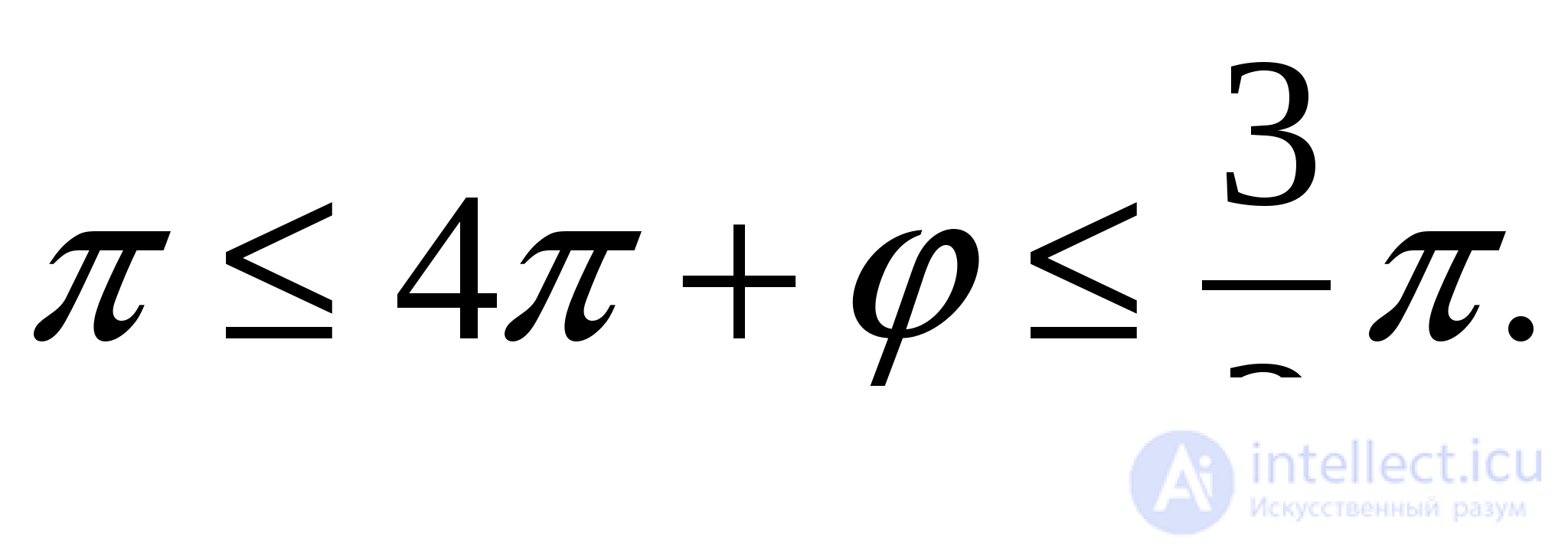
2.3. Computing the values of inverse trigonometric functions

Example 1. Find Inverse Trigonometric Functions: Arcsine, Arccosine, Arctangent, Arccotangent, Arcsecant, Arccosecant if Inverse Trigonometric Functions: Arcsine, Arccosine, Arctangent, Arccotangent, Arcsecant, Arccosecant

Solution: Let us estimate Inverse Trigonometric Functions: Arcsine, Arccosine, Arctangent, Arccotangent, Arcsecant, Arccosecant if Inverse Trigonometric Functions: Arcsine, Arccosine, Arctangent, Arccotangent, Arcsecant, Arccosecant

We have

Inverse Trigonometric Functions: Arcsine, Arccosine, Arctangent, Arccotangent, Arcsecant, Arccosecant or Inverse Trigonometric Functions: Arcsine, Arccosine, Arctangent, Arccotangent, Arcsecant, Arccosecant

Consequently,

Inverse Trigonometric Functions: Arcsine, Arccosine, Arctangent, Arccotangent, Arcsecant, Arccosecant

Inverse Trigonometric Functions: Arcsine, Arccosine, Arctangent, Arccotangent, Arcsecant, Arccosecant

where Inverse Trigonometric Functions: Arcsine, Arccosine, Arctangent, Arccotangent, Arcsecant, Arccosecant

Finally we obtain

Inverse Trigonometric Functions: Arcsine, Arccosine, Arctangent, Arccotangent, Arcsecant, Arccosecant

Answer: Inverse Trigonometric Functions: Arcsine, Arccosine, Arctangent, Arccotangent, Arcsecant, Arccosecant

Example 2. Prove that if Inverse Trigonometric Functions: Arcsine, Arccosine, Arctangent, Arccotangent, Arcsecant, Arccosecant then Inverse Trigonometric Functions: Arcsine, Arccosine, Arctangent, Arccotangent, Arcsecant, Arccosecant

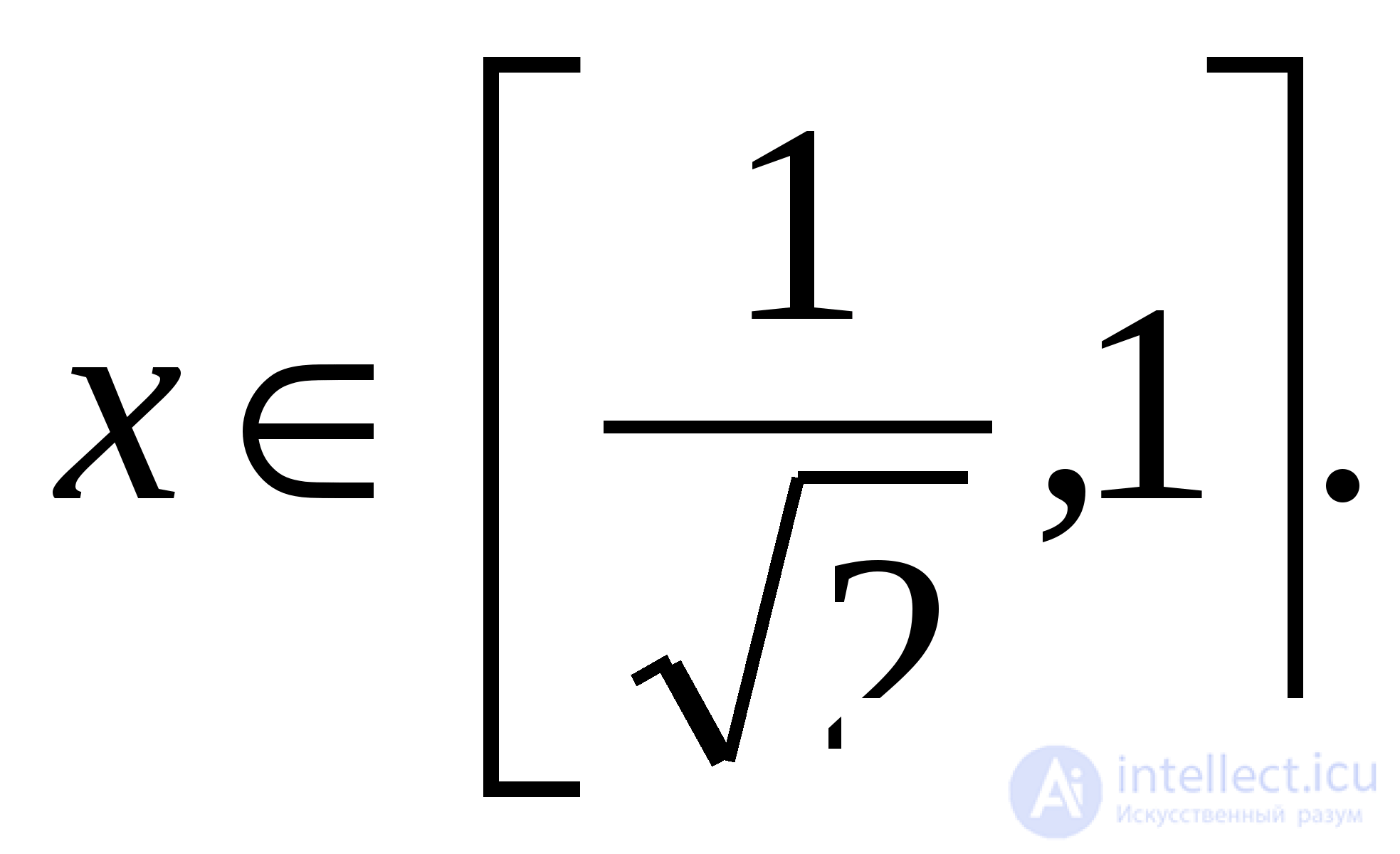
Solution: For Inverse Trigonometric Functions: Arcsine, Arccosine, Arctangent, Arccotangent, Arcsecant, Arccosecant both arcsines exist. For the first this is obvious, and for the second we have

Inverse Trigonometric Functions: Arcsine, Arccosine, Arctangent, Arccotangent, Arcsecant, Arccosecant

Consequently,

Inverse Trigonometric Functions: Arcsine, Arccosine, Arctangent, Arccotangent, Arcsecant, Arccosecant

and, all the more,

Inverse Trigonometric Functions: Arcsine, Arccosine, Arctangent, Arccotangent, Arcsecant, Arccosecant

Introduce the notation

Inverse Trigonometric Functions: Arcsine, Arccosine, Arctangent, Arccotangent, Arcsecant, Arccosecant

Inverse Trigonometric Functions: Arcsine, Arccosine, Arctangent, Arccotangent, Arcsecant, Arccosecant

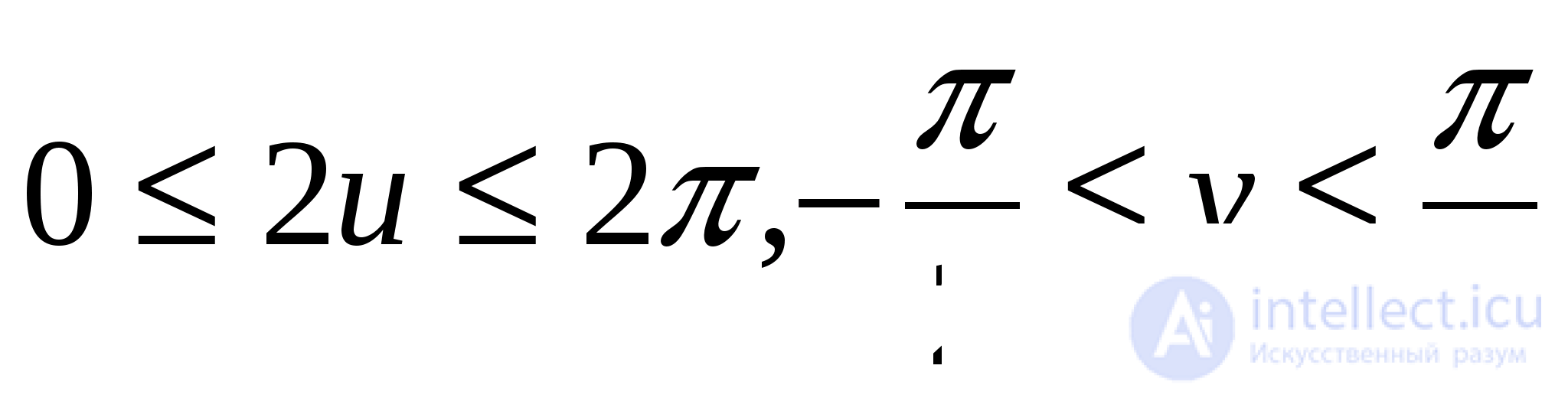
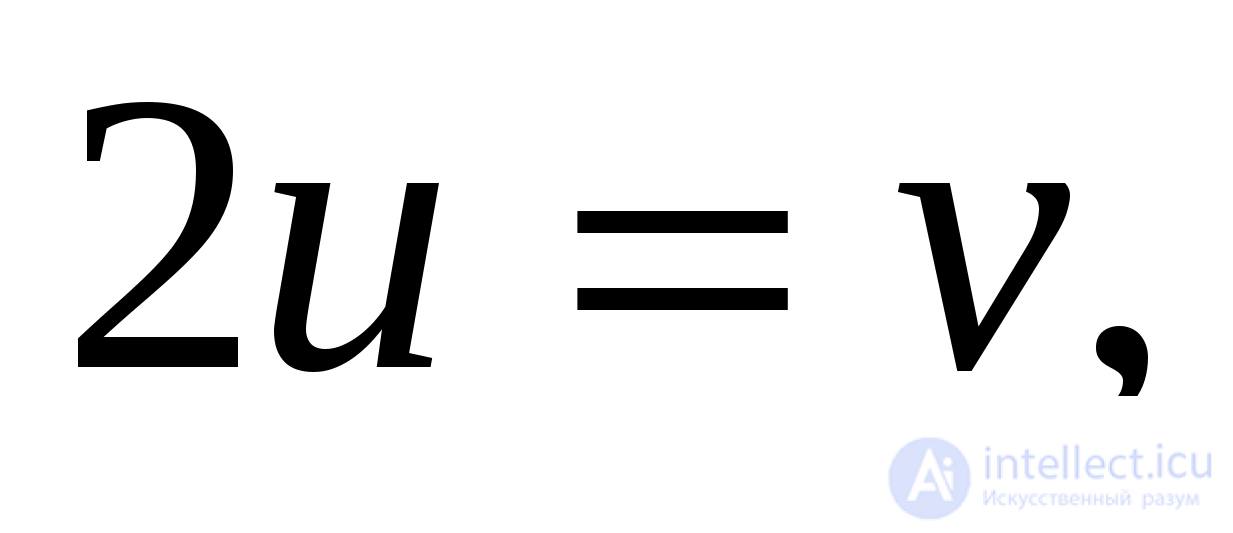
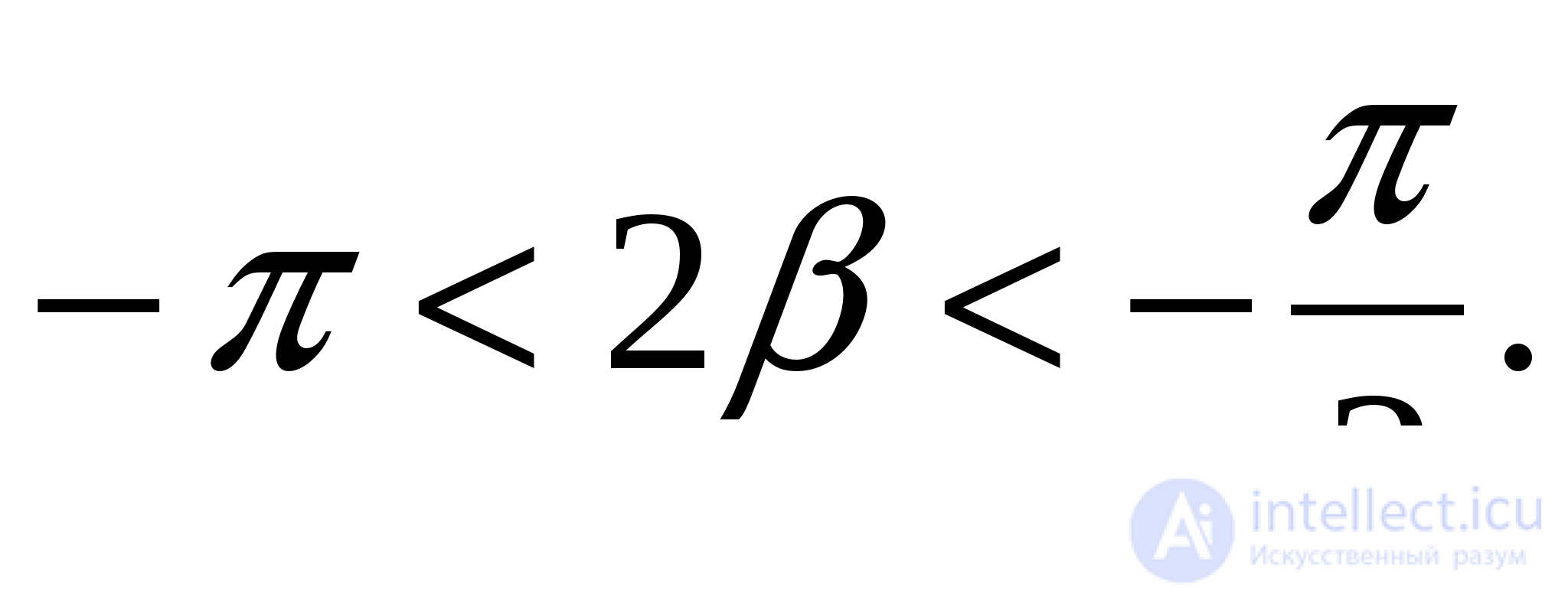
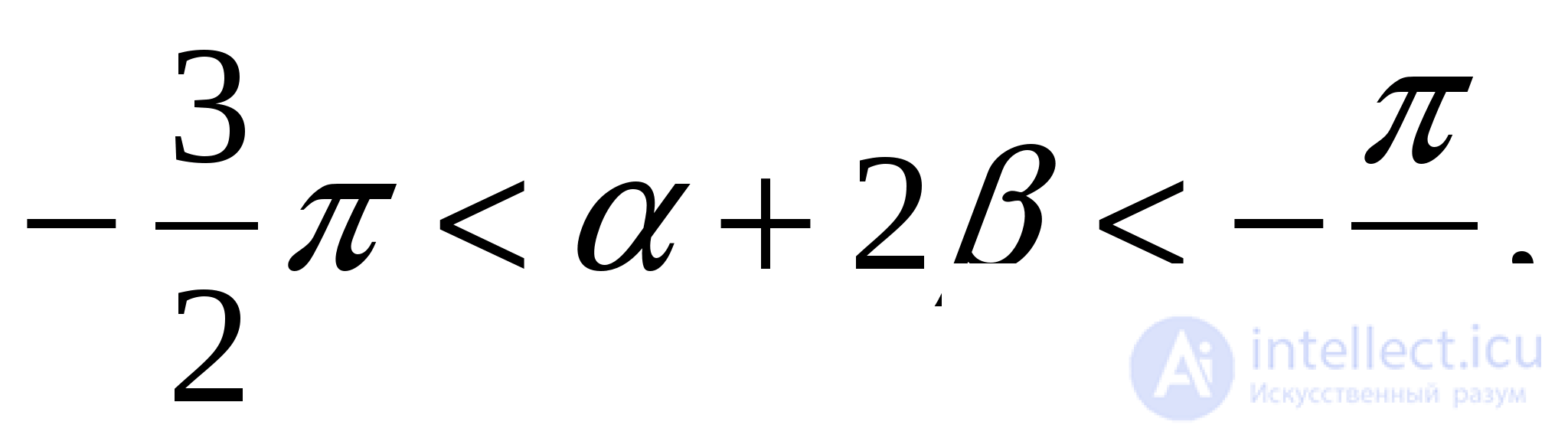
We need to prove that Inverse Trigonometric Functions: Arcsine, Arccosine, Arctangent, Arccotangent, Arcsecant, Arccosecant or Inverse Trigonometric Functions: Arcsine, Arccosine, Arctangent, Arccotangent, Arcsecant, Arccosecant Since Inverse Trigonometric Functions: Arcsine, Arccosine, Arctangent, Arccotangent, Arcsecant, Arccosecant we have that Inverse Trigonometric Functions: Arcsine, Arccosine, Arctangent, Arccotangent, Arcsecant, Arccosecant and Inverse Trigonometric Functions: Arcsine, Arccosine, Arctangent, Arccotangent, Arcsecant, Arccosecant lie in an interval of monotonicity of the sine. Therefore, if we prove that the sines of these arguments are equal, then the equality of the arguments themselves will be proved as well. Since

Inverse Trigonometric Functions: Arcsine, Arccosine, Arctangent, Arccotangent, Arcsecant, Arccosecant

(the plus sign is taken before the root because Inverse Trigonometric Functions: Arcsine, Arccosine, Arctangent, Arccotangent, Arcsecant, Arccosecant for Inverse Trigonometric Functions: Arcsine, Arccosine, Arctangent, Arccotangent, Arcsecant, Arccosecant).

Thus it is proved that Inverse Trigonometric Functions: Arcsine, Arccosine, Arctangent, Arccotangent, Arcsecant, Arccosecant from which the validity of the equality follows.

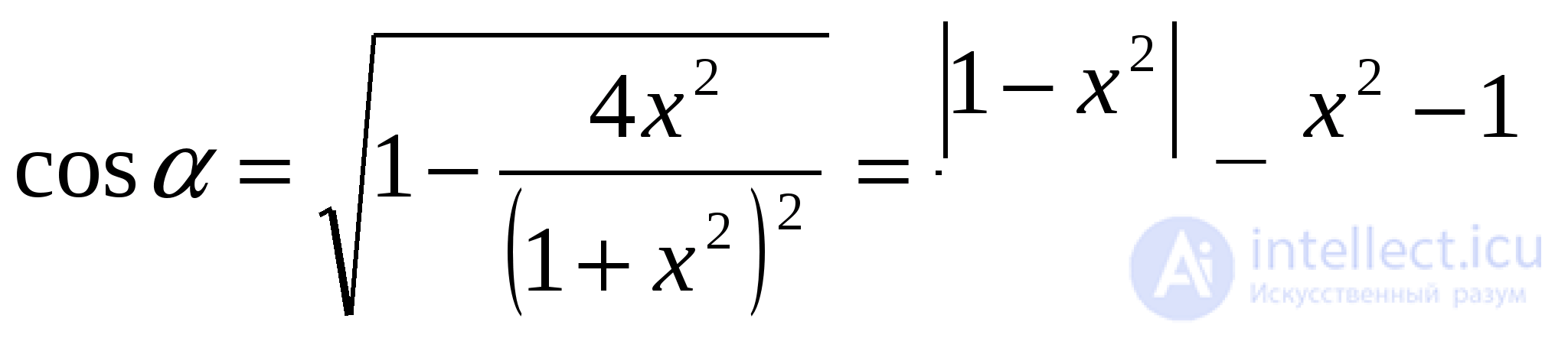
Example 3. Prove that the expression Inverse Trigonometric Functions: Arcsine, Arccosine, Arctangent, Arccotangent, Arcsecant, Arccosecant does not depend on Inverse Trigonometric Functions: Arcsine, Arccosine, Arctangent, Arccotangent, Arcsecant, Arccosecant, if Inverse Trigonometric Functions: Arcsine, Arccosine, Arctangent, Arccotangent, Arcsecant, Arccosecant and simplify it in this case.

Solution: Since Inverse Trigonometric Functions: Arcsine, Arccosine, Arctangent, Arccotangent, Arcsecant, Arccosecant we have Inverse Trigonometric Functions: Arcsine, Arccosine, Arctangent, Arccotangent, Arcsecant, Arccosecant Introduce the notation

Inverse Trigonometric Functions: Arcsine, Arccosine, Arctangent, Arccotangent, Arcsecant, Arccosecant

Inverse Trigonometric Functions: Arcsine, Arccosine, Arctangent, Arccotangent, Arcsecant, Arccosecant i.e. Inverse Trigonometric Functions: Arcsine, Arccosine, Arctangent, Arccotangent, Arcsecant, Arccosecant

Consequently,

Inverse Trigonometric Functions: Arcsine, Arccosine, Arctangent, Arccotangent, Arcsecant, Arccosecant

i.e. the given expression lies in an interval of monotonicity of the sine. Let us find

Inverse Trigonometric Functions: Arcsine, Arccosine, Arctangent, Arccotangent, Arcsecant, Arccosecant

Inverse Trigonometric Functions: Arcsine, Arccosine, Arctangent, Arccotangent, Arcsecant, Arccosecant

Inverse Trigonometric Functions: Arcsine, Arccosine, Arctangent, Arccotangent, Arcsecant, Arccosecant since Inverse Trigonometric Functions: Arcsine, Arccosine, Arctangent, Arccotangent, Arcsecant, Arccosecant

After substitution we obtain

Inverse Trigonometric Functions: Arcsine, Arccosine, Arctangent, Arccotangent, Arcsecant, Arccosecant

i.e. Inverse Trigonometric Functions: Arcsine, Arccosine, Arctangent, Arccotangent, Arcsecant, Arccosecant

Answer: Inverse Trigonometric Functions: Arcsine, Arccosine, Arctangent, Arccotangent, Arcsecant, Arccosecant

Example 4. Prove the equality

Inverse Trigonometric Functions: Arcsine, Arccosine, Arctangent, Arccotangent, Arcsecant, Arccosecant

Solution: Denote the term of the left-hand side by Then we have
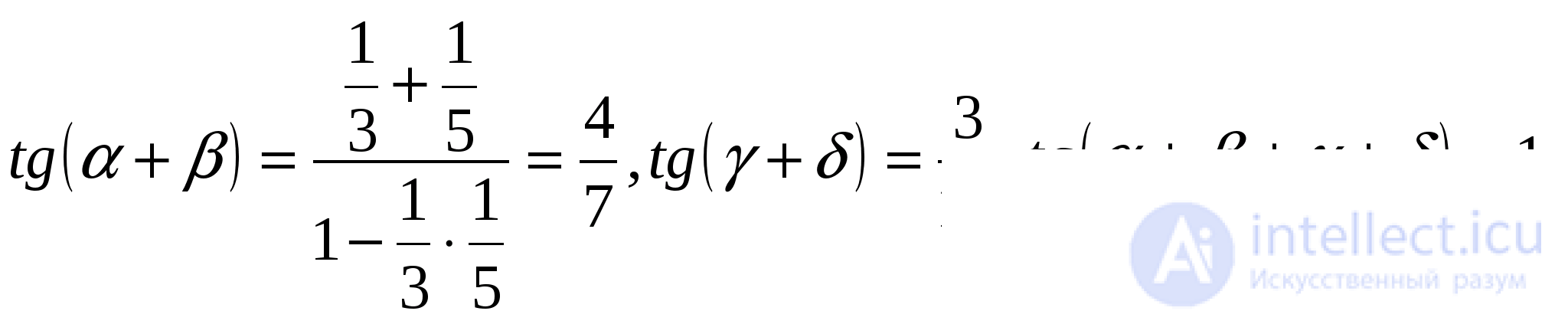
Inverse Trigonometric Functions: Arcsine, Arccosine, Arctangent, Arccotangent, Arcsecant, Arccosecant

Since Inverse Trigonometric Functions: Arcsine, Arccosine, Arctangent, Arccotangent, Arcsecant, Arccosecant we have Inverse Trigonometric Functions: Arcsine, Arccosine, Arctangent, Arccotangent, Arcsecant, Arccosecant

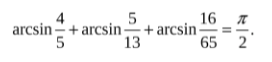
Example 5. Prove the equalityInverse Trigonometric Functions: Arcsine, Arccosine, Arctangent, Arccotangent, Arcsecant, Arccosecant

Inverse Trigonometric Functions: Arcsine, Arccosine, Arctangent, Arccotangent, Arcsecant, Arccosecant

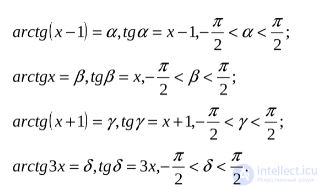
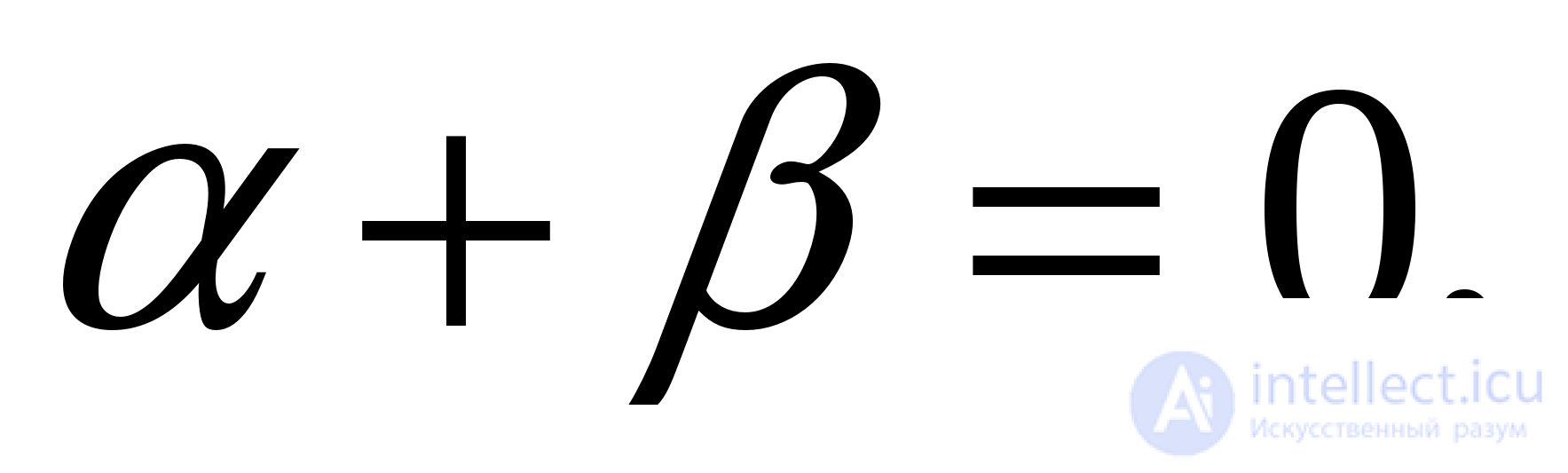
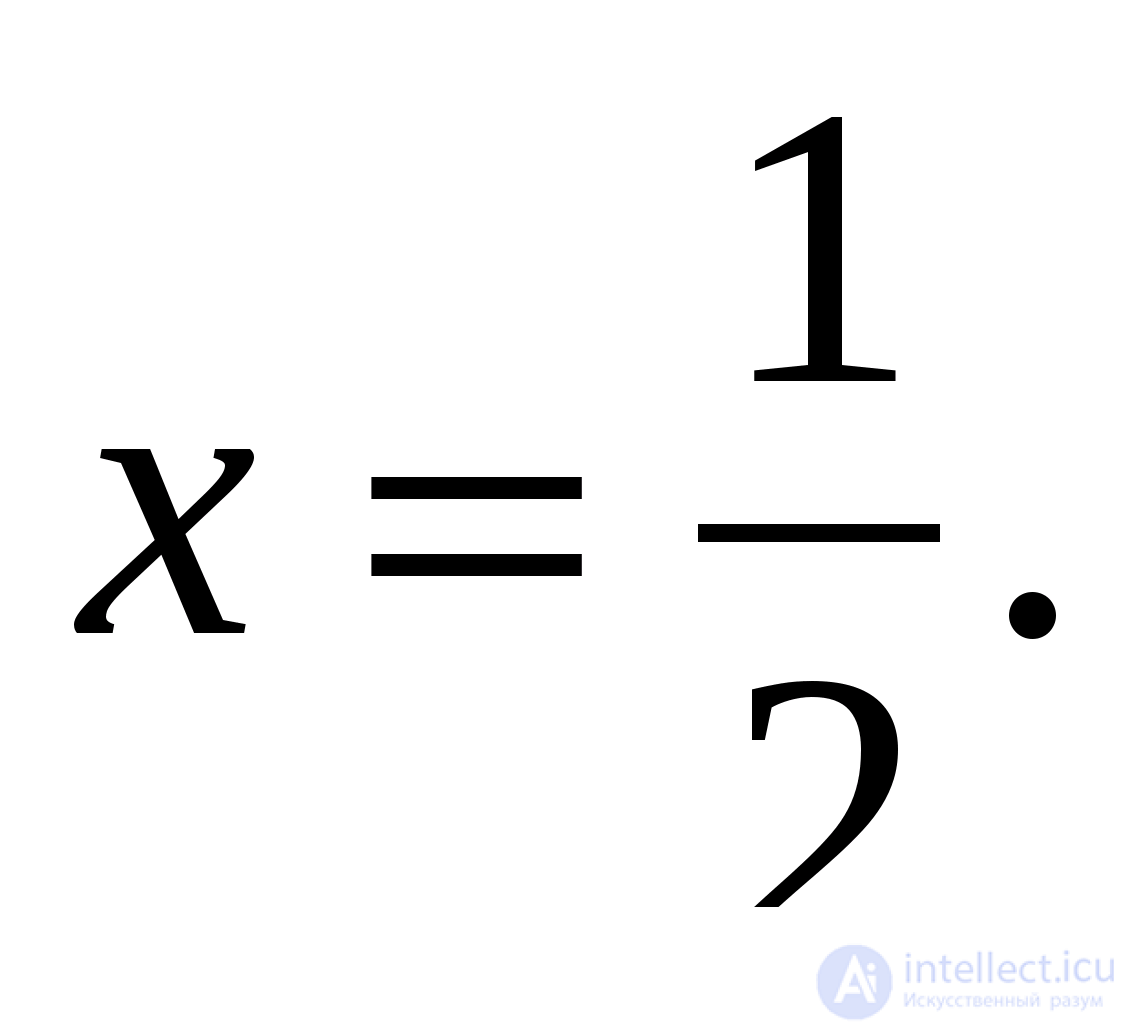
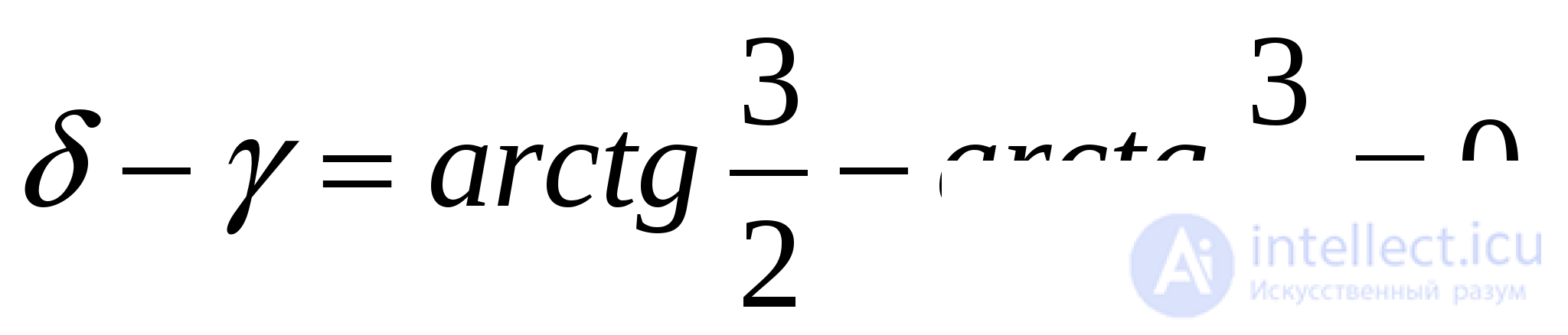
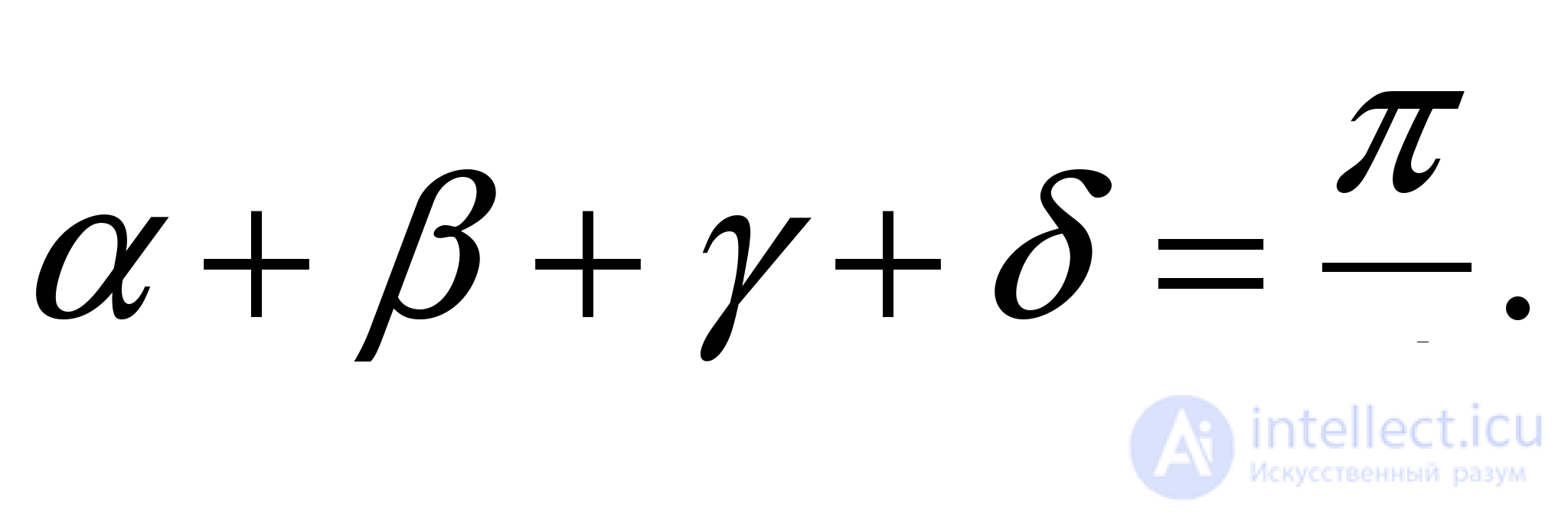
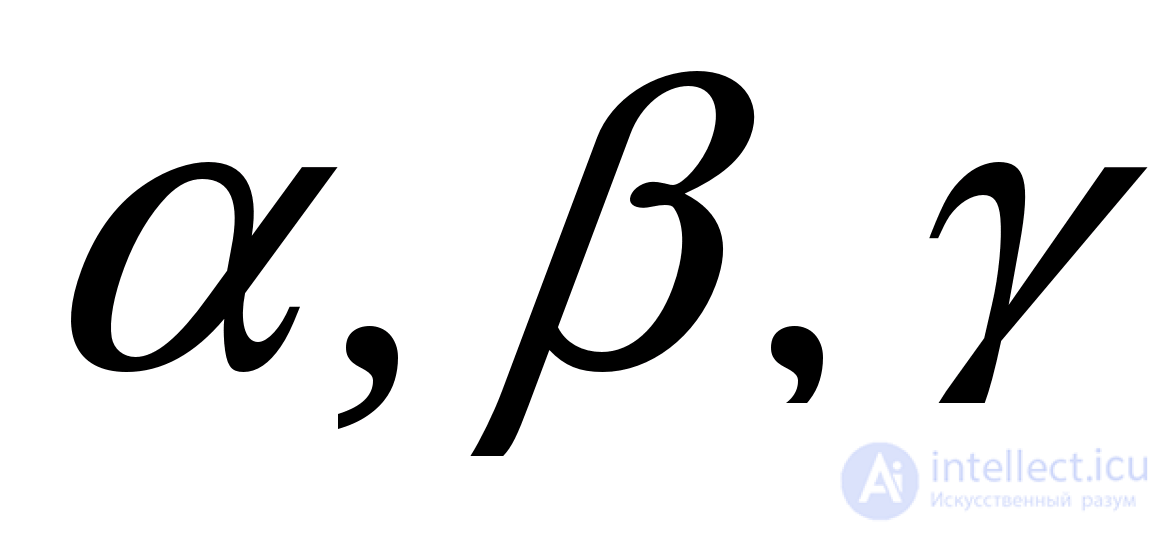
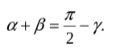
Solution: Denote the terms of the left-hand side by α, β, γ Then we have

Inverse Trigonometric Functions: Arcsine, Arccosine, Arctangent, Arccotangent, Arcsecant, Arccosecant

Next, Inverse Trigonometric Functions: Arcsine, Arccosine, Arctangent, Arccotangent, Arcsecant, Arccosecant

Taking into account that these are acute angles, we conclude that Inverse Trigonometric Functions: Arcsine, Arccosine, Arctangent, Arccotangent, Arcsecant, Arccosecant
See also

  • Trigonometric functions
  • Inverse hyperbolic functions
  • Denjoy–Luzin theorem
  • sine
  • cosine
  • tangent
  • cotangent
  • secant
  • cosecant

Comments

To leave a comment

If you have any suggestion, idea, thanks or comment, feel free to write. We really value feedback and are glad to hear your opinion.
To reply

Lectures and tutorial on "HANDBOOK ON MATHEMATICS, SCHOOL MATHEMATICS, HIGHER MATHEMATICS"

Terms: HANDBOOK ON MATHEMATICS, SCHOOL MATHEMATICS, HIGHER MATHEMATICS