
Lecture 41 min.
Alternative biochemistry refers to a range of theories and hypotheses that explain the possibility of life forms that differ partly or entirely, in their biochemistry, from those that arose on Earth. The differences discussed in these hypotheses include replacing carbon in the molecules of organic substances with other atoms, or replacing water as the universal solvent with other liquids. Such phenomena are often described in science fiction.
The possibility of biochemically different life is a common theme of science fiction, but it is also considered in a scientific research context. A recent example of such a discussion is a 2007 report on the limiting conditions for life, prepared by a committee of scientists under the United States National Research Council. This committee, chaired by John A. Baross, considered "hypothetical alternative chemistries of life," including a number of solvents that could serve as alternatives to water. In the draft titled "The Limits of Organic Life in Planetary Systems," it postulates that:
To date, the search for extraterrestrial life has been guided by a model of life based on the life we observe on Earth. Some features of terrestrial life have attracted particular attention:
 );
);As a consequence, most of NASA's planned missions concentrate on places where liquid water may be present, and they emphasize the search for structures resembling the cells of terrestrial organisms. This approach would be justified, given the lack of a general understanding of what life with an origin independent of Earth might look like. However, laboratory experiments give reason to expect that life could also be based on molecular structures that differ substantially from terrestrial ones.
The acronym CHNOPS, which stands for Carbon, Hydrogen, Nitrogen, Oxygen, Phosphorus, and Sulfur, represents the six most important chemical elements, whose covalent combinations make up most of the biological molecules on Earth . Sulfur is used in the amino acids cysteine and methionine . Phosphorus is an essential element in the formation of phospholipids, a subclass of lipids that are the main component of all cell membranes, because they can form lipid bilayers that keep ions, proteins, and other molecules where they are needed to carry out the cell's functions and prevent them from entering areas where they should not be. Phosphate groups are also an essential component of the backbone of nucleic acids .
| C | H | N | O | P | S | |
|---|---|---|---|---|---|---|
| Carbohydrates | X | X | X | |||
| Fats | X | X | X | |||
| Phospholipids | X | X | X | X | X | |
| Proteins | X | X | X | X | X | |
| Nucleotides | X | X | X | X | X | |
| Porphyrins | X | X | X | X |
All known living organisms use carbon compounds for their basic structural and metabolic functions, water as a solvent, and DNA or RNA to define and control their form. If life exists on other planets, it may be chemically similar. It is also possible that organisms with completely different chemical compositions exist. The existence, or at least the viability, of such forms of biochemistry has not yet been demonstrated.
The relative abundance of different elements is very important for determining whether they can take part in biochemistry. For reference, here are the fifteen most abundant elements in the human body (that is, those that make up at least 0.0001% of it) and in other systems, measured by number of atoms.
Relative abundance of elements (mole fraction) in various systems :
| Z | Element | Universe | Earth's crust | Seawater | Human body | Biological role |
|---|---|---|---|---|---|---|
| 1 | Hydrogen | 93 % | 3.1 % | 66.2 % | 62 % | Organic molecules |
| 8 | Oxygen | 0.08 % | 60 % | 33.1 % | 24 % | Organic molecules, respiration |
| 6 | Carbon | 0.05 % | 0.31 % | 0.00144 % | 12 % | Organic molecules |
| 7 | Nitrogen | 0.009 % | 0.0029 % | <0.0001 % | 0.22 % | Amino acids, nucleic acids |
| 15 | Phosphorus | <0.0001 % | 0.07 % | <0.0001 % | 0.22 % | ATP, nucleic acids, phospholipids |
| 20 | Calcium | 0.0002 % | 2.6 % | <0.0001 % | 0.22 % | Calmodulin, biomineralization |
| 16 | Sulfur | 0.002 % | 0.027 % | 0.0179 % | 0.039 % | Some amino acids, such as cysteine |
| 11 | Sodium | 0.0001 % | 2.1 % | 0.297 % | 0.038 % | Sodium-potassium pump |
| 19 | Potassium | <0.0001 % | 0.78 % | 0.00658 % | 0.032 % | Sodium-potassium pump |
| 17 | Chlorine | <0.0001 % | 0.01 % | 0.347 % | 0.021 % | Chloride-transporting ATPase (proton pump) |
| 12 | Magnesium | 0.003 % | 2.5 % | 0.0337 % | 0.007 % | Chlorophyll |
| 14 | Silicon | 0.003 % | 20 % | <0.0001 % | 0.0058 % | Biomineralization |
| 9 | Fluorine | <0.0001 % | 0.059 % | <0.0001 % | 0.0012 % | Fluorapatite (tooth enamel) |
| 26 | Iron | 0.002 % | 2.3 % | <0.0001 % | 0.00067 % | Hemoglobin, cytochromes |
| 30 | Zinc | <0.0001 % | 0.0025 % | <0.0001 % | 0.00032 % | Zinc finger proteins |
Scientists have had a good deal to say on the possibility of building organic molecules from other atoms, but no one has proposed a theory describing how the whole diversity of compounds needed for life could be reproduced.
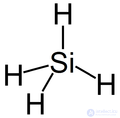
Among the most likely candidates for the structure-forming atom in an alternative biochemistry, silicon is most often named. It belongs to the same group of the periodic table as carbon, and their properties are in many ways similar. Like carbon, silicon can form molecules large enough to carry biological information . However, the silicon atom has a greater mass and radius. Silicon forms double or triple covalent bonds with relative difficulty, which may hinder the formation of biopolymers. Unlike carbon, silicon cannot form chemical bonds with many different types of atoms, which is required for the chemical versatility needed for metabolism; yet it is precisely this inability that makes silicon less susceptible to bonding with all kinds of impurities. The elements that form organic functional groups with carbon include hydrogen, oxygen, nitrogen, phosphorus, sulfur, and metals such as iron, magnesium, and zinc. Silicon, on the other hand, interacts with very few other types of atoms. Silicon compounds cannot be as diverse as carbon compounds.
This is because silicon atoms are much larger, with greater mass and atomic radius, and so they have difficulty forming double bonds (a double-bonded carbon is part of the carbonyl group, a fundamental motif of carbon-based bioorganic compounds).

An advantage that could lead to silicon-based variants of biochemistry is its zeolites, compounds that are used in chemistry and can filter and catabolize substances in a way similar to carbon-based enzymes. The basic mechanisms of life on our planet are made possible by enzymes, which are catalysts with their corresponding carriers (proteins). In the course of the biosphere's evolution, a whole collection of them has formed, each specializing in a function, such as hemoglobin, responsible for oxygen exchange, or ferredoxin, whose mission is electron transfer. The original idea is to replace these enzymes with silicon-based molecules. These materials are a kind of clay with a three-dimensional network molecular structure formed by tetrahedra of  and
and  linked together. This lattice has pores and cavities of molecular size, so only molecules small enough can pass through them. That is why they are also called molecular sieves. Zeolites have a large number of structural similarities to natural proteins. By exploiting these similarities, various catalysts can be created that combine the durability and chemical stability of zeolites with the high selectivity and molecular activity of enzymes. At the Central Research and Development Department of DuPont, zeolites were obtained that can model the behavior of hemoglobin, cytochrome P450, and an iron-sulfur protein.
Like carbon, silicon can form four stable bonds with itself and with other elements, as well as long chemical chains known as silane polymers, which are very similar to the hydrocarbons essential for life on Earth. Silicon is more reactive than carbon, which makes it optimal for extremely cold conditions.[10][11] Silicon compounds may be biologically useful at temperatures or pressures different from those at the Earth's surface, in a role (or in combination) that is less directly analogous to carbon. Polysilanols, which resemble sugars, are soluble in liquid nitrogen, which suggests that they may play a role in biochemistry at very low temperatures. Silanes, compounds of silicon and hydrogen similar to alkanes, are less stable than hydrocarbons. Silanes burn spontaneously in an oxygen-containing atmosphere at relatively low temperatures, so an oxygen atmosphere could be deadly for silicon-based life. On the other hand, it should be kept in mind that alkanes are generally quite flammable, yet carbon-based life on Earth does not store energy directly in the form of alkanes, but in the form of sugars, lipids, alcohols, and other hydrocarbon compounds with entirely different properties. Water as a solvent would also react with silanes. But, again, this matters only if, for some reason, silanes are used or mass-produced by such organisms.
At the same time, silicones, polymers consisting of chains of alternating silicon and oxygen atoms, are more heat-resistant. On this basis, it is assumed that silicon life could exist on planets with an average temperature considerably higher than Earth's. In that case, the role of the universal solvent would have to be played not by water but by compounds with a considerably higher boiling point.
For example, it is assumed that silicon compounds would be more stable than carbon molecules in a sulfuric acid environment, that is, under conditions that may exist on other planets[12]. In general, however, complex molecules with a silicon-oxygen chain are less stable than their carbon-oxygen analogs. Hydrocarbons and organic compounds are abundant in meteorites, comets, and interstellar clouds, whereas their silicon analogs have never been found in nature. Silicon, however, forms complex one-, two-, and three-dimensional polymers in which oxygen atoms form bridges between silicon atoms. These are called silicates. They are stable and widespread under terrestrial conditions and have been proposed as the basis for a pre-carbon form of evolution on Earth.
Silicon dioxide (the main component of sand), the analog of carbon dioxide, is a hard, poorly soluble substance. This creates difficulties for the uptake of silicon into biological systems based on aqueous solutions, even if it turns out that biological molecules based on it can exist. A similar situation applies to existing land plants. For example, rice can accumulate up to 10% silicon of the dry weight of its shoots, which is within the range of, or even higher than, the levels of major macronutrients such as nitrogen, phosphate, and potassium. Two transporters (Lsi1 and Lsi2) responsible for rice's high capacity for silicon uptake have recently been identified[13]. Lsi1 belongs to the nodulin-26 intrinsic protein subgroup of aquaporins (NIP III) and is a transporter of silicic acid[14]. Like other macronutrients, silicon is unavailable to plants because it is insoluble in water. However, as with nitrogen, plants use natural biofertilizers, for example nitrogen-fixing bacteria, which convert atmospheric nitrogen into a bound state, making it available for uptake by plants, and with which plants are often in symbiosis. Silicon-based organisms, if they breathe oxygen, would probably release silicon dioxide ( ) as a byproduct, just as carbon-based organisms release carbon dioxide,
  . However, unlike carbon dioxide, silicon dioxide would be solid and could therefore clog the airways with sand. One can, however, imagine excretory organs comparable to kidneys, which in the case of this hypothetical biochemistry would remove a kind of silicate gel from the body. After all, as waste products, nitrogen compounds are removed in animals mainly in the form of urea. Or silicate compounds might be excreted in solid form, as some desert lizards, for example, excrete uric acid through their nostrils[note 1]. Silicon dioxide (given the impurities always present in living tissues and probably preventing crystallization) exists in a state of aggregation ranging from liquid to so-called glassy, and therefore becomes more fluid the higher the temperature. Silicon life could then consist of a melt of "silicon-biological molecules" in silicon dioxide over a wide temperature range.
Of all the diversity of molecules that have been detected in the interstellar medium, 84 are carbon-based and only 8 are silicon-based[15]. Moreover, of these 8 compounds, 4 include carbon. (This indirectly points to a small possibility of an intermediate, silicon-carbon variant of biochemistry.) The approximate ratio of cosmic carbon to cosmic silicon is 10 to 1. This gives grounds to suppose that complex carbon compounds are more widespread in the Universe, reducing the chance of silicon-based life forming, at least under the conditions that can be expected on the surfaces of planets with Earth-like conditions.
Earth, like the other terrestrial planets, has a lot of silicon and very little carbon. Yet terrestrial life developed on the basis of carbon. This is evidence that carbon is better suited to forming biochemical processes on planets like ours. The possibility remains that, under other combinations of temperature and pressure, silicon could take part in forming biological molecules as a replacement for carbon.
Chemists have worked tirelessly on creating new silicon compounds ever since Frederic Stanley Kipping (1863—1949) showed that it was indeed possible to make several interesting compounds. The highest international award in the chemistry of silicon compounds is called the Kipping Award. But despite years of work, and despite all the reagents available to modern scientists, many silicon analogs of carbon compounds simply cannot be made. Thermodynamic data confirm that these analogs are often too unstable or too reactive.
In water, silica is present in the form of silicic acid:
 , or
, or  .
.
When the concentration of the solution increases at a pH below 9, or when the pH of a saturated solution decreases, silicic acid precipitates as amorphous silica. Although silicon is one of the most abundant elements in the Earth's crust, its availability to diatoms is limited by its solubility. The average silicon content of seawater is about 6 ppm. Marine diatoms quickly deplete the supply of dissolved silica in the surface water layer, and this limits their further reproduction.
It should be noted that silicon compounds (in particular silicon dioxide) are used by some organisms on Earth. Among them, diatoms form their shells from it, obtaining silicon from the water. Radiolarians, some sponges, and plants also use silicon compounds as a structural material. Silicon is also a component of human connective tissue.
On November 25, 2016, researchers reported in the journal Science[16] that they had discovered proteins, commonly found in bacteria from Icelandic hot springs, that can form molecules with carbon-silicon bonds in living cells. "What exists in nature is already poised to create this entirely new chemistry, and does so relatively well," says co-author Frances Arnold, a chemical engineer at the California Institute of Technology in Pasadena. "This opens the way to creating compounds that nature has never made before. Soon we may find out what costs and benefits they bring to living biosystems." "This is by no means an identical replacement," says Arnold. "Life under normal conditions on this planet probably will not work with silicon. Presumably, we could create components of life that include silicon, perhaps silicon fat or silicon-containing proteins, and ask how life relates to it... Does it provide new functions that were not previously present in life?"
Also in November 2016, it was announced that the same team of scientists had "evolved" a bacterial protein that can create artificial silicon-carbon bonds. "We decided to get nature to do what only chemists could do, only better," says Frances Arnold. This study is also the first to show that nature can adapt to incorporate silicon into carbon-based molecules, the building blocks of life. "No living organism links silicon-carbon bonds together, even though silicon is so abundant around us...," says Jennifer Kan, a researcher in Arnold's laboratory. The researchers used a method called directed evolution, first proposed by Arnold in the early 1990s, in which new and better enzymes are created in laboratories through artificial selection, much as breeders modify corn. Enzymes are a class of proteins that catalyze, or facilitate, chemical reactions. The directed evolution process begins with an enzyme that scientists want to improve. The DNA encoding the enzyme is mutated more or less randomly, and the resulting enzymes are tested for the desired trait. The most effective enzyme is then mutated again, and the process is repeated until an enzyme is created that works much better than the original.
An ideal candidate turned out to be a protein from a bacterium that grows in the hot springs of Iceland. This protein, called cytochrome c, normally transfers electrons to other proteins, but the researchers found that it also acts as an enzyme, creating silicon-carbon bonds at low levels. The scientists then mutated the DNA encoding this protein in the region that defines the iron-containing part of the protein, which is believed to be responsible for its silicon-carbon bond-forming activity. They then tested these mutant enzymes for their ability to create organosilicon compounds better than the original.
In just three rounds of testing, they created an enzyme that can selectively create silicon-carbon bonds 15 times more efficiently than the best catalyst invented by chemists. As to whether life could evolve to use silicon on its own, Arnold says that is up to nature. "This research shows how quickly nature can adapt to new challenges," she says. "The cell's DNA-encoded catalytic machinery can quickly learn to promote new chemical reactions if we provide new reagents and the appropriate incentive in the form of artificial selection. Nature could have done this on its own, if it had so wished."[17]
Nitrogen and phosphorus are considered other contenders for the basis of biological molecules. Like carbon, phosphorus can form chains of atoms that could, in principle, form complex macromolecules, if it were not so reactive. However, in combination with nitrogen, more complex covalent bonds can form, which makes possible a great diversity of molecules, including ring structures.
Earth's atmosphere is about 78% nitrogen, but because of the inertness of diatomic nitrogen, the energy "price" of forming a triple bond is too high. At the same time, some plants can fix nitrogen from the soil in symbiosis with anaerobic bacteria living in their root systems. If a significant amount of nitrogen dioxide or ammonia is present in the atmosphere, the availability of nitrogen would be higher. In addition, other nitrogen oxides may exist in the atmospheres of other planets.
Like plants on Earth (for example, legumes), alien life forms could assimilate nitrogen from the atmosphere. In that case, a process similar to photosynthesis could develop, in which the energy of the nearest star would be spent on forming analogs of glucose, with oxygen released into the atmosphere. In turn, animal life, standing above plants in the food chain, would take up nutrients from them, releasing nitrogen dioxide into the atmosphere and phosphorus compounds into the soil.
In an ammonia atmosphere, plants with molecules based on phosphorus and nitrogen would obtain nitrogen compounds from the atmosphere surrounding them, and phosphorus from the soil. In their cells, ammonia would be oxidized to form analogs of monosaccharides, with hydrogen released as a byproduct. In this case, animals would breathe in hydrogen, breaking down analogs of polysaccharides into ammonia and phosphorus; that is, the energy chains would form in the reverse direction compared with those existing on our planet (where we have ammonia here, methane would be common instead).
The debate on this topic is far from over, since some steps of the phosphorus- and nitrogen-based cycle are energy-deficient. It also seems questionable that these elements occur in the Universe in the proportions necessary for the emergence of life.
Nitrogen and boron atoms bonded together imitate, to a certain extent, the carbon–carbon bond. For example, borazine  is known, which is sometimes called "inorganic benzene" (it would be more correct to call it "non-carbon benzene"). Still, a combination of boron with nitrogen cannot produce the whole variety of chemical reactions and compounds known in carbon chemistry. Nevertheless, the fundamental possibility of such a substitution in the form of certain individual fragments of artificial (or alien) biomolecules cannot be completely ruled out.
At very high pressure (~460 GPa), compounds of nitrogen and hydrogen are chemically even more diverse than hydrocarbons, which opens up the prospect of derivatives more diverse and numerous than all existing organic compounds, and possibly even of life built on an alternative nitrogen–hydrogen chemistry. Suitable conditions for a nitrogen–hydrogen biochemistry may occur in the interiors of giant planets, which contain huge amounts of nitrogen and hydrogen under such pressure.
In December 2010, NASA Astrobiology Research fellow Felisa Wolfe-Simon reported the discovery of the bacterium GFAJ-1 from the family Halomonadaceae, capable under certain conditions of replacing phosphorus with arsenic[20][21][22].
Arsenic, which is chemically similar to phosphorus, although poisonous to most forms of life on Earth, is incorporated into the biochemistry of some organisms. Some marine algae incorporate arsenic into complex organic molecules such as arsenosugars and arsenobetaines. Fungi and bacteria can produce volatile methylated arsenic compounds. Arsenate reduction and arsenite oxidation have been observed in microbes (Chrysiogenes arsenatis). In addition, some prokaryotes can use arsenate as a terminal electron acceptor during anaerobic growth, and some can use arsenite as an electron donor to generate energy.
It has been suggested that the earliest forms of life on Earth may have used arsenic biochemistry instead of phosphorus in the structure of their DNA. A common objection to this scenario is that arsenate esters are so much less resistant to hydrolysis than the corresponding phosphate esters that arsenic is simply unsuitable for this function.
The authors of a 2010 geomicrobiological study, partly supported by NASA, proposed that a bacterium named GFAJ-1, collected from the sediments of Mono Lake in eastern California, may be able to use such "arsenic DNA" when cultured without phosphorus. They suggested that the bacterium might use high levels of poly-β-hydroxybutyrate or other means to reduce the effective concentration of water and stabilize arsenate esters. This hypothesis was sharply criticized almost immediately after publication for the alleged lack of appropriate experimental controls. Science writer Carl Zimmer contacted several scientists for an assessment: "I reached out to a dozen experts… Almost unanimously, they think the NASA scientists have failed to make their case." Other authors were unable to reproduce the results and showed that the study had problems with phosphate contamination, suggesting that the low amounts present could sustain extremophilic forms of life. Alternatively, it was suggested that GFAJ-1 cells grow by recycling phosphate from degraded ribosomes rather than by replacing it with arsenate. The results of subsequent experimenters refuted the theory of arsenic incorporation into DNA[23][24].
Steven Benner, a Distinguished Fellow of the Foundation for Applied Molecular Evolution (USA), noted in his remarks at the press conference at NASA headquarters that although arsenic resembles phosphorus in its chemistry, when built into the structure of DNA and RNA it is nevertheless a "weak link," since the chemical bonds it forms are easily broken because of the high reactivity of the arsenic atom.
At the same time, the increased reactivity of arsenic, which adversely affects the stability of biological molecules at room temperature, may turn out to be useful if a biological molecule has to perform its functions at low temperatures, such as those on Saturn's moon Titan.
Theories about the possibility of life on Titan were put forward in 2005 on the basis of newly obtained observations. However, Titan is significantly colder than Earth, so there is no liquid water on its surface. On the other hand, Titan has lakes of liquid methane and ethane, as well as rivers and entire seas of them, and they can also fall as precipitation, like rain of water on Earth. Some scientific models show that Titan may support non-water-based life (see), although not all scientists agree with these theories, since they are still the subject of wide discussion and debate in the scientific community, including at NASA[25][26][27].

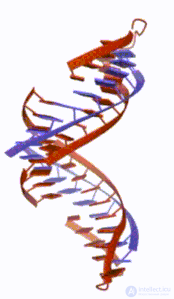
One hypothesis about the origin of life proposes that the original life on Earth may have been based on PNA (peptide nucleic acids) and that the "PNA world" was later transformed into the "RNA world." The main arguments are the greater chemical stability and simplicity of PNA compared with RNA, which would allow PNA to evolve and survive in primitive prebiotic conditions. At the same time, PNA carries the necessary information in the form of nucleotides. However, the main gap in this theory is the absence of PNA molecules with catalytic activity that would allow PNA replication.
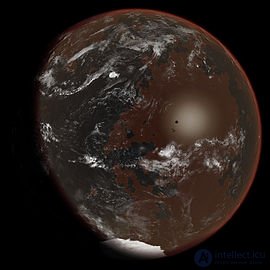
In addition to carbon compounds, all currently known terrestrial life also requires water as a solvent. The various properties of water that are important for life processes include the wide range of temperatures over which it is liquid, a high heat capacity that helps regulate temperature, a large heat of vaporization, and the ability to dissolve a wide range of compounds. Water is also amphoteric, meaning that it can donate or accept a proton, allowing it to act as an acid or a base. This property is crucial in many organic and biochemical reactions, where water serves as a solvent, a reactant, or a product. There are other chemicals with similar properties that have sometimes been proposed as alternatives to water. Water is liquid at a pressure of 1 atm in the range from 0 °C to 100 °C, but there are other solvents, for example sulfuric acid, that remain liquid up to temperatures of 200 °C and more[28].
Ammonia is often considered the most likely solvent (after water) for the emergence of life on some planet. At a pressure of 100 kPa (1 atm) it is liquid at temperatures from −78 to −33 °C. The ammonia molecule ( ), like the water molecule, is widespread in the Universe, being a compound of hydrogen (the simplest and most abundant element) with another very abundant element, nitrogen. The possible role of liquid ammonia as an alternative solvent for life is an idea that goes back at least to 1954, when J. B. S. Haldane raised the topic at a symposium on the origin of life.
Numerous chemical reactions are possible in an ammonia solution, and liquid ammonia is chemically similar to water. Ammonia can dissolve most organic molecules at least as well as water does, and in addition it is able to dissolve many elemental metals. Haldane noted that various common organic compounds associated with water have ammonia-related analogs; for example, the ammonia-related amino group ( ) is analogous to the water-related hydroxyl group (
 ).
).
Ammonia, like water, can accept or donate an  ion. When ammonia accepts an , it forms the ammonium cation (
 ), analogous to hydronium (
 ). When it donates an ion, it forms the amide anion (
 ), analogous to the hydroxide anion (
 ). However, compared with water, ammonia is more inclined to accept an ion and less inclined to donate it; it is a stronger nucleophile. Ammonia added to water acts as an Arrhenius base: it increases the concentration of the hydroxide anion. Conversely, using the solvent-system definition of acidity and basicity, water added to liquid ammonia acts as an acid, because it increases the concentration of the ammonium cation. The carbonyl group (), which is widely used in terrestrial biochemistry, would not be stable in an ammonia solution, but the analogous imine group (
 ) could be used instead.
Nevertheless, ammonia has some problems as a basis for life. Hydrogen bonds between ammonia molecules are weaker than in water, which means that the heat of vaporization of ammonia is half that of water and its surface tension is up to a third of it, and the ability to concentrate nonpolar molecules through the hydrophobic effect is also reduced. Gerald Feinberg and Robert Shapiro questioned whether ammonia could hold prebiotic molecules well enough to allow a self-replicating system to emerge. Ammonia is also flammable in oxygen and cannot exist stably in an environment suitable for aerobic metabolism. Liquid ammonia resembles water in a number of properties, but it should be noted that when it freezes, solid ammonia does not float but sinks (unlike water ice).
Therefore, an ocean consisting of liquid would easily freeze to the bottom. In addition, choosing ammonia as the solvent rules out the benefits of using oxygen as a biological reagent. However, this does not exclude the possibility of alternative life arising on planets where ammonia is present in a mixture with water[29]. An ammonia-based biosphere would likely exist at air temperatures or pressures that are extremely unusual relative to life on Earth. Life on Earth generally exists within the melting and boiling points of water at normal pressure, between 0 °C (273 K) and 100 °C (373 K); at normal pressure the melting and boiling points of ammonia lie between −78 °C (195 K) and −33 °C (240 K). Chemical reactions generally proceed more slowly at lower temperatures. Therefore, ammonia-based life, if it exists, may metabolize more slowly and evolve more slowly than life on Earth.[30]On the other hand, lower temperatures may also allow living systems to use chemicals that would be too unstable at Earth's temperatures to be useful.[31]
Ammonia can be a liquid at Earth-like temperatures, but at much higher pressures; for example, at 60 atm ammonia melts at −77 °C (196 K) and boils at 98 °C (371 K).[32]
Mixtures of ammonia and water remain liquid at temperatures far below the freezing point of pure water, so such a biochemistry could be well suited to planets and moons orbiting outside the water-based habitable zone. Such conditions may exist, for example, beneath the surface of Saturn's largest moon, Titan.[33]
In a number of properties hydrogen fluoride resembles water. For instance, it is also capable of forming intermolecular hydrogen bonds. However, one should bear in mind that in the observable universe there are 10,000 oxygen atoms for every fluorine atom, so it is hard to imagine conditions on any planet that would favor the formation of an ocean consisting of  rather than
  .
.
Another serious argument against such a possibility is that the solid surface of most planets (those that have one), apart from some exotic hypothetical planets (an iron planet, a carbon planet), consists of silicon dioxide and aluminosilicates, with which hydrogen fluoride reacts according to the reaction:


 .
.
Hydrocyanic acid  is also capable of forming hydrogen bonds, but unlike it consists of elements that are widespread in the Universe. Moreover, this compound is believed to have played a significant role in the prebiological chemistry of Earth, for example in the formation of amino acids, nucleotides and other components of the "primordial soup."
Nevertheless, hydrogen cyanide is not suitable as a possible solvent for alternative life, if only because this compound is thermodynamically unstable. Liquid hydrogen cyanide fairly quickly polymerizes into a tar-like substance, especially in the presence of catalysts (which can be acids, bases, clay and many rocks), and sometimes the decomposition of  proceeds explosively. For these reasons is unable to form an ocean on any planet.
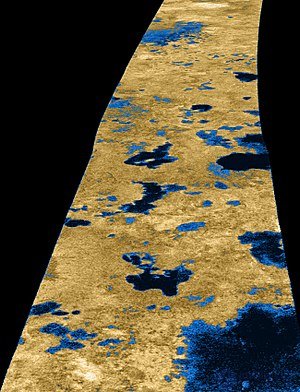
Life may exist in the liquid methane and ethane on the surface of Titan, which take the form of rivers and lakes, just as organisms on Earth live in water. Such beings would use  instead of
  , would react with acetylene instead of glucose, and would produce methane rather than carbon dioxide. There is debate about the effectiveness of methane as a solvent for life compared with water: water is a more powerful solvent than methane, which allows it to transport substances into a cell more easily, but the lower chemical reactivity of methane allows it to form large structures, such as proteins and the like, more easily.
Another suggestion is that organisms living in a liquid methane or ethane environment could use different compounds as a solvent. For example, phosphine ( ) and simple compounds of phosphorus and hydrogen. Like water and ammonia, phosphine is polar, but it exists as a liquid at lower temperatures than ammonia or water. In liquid ethane, phosphine takes the form of separate droplets, which means that cell-like structures could exist without cell membranes.
A hypothetical cell membrane called an azotosome, capable of functioning in liquid methane under Titan conditions, was modeled (on a computer) in a paper published in February 2015. It is thought to be composed of acrylonitrile, a small molecule containing carbon, hydrogen and nitrogen, and to have stability and robustness. Its flexibility in liquid methane is comparable to that of a phospholipid bilayer (the type of cell membrane possessed by all life on Earth) in liquid water. An analysis of data obtained with the Atacama Large Millimeter/submillimeter Array, completed in 2017, confirmed the presence of a significant amount of acrylonitrile in Titan's atmosphere.
One possible solvent in an anhydrous environment is titanium tetrachloride. Its important advantage is its polarity. Moreover, its liquid temperature range is almost twice as wide as that of water.
An interesting feature of sulfuric acid is that this substance becomes an acid only in the presence of water. But water would not be released during the polymerization of sugar and amino acid molecules if sulfur atoms took the place of oxygen atoms in the organic molecules. Such "sulfur" organisms would have to exist at a markedly higher temperature and in an ocean of oleum (anhydrous sulfuric acid). Such conditions exist on Venus. Because molecular oxygen, which could form an ozone layer protecting against ultraviolet radiation, is not produced, this creates difficulties for life emerging onto land. This may explain why life on Venus has not been found so far, although there is indirect evidence: the presence, in the same regions, of  and
and  , which cannot coexist unless something or someone constantly produces them[34]. According to the latest data, a thin ozone layer was also detected on Venus, which, according to scientists, forms from carbon dioxide in the upper layers of the atmosphere under the influence of sunlight[35].
Theoretically, oxygen could be replaced by other chalcogens, but these elements are extremely rare, which makes life based on them unlikely. It is also worth noting that anaerobic organisms are known that use other elements as electron acceptors.
The least noticeable globally, but the most studied, of the possible changes is the use of alternative metalloproteins to carry oxygen in the blood. Even Earth's biosphere can use not only hemoglobin but also hemocyanin (copper-based), hemerythrin (an iron-containing protein of a very different structure), cobaloglobin (cobalt-based, obtained under laboratory conditions), pinnaglobin (manganese-based) and others.
Organisms that do not use oxygen for respiration would undoubtedly use other transport compounds.
In Earth's living nature, all amino acids have the L-configuration and carbohydrates have the D-configuration, except in extremely rare cases, for example components of the envelope of the anthrax pathogen. In principle, one can imagine a "mirror world" in which living organisms have the same biochemical basis as on Earth, except that it is completely mirror-symmetric: in such a world, life could be based on D-amino acids and L-carbohydrates. Such a possibility does not contradict any of the laws of nature known today.
One of the paradoxes of such a hypothetical world is that a person who ended up in it (a mirror copy of Earth) could starve to death despite an abundance of food all around[36]:13. In addition, eating "mirror" molecules could cause poisoning[36]:12—13.
In the book "Evolving the Alien", the biologist Jack Cohen (Jack Cohen) and the mathematician Ian Stewart (Ian Stewart) argue that astrobiology based on the Rare Earth hypothesis is "limited and dreary". They suggested that Earth-like planets may be rare, but complex forms of life could arise under other conditions as well.
Still more speculative ideas concern the possibility of life on bodies quite different from Earth-like planets. The astronomer Frank Drake, a well-known advocate of the search for extraterrestrial life, proposed life on neutron stars: creatures with a life cycle millions of times faster than that of terrestrial organisms, made up of super-small "nuclear molecules"[37]. Described as "fanciful and sly", this idea became widespread in science fiction[38]. In 1976 Carl Sagan considered the possibility of organisms floating in the upper atmosphere of Jupiter[39][40]. Cohen and Stewart also considered the possibility of life in the atmospheres of gas giants and even on the Sun.
Some thinkers, for example Tsiolkovsky, believed that life could take the form of plasmoids, capable under certain conditions of maintaining their shape and reproducing themselves, with ball lightning as their prototype. Recently, thanks to computer modeling, the possibility of plasma life forms has received some theoretical justification[41].
The list of scientists who have considered possible alternatives to "carbon-water" biochemistry includes:

Comments