Это продолжение увлекательной статьи про примеры заблуждений.
...
want to get involved” — an attitude later attributed to all the residents who saw or heard part of the attack.
The Rolling Stones were not performing “ Sympathy for the Devil ” in 1969 at Altamont when Meredith Hunter was stabbed by a member of a local Hells Angels chapter serving as security. While the incident that ended in Hunter's death began while the band was performing that song, prompting a brief pause before the Stones finished it, it actually concluded several songs later, while the band was performing " Under My Thumb ". The misconception arose from erroneous reporting in Rolling Stone .
While one architectural journal had praised it, before it was even built, as “the best high apartment of the year”, the Pruitt–Igoe housing project in St. Louis, Missouri , regarded as the embodiment of the failures of urban renewal in American cities after it was demolished in the early 1970s, never actually received any awards for its design. The architectural firm that designed the buildings did win an award for an earlier project in St. Louis, which may have been mistaken for the Pruitt-Igoe project.
Although the Moscow–Washington hotline is widely known as the “red telephone”, it was never a telephone line, and red telephones were never used. When the hotline was first set up it used teletype equipment, which in 1988 was replaced by facsimile (fax) machines. Since 2008, the hotline has been a secure computer link over which the two countries exchange emails . Moreover, the hotline connects the Kremlin to the Pentagon , not the White House .
Anti-war protesters did not spit on veterans returning from the Vietnam War in the United States. The myth that activists attacked returning veterans was created by later films such as “ Rambo”, and was picked up by politicians.
Russia has no clear-cut independence day, and no date officially marks such an event. Many states existed before the present-day Russian Federation, and the public holiday — Russia Day — commemorates only the founding of modern Russia, which took place on 12 June 1990. Both Russians and foreigners commonly call Russia Day "Russia's independence day", since it reflects the break with the Soviet Union, which ruled over Russia from 1918 to 1991.
Science and technology
Scientific misconceptions
See also: Tornado myths and Urban legends about drugs
Astronomy and space flight

Satellite image of a section of the Great Wall of China running diagonally from the lower left corner to the upper right (not to be confused with the much more prominent river running from the upper left corner to the lower right). The pictured region measures 12 by 12 kilometres (7.5 × 7.5 miles).
Biology
See also: Common misconceptions about genetics
Vertebrates
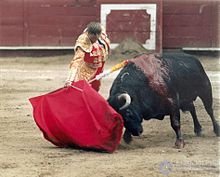
The colour red does not enrage a bull.
- Old elephants on the verge of death do not leave their herd and instinctively head for a particular place, known as an elephant graveyard, to die.
- Bulls are not enraged by the colour red used in the capes of professional matadors. Cattle are dichromats, so red does not stand out as a bright colour to them. It is not the colour of the cape but the perceived threat from the matador that provokes it to attack.
- Dogs do not sweat by salivating. Dogs do have sweat glands, and not only on the tongue; they sweat mainly through their paw pads. Nevertheless, dogs primarily regulate their body temperature through panting. (Dog anatomy).
- Dogs do not age seven times faster than humans. The rate at which dogs age varies greatly by breed; some breeds, such as giant dog breeds and English bulldogs, have a much shorter lifespan than average. Most dogs of all breeds age steadily during their first year of life, reaching adolescence by one year of age; smaller and medium-sized breeds begin to age more slowly in adulthood.
- Lemmings do not jump off cliffs in mass suicidal dives during migration. This misconception was popularised by the Disney film “ White Wilderness” , in which many of the migration scenes (also staged using footage of several different groups of lemmings) were filmed on a large snow-covered turntable in a studio. Photographers later pushed the lemmings off the cliff. The misconception itself is much older, dating back at least to the late 19th century, although its exact origin is unknown.
- Bats are not blind. While around 70 percent of bat species, mostly from the microbat family, use echolocation for navigation, all bat species have eyes and are able to see. In addition, almost all bats from the megabat, or fruit bat, family cannot echolocate and have excellent night vision.
- Ostriches do not bury their heads in the sand to hide from predators or to sleep. The origins of this misconception are unclear, but it was probably popularised by Pliny the Elder (23–79 A.D.), who wrote that ostriches “imagine, when they have thrust their head and neck into a bush, that the whole of their body is concealed”.
- A duck's quack does produce an echo, although under some circumstances this echo can be difficult for people to hear.
- Frogs die instantly when dropped into boiling water rather than jumping out; moreover, frogs will try to escape cold water that is slowly heated up to their critical thermal maximum.
- A goldfish's memory lasts far longer than a few seconds, and can last up to several months.
- Sharks can get cancer. The misconception that sharks do not get cancer was popularised in 1992 by Avery Publishing's edition of William Lane's book “ Sharks Don't Get Cancer ” and was used to sell shark cartilage extracts for cancer prevention. There are reports of carcinomas in sharks, and current evidence does not support any conclusions about the prevalence of tumours in sharks.
- Great white sharks do not mistake divers for pinnipeds. Their attack behaviour toward seals and toward humans differs greatly: when attacking a seal, a great white shark strikes quickly and forcefully. Attacks on humans, by contrast, are more relaxed and slow: the shark approaches at a normal pace, bites, and swims away. Great white sharks have good vision and colour vision; the bite is not predatory but rather a way of identifying an unfamiliar object.
- There is no “alpha” in a wolf pack. The early study that introduced the term “alpha wolf” observed only unrelated adult wolves living in captivity. In the wild, wolf packs are more like human families: there is no fixed sense of rank, parents are in charge until the young grow up and start families of their own, young wolves do not overthrow the “alpha” to become the new leader, and struggles for social dominance are situational.
- A snake's jaw cannot dislocate. The rear end of the lower jaw bones contains a quadrate bone that allows the jaw to expand. The front tips of the lower jaw bones are joined by a flexible ligament that lets them bow outward, increasing the gap in the mouth.
- Tomato juice is largely ineffective at neutralising skunk odour; it works only because of olfactory fatigue. The Humane Society of the United States recommends a mixture of diluted hydrogen peroxide (3%), baking soda, and dish soap for dogs that have been sprayed.
- Porcupines do not shoot their quills. They can detach, but they are not projected.
- Mice have no particular appetite for cheese and will eat it only for lack of better options. In fact, mice prefer sweet and sugary food. It is unclear where this myth originated.
- There is no credible evidence that the candiru, a South American parasitic catfish, can swim up a person's urethra if they urinate in water where it lives. The only documented case of such an incident, written up in 1997, was sharply criticised in peer review, and the phenomenon is now largely considered a myth.
- The bold, powerful cry usually associated with the bald eagle in popular culture is actually made by the red-tailed hawk. The bald eagle has a softer, more twittering call.
Invertebrates

Bombus pratorum over a flower head of
Echinacea purpurea ; it is widely believed that bumblebees should not be able to fly.
- Earthworms do not turn into two worms when cut in half. Only a limited number of earthworm species are capable of anterior regeneration. When such earthworms are split in half, only the front half of the worm (where the mouth is) can feed and survive, while the other half dies. Some species of flatworm planarians, however, do actually become two new planarians when cut or split in half.
- The average lifespan of a housefly is 20 to 30 days, not 24 hours. The misconception may arise from confusing them with mayflies, some species of which live for as little as 5 minutes. A housefly larva will hatch from the egg within 24 hours of being laid.
- The daddy longlegs (Pholcidae ) is not the most venomous spider in the world; although they can indeed pierce human skin, the small amount of venom they carry causes only a mild burning sensation for a few seconds. There is also confusion about the use of the name daddy longlegs , because harvestmen (order Opiliones , which are arachnids but not spiders), crane flies (which are insects), and male mosquitoes (also insects) are sometimes called daddy longlegs in regional dialects, and this can also contribute to the misconception about venomousness.
- The flight mechanism and aerodynamics of the bumblebee (like those of other insects) are reasonably well understood, despite the urban legend that calculations show they should not be able to fly. In the 1930s, the French entomologist Antoine Magnan, in his book Le Vol des Insectes ( “The Flight of Insects” ), did indeed suggest that bumblebees theoretically could not fly. Magnan later recognised his error and retracted the claim. Nevertheless, this hypothesis was generalised into the false idea that “scientists think bumblebees shouldn't be able to fly”.
- The widespread urban legend that a sleeping person swallows a large number of spiders over their lifetime has no basis in fact. A sleeping person produces all kinds of noise and vibration from their breathing, heartbeat, snoring, and so on, which warn spiders of danger.
- Earwigs are not known to deliberately crawl into the outer ear canal, although there have been isolated reports of earwigs being found in ears. Entomologists suggest that the name actually originates from the appearance of the hind wings, which are unique to and characteristic of the insect and, when unfolded, resemble a human ear.
- European honeybees are often described as essential for food production, leading to claims that without their pollination humanity would perish from starvation or death. The quote “If bees disappeared off the face of the earth, man would only have four years left to live” is mistakenly attributed to Albert Einstein. In fact, many important crops do not require insect pollination at all. The ten most important agricultural crops, which together account for 60% of all human caloric energy, fall into this category.
- Female mantises rarely eat the males during copulation, especially in their natural habitat. In a study conducted at a University of Central Arkansas laboratory, the female was observed eating the male before mating in only 1 of 45 cases, and the male ate the female at the same rate.
Plants

Sunflowers, with the sun clearly visible
behind them.
- Poinsettias are not very toxic to people or cats. While it is true that they cause mild skin or stomach irritation and can occasionally cause diarrhoea and vomiting when eaten, a study by the American Journal of Emergency Medicine of 22,793 cases reported to the American Association of Poison Control Centers found no fatalities and few cases requiring treatment. According to the ASPCA, poinsettias can cause mild to moderate gastrointestinal discomfort in cats, with diarrhoea and vomiting being the most serious consequences of ingestion.
- Sunflowers do not always point toward the sun. Blooming sunflowers face a fixed direction (often east) all day long, but not necessarily toward the sun. However, at an earlier stage of development, before the flower heads appear, the immature buds do track the sun (a phenomenon called heliotropism), and the result is often a fixed orientation of the mature flowers in a particular direction.
Evolution and palaeontology
Further information: Introduction to evolution and objections to evolution.
- The word “ theory” in “theory of evolution” does not imply scientific doubt about its validity; the concepts of theory and hypothesis have a specific meaning in a scientific context. While in everyday speech theory can mean a guess or a supposition, a scientific theory is a well-substantiated body of principles that explains an observed phenomenon in the natural world. “Scientific fact and theory are not strictly separable”, and evolution is a theory in the same sense as germ theory or the theory of gravity.
- Evolution does not attempt to explain the origin of life or the origin and development of the universe. The theory of evolution deals primarily with changes across successive generations over time after life has already arisen. The scientific model concerned with the origin of the first organisms from organic or inorganic molecules is known as abiogenesis, while the prevailing theory explaining the early development of our universe is the Big Bang model.
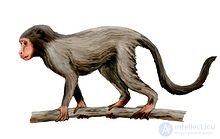
Reconstruction of
Aegyptopithecus , a primate that predates the split between humans and Old World monkeys in human evolution.
- Humans are not descended from any currently living species of chimpanzee (the common chimpanzee and the bonobo). However, humans and chimpanzees are descended from a common ancestor . The last common ancestor of humans and living chimpanzees lived between 5 and 8 million years ago.
- Evolution is not a progression from lower to higher organisms, nor does it necessarily lead to increased complexity. A population can evolve by becoming simpler, with a smaller genome, but biological devolution is a misnomer.
- Evolution does not “plan” to improve an organism's fitness for survival. This misconception is encouraged because biologists often refer to purpose as a shorthand form of expression (sometimes called a “teleological metaphor”); it is less cumbersome to say “dinosaurs may have evolved feathers for courtship” than “feathers may have been selected for, as they grew, because they gave dinosaurs a selective advantage in courtship over their featherless rivals”.
- Not all dinosaurs went extinct in the Cretaceous–Paleogene extinction event. Birds evolved from small feathered theropods in the Jurassic period, and although most dinosaur lineages were cut short at the end of the Cretaceous period, some birds survived. Consequently, dinosaurs are part of the modern fauna.
- Humans and non-avian dinosaurs did not coexist. The last non-avian dinosaurs died out 66 million years ago in the Cretaceous–Paleogene extinction event, while the first members of the genus Homo (humans) evolved 2.3 to 2.4 million years ago. Thus, the gap between the last non-avian dinosaurs and the earliest humans is 63 million years. Humans did coexist with woolly mammoths and sabre-toothed cats — mammals that are often mistakenly depicted alongside dinosaurs.

Tyrannosaurus rex . Non-avian dinosaurs went extinct in the Cretaceous–Paleogene extinction event at the end of the Cretaceous period.
- Petroleum does not come from dinosaurs, but from bacteria and algae.
- Mammals did not evolve from any modern group of reptiles; rather, mammals and reptiles evolved from a common ancestor. Soon after the first reptile-like animals appeared, they split into two branches: sauropsids and synapsids. The line leading to mammals (synapsids) diverged from the line leading to modern reptile lineages (sauropsids) around 320 million years ago, in the middle of the Carboniferous period. Only later (in the late Carboniferous or early Permian) did the modern reptile groups (lepidosaurs, turtles, and crocodilians) diverge. Mammals themselves are the sole surviving lineage of the synapsids.
Bioinformatics
- No human genome (or, for that matter, any mammalian genome) has ever been fully sequenced. By some estimates, as of 2017 between 4% and 9% of the human genome remained unsequenced.
Computers and the Internet
- Computers running macOS or Linux are not immune to malware such as trojan horses or computer viruses. Specialised malware designed to attack macOS and Linux systems does exist. However, the vast majority of viruses are designed for Microsoft Windows.
- The deep web is not primarily made up of pornography, illegal drug-trading sites, and stolen banking data. The area containing this illegal content is a small part of the deep web known as the “dark web”. Most of the deep web consists of academic libraries, databases, and anything not indexed by ordinary search engines.
- Private browsing, such as incognito mode, does not protect users from being tracked by websites or their internet service provider (ISP). Such entities can still use information such as IP addresses and user accounts to uniquely identify users.
Economics

Total population living in extreme poverty by world region, 1987–2015
- The total number of people living in extreme absolute poverty worldwide, using the widely used metric of $1.00 a day (in 1990 US dollars), has decreased over the past several decades, but most people surveyed in several countries mistakenly believe it has increased or stayed the same. In addition, the share of people living in extreme poverty has also fallen, regardless of which income threshold is used.
- Income inequality in the United States is significantly higher than people think.
- Monopolists do not try to sell items at the highest possible price, nor do they seek to maximise profit per unit sold, but rather try to maximise total profit.
- For any given set of production, there is no fixed amount of labour (“ lump of labour ”) required to produce that output. This misconception is commonly seen among Luddites and later related movements as an argument either that automation causes permanent structural unemployment, or that regulation restricting labour can reduce unemployment. But in reality, changes in the allocation of capital, efficiency, and economies of learning can change the amount of labour needed for a given set of production.
- Income is not a direct factor in determining a credit score in the United States. Rather, a credit score is influenced by the amount of unused available credit, which in turn depends on income. Income is also taken into account when assessing creditworthiness more broadly.
- The correlation between race and housing prices in the US has grown over the past several decades.
- Millennials still respond to traditional marketing, even though their consumption patterns are changing.
- The US public greatly overestimates the amount spent on foreign aid.
- Cutting taxes for the wealthy to encourage investment and thereby create jobs or growth (“trickle-down economics”) does not work.
Environmental science

Depletion of the ozone layer does not affect global warming
- Global warming is not caused by the hole in the ozone layer. Ozone depletion is a separate problem, caused by chlorofluorocarbons (CFCs) released into the atmosphere.
Human body and health

Electric fans in South Korea. It is widely believed that leaving a fan running while sleeping can be fatal.
- Sleeping in a closed room with an electric fan running does not cause “ fan death ”, as is widely believed in South Korea.
- Waking a sleepwalker does not harm them. While it is true that a person may be confused or disoriented for a short time after waking, this causes no further harm. On the contrary, sleepwalkers can be injured if they trip over objects or lose their balance while sleepwalking.
- Eating less than an hour before swimming does not increase the risk of muscle cramps or drowning. One study shows a correlation between alcohol consumption and drowning, but there is no evidence regarding food intake or stomach cramps.
- Drowning is often unnoticed by bystanders. In most cases, the instinctive drowning response prevents a victim from waving their arms or shouting (known as “aquatic distress”), so these are not reliable signs of trouble; indeed, most drowning victims who are rescued show no prior visible signs of distress.
- Human blood in the veins is not actually blue. Haemoglobin gives blood its red colour. Deoxygenated blood (in the veins) is dark red, while oxygenated blood (in the arteries) is a lighter cherry-red. The misconception likely arises for two reasons: 1) veins beneath the skin appear blue or green. This is due to a number of factors that have little to do with the colour of the blood itself, including subsurface light scattering through the skin and human colour perception. 2) many diagrams use colour to show the difference between veins (usually shown in blue) and arteries (usually shown in red).
- Exposure to a vacuum, or any uncontrolled decompression short of the most extreme, does not cause the body to explode or internal fluids to boil. (However, fluids in the mouth or lungs will boil above the Armstrong limit.) Instead, it will cause loss of consciousness once the body has used up its blood oxygen supply, followed by death from hypoxia within a few minutes.
- Stretching before or after exercise does not reduce muscle soreness.
- Exercise-induced muscle soreness is not caused by a build-up of lactic acid. Lactic acid levels in the muscles during and after exercise are not linked to soreness; exercise-induced muscle soreness is thought to arise from microtrauma caused by unaccustomed or strenuous exercise, which the body adapts to through repeated bouts of the same exercise.
- Swallowing petrol usually does not require special emergency treatment if it reaches the stomach rather than the lungs, and vomiting can make the situation worse.
- Urine is not sterile, even in the bladder.
- People tend to overestimate the physical strength of African Americans.
Senses
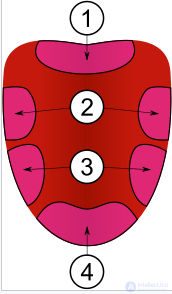
An inaccurate tongue map showing zones for bitter (1), sour (2), salty (3), and sweet (4) taste. In fact, all areas can detect any taste, and there is also a taste for umami (not shown in the picture).
- Infants can and do feel pain.
- Taste buds can detect all the different tastes on all parts of the tongue, with slightly heightened sensitivity in different spots depending on the individual, contrary to the popular belief that particular tastes correspond only to specific mapped areas of the tongue.
- There are not four basic tastes but five: in addition to bitter, sour, salty, and sweet, humans have taste receptors for umami, meaning a “savoury” or “meaty” taste. Fat does interact with specific receptors in taste bud cells, but it remains unclear whether it is a sixth basic taste.
- Humans have more than the commonly cited five senses. The number of senses in various classifications ranges from five to more than 20. In addition to sight, smell, taste, touch, and hearing, which were the senses defined by Aristotle, humans can sense balance and acceleration (equilibrioception), pain (nociception), the position and movement of body and limbs (proprioception, or kinaesthetic sense), and relative temperature (thermoception). Other senses that are sometimes identified include a sense of time, echolocation, itch, pressure, hunger, thirst, stomach fullness, the need to urinate, the need to defecate, and blood carbon dioxide (CO 2 ) levels.
Skin and hair
- Wrinkling caused by water is not the result of the skin absorbing water and swelling. It is caused by the autonomic nervous system, which triggers localised vasoconstriction in response to wet skin, resulting in wrinkling. One hypothesis suggests this improves grip on wet objects; however, a 2014 study found no improvement in handling wet objects with wrinkled fingertips.
- Shaving does not make terminal hair grow back thicker (denser) or darker. This belief stems from the fact that hair that has never been cut has a tapered tip, whereas after cutting the edge is blunt and therefore thicker than the tapered tip; the sharper, unworn edges make cut hair feel coarser and stubblier. This impression is also reinforced by the fact that short hair is less flexible than long hair.
- A person's hair and nails do not continue to grow after death. Rather, the skin dries out and shrinks back at the base of the hair and nails, creating the appearance of growth.
- Hair care products cannot actually “repair” split ends and damaged hair. They can primarily prevent damage, and can also smooth the cuticle, like glue, so it looks repaired, and generally make the hair look in better condition.
- Plucking or cutting a grey hair will not cause two grey hairs to grow in its place. It will cause only one hair to grow back, because only one hair can grow from each follicle.
- The gene for red hair is not dying out, any more than the gene for blond hair is, even though both are recessive alleles. Redheads and blonds may become rarer, but they will not die out until everyone carrying these alleles has died or stopped reproducing.
- Acne is caused mainly by genetics, not by poor hygiene, greasy food, or other personal habits.
Nutrition, food, and drink
- Diet has little effect on detoxifying the body, and detox diets “have no scientific basis”. Some scientists have called such diets “a waste of time and money”. Nevertheless, there is a widespread misconception that certain diets aid this process or can remove substances the body cannot remove on its own. Toxins are eliminated from the body by the liver and kidneys.
- There is no need to drink eight glasses (2–3 litres) of water a day to stay healthy. The amount of water needed depends on the individual (weight), diet, activity level, clothing, and environment (heat and humidity). In fact, water does not need to be drunk in its pure form, but can be obtained from liquids such as juice, tea, milk, soup, and so on, as well as from foods including fruits and vegetables.
- Drinking coffee and other caffeinated beverages does not cause dehydration in people who consume them regularly, although it may in those who drink them only occasionally.
- Sugar does not cause hyperactivity in children. Double-blind trials have found no difference in behaviour between children given diets with or without sugar, even in studies focused specifically on children with attention-deficit/hyperactivity disorder or children believed to be sensitive to sugar. A 2019 meta-analysis found no positive effect of sugar intake on mood, but did find it associated with reduced alertness and greater fatigue within an hour of consumption — sometimes called a sugar crash.
- Alcoholic drinks do not warm the whole body. They produce a sensation of warmth because they dilate blood vessels and stimulate nerve endings near the surface of the skin with a rush of warm blood. This can in fact lower the body's core temperature, since it makes it easier for heat to be exchanged with a cold external environment.
- Alcohol does not necessarily kill brain cells. It can, however, lead indirectly to the death of brain cells in two ways: (1) in heavy, long-term drinkers whose brains have adapted to alcohol's effects, abruptly stopping drinking after a period of heavy use can trigger excitotoxicity, causing cell death across many regions of the brain; (2) in alcoholics who get most of their daily calories from alcohol, a resulting thiamine deficiency can produce Korsakoff syndrome, which is linked to severe brain damage.
- A vegetarian or vegan diet can supply enough protein for adequate nutrition. In fact, the typical protein intake of ovo-lacto-vegetarians and vegans meets or exceeds requirements. A vegetarian diet does, however, call for vitamin B 12 supplementation for optimal health.
- Swallowed chewing gum does not take seven years to digest. In reality it is largely indigestible and passes through the digestive system at roughly the same rate as other matter.
- Spicy food and coffee have no significant effect on the development of peptic ulcer disease.
- Beta-carotene in carrots does not improve night vision beyond the normal level for people who already get enough of it — only for those with a vitamin A deficiency. The belief that it does may stem from British disinformation during the Second World War meant to explain the Royal Air Force's greater success in night combat, which was actually due to radar and the use of red instrument-panel lighting.
- Most cases of obesity are not caused by a slow resting metabolism. Resting metabolic rate does not vary greatly between individuals. Overweight people tend to underestimate how much food they eat, while underweight people tend to overestimate it. In fact, overweight people typically have a higher metabolic rate, because of the extra energy needed to sustain a larger body.
- Eating a normal amount of soy does not cause a hormonal imbalance.
- The order in which different alcoholic drinks are consumed (“grape or grain but never the twain” and “beer before liquor, never been sicker; liquor before beer, you're in the clear”) has no effect on intoxication and does not cause adverse side effects.
Human sexuality
- There is no physical test for virginity, and the state of the hymen reveals nothing about a person's sexual history. Bleeding is not directly linked to first vaginal intercourse and says nothing about sexual experience. Tests claiming to determine physical virginity have no scientific validity.
- Hand size does not predict the size of a person's penis, though finger-length ratio may.
- Although pregnancy resulting from intercourse between first cousins does carry a slightly elevated risk of birth defects, the risk is often exaggerated: it is about 5–6% (similar to the risk for mothers aged 40) compared with a baseline risk of 3–4%. The effects of inbreeding depression, while relatively small next to other factors (and therefore hard to isolate in a scientific study), become more pronounced when maintained in isolation over several generations.
- There is no physiological basis for the idea that having sex in the days before an athletic event or competition harms performance. It has in fact been suggested that sex before sport may raise testosterone levels, potentially improving performance.
- There is no conclusive evidence for the existence of a vaginal G-spot, and there is general agreement that no such distinct spot exists in the female body.
Brain
- The injury Phineas Gage suffered, when an iron rod several feet long was driven through his skull, did not turn him into a “psychopath”, as many accounts claim; although the accident left him temporarily impaired, he was far from suffering the kind of emotional and reputational ruin often described — Gage went on to live in Chile, where he worked successfully as a stagecoach driver, a physically and mentally demanding job. Invented stories about “immoral” behaviour later in his life have no basis in fact.
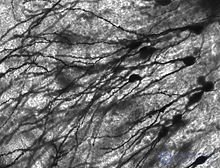
Neurons stained using the Golgi method, in tissue from the human hippocampus. It is widely believed that people do not grow new brain cells, but research has shown that new neurons can form in the human body.
- Mental abilities are not divided cleanly between the brain's left and right hemispheres. Some mental functions, such as speech and language (for example, Broca's area and Wernicke's area), tend to activate one hemisphere more than the other for certain kinds of tasks. If one hemisphere is damaged or removed early in life, these functions can often be partly or even fully taken over by the other hemisphere (see neuroplasticity ). Other abilities, such as motor control, memory and general reasoning, are supported about equally by both hemispheres.
- It is not true that by the age of two a person has generated all the brain cells they will ever have — a view held by medical experts until 1998. It is now understood that new neurons can be produced in some parts of the brain after birth. A 2013 study found that even in old age, the hippocampus produces roughly 700 new neurons a day.
- Vaccines do not cause autism or autism spectrum disorders. Although a fraudulent study by former British doctor Andrew Wakefield claimed to show a link, repeated attempts to replicate the results failed, and the study was eventually found to have been manipulated.
- People do not use only 10% of their brain. While it is true that only a small minority of neurons in the brain fire actively at any given moment, the inactive neurons are important too. This misconception has been common in American culture since at least the early 20th century, and has been attributed to William James, who appears to have used the phrase only in a metaphorical sense.
Disease ( Misconceptions about HIV/AIDS and misinformation related to the COVID-19 pandemic)

Bumps on a toad's skin are not warts, so they cannot give a person warts.
- Drinking milk or eating other dairy products does not increase mucus production. As a result, people with the flu or a cold do not need to avoid them.
- People cannot catch warts from toads or other animals; the bumps on a toad's skin are not warts. Warts on human skin are caused by the human papillomavirus, which is specific to humans.
- Neither cracking your knuckles nor exercising in good physical condition causes osteoarthritis.
- Eating nuts, popcorn or seeds does not increase the risk of diverticulitis. These foods may in fact have a protective effect.
- Stress plays a relatively small role in hypertension. Specific relaxation techniques are not well supported by evidence. Acute stress has been shown to temporarily raise blood pressure. Observational data suggest a possible link between chronic stress and sustained increases in blood pressure. Medically, stress plays only a minor role in the development of hypertension, whereas surveys of lay attitudes consistently show a belief that stress is by far the most important cause.
- In people with a cold, the colour of sputum or nasal discharge can range from clear to yellow or green and does not indicate the type of pathogen causing the infection.
- Vitamin C does not prevent the common cold, although it may have a protective effect during intense exercise in cold weather. Taken daily, it may modestly shorten the duration and severity of a cold, but it has no effect if started after a cold has already begun.
- For people with eczema, bathing does not dry out the skin and can in fact be beneficial.
- There has never been any program offering access to dialysis machines in exchange for the pull-tabs from drink cans. This rumour has circulated since at least the 1970s and usually names the National Kidney Foundation as the organisation supposedly running it. The Foundation itself denies this, noting that about 80% of dialysis costs in the United States are typically covered by Medicare. Some charities, such as the Ronald McDonald House Charities in Kansas City, do accept tab donations, which are then passed on to a local scrap-metal recycler.
- Powdered rhinoceros horn is not used as an aphrodisiac in traditional Chinese medicine, where it is known as Cornu Rhinoceri Asiatici (犀角, xījiǎo , “rhinoceros horn”). It is prescribed for fever and convulsions, a use not supported by evidence-based medicine.
- Leprosy (Hansen's disease) is not an auto-degenerative disease, as is commonly believed — meaning it does not by itself cause body parts to be damaged or fall off. Leprosy causes rashes and can lead to the breakdown of cartilage and, if untreated, tissue inflammation. Damage to peripheral nerve tissue is common and can cause blindness and loss of touch or pain sensation, which can increase the risk and severity of injury. Leprosy is also only mildly contagious — an estimated 95% of people exposed to it are able to fight off the infection naturally, making Hansen's disease one of the least contagious diseases in the world. Tzaraath, a biblical affliction often translated as “leprosy” and the source of many myths about the disease, may or may not be the condition known by that name today. The misconception is also rooted in a gap between science and public policy: although the medical community has agreed for decades that Hansen's disease is only moderately contagious, it remains listed among the “communicable diseases of public health significance” on the U.S. Citizenship and Immigration Services website for reasons related to health inadmissibility, even though HIV was removed from that list in 2010.
- Rust does not cause tetanus. Clostridium tetani bacteria are typically found in contaminated environments. Because the conditions in which tetanus bacteria live also promote the rusting of metal, many people associate rust itself with tetanus. C. tetani needs oxygen-free conditions to multiply, and these occur in the porous layers of rust that form on unprotected, oxygen-absorbing metal objects.
- The common cold is caused by germs, not by cold temperatures, although cold weather can somewhat weaken the immune system.
- Quarantine has never been the standard procedure for people with severe combined immunodeficiency, despite the condition's popular nickname (“bubble boy disease”) and its portrayal in film. A bone marrow transplant in the first months of life is the standard course of treatment. The exceptional case of David Vetter, who did spend most of his life in a sterile environment because he did not receive a transplant until age 13 (a transplant that, due to a failure to detect a rare condition, ultimately killed him), was one of the main inspirations for the “bubble boy” trope.
- Gunnison, Colorado, did not escape the 1918 flu pandemic through protective sequestration. The sequestration did prevent the virus from spreading beyond a single household after one carrier entered the town while it was in effect, but the measure was not sustainable and had to be lifted in February 1919. A month later, influenza struck the town, killing five people and infecting dozens more.
Inventions
- George Washington Carver did not invent peanut butter. He catalogued hundreds of uses and products that could be made from peanuts (some of which, including peanut butter, were variations on products that already existed), as well as hundreds of other products from soybeans, pecans and sweet potatoes, in order to promote his system of crop rotation.
- Although the guillotine was named after the French physician Joseph-Ignace Guillotin, he did not invent it or build the device. He died peacefully in his bed in 1814.
- Thomas Crapper did not invent the flush toilet. During the Aegean civilisation, the Minoan royal palace at Knossos on Crete had a toilet that “consisted of a wooden seat, a clay pan and a rooftop cistern as a water source”. A forerunner of the modern toilet was invented by the Elizabethan courtier Sir John Harington, who was banished from court after his book on the subject mocked prominent people. Crapper, however, did a great deal to popularise the toilet and introduced several innovations, including a “valveless waste preventer” that let a toilet flush effectively without leaving standing flush water for long. The word “crap” is likewise not derived from his surname (see the “Words, phrases and languages” section above).
- Thomas Edison did not invent the light bulb. He did, however, develop the first practical light bulb in 1880 (using a carbonised bamboo filament), shortly before Joseph Swan, who produced an even more efficient bulb in 1881 (using a cellulose filament).
- Henry Ford invented neither the automobile nor the assembly line. He did substantially improve the assembly process, sometimes through his own innovations but more often by sponsoring the work of his employees. Karl Benz (co-founder of Mercedes-Benz) is credited with inventing the first modern automobile, and assembly lines of various kinds had existed throughout history.
- Al Gore never claimed to have “invented” the Internet. What he actually said was: “During my service in the United States Congress, I took the initiative in creating the Internet,” referring to his political work to expand the Internet for broad public use. Gore was the chief sponsor of the High Performance Computing and Communication Act of 1991, which funded supercomputing centres on a large scale and helped drive the modernisation of much of the existing early-1990s Internet backbone, the NSFNET, as well as the development of NCSA Mosaic, the browser that popularised the World Wide Web. (See Al Gore and information technology.)
- James Watt did not invent the steam engine, and his ideas about the power of steam were not inspired by watching a kettle lid rattle under steam pressure. In the 1760s and 1770s, Watt improved on the already commercially successful Newcomen atmospheric engine, introducing changes that proved crucial to its later use — most notably a separate condenser, which increased its efficiency, and later a mechanism for converting reciprocating motion into rotary motion; the resulting new steam engine went on to achieve enormous fame.
Chemistry or materials science
- Glass does not flow at room temperature like a highly viscous liquid. Although glass shares some molecular properties with liquids, at room temperature it is an amorphous solid that only begins to flow above its glass transition temperature — though the precise nature of the glass transition is not considered fully settled among scientists. Old window panes are often thicker at the bottom than at the top, and this has been cited for centuries as evidence of the slow flow of glass. In fact, this unevenness results from the window-manufacturing processes used at the time. No comparable distortion is seen in other glass objects, such as sculptures or optical instruments, of the same or even greater age.
- Most diamonds are not formed from highly compressed coal. More than 99 percent of all diamonds ever mined formed under conditions of extreme heat and pressure roughly 140 kilometres (87 miles) below Earth's surface. Coal forms from prehistoric plants buried much closer to the surface and is unlikely to be carried below 3.2 km (2.0 mi) by ordinary geological processes. Most dated diamonds are older than the first land plants, and therefore older than coal itself. It is possible for diamonds to form from coal in subduction zones and during meteorite impacts, but diamonds formed this way are rare — the carbon source is more often carbonate rocks and organic carbon in sediments, rather than coal.
- Diamonds are not infinitely hard — they are subject to wear and scratching: although they are the hardest material on the Mohs scale, they can be scratched by other diamonds and worn down even by much softer materials, such as vinyl records.
- Neither tin foil nor tin cans have used tin as their main material for a long time. Aluminium foil has replaced tin foil in nearly all applications since the 20th century; tin cans today are made mainly of steel or aluminium.
Mathematics
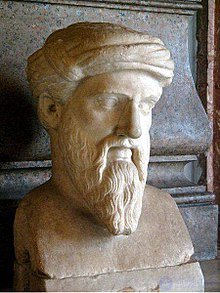
Bust of Pythagoras in the Capitoline Museums, Rome. Classical historians dispute whether he ever made any mathematical discoveries himself.
- Although the Greek philosopher Pythagoras is best known today for his supposed mathematical discoveries, classical historians debate whether he himself ever made any significant contribution to the field. He cannot have been the first to discover the theorem that bears his name, since it was known and used by the Babylonians and Indians centuries before Pythagoras, though he may have been the first to introduce it to the Greeks.
- In mathematics, the repeating decimal usually written 0.999 ... represents the same quantity as the number one. Despite appearing to be a smaller number, 0.999 ... is simply another symbol for the number 1, in exactly the same way that .333 ... is an equivalent way of writing the number represented by the fraction 1/3.
- There is no evidence that the ancient Greeks deliberately designed the Parthenon according to the golden ratio. Construction of the Parthenon was completed in 438 BC, more than a century before the ratio was first recorded by Euclid. Likewise, Leonardo da Vinci’s Vitruvian Man makes no mention of the golden ratio in its accompanying text, although it does describe many other proportions.
Physics
- It is not true that lift is generated because air travels for an equal time over and under an aircraft wing. This misconception, sometimes called the equal transit-time fallacy, is widespread in textbooks and non-technical references and even appears in pilot training materials. In fact, air moving over a lift-generating wing always moves much faster than the equal-transit theory implies, as shown by correct explanations of lift as opposed to the flawed one.
- Blowing across the top of a curved sheet of paper does not demonstrate Bernoulli's principle. Although this common classroom demonstration is often explained that way, it would be incorrect to relate the flow on the two sides of the sheet using Bernoulli's equation, since the air above and below is part of two different flow fields, and Bernoulli's principle applies only within a single flow field. The paper rises because the air follows the curve of the paper, and the curved streamline creates pressure differences perpendicular to the airflow. Bernoulli's principle predicts that a drop in pressure goes with an increase in speed — meaning that as the air passes over the paper it accelerates and moves faster than it was moving as it left the demonstrator's mouth. But that is not what the demonstration actually shows.
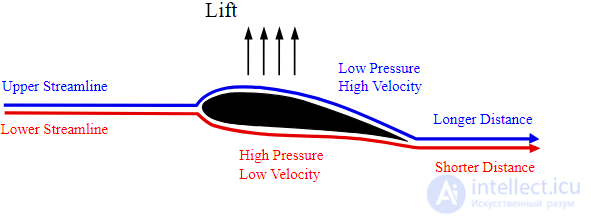
Illustration of the (incorrect) equal transit-time explanation of wing lift
- The Coriolis effect does not make water consistently drain from basins clockwise or counterclockwise depending on the hemisphere. This common myth is often linked to flushing toilets and draining bathtubs. The direction of rotation is determined by whatever slight rotation is already present in the water when it begins to drain. The Coriolis force can influence the direction of water flow, but only in rare cases: the water must be still enough that the Earth's effective rotational speed exceeds the rotational speed of the water relative to its container, and any external torques (such as those caused by flow over an uneven basin surface) must be very small.
- A cyclist needs neither gyroscopic forces nor geometric trail to balance a bicycle or to make it exhibit self-stability. Although gyroscopic forces and trail can be contributing factors, it has been shown that neither is by itself necessary or sufficient.
- The idea that lightning never strikes the same place twice is one of the oldest and best-known pieces of lightning folklore, but it has no basis in fact. During a thunderstorm, lightning in a given area is more likely to strike objects and spots that are more prominent or more conductive. The Empire State Building in New York is struck by lightning roughly 100 times a year.
- Heat lightning is not a distinct phenomenon in its own right. What people mistake for “heat lightning” is usually ordinary lightning from a storm too far away for its thunder to be heard; such lightning carries the same risk of striking a person as any other lightning.
- A penny dropped from the Empire State Building would not kill a person or crack the pavement below, although it could cause an injury.
- Using the setback feature of a programmable thermostat to reduce heating or cooling in a temporarily unoccupied building does not waste as much energy as keeping the temperature constant. Using a setback mode saves energy (roughly five to fifteen percent), because heat transfer through a building's envelope is roughly proportional to the temperature difference between its interior and exterior.
- It is not possible for a person to become fully submerged in quicksand, as is commonly depicted in fiction, although sand trapped in coastal bodies of water can pose a drowning hazard as the tide rises.
Psychology
- Dyslexia is not a cognitive disorder characterised by reversing letters or words into mirror images. It is a disorder, found in people with average intelligence, involving difficulty spelling words, reading quickly, writing words, sounding words out mentally, pronouncing words when reading aloud, or understanding what has been read. Although some people with dyslexia also have trouble with letter reversal, this is not a defining symptom. Letter reversal can be a characteristic feature in some cases of dyslexia, but dyslexia is not diagnosed on the basis of reading or writing letters or words backwards or in reverse order.
- There is no scientific evidence that adults possess “photographic” memory (the ability to recall images with such precision that it mimics a camera), although some young children do have eidetic memory. Many people have claimed to have photographic memory, but such people have generally been shown to have good memories as a result of using mnemonic techniques rather than a natural capacity for detailed encoding. There are rare cases of people with exceptional memory, but none of them has memory that truly mimics a camera.
- Schizophrenia is not a split- or multiple-personality disorder — split or multiple personality is dissociative identity disorder. The word comes from the Greek roots schizein and phrēn , “to split” and “mind”, meaning the “splitting of mental functions” seen in schizophrenia, not a split in personality.
- Not everyone learns the same way. In particular, there is no evidence that people have distinct learning styles, or that matching instruction to a person's supposed learning style improves retention.
- The friendship paradox, a phenomenon first observed by sociologist Scott L. Feld in 1991, is the fact that most people have fewer friends than their friends have, on average. This can be explained as a form of sampling bias, in which people with more friends than average are also more likely than average to be counted among other people's friends. Despite this, most people believe they have more friends than their friends do.
- Self-harm is usually not attention-seeking behaviour. Many people who self-harm are deeply ashamed of their wounds and scars and feel guilty about the behaviour, which leads them to go to great lengths to hide it from others. They may offer alternative explanations for their injuries or cover scars with clothing.
- Paedophilia is not the same thing as child sexual abuse. Paedophilia is a condition, in which an adult is sexually attracted exclusively or primarily to prepubescent children, while child sexual abuse is an act of sexual contact between an adult, whether a paedophile or not, and a prepubescent child. Sexual attraction to postpubescent adolescents is classified separately, for example as hebephilia (roughly ages 11 to 14) and ephebophilia (roughly ages 15 to 19).
- There is no evidence that violent video games have any negative effect on people (that they “make people violent”). Although there are examples of video games influencing the behaviour of people responsible for real-world violence (such as the perpetrators of the Columbine High School massacre), research has not consistently found any link between aggression and violent video games, and the rising popularity of such games has coincided with a decrease in youth violence. Nonetheless, the moral panic surrounding video games in the 1980s, 1990s and 2000s, together with isolated incidents and legislation in many countries, has likely contributed to the persistence of this idea.
Transportation
- The Bermuda Triangle does not have more shipwrecks or mysterious disappearances than most other well-travelled bodies of water.
- Toilet waste is never intentionally dumped from an aircraft. All waste is collected in tanks and emptied into waste trucks. So-called “blue
продолжение следует...
Продолжение:
Часть 1 Examples of Common Misconceptions
Часть 2 Science and technology - Examples of Common Misconceptions
Часть 3 See also - Examples of Common Misconceptions
See also


Comments