
Lecture
Post-minimalism is usually used to describe works by contemporary composers that have "minimalistic features," but whose treatment is far more organic.
Post-minimalism is an art term, (as post-minimalism) used by Robert Pincus-Witten in 1971 in various fields of art to describe work that draws on, was influenced by, or attempts to develop and move beyond the aesthetics of minimalism. The expression is used specifically in relation to music and the visual arts, but can apply to any field that uses minimalism as a critical point of reference. In music, post-minimalism refers to music that follows minimalist music
On one hand, some of these composers sought a closer connection with pop music, while others combined "minimalist patterns" with the traditions of classical concert music. Post-minimalism developed in the 1970s on the basis of "minimal music." It reached its peak in the 1980s and 1990s.
Composers whose works are described as post-minimalist include John Adams, Louis Andriessen, Graham Fitkin, Michael Torke, Robert Moran, Gavin Bryars, Steve Martland, Julia Wolfe, David Lang and Michael Gordon.
The second generation of post-minimalists, also known as totalism, increased rhythmic complexity and introduced elements of polyrhythmic Asian and African musical styles, as well as rock music, without abandoning the repetitive structure of the arrangement. Composers attributed to this movement include Rhys Chatham, Glenn Branca, Kyle Gann, Mikel Rouse, Lois V Vierk and John Luther Adams.
Post-minimalism is often regarded as part of postmodern music.
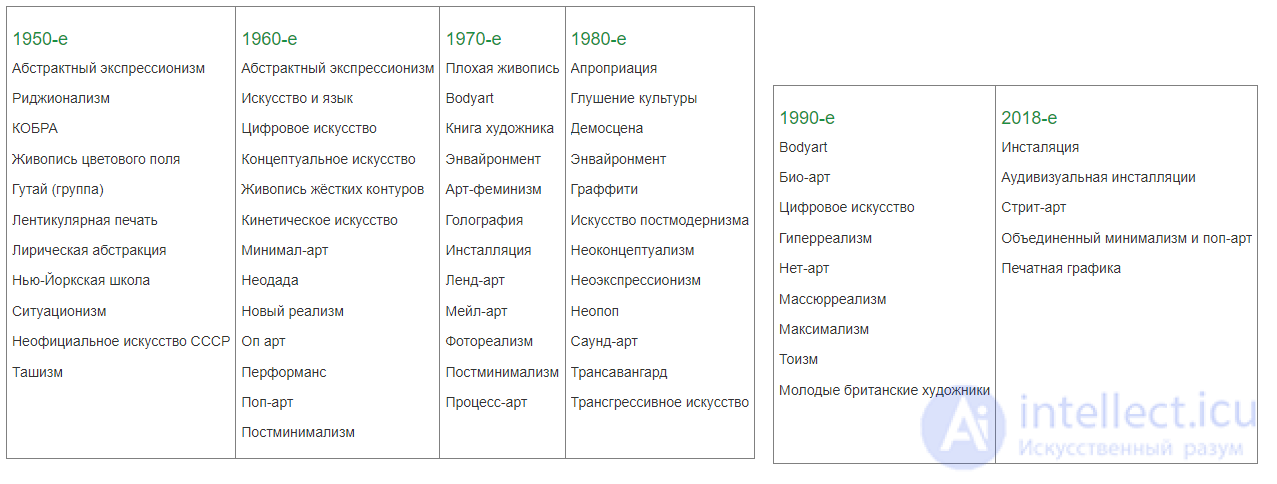
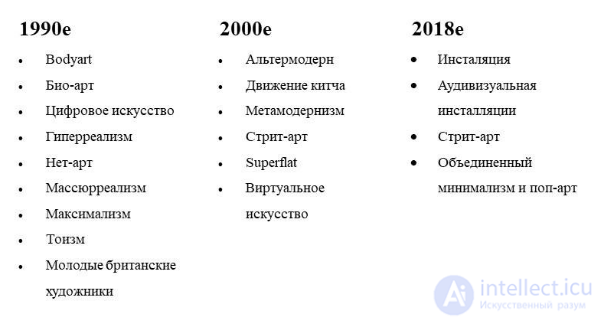
In the visual arts, post-minimalist art uses minimalism as an aesthetic or conceptual point of reference. Post-minimalism is more of an artistic trend than any single specific direction. Post-minimalist artworks are usually everyday objects, employ simple materials, and sometimes take on a "pure" formalist aesthetic. However, since post-minimalism encompasses such a diverse and disparate group of artists, it is impossible to list all the overlaps and similarities between them.
Eva Hesse's works are also post-minimalist: she uses "grids" and "seriality," themes often found in minimalism, but they are also typically made by hand, bringing a human element into her art, as opposed to machines or minimalism per se. Richard Serra is an important post-minimalist.
In its general musical usage, post-minimalism refers to works influenced by minimalist music, and usually refers to meta-genres of art music. Writer Kyle Gann used the term more strictly to denote a style that flourished in the 1980s and 1990s and was characterized by:
Minimalist procedures, such as addition and subtraction, are common in post-minimalism, though usually in disguised form, and the style has also shown an ability to absorb influences from world and popular music (Balinese gamelan, bluegrass, Jewish chant, etc.).
For the musical style derived from minimalism, see totalism.

Comments