
Lecture 3 min.
An Individual Rehabilitation and Habilitation Program (IRP) for people with disabilities (PWD) is a set of measures developed for persons with disabilities in order to restore their health, improve their quality of life, and support their social and vocational rehabilitation.
It is a set of medical and social measures aimed at: compensating the cost of prosthetics, providing a wheelchair, essential goods, and so on
These programs are developed individually for each person with a disability, taking into account their physical condition, needs and goals.
Rehabilitation and habilitation are two different but interrelated concepts concerning the recovery and improvement of quality of life of people with disabilities and of those who need help to develop and restore their functional abilities. Let us look at these concepts in more detail:
Rehabilitation:
Rehabilitation is the process of restoring and treating patients with physical, mental or social problems. It focuses on restoring or improving a person's functional abilities after illnesses, injuries, surgical interventions and other conditions that may lead to a loss of skills and capabilities.
Rehabilitation may include physical therapy, medical procedures, psychological support, training in self-care and social adaptation skills, and vocational rehabilitation aimed at returning to work.
Habilitation:
Habilitation is the process of developing and training skills and abilities in people with congenital or long-term limitations. It focuses on helping people acquire skills and knowledge that will allow them to become more independent and functional in society.
Habilitation is often applied to children with various levels of intellectual, physical and psychosocial disability, to help them develop the skills needed to take part in everyday life and in society.
It is important to note that rehabilitation and habilitation are often used together and can complement each other. Both processes aim to improve the quality of life and social integration of people with disabilities, but rehabilitation is more often associated with recovery after illness or injury, while habilitation focuses on developing skills in those who have not acquired them because of congenital conditions or long-term states.
An IRP may include the following components:
Physical rehabilitation: Includes therapeutic exercise, physiotherapy, massage, and treatment and rehabilitation using medical equipment.
Psychological support: Psychological help may include counseling and therapy to help persons with disabilities cope with the psychological and emotional aspects of their condition.
Social rehabilitation: Includes training in self-care skills, adaptation to society, and the development of communication and social adaptation skills.
Vocational rehabilitation: This component of the IRP aims to help persons with disabilities return to work or learn new skills so that they can become more independent and self-sufficient.
Medical support: Medical care may include regular examinations and treatment, as well as the provision of medical supplies and devices needed to maintain the health of the person with a disability.
An IRP is developed on the basis of the individual needs of the person with a disability and is usually drawn up by specialists such as doctors, physiotherapists, psychologists, social workers and other rehabilitation specialists. Government and non-profit organizations may also provide financial support and resources for implementing the IRP.
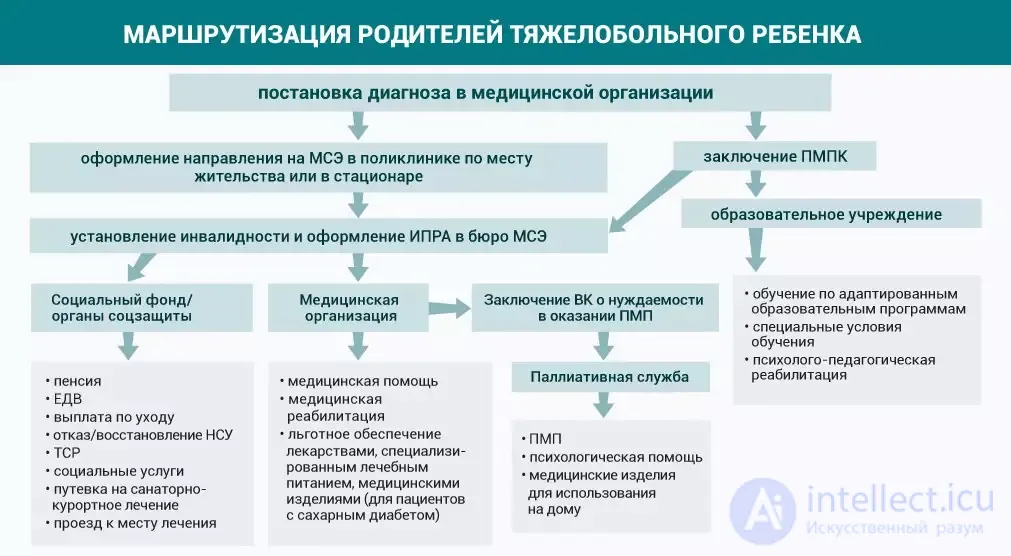
The purpose of the IRP is to improve the quality of life of persons with disabilities, increase their independence and their opportunities to participate in society.

Comments