
Practice 9 min.
The article on growing plants at home is still being written.
Recently I decided to try growing crop plants in my apartment, and this experience has brought me not only joy but also some important lessons. On this journey into the world of plant life, I drew the following conclusions:
there is an incredible, fully-fledged tiny life: I discovered creatures so small that they could easily be overlooked, about 5 times smaller than a millimeter. These microscopic organisms have legs and complete mechanisms for movement, searching, feeding and analyzing their environment. It reminded me how rich and amazing our natural world is.
the non-living can become living: The growth and development of plants showed me that the seemingly non-living can become alive. Plants, beginning their life as seeds, transform inorganic substances into living organisms capable of growth and reproduction. This is an incredible manifestation of life in its most primal form.
A lesson about watering: One of the important lessons I learned is that the watering of a plant should not depend on the volume of the pot it grows in. Instead, the area of all the plant's leaves must be taken into account. This makes it possible to provide the plant with enough water for its health and growth and for maintaining proper osmotic pressure.
The purpose of the living world: While observing plants, I realized that the main purpose of living beings, including plants, is to produce their offspring. Plants, just like animals, strive to preserve their species through the process of reproduction and inheritance.
Growing plants without diseases and without chemicals can be a difficult task, though it is not always impossible. There are methods and principles of organic and ecological farming that make it possible to reduce the risk of plant diseases and minimize the use of chemical fertilizers and pesticides. Nearly all plants, to one degree or another, have been affected by various kinds of diseases
fertilizers really do work: for example, the color of the whole plant changes, or defects on new leaves disappear
the hemoglobin molecule and the chlorophyll molecule correspond completely, differing in having iron or magnesium in the central position of the molecule; that is, for plants, green chloroplasts are like blood for us
plants grow better with sound, not because of the sound itself but because of microvibrations, since in living nature there are always gusts of wind and swaying branches, which probably helps plant metabolism
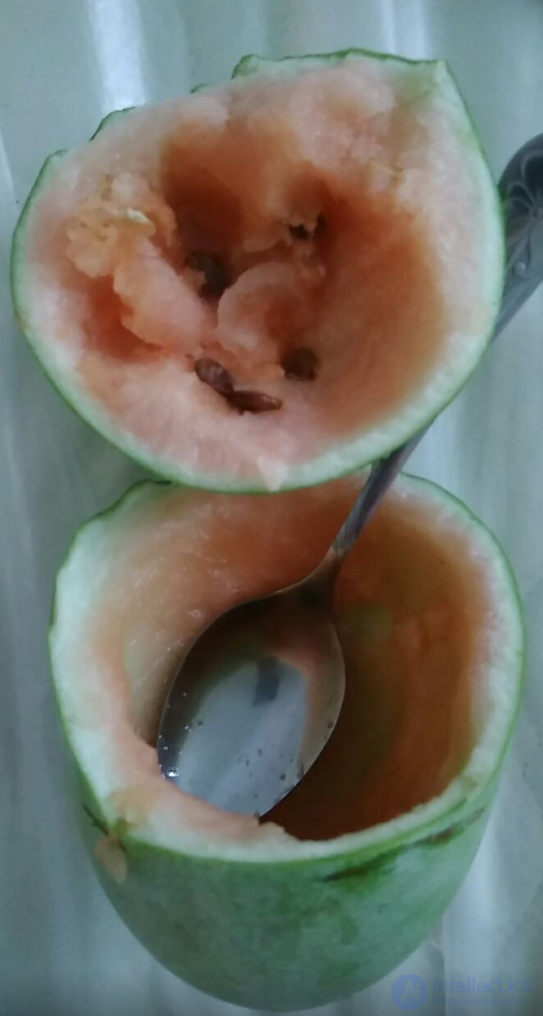
even in a tiny watermelon the size of a pea, there were already microscopic seeds when it was cut open
fungi release spores as soon as conditions become bad for them, for example when food runs out or when the temperature or humidity suddenly drops or rises
when the soil temperature is below 15 degrees, metabolic processes stop, for example those related to phosphorus. Moreover, it is specifically the temperature of the soil, which is always lower than the air temperature because of evaporation, by approximately 5-10 degrees
soil is an agglomerate of matter in 4 states: solid, liquid, gaseous and living
soil is covered in order to increase the moisture there and to prevent the temperature from dropping due to evaporation (and also to protect against weeds and animal pests)
repeated waves of harvest, more than 3 (tomatoes, strawberries), give smaller fruits from the same plant even if fertilizers are used
This experience in the world of plants taught me to appreciate the richness and diversity of living nature, and also to understand that every organism's life has its own important role and purpose.
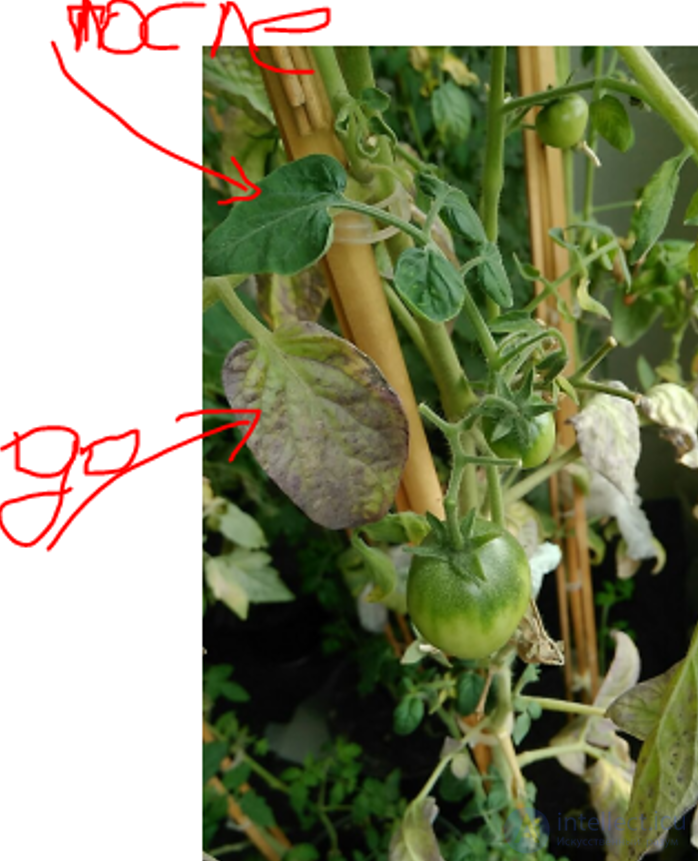
A lack of phosphorus can lead to various symptoms in plants, including a change in leaf color. Violet or purple coloring of the leaves is one of the possible signs of phosphorus deficiency.
Phosphorus (P) is an important macronutrient that plants need for many physiological processes, including photosynthesis, energy transfer, the formation and transmission of genetic information, and the growth and development of roots. When plants experience a phosphorus deficiency, they may show the following symptoms:
Violet coloring of the leaves: Most often the leaves begin to take on a violet or purple tint, especially on the upper sides of the leaves.
Slowed growth: Plant growth may slow down, since phosphorus plays an important role in the energy processes associated with photosynthesis.
Reduced flowering and fruiting: A lack of phosphorus can reduce the number of flowers and fruits on the plant.
Wrinkling of the leaves: The leaves may become less firm and wrinkle.
To solve the problem of phosphorus deficiency, I applied phosphorus-rich fertilizers to the soil in which my tomatoes grow. It is also important for me to maintain an optimal soil pH, since phosphorus becomes less available to plants in acidic soils. Therefore, regular soil analysis and proper fertilization will help solve the problem of phosphorus deficiency and restore the health of the plants.
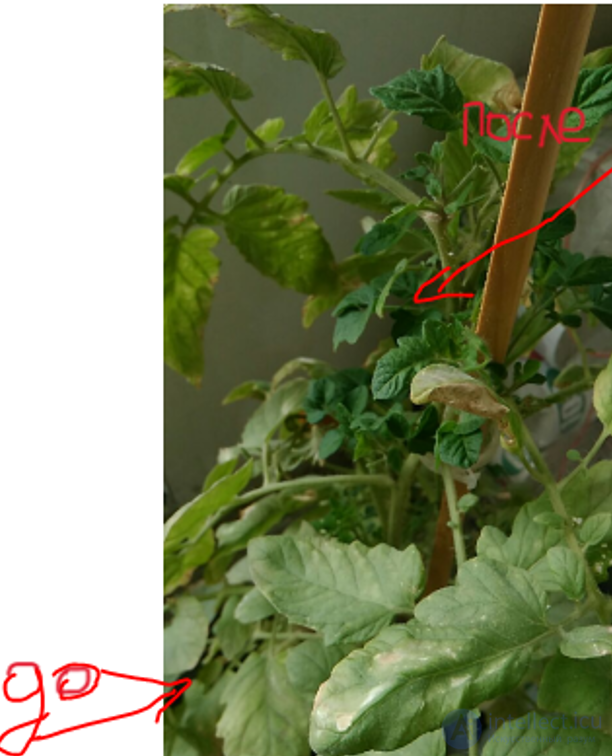
A lack of iron and nitrogen can lead to various symptoms in plants, including yellowing of the leaves. Here is how these deficiencies show up:
Iron deficiency:
Nitrogen deficiency:
To solve these problems, I added fertilizers to the soil. For example, to solve iron deficiency, iron chelates in the form of specialized fertilizers can be used. For nitrogen deficiency, nitrogen-rich fertilizers such as nitrates or ammonium compounds can be applied.
It is important to analyze the soil in order to determine exactly which elements the plants lack, and then take measures to eliminate the deficiency. Fertilizer should be applied with care to avoid overdosing and other problems associated with excessive fertilization.
So, here are the plants I tried to plant and what came of it:
| plant | characteristics | problems | results |
| radish | very fast growth, literally 10 cm of growth in a week | within the allotted 30-40 days it never produced roots | wasted material |
| dill | fast growth, it even started to produce seeds and bloom | stem elongation due to insufficient light and dense planting | enough for salads and soups |
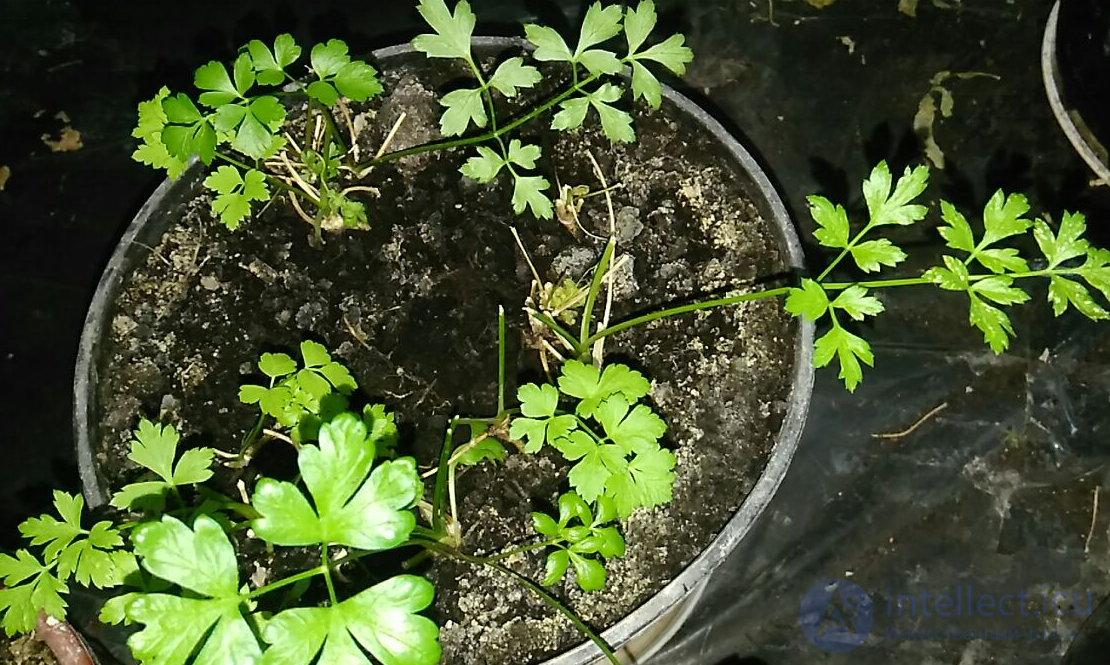
| parsley |
growth of about 15 cm in approximately 3 weeks
|
white marbled dry spots began to appear on the leaves; complex dry fertilizers did not help | enough for salads and soups |
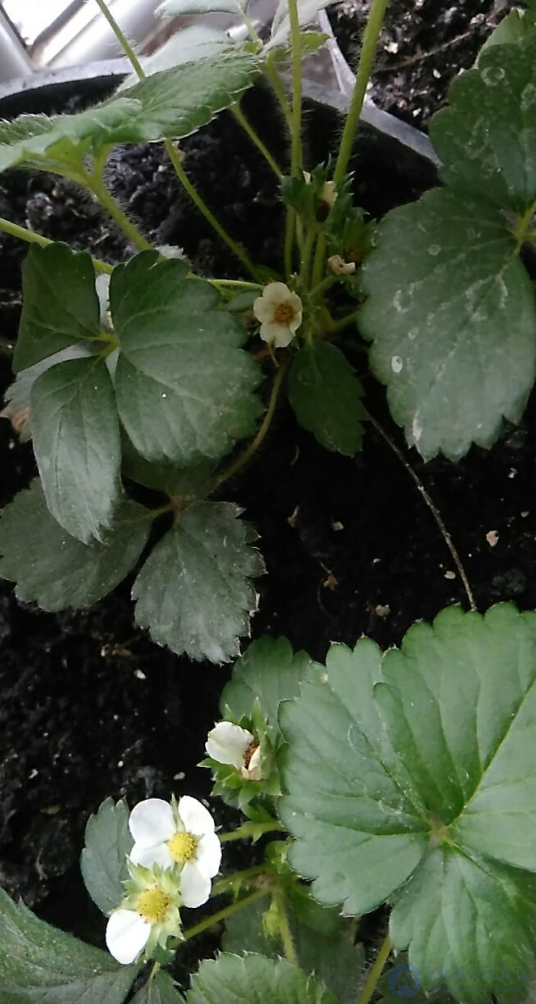
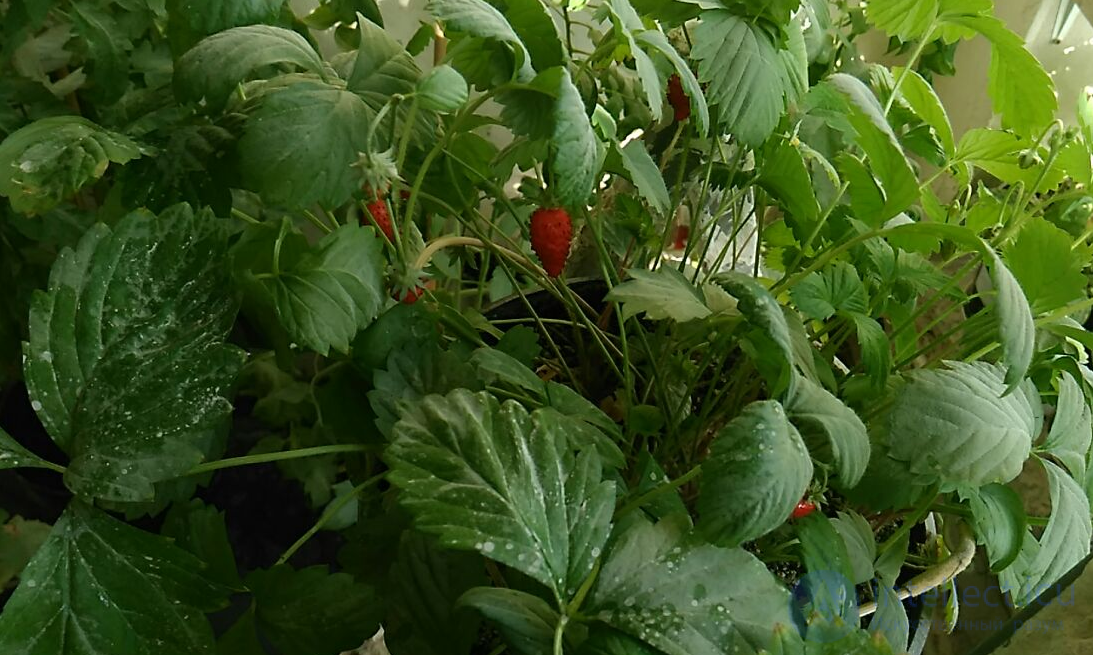
| wild strawberry |
excellent flowering, hand pollination, pleasant smell, yellow and scarlet color
|
strawberry mites appeared, which started drying out the leaves and spinning webs; I had to treat it with chemicals | ate my fill of unusual wild strawberries |
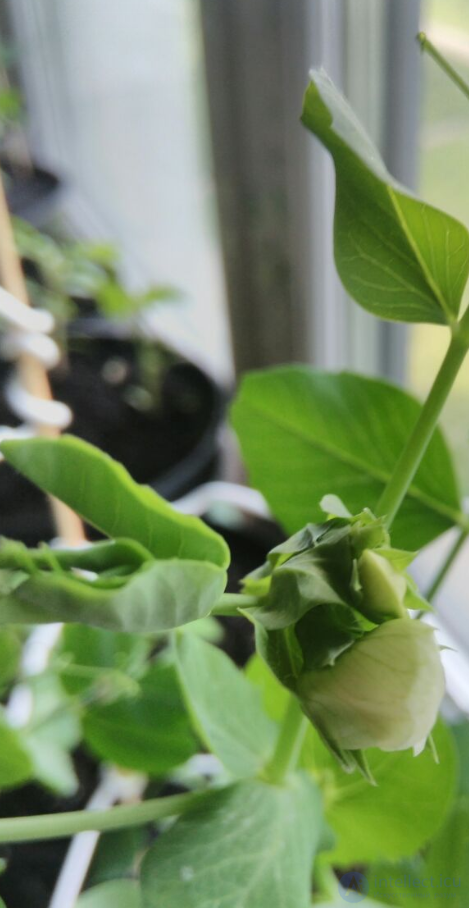
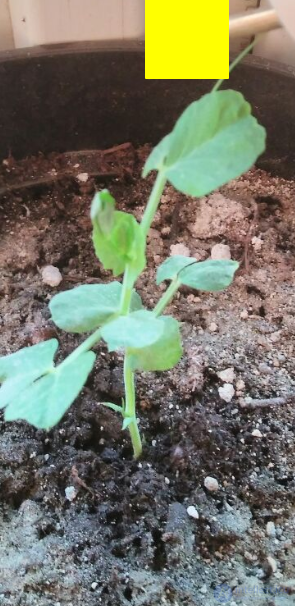
| pea |
very fast growth, and it bore fruit through self-pollination
|
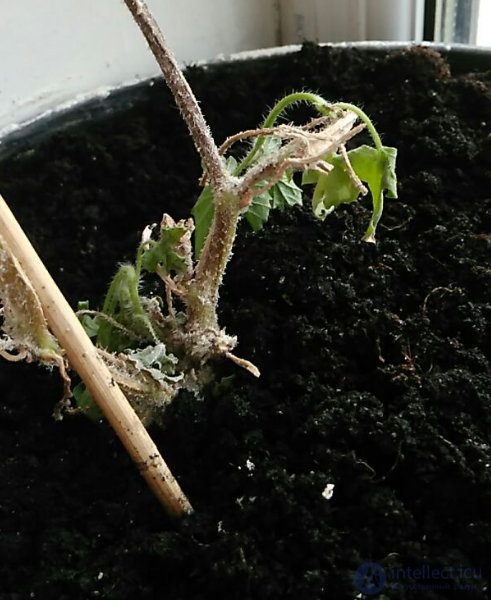
for some reason it suddenly started to wither. Possibly a fungal infection of the root system | partly successful |
| garden strawberry | sent out runners, which I trimmed; the leaves looked very similar to wild strawberry | not a single fruit was obtained | unsuccessful |
| raspberry |
for some reason the cutting dried out quickly after the buds sprouted, possibly from an excess of potassium humate; the seeds did not sprout at all, possibly because there was no cold stratification; the cutting never rooted in water, possibly because it was too short
|
I could not breathe life into it | not a single fruit was obtained |
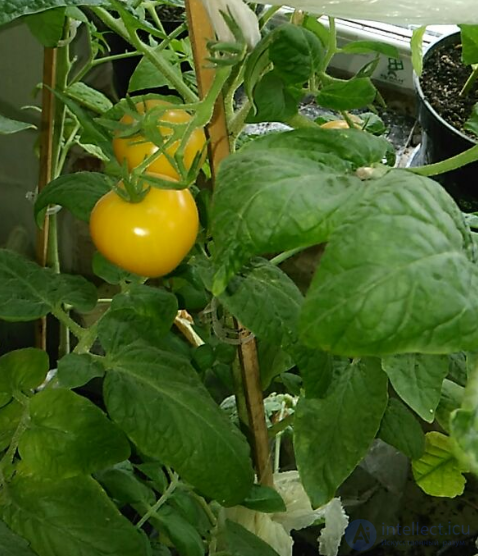
| yellow determinate tomato |
slow initial growth, sweet taste
|
magnesium deficiency - white spots, phosphorus deficiency - blue spots; after applying the appropriate fertilizers, there were no symptoms on the young leaves | successful and excellent |
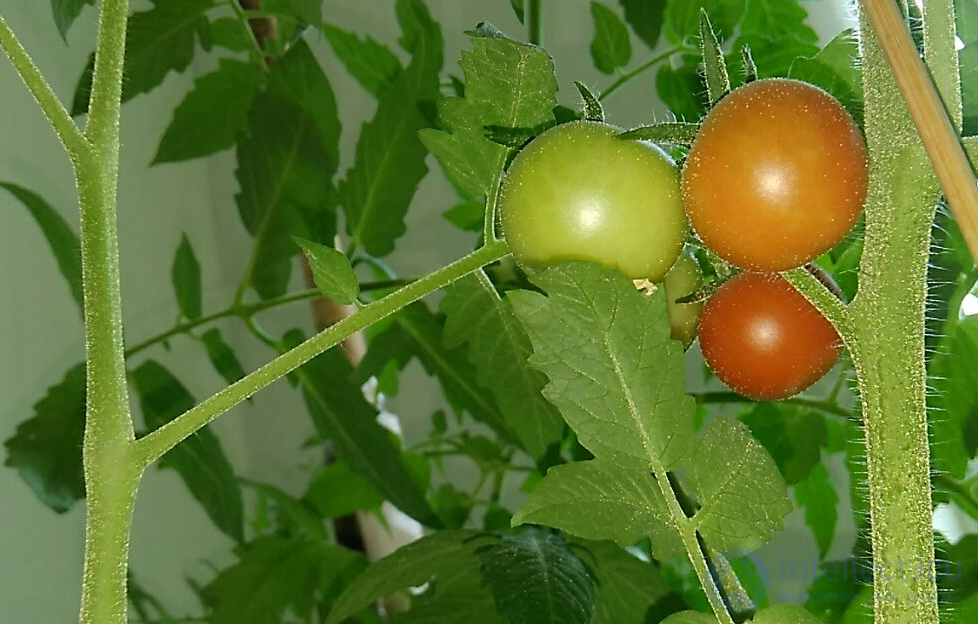
| red determinate tomato |
slow initial growth, sweet taste
|
iron and nitrogen deficiency, yellow spots and complete loss of color in the leaves; after applying the appropriate fertilizers, there were no symptoms on the young leaves | successful and excellent |
| pink indeterminate tomato | huge growth, attempts at flowering but no fruiting | it began to grow excessively lush (luxuriating), the spaces between nodes were huge and the height exceeded 2.5 meters | plant destroyed |
| bell pepper, determinate and regular | 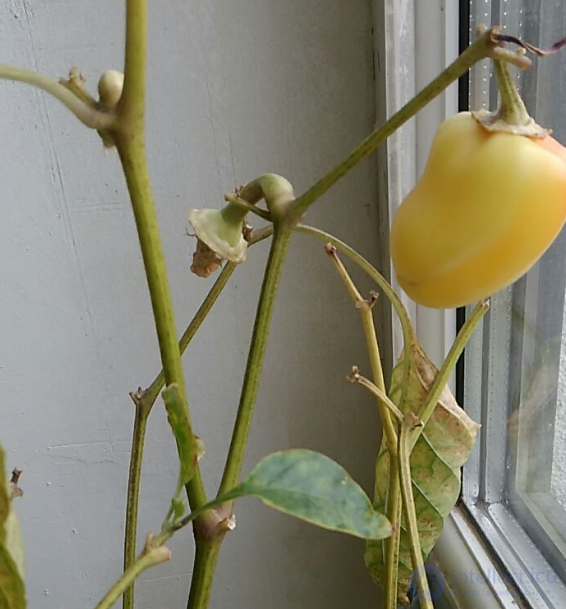 spider mites appeared and could not be eliminated with biological means; soaping partially reduced them |
successful and excellent, there are fruits | |
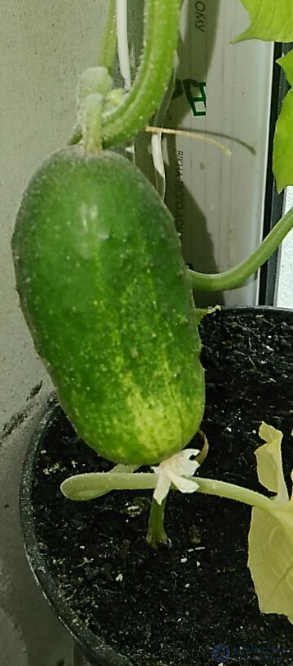
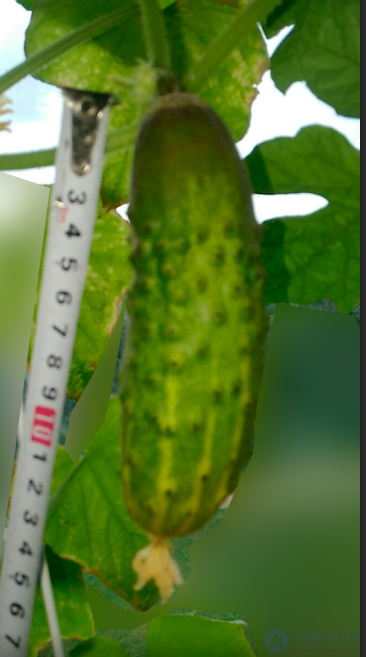
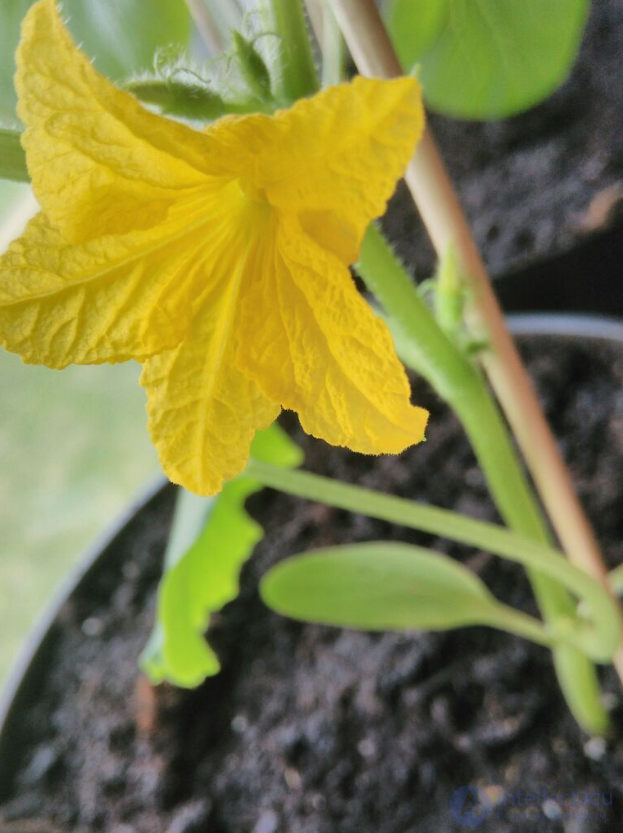
| cucumber |
fast growth - 2 meters in a little over a month, I had to pinch it back - it bore fruit all summer
|
full-fledged cucumbers 10-15 cm long | successful |
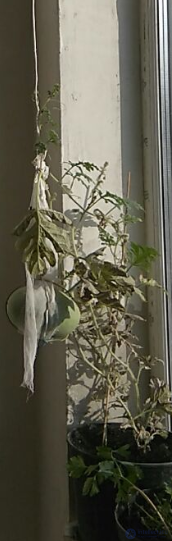
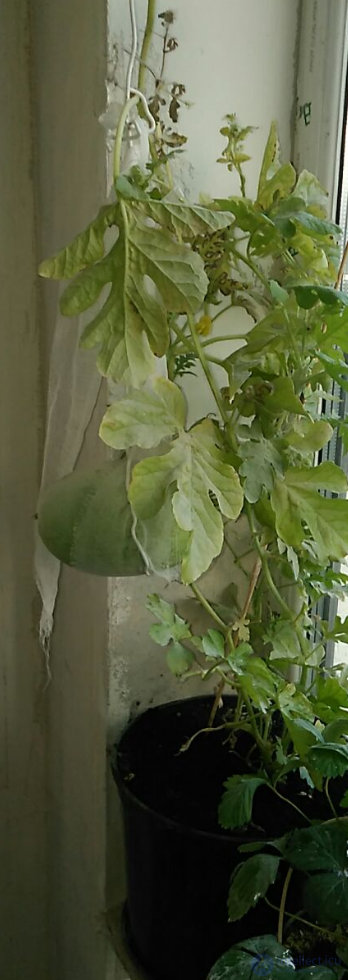
| melon | fast growth, 2 meters in about 3 weeks | the edges of the leaves dried out, even the young ones dried quickly; it was affected either by a fungus or by spider mites; on the cut, the stem showed no pathology | a fruit was produced, but the plant was destroyed |
| watermelon |
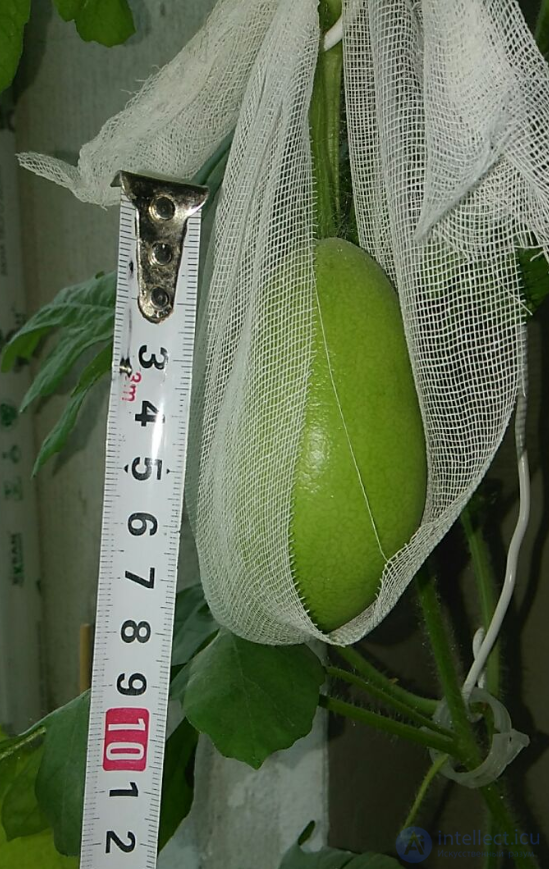
fast growth, 2 meters in about 5 weeks
|
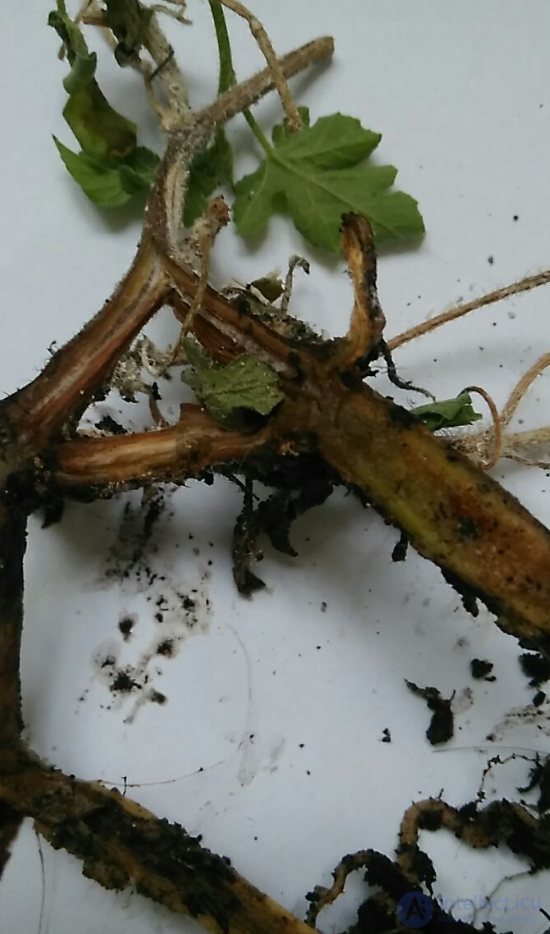
partly successful the fruit came after three months; right after cutting, the rest of the plant died; the photo shows the opened stem |
|
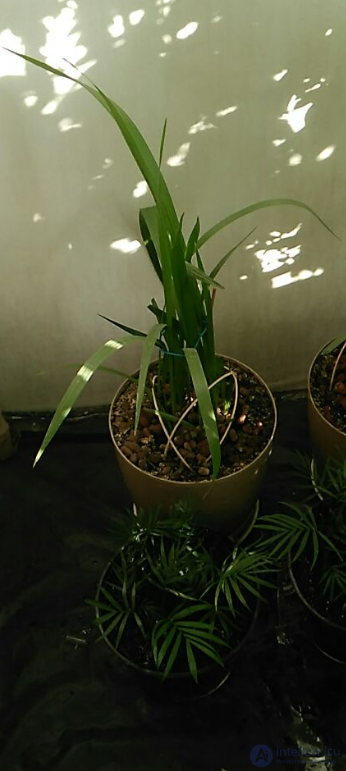
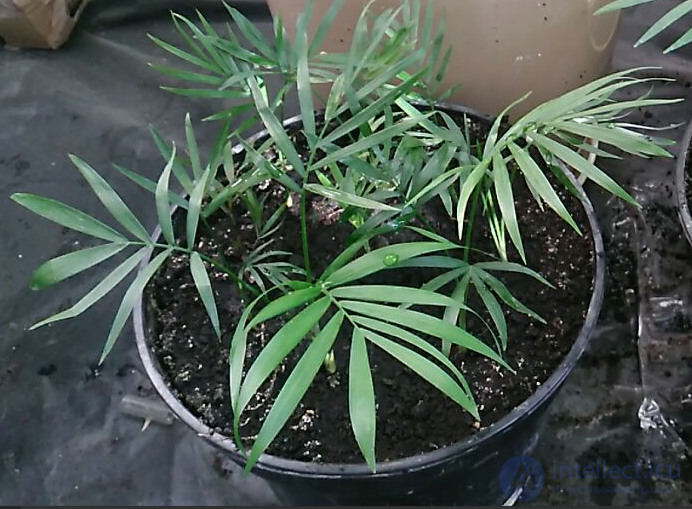
| palms |
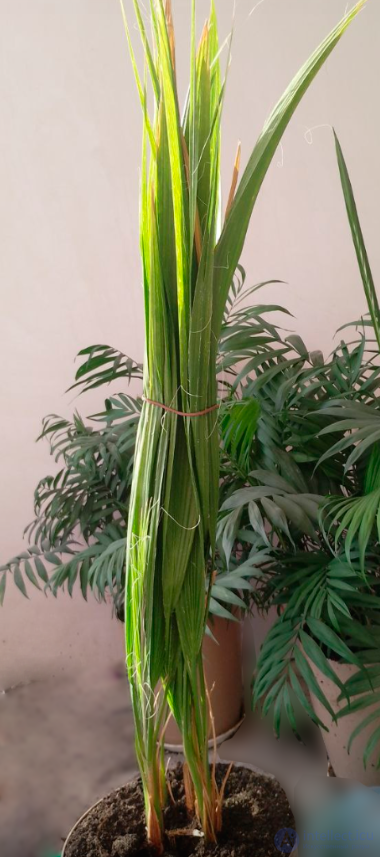
sprouted wonderfully from seed,
|
unaesthetic, just long leaves | fine |
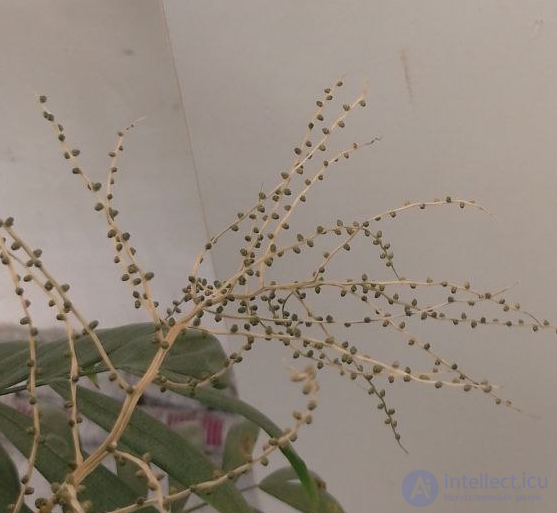
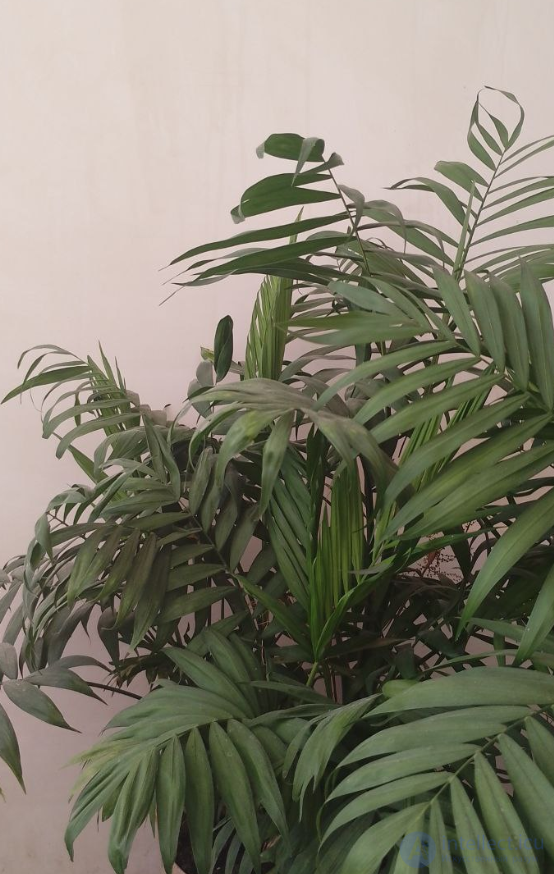
| palm |
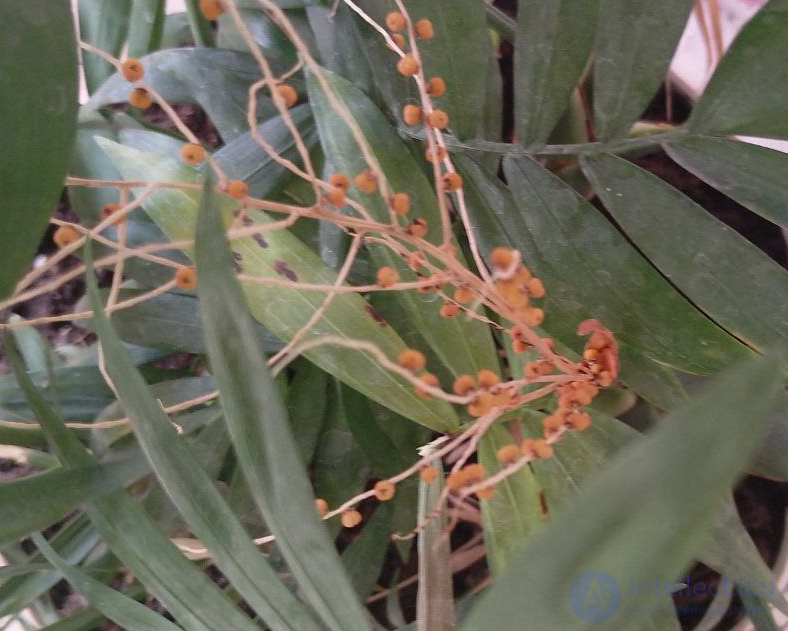
I bought a large seedling; it grew vigorously and produced offshoots, and after a year flowering with yellow dots apparently began
|
I could not grow it from seed, only from a seedling | fine |
| chives | 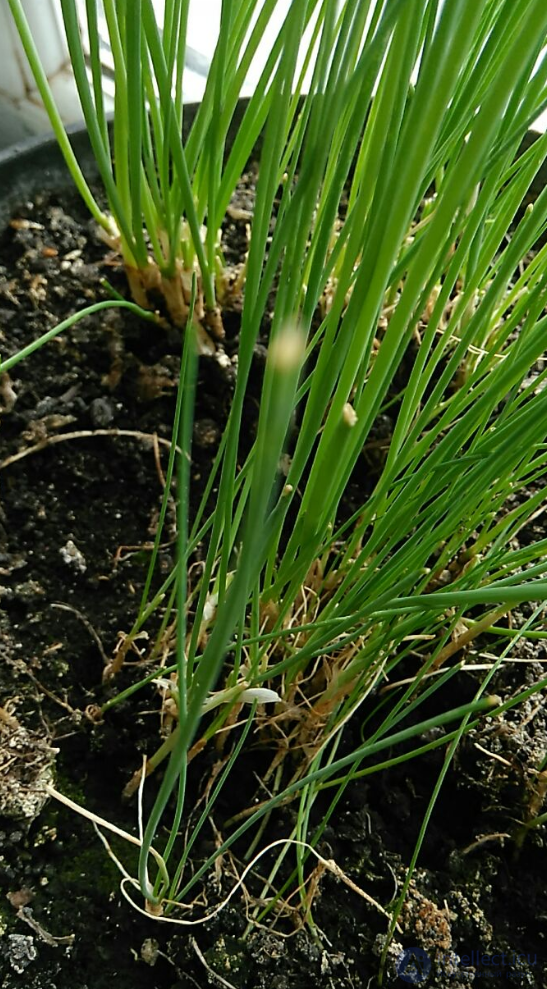 |
successful | |
| rosemary | great aroma | successful | |
| tarragon | no aroma at all, since it propagates only by cuttings | unsuccessful, the plant was destroyed | |
| basil | great aroma | microscopic mites probably appeared, or it was edema; I had to cut off all the leaves | successful |
| mint |
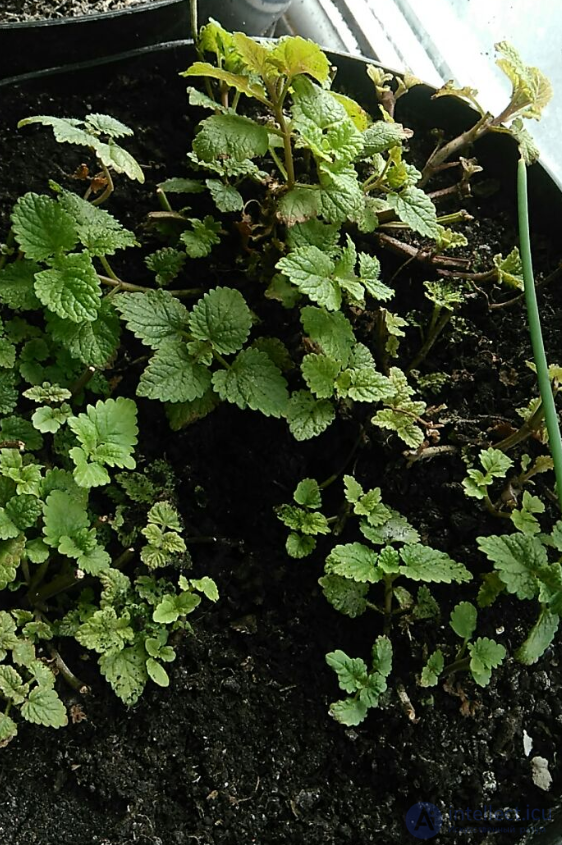
great aroma
|
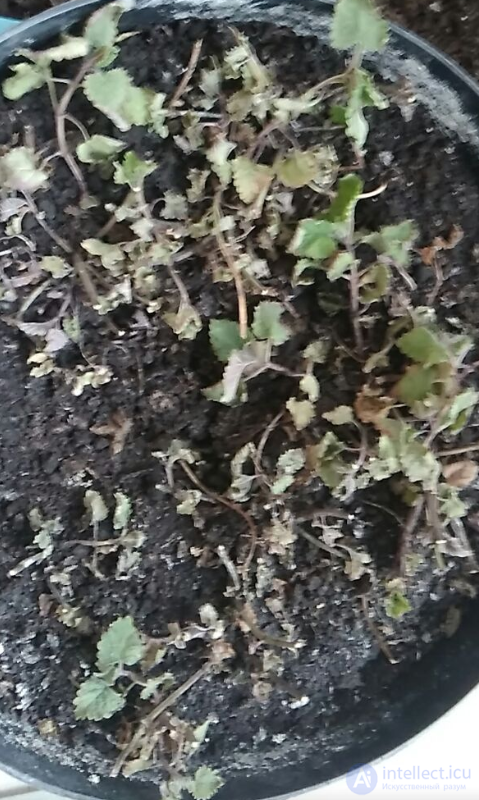
because of crowding, a fungus (powdery mildew) and another fungus with a brown border appeared | successful, with problems |
the description of the experiment will continue
if you have similar experience, write in the comments
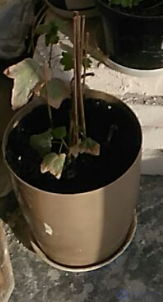 ball-shaped fungi kept appearing, possibly an infection with the mycelium of some fungus
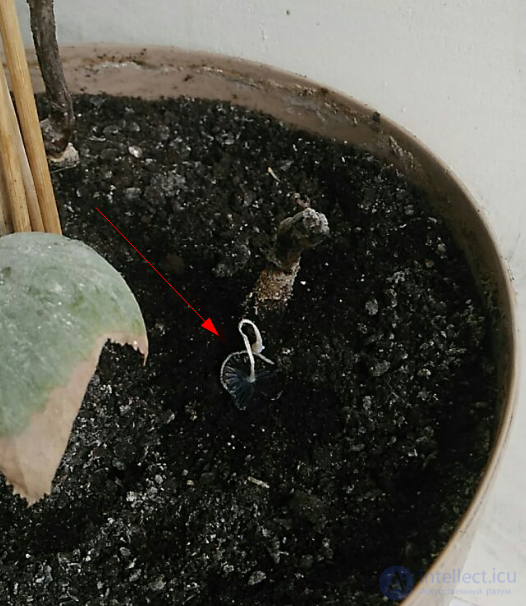
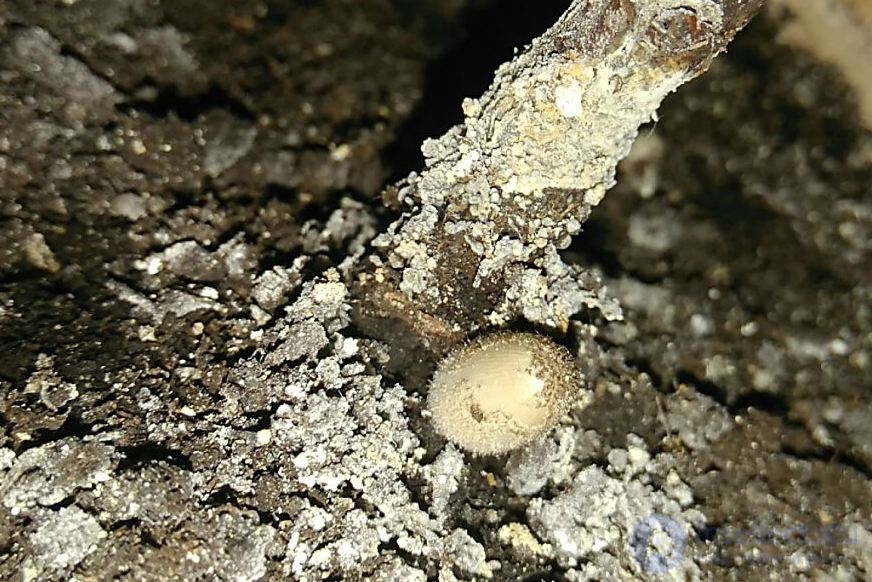

Comments